

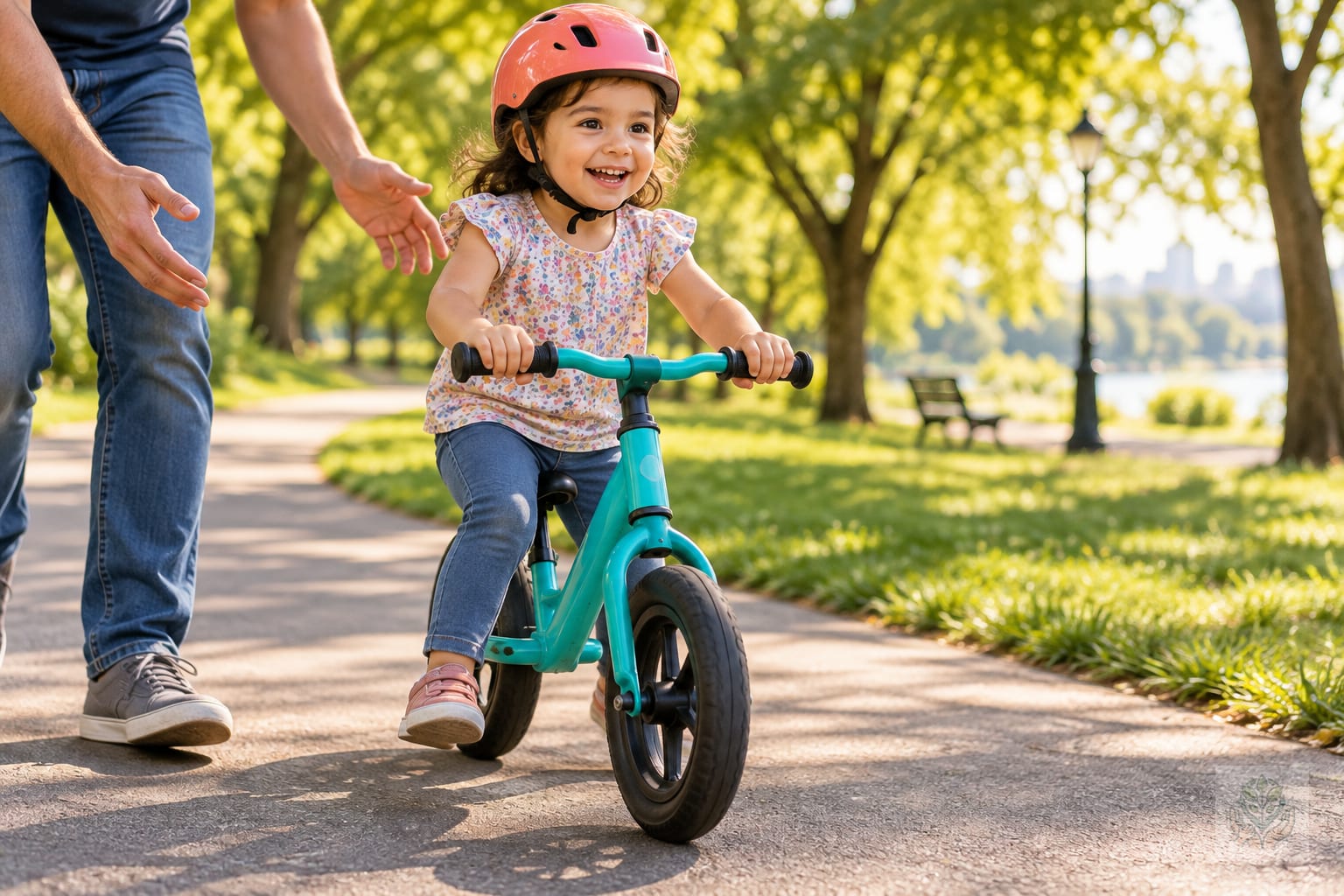
A Beginner’s Guide to Youth Cycling: Essential Tips for Families
Teaching your child to ride a bike is one of those quintessential parenting milestones. It opens up a whole new world of outdoor adventure, encourages healthy physical habits, and creates lasting family memories.
Whether you are starting with a toddler or helping an older child find their confidence on two wheels, navigating the world of youth cycling can feel a bit overwhelming. From choosing the right equipment to understanding safety rules, this beginner cycling guide is designed to make the journey smooth and enjoyable for the entire family.
Why Cycling is the Perfect Family Activity
Finding activities that genuinely engage both parents and young children can be tough. Cycling stands out as a unique hobby because it scales effortlessly across different age groups and fitness levels. While toddlers pedal slowly on the sidewalk, parents can easily keep pace, turning a simple afternoon into a shared expedition. Explore more ideas like these in our weekend cycling activities for kids guide.
Beyond the sheer joy of movement, cycling offers tremendous physical and mental health benefits for growing kids. It builds core strength, improves balance, and enhances spatial awareness. Best of all, getting outdoors on a family bike ride is a fantastic way to unplug from screens and connect with nature together.
Phase 1: Getting Started – Choosing the Right Bike
The foundation of a great cycling experience starts with proper equipment. Buying a bike that is too big for your child to grow into is a common mistake that often leads to frustration and fear. A properly sized bike ensures your child feels secure and in control at all times. For detailed guidance on sizing, check out our resource on how to choose the right bicycle size for your child.
When shopping for a youth bike, look for lightweight frames rather than heavy steel models. Children have less upper body strength, and a heavy bicycle makes balancing and stopping much harder. Visit a local bike shop if possible to get professional sizing rather than guessing based on your child’s age alone.
Balance Bikes vs. Training Wheels: The Modern Approach
If you have a toddler or preschooler, you might wonder whether to buy a balance bike or attach training wheels to a traditional pedal bike. Modern child development specialists heavily favor balance bikes as the ideal starting point for kids cycling.
Balance bikes have no pedals, chains, or gears. Children propel themselves forward with their feet and glide with their feet up. This method teaches the most critical aspect of riding first: balance and steering. Once a child masters coasting on a balance bike, transitioning to a pedal bike without training wheels is usually seamless and takes just a single afternoon. Learn more about their development benefits in our post on how balance bikes help children learn cycling faster.
Phase 2: Essential Gear for Parents and Kids
Safety equipment is non-negotiable when introducing children to cycling. Making gear a mandatory part of every ride from day one establishes healthy safety habits that will last a lifetime. Proper preparation also gives parents peace of mind.
Start with a properly certified bicycle helmet that fits snugly on the crown of your child’s head without tilting backward or forward. Closed-toe shoes are a must to protect little toes from pedals and pavement. Dressing your child in layers and comfortable clothing will prevent chafing and keep them happy throughout the ride.
Must-Have Accessories for Comfort and Visibility
Beyond the basics, a few thoughtful accessories can drastically improve your family cycling experience. Visibility is key, especially if you plan to ride near residential streets or during twilight hours.
- Brightly colored jerseys or reflective vests for both adults and kids.
- Rechargeable LED bike lights mounted to the front and back of every bike.
- A durable bike bell that teaches kids how to signal pedestrians politely.
- A hydration pack or water bottle cage to keep everyone refreshed on longer trips.
- A small handlebar bag for your child to carry their favorite trail treasures.
Discover more gear recommendations in our essential bicycle accessories for young riders guide.
Phase 3: Teaching Your Child to Ride
Patience is your greatest tool when teaching a child how to ride. Every child develops motor skills at their own pace. Avoid setting strict timelines and focus entirely on making the learning process a positive game.
Find a large, flat, paved area free of traffic, such as an empty school parking lot on a weekend. Lower the seat on the pedal bike so your child’s feet sit flat on the ground. Let them practice pushing off and coasting with their feet out, gradually lifting their feet to pedal once they feel steady.
How to Build Confidence and Overcome Fear
Fear of falling is natural. When a child experiences a tumble, parents should respond calmly and encouragingly rather than overreacting. Validate their feelings while gently motivating them to try again when they are ready. You can find helpful advice in our guide on how to help a child ride a bike without fear.
Break the learning process down into micro-steps. Celebrate small wins, such as balancing for three seconds or successfully using the hand brake. Keeping sessions short, around twenty to thirty minutes, prevents fatigue and emotional meltdowns for everyone involved.
Phase 4: Safety First – Rules of the Road
As your child gains competence, teaching them the rules of the road becomes essential. Even on neighborhood paths, instilling good safety habits early prevents accidents later on.
Teach your child to always stop and look both ways before crossing a driveway or intersection. Practice hand signals for turning left, right, and stopping. Riding single file and staying on the right side of the path are also fundamental rules every young cyclist should learn.
Choosing Family-Friendly Bike Paths
Traffic-free environments are best for building family riding habits. Look for dedicated multi-use paths, greenways, and park trails that are paved and well-maintained. Explore top locations via our guide on the best places to practice cycling with young children.
Before heading out, check the trail conditions and elevation profile. Gentle, rolling hills are fun, but steep climbs can exhaust young legs quickly and turn a fun outing into a struggle. Plan routes with plenty of scenic stops, playgrounds, or ice cream shops as motivators.
Maintaining Your Bikes: A Simple Pre-Ride Checklist
A safe ride begins with a quick equipment check. Teaching older children to inspect their own gear fosters independence and responsibility. Run through this quick checklist before every outing:
- Check tire pressure to ensure tires are firm and properly inflated.
- Test the brakes by squeezing the levers to ensure the bike stops immediately.
- Inspect the chain to make sure it is clean and lubricated.
- Verify that handlebars and seat posts are tightly secured and do not wobble.
- Ensure helmets are clipped securely and fit correctly.
For more maintenance tips suited for families, read our article on simple bicycle maintenance kids can learn.
Making it Fun: Games and Activities for Young Cyclists
Sometimes kids need a little extra encouragement to stay motivated on a ride. Turning cycling into a game transforms a simple pedal into an exciting adventure.
Play “Follow the Leader” to practice sharp turns and varying speeds in a safe space. Set up a simple obstacle course with cones or chalk lines to test steering control and braking accuracy. Scavenger hunts where kids look for specific birds, flowers, or mailboxes along the trail are also wonderful for keeping younger children engaged.
Conclusion: Start Small, Ride Often
Embarking on the cycling journey with your child is an immensely rewarding experience. By following this beginner cycling guide, selecting the right gear, and prioritizing patience, you will set the stage for a lifetime of healthy outdoor habits. Start with short trips around the driveway, celebrate every milestone, and enjoy the wonderful world of family cycling together.
Frequently Asked Questions
How long does it take a child to learn how to ride a bike?
Every child is different, but kids who start on balance bikes often learn to pedal independently in a single afternoon. For children using traditional training wheels first, the transition period usually takes a few weekends of practice.
What is the best age to buy a balance bike?
Children can start riding balance bikes as early as eighteen months to two years old, as soon as they can walk steadily and comfortably straddle the low frame.
How do I know when it is time to upgrade to a larger bike?
If your child’s knees hit the handlebars while pedaling, or if they look scrunched up on the frame with their knees bent awkwardly high, it is definitely time to size up.
Are balance bikes better than training wheels?
Many modern child development specialists favor balance bikes because they teach children the critical skills of balance and steering first, making the eventual transition to pedal bikes much easier.
What safety gear does my child need for cycling?
Every child needs a properly certified bicycle helmet that fits snugly, closed-toe shoes to protect their feet, and comfortable clothing suited for outdoor weather.
How can I make family bike rides more fun for young children?
You can keep kids engaged by playing games like Follow the Leader, setting up simple obstacle courses, or organizing nature scavenger hunts along the trail.