

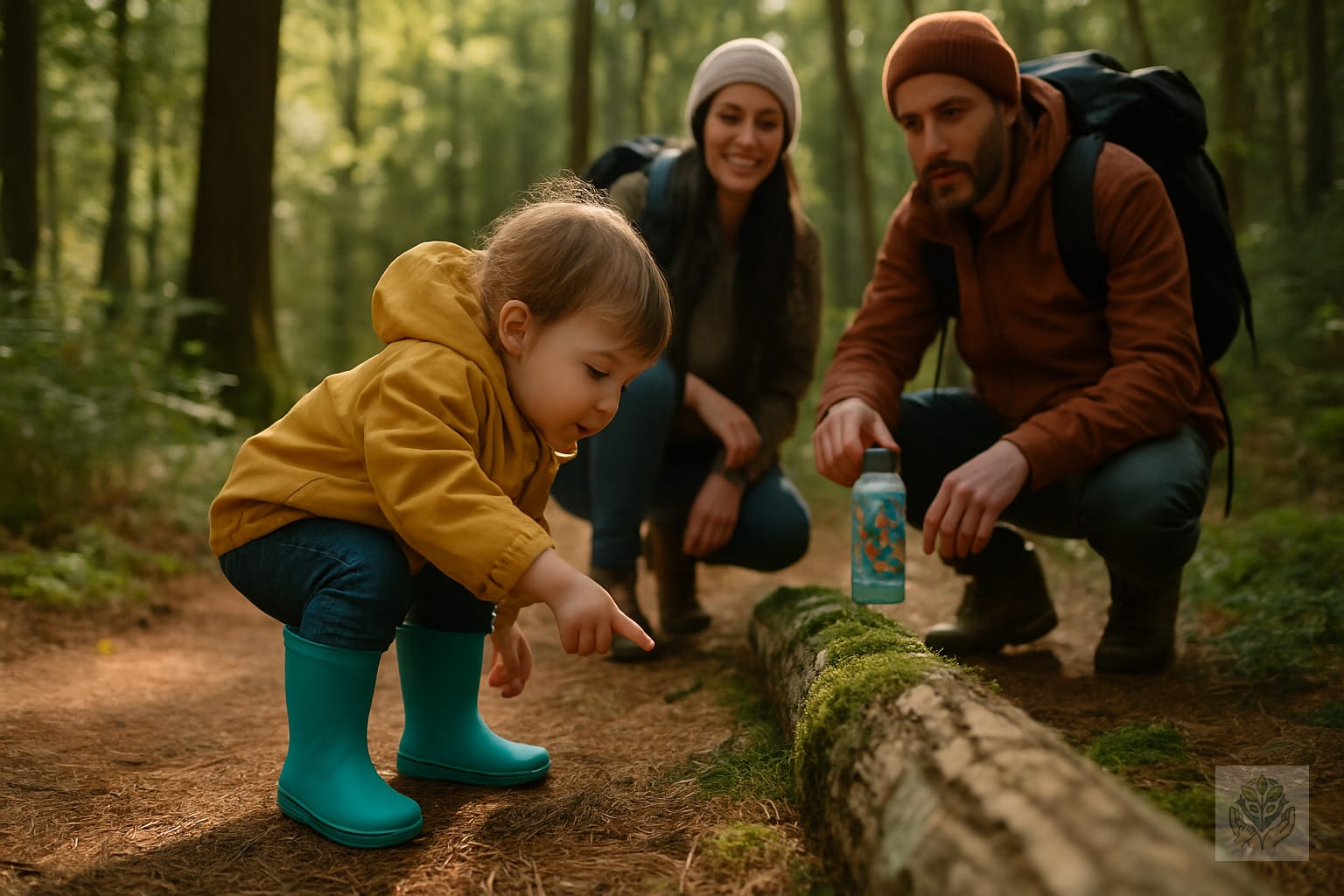
Beginner Hiking Tips for Families With Toddlers: A Stress-Free Guide
There is something magical about watching a toddler discover the world. From the way they fixate on a single patterned leaf to the joy they find in jumping over a puddle, nature provides a sensory playground unlike any other. However, as any parent knows, transitioning from a peaceful neighborhood walk to an actual trail can feel daunting. If you are looking for beginner hiking tips for families with toddlers, you are in the right place. The goal is to trade the stress of a tight schedule for the freedom of exploration, focusing on the journey rather than the distance.
Family hiking offers incredible benefits for toddler development. It builds physical strength and coordination, stimulates their curiosity, and helps them develop a lifelong appreciation for the outdoors. When you focus on exploration rather than miles, you create a positive environment where your child feels empowered to lead the way, even if that leads you directly to a very interesting-looking rock. You can also explore Easy Hiking Adventures for Families with Young Kids: A Beginner’s Guide for even more inspiration.
Choosing the Right Trail: Setting Yourself Up for Success
The secret to successful outdoor adventures lies in your choice of trail. When you are looking for toddler-friendly hiking trails, keep your expectations modest. Look for paths that are relatively flat and free of treacherous drop-offs or deep mud. A trail that is under two miles is perfect for starters. Whenever possible, choose a loop trail rather than an out-and-back route, as loop trails keep the scenery changing and often keep toddlers more engaged.
To find the best paths, utilize apps like AllTrails or your local park service website. These resources often include filters that allow you to check for stroller-friendly surfaces or indicate if a trail is better suited for a hiking carrier. Before you leave home, always check recent trail conditions. A path that is usually easy can quickly become difficult after heavy rainfall, and knowing what to expect prevents unnecessary frustration.
Essential Gear for Toddler Hiking
Having the right equipment transforms a challenging day into a smooth adventure. When it comes to toddler hiking gear, comfort is king. If your toddler is still young, a high-quality hiking carrier with lumbar support is a game-changer. As they grow, ensure they have sturdy, closed-toe walking shoes to protect their feet from roots and rocks. Check out our guide on How to Choose the Right Shoes for Toddlers: A Parent’s Expert Guide to find the best footwear for tiny feet.
Dress your child in layers to accommodate changing weather. Moisture-wicking fabrics are ideal to keep them dry, and don’t forget a wide-brimmed hat and plenty of sunscreen. Your toddler hiking kit should also include a small first aid kit with bandages for those inevitable scrapes, plenty of bug spray, and a comfort item like a small plush toy or a security blanket to help them feel at ease if they get tired.
Fueling the Adventure: Best Hiking Snacks for Toddlers
Never underestimate the power of a well-timed snack. When hiking with little ones, you need healthy hiking snacks for kids that provide sustained energy without creating a mess. Think of items like apple slices, cheese sticks, dry cereal, or pouches. High-energy snacks like dried fruit or nut-free energy balls can be great for quick fuel. For more ideas on organizing meals when you are on the go, see our The Ultimate Age-Wise Baby Meal Planning Guide: From First Bites to Toddlerhood.
Hydration is equally important, even on shorter treks. Bring a reusable water bottle for your toddler and make regular water stops a natural part of the hike. If you find your little one getting fussy, pull out the secret weapon: a special, high-value snack that they rarely get at home. This can often turn a mid-hike tantrum into a renewed burst of energy.
Managing Expectations and Toddler Temperaments
The most important of all beginner hiking tips for families with toddlers is to adopt a slow-pace mindset. If your toddler wants to stop and inspect a beetle for ten minutes, let them. If they want to pick up every interesting acorn they see, embrace it. This is not a race to the summit; it is a sensory experience for your child.
If a meltdown occurs, stay calm. Take a break, offer a snack, or change the scenery. Sometimes, simply sitting on a log and singing a song can reset the mood, much like the strategies found in our guide on 10 Fun Music and Movement Games for Toddlers to Burn Energy. However, it is also important to know when to throw in the towel. If your child is truly exhausted or consistently distressed, there is no shame in heading back to the car. A successful hike is one where everyone finishes the day with a positive association with nature.
Safety Tips for Families on the Trail
Safety is the foundation of every great outdoor trip. Teach your toddler early that we stay within sight of our grown-ups and that we do not touch plants or animals we don’t recognize. If you are in bear or wildlife country, make noise while you hike to avoid surprising any animals, and keep your dog leashed if you bring one along.
Always stay visible by wearing bright clothing, and ensure your phone is fully charged before you leave. Download offline maps in case you lose cellular service, and always tell someone where you are going and when you expect to return. Being prepared allows you to enjoy the wilderness with peace of mind. For additional safety considerations when heading out on trips, check out our 15 Essential Travel Accessories for Kids to Make Your Next Trip Stress-Free.
Making it Fun: Games to Keep Toddlers Engaged
Keep the momentum going by turning the hike into a game. A nature scavenger hunt is a fantastic way to keep little eyes scanning the trail. Give them a simple list: find a yellow leaf, a smooth rock, a pinecone, or a bird. You can also use a small camera or a pair of kid-friendly binoculars to help them feel like an official nature explorer.
Interactive games like Follow the Leader or playing I-Spy can also keep spirits high, similar to the activities in 10 Creative Follow-the-Leader Games for Kids at the Park. Singing songs or talking about the animal tracks you see makes the time fly by. When you participate in their play, you are not just hiking; you are building memories and nurturing their love for the great outdoors.
Conclusion
Hiking with your toddler is a rewarding way to bond and explore the world at a slower, more intentional pace. By picking the right trails, packing the essentials, and keeping your expectations realistic, you can turn a simple walk in the woods into a cherished family tradition. Remember, the best beginner hiking tips for families with toddlers all lead back to one thing: having fun together.
Don’t be discouraged if your first hike isn’t perfect. It gets easier with practice, and your little explorer will soon be leading you to new discoveries. Do you have a favorite local trail that is perfect for little feet? Share your recommendations in the comments below, or tag us in your hiking photos on social media so we can celebrate your adventures with you!
Frequently Asked Questions
What is the best trail length for hiking with a toddler?
For beginners, look for trails under two miles that are relatively flat. Loop trails are ideal because they keep the scenery changing and hold a toddler’s interest.
What essential gear should I pack when hiking with a toddler?
Pack a sturdy hiking carrier or comfortable walking shoes, moisture-wicking layered clothing, a sun hat, sunscreen, a small first aid kit, bug spray, and plenty of water.
What are the best hiking snacks for toddlers?
Choose mess-free, high-energy snacks like apple slices, cheese sticks, dry cereal, fruit pouches, and a special high-value treat to boost their energy during a meltdown.
How do I keep my toddler engaged during a hike?
Turn the hike into a game by playing I-Spy, singing songs, or organizing a nature scavenger hunt to find items like a smooth rock, pinecone, or yellow leaf.
What should I do if my toddler has a meltdown on the trail?
Stay calm, take a break, offer a snack, or change the scenery. If your child remains distressed or truly exhausted, head back to the car without hesitation.
How can I ensure safety while hiking with small children?
Teach your toddler to stay within sight and avoid unfamiliar plants or animals. Wear bright clothing, fully charge your phone, and download offline maps before you go.


