

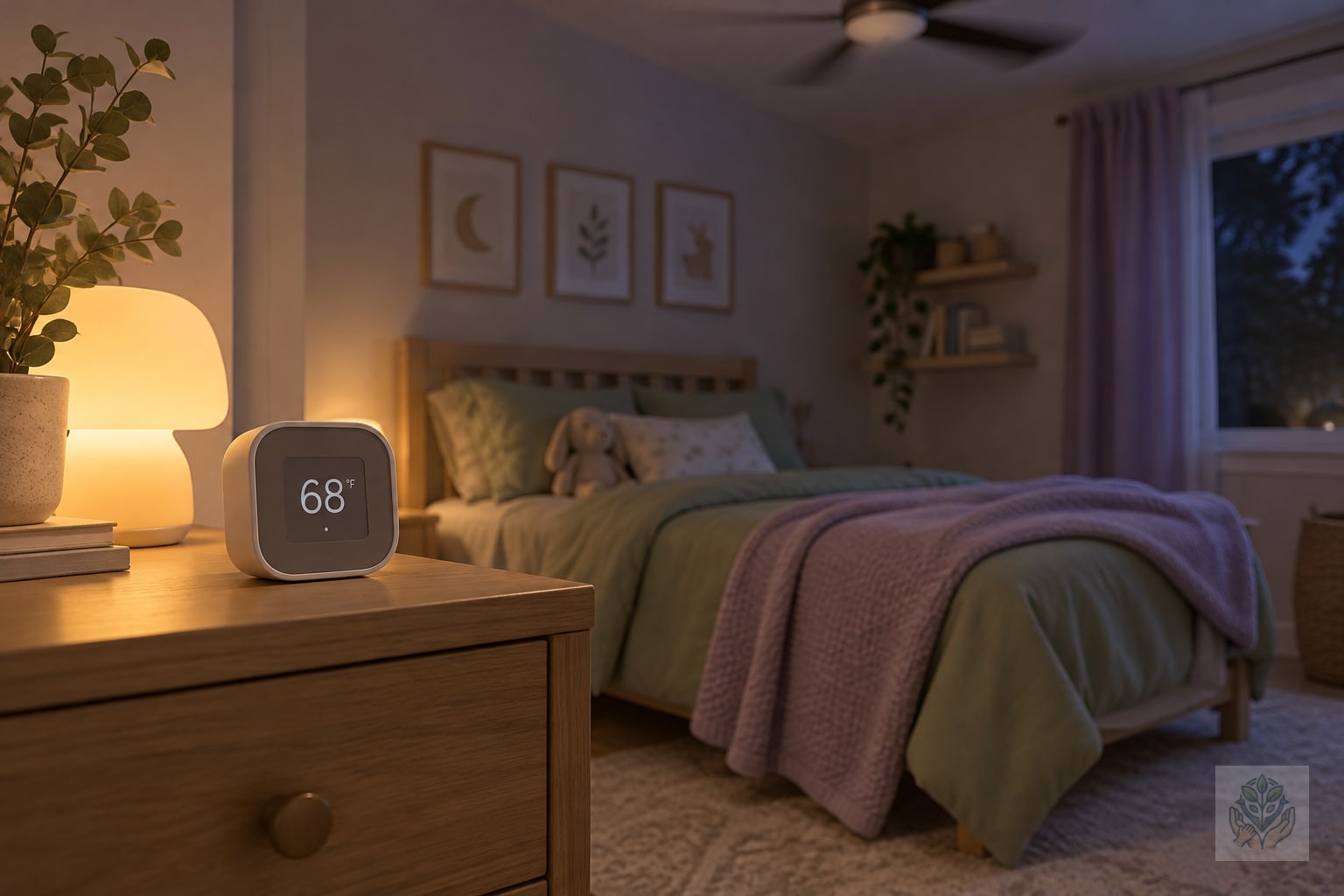
Best Bedroom Temperature for Children’s Sleep: A Guide for Parents
Are you constantly adjusting the thermostat late at night, wondering if your child is too hot or too cold? If you find yourself creeping into your child’s room to touch their forehead or check their blankets, you are certainly not alone. Quality sleep is a cornerstone of childhood growth, affecting everything from emotional regulation to immune system development. However, many parents overlook a critical factor in sleep quality: ambient room temperature. Understanding the best bedroom temperature for children’s sleep can transform restless nights into restorative rest for the whole family.
What is the Ideal Bedroom Temperature for Children?
Pediatric sleep experts and health organizations widely recommend keeping a child’s bedroom between 65°F and 70°F (18°C to 21°C). This specific range is not arbitrary; it mimics the natural cooling process our bodies undergo to initiate and sustain deep sleep. When the room is within this optimal window, the human body can easily regulate its internal temperature, paving the way for uninterrupted rest.
While the 65°F to 70°F rule applies broadly, slight adjustments may be necessary depending on your child’s developmental stage:
- Infants: Babies cannot regulate their body temperature as efficiently as adults. Keeping the nursery at the lower end of the comfortable range, combined with proper safe sleep practices, is essential. For more tips on setting up this space, check out our guide on how to create a safe and comfortable nursery for your baby.
- Toddlers: Active toddlers often kick off their blankets during the night. Dressing them in appropriate sleepwear rather than relying on room heat helps maintain comfort.
- School-aged children: Older children can usually voice their preferences, but keeping the room cool generally promotes better sleep architecture across all ages.
Why the Right Sleep Temperature Matters
Maintaining the right sleep environment is about much more than comfort. For infants, maintaining a cool room is a key component in reducing the risk of Sudden Infant Death Syndrome (SIDS). Overheating is a recognized risk factor for SIDS, making room climate control a critical safety measure. You can learn more about safe setups in our crib placement tips for a safe nursery, or read our guide on how to choose a safe crib for your baby.
Furthermore, temperature directly affects biological processes like melatonin production. If a child’s bedroom is too warm, their body struggles to cool down, which can delay melatonin release and make falling asleep a struggle. Overheating also leads to frequent night wakings, fragmented sleep cycles, and grumpy, overtired children the next day.
Signs Your Child is Too Hot or Too Cold at Night
Checking your child’s comfort requires knowing where to look. Never rely solely on their hands and feet, as these extremities naturally run cooler than the rest of the body. Instead, gently feel the skin on the back of their neck or their chest to gauge their true core temperature.
Watch out for these red flags that indicate your child is too hot:
- Sweating or damp hair around the hairline or back
- Flushed, red cheeks
- Rapid breathing or an elevated heart rate
- Restless sleep and frequent tossing and turning
On the flip side, signs of being too cold include cool skin on the chest or neck, unusual restlessness, and crying. However, keep in mind that true cold stress is rare if your child is dressed appropriately for the room temperature.
How to Dress Your Child for Sleep Based on Temperature
Bedding and sleepwear act as your first line of defense in regulating your child’s microclimate. When shopping for sleep sacks or swaddles, pay attention to the TOG (Thermal Overall Grade) rating. A higher TOG means a warmer garment, while a lower TOG is designed for warm summer nights. To ensure you have everything needed for bedtime, consult our checklist of essential sleep items every baby nursery needs.
A helpful rule of thumb for dressing children is to put them in one more layer of clothing than you find comfortable wearing to sleep. If you are comfortable in light pajamas and a sheet, your toddler might need lightweight pajamas and a light sleep sack. Always adjust based on seasonal changes, utilizing breathable cotton fabrics in the summer and heavier flannel or merino wool layers during cold winter months. To keep their bedding fresh and clean, you can also review our tips on best ways to keep baby bedding clean and fresh.
Tips for Maintaining the Perfect Room Temperature Year-Round
Achieving a consistent climate in your child’s bedroom takes a bit of planning. Start by placing a digital room thermometer at crib or bed level, rather than near the ceiling or right next to a vent, to get an accurate reading of the air your child is actually breathing. For comprehensive protection, consider exploring our list of 25 essential safety products for baby and toddler rooms.
For summer cooling, invest in blackout curtains to block out harsh afternoon sun. Using a ceiling fan on a low setting helps circulate air and prevents stagnant hot spots. In the winter, focus on safe heating practices. Never place space heaters directly next to a bed, and opt for dressing your child in breathable layers rather than piling on heavy, unsafe quilts or duvets. If you are looking to enhance the aesthetic while maintaining a cozy climate, explore ideas from our guide on 25 beautiful kids’ room decoration ideas to transform their space.
Conclusion
Creating the ideal sleep environment doesn’t have to be a guessing game. By keeping the bedroom within the recommended 65°F to 70°F (18°C to 21°C) range and paying close attention to your child’s sleepwear and physical cues, you can set the stage for restorative rest. For more guidance on optimizing their nightly routine, take a look at our complete guide on how to create a calm and comfortable sleep environment for kids. Trust your parenting instincts, monitor your child’s comfort regularly, and enjoy the peace of mind that comes with safe, healthy sleep.
Frequently Asked Questions
What is the ideal bedroom temperature for children?
Pediatric sleep experts recommend keeping a child’s bedroom between 65°F and 70°F (18°C to 21°C) to promote deep, restorative sleep.
Why is room temperature important for a child’s sleep?
The right temperature helps regulate the body’s internal cooling process, supports melatonin production, prevents overheating, and reduces the risk of SIDS in infants.
How can I tell if my child is too hot at night?
Check the skin on the back of their neck or chest. Signs of overheating include sweating, damp hair, flushed cheeks, rapid breathing, and restlessness.
Should I use a ceiling fan in my child’s room?
Yes, a ceiling fan helps circulate the air and maintains a stable room temperature. Keep it on a low speed to ensure a gentle breeze.
Is it normal for my child’s hands and feet to feel cold?
Yes, children’s circulatory systems are still developing, making their hands and feet naturally cooler. As long as their chest or neck is warm, they are comfortable.
What should my child wear if the AC breaks during a heatwave?
Dress your child in a single layer of lightweight cotton clothing, such as a short-sleeve bodysuit, and use an oscillating fan to keep air moving safely.