

The Best Doctor Pretend Play Kits for Kids: Development, Reviews, and Buying Guide
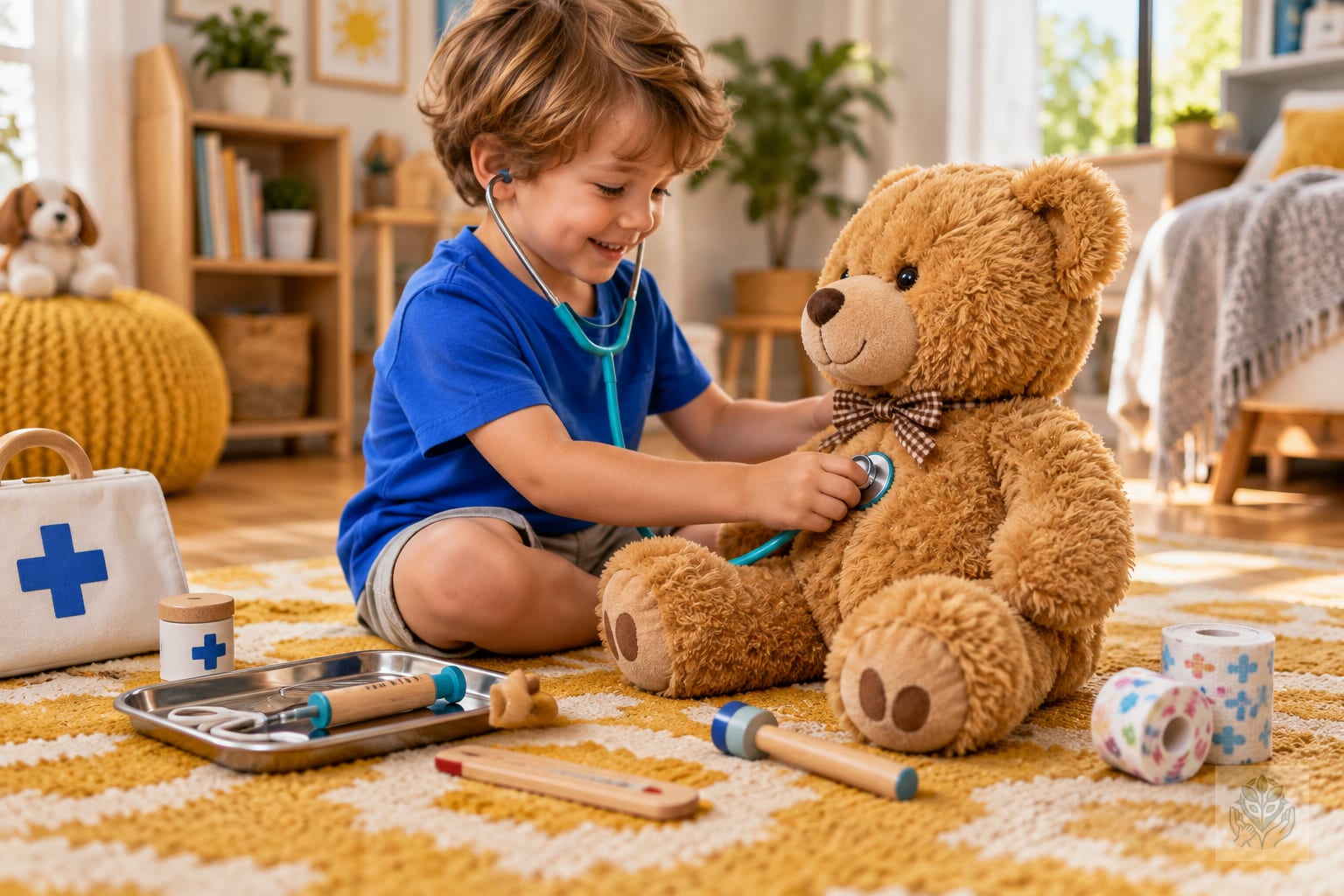
There is pure magic in watching a young child dive headfirst into a world of imagination. Whether they are carefully listening to the heartbeat of a favored stuffed animal or applying a colorful bandage to a sibling’s knee, imaginative play is a cornerstone of early childhood. Among the various imaginative themes, caregiving scenarios hold a special place in a child’s heart. Learn more about the broader benefits of this type of play in the complete guide to pretend play for child development.
Investing in doctor pretend play kits does much more than simply keep kids entertained on a rainy afternoon. These thoughtfully designed toy sets bridge the gap between pure entertainment and profound cognitive growth, offering children a safe space to explore the world of medicine. As parents, choosing the right toys that balance fun with educational value can feel overwhelming with so many options available.
In this guide, we will explore why medical play is so beneficial, what features to look for when shopping, and a curated roundup of the absolute best doctor pretend play kits on the market today. Let us dive into how you can turn playtime into a powerful developmental milestone.
Why Doctor Pretend Play is a Powerful Learning Tool
Children make sense of their complex world through play. When children step into the shoes of a healthcare provider, they unlock a wide array of cognitive, social, and emotional benefits that support their overall growth.
Reducing Medical Anxiety
One of the greatest practical benefits of medical role-play is its ability to demystify real-world doctor visits. Pediatric appointments can sometimes trigger fear and anxiety due to unfamiliar environments, bright lights, and strange instruments. By handling a toy stethoscope, otoscope, or syringe at home, children gain familiarity and control. When they finally sit on the examination table at the pediatrician’s office, the tools are no longer frightening mysteries.
Developing Empathy and Social-Emotional Skills
Caregiving roles teach children how to tune into the feelings of others. When a child gently asks a patient if they are hurting or comforts a crying teddy bear, they practice genuine empathy. This perspective-taking helps them understand emotions, build compassion, and navigate social relationships with peers and family members.
Enhancing Fine Motor Skills and Hand-Eye Coordination
Using medical toys requires surprising precision. Squeezing a blood pressure bulb, twisting the cap off a pretend medicine bottle, or fastening a fabric blood pressure cuff helps refine small muscle control. These fine motor activities strengthen the hand muscles necessary for future tasks like writing, drawing, and dressing independently. You can also explore 10 fun DIY crafts that strengthen hand-eye coordination in kids to further boost these vital physical skills.
Boosting Vocabulary and Communication
Role-playing naturally expands a child’s verbal abilities. Kids eagerly adopt new terminology like temperature, heartbeat, bandage, and symptoms. They practice conversational turns, listening skills, and articulating how they feel, which significantly supports language development.
What to Look for in an Educational Doctor Pretend Play Kit
Not all toy medical sets are created equal. To ensure your investment provides lasting value and safety, keep the following key factors in mind while shopping.
- Material Safety: Always check for non-toxic finishes, BPA-free plastics, or sustainably sourced wood options. Ensure that pieces feature smooth, rounded edges to prevent accidental scratches during enthusiastic play.
- Age Appropriateness: Toddlers need simpler sets with larger pieces to completely avoid choking hazards. Preschoolers and older children thrive with interactive features, realistic instruments, and multi-piece setups. Discover more options with the ultimate age-wise toy buying checklist for parents.
- Kit Contents: Look for essential tools that mimic real medical equipment, such as a sturdy stethoscope, a functioning reflex hammer, a safe syringe, an otoscope with a light, and a blood pressure cuff.
- Durability and Storage: Kids play hard, and medical tools often get tossed around. Sturdy plastic cases or fabric doctor bags ensure that cleanup is simple and pieces do not easily get lost.
Top Doctor Pretend Play Kits That Inspire Learning
To help you narrow down your choices, we have evaluated the top-rated options across various categories to suit every family’s preferences and budget.
Best Overall Wooden Kit: Melissa & Doug Provider Play Set
Crafted from high-quality wood and child-safe finishes, this classic set emphasizes tactile learning. It includes realistic wooden play pieces like a syringe, blood pressure cuff, and thermometer that fit neatly into a canvas tote bag. It is durable, sustainable, and encourages open-ended imaginative play without distracting electronic noises.
Best High-Tech Interactive Kit: Fisher-Price Medical Kit
For children who love lights and sounds, this interactive set brings the check-up experience to life. It features a working stethoscope that makes real heartbeat sounds and an otoscope that lights up. These features capture attention and provide instant auditory and visual feedback during play sessions.
Best Budget-Friendly Option: Battat Deluxe Doctor Kit
You do not need to spend a fortune to get a wonderful toy set. This affordable package comes packed with a dozen colorful, chunky instruments designed specifically for small hands. It includes a pager that buzzes, a working forehead mirror, and a sturdy carrying case that keeps everything organized.
Best Travel-Friendly Kit: PlanToys Doctor Set
If you need something compact that can easily travel to grandparents’ houses or restaurants, this minimalist wooden set is a top contender. The fabric waist belt and compact pouch hold all the essential wooden instruments securely, allowing your little doctor to make house calls anywhere.
Best Montessori-Inspired Kit: Fun Little Toys Realistic Metal & Wood Set
Montessori education values realistic tools over cartoonish plastic. This kit features stainless steel instruments and solid wood components that mimic real-world medical tools as closely as possible. It fosters independence, real-world competence, and respectful handling of delicate equipment. You can also explore wooden Montessori toys vs. plastic toys to learn more about material selection for early development.
Fun Doctor-Themed Learning Activities to Try at Home
Maximizing the educational value of your new toy set is easy with a few engaging activities designed to spark curiosity and learning.
- The Teddy Bear Hospital: Gather your child’s favorite stuffed animals and dolls. Set up a triage station where your child can diagnose silly ailments, apply colorful stickers as bandages, and prescribe rest and cuddles. This builds storytelling skills and deep compassion.
- Anatomy Basics: Use check-up time to teach basic body awareness. Ask your child to listen to their own heartbeat, point out where their tummy is, or check their reflexes. Talk about how amazing the human body is and how taking care of it matters.
- The Real Check-Up Prep: A few days before a scheduled pediatrician appointment, pull out the doctor play set. Role-play the exact sequence of events, from weighing in on a scale to looking in ears. This rehearsal dramatically decreases fear and builds cooperative behavior at the clinic.
Conclusion
Investing in quality doctor pretend play kits offers far-reaching rewards that extend well beyond the playroom. From soothing anxiety about real doctor visits to building fine motor skills, empathy, and vocabulary, these versatile toys support whole-child development.
Whether you choose a sustainable wooden set, a high-tech interactive kit, or a simple budget-friendly option, your child will gain countless hours of meaningful learning disguised as pure fun. Match the kit to your child’s age and interests, and watch their confidence soar as they take on the role of caregiver. For other fun pretend play alternatives, you might also enjoy looking into 10 kitchen pretend play sets every child will love.
We would love to hear from your family! Which doctor pretend play kit is your child’s absolute favorite, and how do they use it during playtime? Let us know in the comments below!
Frequently Asked Questions
What are the benefits of doctor pretend play kits?
Doctor pretend play kits help reduce anxiety about real doctor visits, develop empathy, enhance fine motor skills, and boost vocabulary through imaginative role-play.
At what age can children start playing with toy medical sets?
Children can start playing with toddler-safe medical kits around ages 2 to 3, provided the pieces are large enough to avoid any choking hazards.
Are wooden or plastic doctor kits better?
Both have merits. Wooden sets offer durability and sustainable tactile learning, while plastic or interactive sets often feature fun lights and sounds that engage younger children.
How do medical toys reduce doctor visit anxiety?
By handling familiar instruments like stethoscopes and otoscopes at home, children gain a sense of control, making real pediatrician check-ups far less intimidating.
What should I look for when buying an educational doctor kit?
Look for material safety, age appropriateness, realistic essential tools like blood pressure cuffs and stethoscopes, and sturdy storage containers for easy cleanup.
How can I make playtime more educational with a doctor kit?
You can set up a teddy bear hospital, teach basic human anatomy during check-ups, or rehearse the exact steps of an upcoming pediatric appointment.