

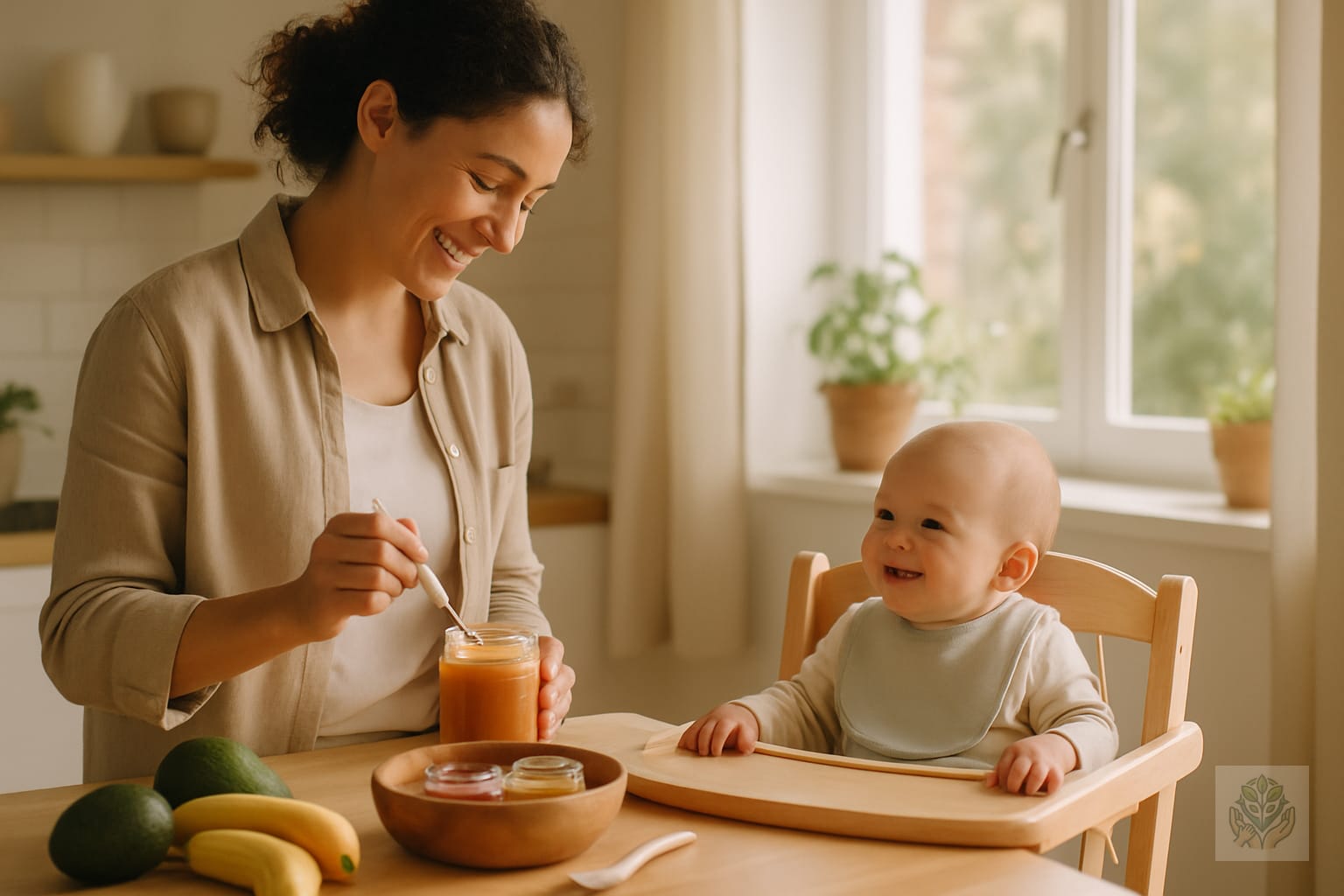
Best Fruits to Introduce as First Foods: A Parent’s Guide to Starting Solids
The journey of starting solids is one of the most exciting, nerve-wracking, and memorable milestones in early parenthood. You are opening up a brand-new world of flavors, textures, and sensory experiences for your little one. While it can feel overwhelming to choose the perfect items to put on that high chair tray, fruit is often a natural and favorite starting point for many families. You may also want to explore our ultimate age-wise baby meal planning guide to prepare for the stages ahead.
Fruits provide essential vitamins, minerals, and natural sweetness that babies often enjoy immediately. However, it is always a smart practice to chat with your pediatrician before introducing solids to ensure your baby is developmentally ready. Let us explore the best fruits to introduce as first foods to get your baby off to a healthy start.
When Is the Right Time to Introduce Fruit?
Before you rush to the grocery store, it is crucial to ensure your baby is physically prepared for the complex task of eating. Most pediatricians and major health organizations recommend waiting until around 6 months of age to begin solid foods.
Look for these developmental signs that your baby is ready to start: your baby should have good head and neck control, be able to sit up with minimal support, and show a decrease in the tongue-thrust reflex, which causes them to push objects out of their mouth. If your baby is showing an interest in your food and can hold their head steady, they are likely ready to begin their culinary adventure. For more guidance, check out our complete guide to introducing first foods to your baby.
The 5 Best Fruits to Introduce as First Foods
When selecting the best fruits to introduce as first foods, you want options that are nutrient-dense, easily digestible, and simple to prepare. Here are five top choices for your baby’s first meals:
1. Avocados
Avocados are a gold standard for a baby’s first food. They are rich in healthy fats that are vital for brain development and have a naturally creamy texture that is very easy for babies to swallow. Simply mash a ripe avocado with a fork until it is smooth.
2. Bananas
Bananas are perhaps the most convenient of all first foods. They are soft, easy to digest, and come in their own natural packaging. Their subtle sweetness is generally very well-received by infants.
3. Pears
Pears are exceptionally gentle on a baby’s developing digestive system. They are high in fiber, which can help keep your baby regular. For young babies, opt for ripe pears, steam them until soft, and then mash or puree them to a smooth consistency.
4. Papaya
Often overlooked, papaya is a fantastic choice because it is nutrient-dense and naturally very soft. It offers a unique flavor profile and contains digestive enzymes that can be helpful for little tummies.
5. Peaches
Peaches are packed with vitamins and can be mashed easily once ripe. They offer a great introduction to stone fruits. Always ensure you remove the skin and pit, as the fuzzy skin can sometimes be difficult for a baby to manage early on.
How to Properly Prepare Fruits for Your Baby
How you prepare these fruits depends on your preferred feeding method. Some parents choose purees, while others opt for Baby-Led Weaning (BLW). If you are preparing purees, aim for a thin, smooth consistency. If you are pursuing BLW, ensure the fruit is cut into long, finger-sized strips that the baby can grasp easily. Learn more about preparation methods in our guide on how to make healthy fruit purees for babies.
Safety is the top priority. Always steam hard fruits like apples or pears until they are fork-tender. Never serve whole grapes, cherries, or large chunks of fruit, as these pose a significant choking hazard. Always supervise your baby closely while they are eating. Refer to our baby safety rules guide for more essential tips.
Introducing New Foods: The 3-Day Rule
Many pediatricians recommend the 3-day rule when introducing a new food. This means you serve a single new fruit and wait three days before introducing another new one. This allows you to monitor for any signs of an allergic reaction or digestive sensitivity.
Keep a close eye on your baby for symptoms such as a skin rash, hives, vomiting, or persistent diarrhea. While severe reactions are rare, these signs are your cue to stop the food and consult your pediatrician immediately. Once you have confirmed the baby tolerates the fruit well, you can move on to the next one.
Tips for Success: Building Positive Eating Habits
Do not be discouraged if your baby rejects a food the first time; it can take ten or more exposures for a baby to accept a new flavor. You can mix fruit purees with a little bit of breastmilk or formula to create a familiar taste profile that bridges the gap between liquids and solids.
Remember that fruit is just one part of a balanced diet. As you progress, ensure you are pairing fruit with iron-rich foods, such as iron-fortified cereals, legumes, or meats. Never pressure your baby to eat if they turn their head or fuss. The goal is to foster a positive, low-stress relationship with food. Proper nutrition is key to creating a balanced diet for your baby.
Frequently Asked Questions (FAQ)
- Can I serve canned fruit? It is best to avoid canned fruit if it is packed in heavy syrup. If you must use canned, choose versions packed in water and ensure there is no added sugar.
- Should I peel the fruit? Yes, for most fruits like apples, peaches, and pears, the skin can be a choking hazard or difficult to digest for young infants.
- What if my baby has constipation? Fiber-rich fruits like pears and peaches can help, but ensure your baby is also staying hydrated with their usual milk intake.
Conclusion
Introducing the best fruits to introduce as first foods is an exciting milestone. While the process is guaranteed to be messy, it is also a beautiful time to watch your baby discover the world through taste. Trust your parental intuition, lean on the guidance of your pediatrician, and enjoy these moments of growth. By starting with wholesome, simple fruits, you are setting the stage for a lifetime of healthy eating habits. Explore more about baby nutrition for healthy growth to continue supporting your little one’s development.
Frequently Asked Questions
When can I start giving my baby fruit?
Most pediatricians recommend introducing solid foods, including fruits, around 6 months of age when your baby shows signs of developmental readiness like good head control.
Can I serve canned fruit to my baby?
It is best to avoid canned fruit packed in heavy syrup. If using canned fruit, choose options packed in water with zero added sugars.
Should I peel the fruit before serving?
Yes, for fruits like peaches, pears, and apples, you should peel the skin because it can pose a choking hazard or be hard to digest for young infants.
What is the 3-day rule for new foods?
The 3-day rule means feeding your baby a single new food for three consecutive days before introducing another, helping you monitor for allergic reactions.
What if my baby is constipated?
Fiber-rich fruits like pears and peaches can help relieve mild constipation. Ensure your baby also receives adequate hydration through breastmilk or formula.
How should I prepare hard fruits like apples?
Hard fruits must be peeled, cored, and steamed until they are completely fork-tender before being mashed or pureed to prevent choking hazards.


