

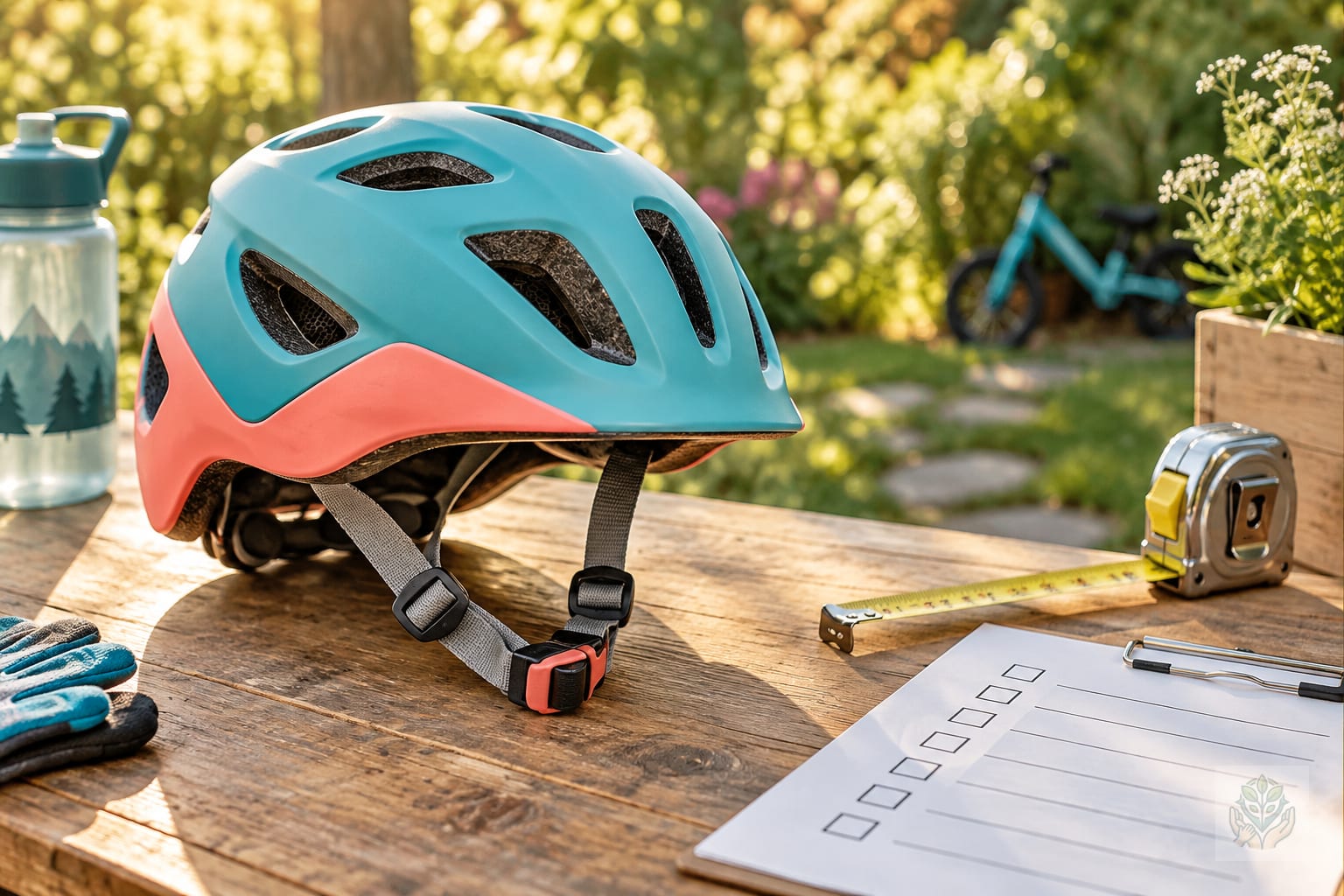
Bicycle Helmet Safety Guide for Kids: How to Choose, Fit, and Maintain
Cycling is a quintessential childhood activity. It offers freedom, exercise, and countless memories. However, as a parent, your primary concern is always your child’s well-being. A bicycle helmet safety guide for kids is an essential tool for every household because, quite simply, helmets save lives. Statistics consistently show that head injuries are the most common cause of serious trauma in bike-related accidents, and a properly fitted helmet can reduce the risk of head injury by up to 85 percent.
This guide will walk you through the essential steps of selecting the right gear and ensuring it provides the maximum level of protection. By following these guidelines, you can set your child up for safe, enjoyable adventures on two wheels, whether they are just starting out or transitioning up. For guidance on sizing as they grow, check out our guide on how to choose the right bicycle size for your child.
Understanding Safety Standards: What to Look For
When you walk into a store, the sheer variety of colors, shapes, and sizes can feel overwhelming. Before you look at style, you must look at safety certification. In the United States, every child’s helmet should carry a CPSC (Consumer Product Safety Commission) sticker. This certification ensures that the helmet has undergone rigorous testing for impact resistance and strap strength.
It is tempting to accept hand-me-downs from friends or pick up a cheap lid at a garage sale, but you should always avoid used helmets. You cannot verify if a pre-owned helmet has been involved in a crash, and microscopic cracks in the foam might be invisible to the naked eye, rendering the helmet ineffective in a future accident. When shopping, look for age-appropriate designs, but prioritize the safety label over the brand or aesthetic.
The 2V1 Rule: How to Properly Fit a Bike Helmet
Even the most expensive helmet is useless if it is not worn correctly. To ensure your child is protected, use the 2V1 rule, a standard developed by safety experts to make the fitting process simple and effective.
- Two fingers above the eyebrows: The front of the helmet should sit low on the forehead, covering the top of the brow. If it sits too high, the forehead is exposed during a fall.
- V-shape straps around the ears: The side straps should form a perfect V-shape just under each ear. If the straps are loose or tangled, the helmet may shift during an impact.
- One finger under the chin strap: The chin strap should be snug but comfortable. You should be able to fit exactly one finger between the strap and the chin. If there is too much room, the helmet could slide off during a crash.
Finally, always perform the shake test. With the helmet strapped on, have your child shake their head from side to side and up and down. The helmet should stay firmly in place without wobbling or sliding over their eyes. Once they are strapped in and secure, you might also want to look into best bicycle gloves for young cyclists for complete hand protection.
Common Helmet Fitting Mistakes Parents Make
Even with the best intentions, many parents make small mistakes that compromise safety. The most common error is the tilt. If a child wears the helmet tipped back on their head, their entire forehead is unprotected. Ensure the helmet is level and snug.
Another frequent oversight is ignoring the internal dial-adjuster. Most modern helmets have a retention system at the back of the head. After putting the helmet on, tighten this dial until it feels secure against the base of the skull. A helmet that is loose on the head will not absorb energy effectively in an impact, no matter how tight the chin strap is.
When Should You Replace Your Child’s Helmet?
Helmets are not forever. There are specific times when you must retire a lid and purchase a new one. First and foremost, if your child has a crash or a significant impact, the helmet must be replaced immediately. Even if it looks fine on the outside, the inner foam (the liner that absorbs impact) may have reached its limit.
You also need to replace the helmet if your child has outgrown it, if it is damaged with frayed straps or cracked shells, or if the manufacturer’s expiration date has passed. Over time, UV light and sweat can break down the materials, making the helmet less effective than when it was new. To make sure you buy the right replacement model, you can review our advice on choosing the right bicycle for a young child.
Encouraging Helmet Habits: Making Safety Fun
If you want your child to wear a helmet consistently, you must lead by example. Parents who wear their own helmets set a powerful tone. If they see you buckling up every time you ride, they will view it as a natural part of the process rather than a chore. As they grow more confident on their bikes, you can even explore how balance bikes help children learn cycling faster if you have younger kids joining in on the fun.
Letting children pick out their own helmet designs or even decorating them with approved stickers can increase their ownership of the gear. Establish the non-negotiable rule early: No helmet, no bike. When consistency is maintained, safety becomes a habit, not a debate. Keeping your gear organized when not in use is also key, and you can find inspiration in how to organize kids’ sports equipment at home.
Conclusion
Investing time in a proper bicycle helmet safety guide for kids is one of the most important things you can do for your family’s outdoor lifestyle. By checking for CPSC certification, mastering the 2V1 fit rule, and knowing when to replace your equipment, you are providing your child with the best possible protection. Safe riding builds confidence and allows children to explore their world with peace of mind. Please share this guide with other parents in your community to help keep all our little riders safe.
Frequently Asked Questions
What safety certification should I look for in a child’s bike helmet?
You should always look for a CPSC (Consumer Product Safety Commission) sticker inside the helmet, which ensures it meets rigorous US safety and impact standards.
What is the 2V1 rule for fitting a bicycle helmet?
The 2V1 rule means two fingers above the eyebrows, V-shaped straps forming under each ear, and one finger width under the chin strap for a secure fit.
Can I buy a used bike helmet for my child?
No, you should avoid used helmets because you cannot verify if they have been in a crash, which can cause invisible micro-cracks and reduce protection.
When should I replace my child’s bicycle helmet?
You must replace a helmet immediately after any crash, if it shows visible damage, if your child has outgrown it, or if it reaches its expiration date.
How can I get my child to wear their helmet without a fuss?
Lead by example by wearing your own helmet, let them pick out their own design, and establish a firm, non-negotiable rule that riding requires a helmet.
Why is the shake test important when fitting a helmet?
The shake test ensures the helmet stays firmly in place without wobbling or sliding over your child’s eyes when they move their head.


