Home Blog Page 18

Zinc-Rich Foods for Toddlers: Best Sources & Why Your Child Needs It

0

Zinc-Rich Foods for Toddlers: Best Sources & Why Your Child Needs It

Are you worried your picky eater is missing essential nutrients? As parents, we constantly wonder if our little ones are getting everything they need to grow, thrive, and fight off the endless stream of germs from daycare. While calcium and iron get plenty of attention, there is another unsung hero in early childhood development that deserves a spot in the spotlight: zinc.

The vital role of micronutrients in early childhood development cannot be overstated. During the toddler years, your child experiences rapid brain growth, skeletal expansion, and foundational immune system maturation. Providing a balanced plate filled with key vitamins and minerals helps lay the groundwork for lifelong health. If you are struggling with daily transitions, it may help to check our daily routine for kids by age guide.

What makes zinc a powerhouse mineral for growing toddlers is its sheer versatility. This essential trace mineral is involved in over 100 enzymatic reactions in the human body. Because little bodies cannot store zinc, they rely on a daily intake through nutrient-dense meals and snacks.

Why Do Toddlers Need Zinc? (The Health Benefits)

Understanding what zinc does inside your child’s body can help motivate you to incorporate more zinc-rich foods for toddlers into their daily routine. From head to toe, this mineral supports vital biological functions.

Immune System Support

Immune system support is one of zinc’s most celebrated jobs. It helps develop and activate T-lymphocytes, which are the white blood cells that fight off daycare bugs, viruses, and infections. If your toddler seems to catch every cold that circulates through their playgroup, ensuring adequate zinc intake can make a noticeable difference. You can also learn about other common health concerns in our guide on understanding ear infections in young children.

Cell Growth and Physical Development

Cell growth, tissue repair, and physical development also rely heavily on this mineral. Toddlers are constantly growing, scraping knees, and building new muscle and bone tissue. Zinc is essential for DNA synthesis and cell division, making it a critical component of physical growth.

Cognitive Development

Cognitive development and brain function benefit immensely from optimal zinc levels. High concentrations of zinc are found in the areas of the brain responsible for memory and learning. It helps regulate how neurons communicate with one another, supporting your toddler’s expanding curiosity and problem-solving skills.

Appetite Regulation

Appetite regulation and sense of taste are directly tied to zinc as well. If you have ever wondered why your toddler suddenly refuses food, a mild zinc dip might actually be the culprit. Zinc supports taste bud function and appetite stimulation; without enough of it, food can taste bland, leading to increased food refusal.

How Much Zinc Does a Toddler Need Daily?

Because little bodies need small, consistent amounts rather than massive mega-doses, meeting your child’s nutritional targets is entirely achievable through food. The Recommended Dietary Allowances (RDA) established by health experts offer clear guidance for young children.

  • Ages 1 to 3 years: 3 milligrams per day.
  • Ages 4 to 8 years: 5 milligrams per day.

Keep in mind that these are daily targets, but nutrition is best looked at over the course of a week. Some days your toddler will eat everything in sight, while other days they might survive on crackers and air. Consistency over time matters far more than perfection at every single meal.

Signs of Zinc Deficiency in Toddlers

True zinc deficiency is relatively rare in developed countries, but mild inadequacies can happen, especially in toddlers with severe food selectivity or restrictive diets. Common symptoms of low zinc include frequent illness, slow growth velocity, rough skin, and poor appetite.

When to Consult a Pediatrician

When to consult a pediatrician or pediatric dietitian is an important consideration. If you notice persistent growth delays, chronic digestive issues, or frequent, severe infections, schedule an appointment with your healthcare provider. They can evaluate your child’s overall growth curve and dietary intake to determine if further investigation is needed. For general health monitoring, check our guide on when to tell when a child’s symptoms are getting worse.

Top Zinc-Rich Foods for Toddlers and Young Children

Offering a variety of textures and flavors helps ensure your child gets the nutrition they need. Animal-based sources offer the highest bioavailability, meaning the body absorbs the zinc much more efficiently than from plant sources.

  • Animal-based sources: Ground beef, shredded poultry, pork, and flaky seafood like salmon and shrimp.
  • Dairy and eggs: Plain whole-milk yogurt, cheese sticks, cottage cheese, and thoroughly cooked hard-boiled eggs.
  • Plant-based sources: Well-cooked beans, lentils, chickpeas, hemp seeds, smooth pumpkin seed butter, and iron-fortified cereals.

Easy and Kid-Friendly Zinc-Rich Meal Ideas

Translating nutritional requirements into everyday meals can feel challenging when you are catering to a tiny critic. Here are some simple, kid-friendly meal and snack ideas packed with zinc. You might also want to explore our doctor-recommended healthy snacks for kids.

  • Breakfast: Fortified oatmeal stirred with a tablespoon of hemp seeds, or scrambled eggs folded with melted cheddar cheese.
  • Lunch: A shredded chicken quesadilla on whole-wheat tortillas or smooth mashed chickpea salad served with crackers.
  • Dinner: Mild beef chili, comforting lentil pasta with rich meat sauce, or crispy baked salmon bites.
  • Snacks: Greek yogurt parfaits topped with a drizzle of pumpkin seed butter or warm hummus served with soft veggie sticks.

Tips for Overcoming Picky Eating with Zinc Foods

If your toddler turns up their nose at steak or lentils, do not panic. There are plenty of clever ways to seamlessly blend zinc sources into favorite foods. You can stir flavorless hemp hearts into morning smoothies, mix finely ground meat into marinara sauce, or spread nut and seed butter onto toast.

The Division of Responsibility

Understanding the division of responsibility in feeding toddlers helps reduce mealtime stress. As the parent, you decide what food is served, when it is offered, and where it is eaten. Your toddler decides whether to eat and how much of it to consume. Trusting this dynamic prevents power struggles. For more behavioral tips, see our guide on managing everyday behavior challenges in kids.

Serving Toddler-Friendly Textures

Serving toddler-friendly textures makes a huge difference. Purees work well for younger toddlers, while soft chunks and finger foods encourage self-feeding and autonomy in older toddlers.

Do Toddlers Need Zinc Supplements?

When supplementation might be necessary includes specific scenarios such as diagnosed deficiencies, restricted medical diets, or severe malabsorption issues. However, the risks of too much zinc include nausea, vomiting, abdominal cramps, and interference with the absorption of other vital minerals like copper and iron. That is why a food-first approach is always best.

Important disclaimer: Always talk to your pediatrician before starting any new vitamin or mineral supplements to ensure safety and correct dosing for your child.

Conclusion

Incorporating zinc-rich foods for toddlers into your family’s meal rotation supports immune health, cognitive development, and steady physical growth. By offering a mix of animal and plant sources, you can easily meet your child’s daily requirements without the stress of perfection. Every small, nutritious bite brings your toddler one step closer to healthy development. Share your toddler’s favorite zinc-rich meal in the comments below! For more parenting support, read our positive parenting habits guide.

Frequently Asked Questions

How much zinc do toddlers need daily?

Toddlers aged 1 to 3 years old require about 3 milligrams of zinc per day, while children aged 4 to 8 years need approximately 5 milligrams daily.

What are the best zinc-rich foods for toddlers?

The best sources include animal proteins like beef, poultry, and fish, as well as dairy products, eggs, beans, lentils, chickpeas, and hemp seeds.

Can zinc help with a toddler’s picky eating and appetite?

Yes, zinc plays an important role in taste bud function and appetite regulation. A mild deficiency can sometimes cause food refusal and a decreased sense of taste.

What are the signs of zinc deficiency in young children?

Common signs of low zinc levels include frequent illnesses, slow growth velocity, rough skin, poor appetite, and delayed wound healing.

Do toddlers need zinc supplements?

Most toddlers get enough zinc through a balanced diet. Supplements are generally only needed for diagnosed deficiencies or specific medical conditions, under pediatric guidance.

How can I add zinc to my picky eater’s meals?

You can seamlessly blend zinc sources into favorite foods by stirring hemp hearts into smoothies, mixing finely ground meat into pasta sauce, or spreading pumpkin seed butter on toast.
Everything You Need to Know About Choosing Toys by Age

0

Everything You Need to Know About Choosing Toys by Age

Stepping into a toy store or scrolling through online shops can feel completely overwhelming. Bright lights, flashing screens, and thousands of shiny boxes promise to make your child the smartest, happiest kid on the block. Yet, many of these items end up gathering dust after just a few days of use.

Understanding the art of choosing toys by age changes everything. When you match playthings to your child’s current developmental stage, magic happens. Play is not merely a way to pass the time; it is the primary work of childhood. It fuels cognitive growth, refines motor skills, and builds emotional resilience.

In this comprehensive guide, we break down developmental milestones and the best playthings for every stage. Whether you are shopping for a newborn or an inquisitive second-grader, you will discover practical tips to make smarter, more intentional toy purchases. To help structure your child’s day around these activities, check out our complete guide to daily routines for kids.

Why Age Matters: The Science Behind Toy Selection

Play fuels early childhood development in profound ways. Through play, children test hypotheses, negotiate with peers, and process big emotions. However, the tools they use matter immensely. Giving a complex engineering kit to a toddler leads to frustration rather than learning. Conversely, offering a simple rattle to a seven-year-old fails to provide the cognitive challenge they crave.

The dangers of toys that are too advanced include plummeting self-esteem and quick abandonment of the item. On the other hand, toys that are too simple fail to stimulate growing neural pathways. The sweet spot is the zone of proximal development, where a toy offers a gentle challenge that a child can master with a little focus or guidance.

Safety always comes first when evaluating play options. Understanding choking hazards is vital for households with young children. Always check manufacturer age labeling, which is designed with strict federal safety standards in mind. A toy marked for ages three and up almost always contains small parts that pose a severe risk to younger siblings. For a deeper dive into home security, read about preventing common household accidents for babies.

Toys for Infants (0–12 Months): Sensory Exploration

The first year of life is a whirlwind of rapid sensory and physical development. Infants move from blurry-eyed newborns to crawling, cruising explorers. Key developmental milestones during this period include tracking objects with the eyes, grasping items with both hands, rolling over, and discovering cause and effect.

When choosing toys by age for babies under one year, look for items that stimulate the senses. High-contrast cards help develop newborn visual acuity. Soft rattles teach hand-eye coordination and sound awareness. Activity gyms provide a safe space for tummy time, while textured teething rings offer relief for sore gums and tactile feedback.

Always prioritize safety for this age group. Avoid anything with long cords or strings that pose strangulation risks. Steer clear of toys with small parts that can easily detach and become choking hazards. You can find more essential tips in our ultimate guide to baby safety.

Toys for Toddlers (1–3 Years): Movement and Imagination

Toddlers are unstoppable balls of energy. Key developmental milestones for this group include walking, running, stair-climbing, stacking, and the exciting emergence of early pretend play. They love mimicking everyday adult tasks like talking on the phone or sweeping the floor.

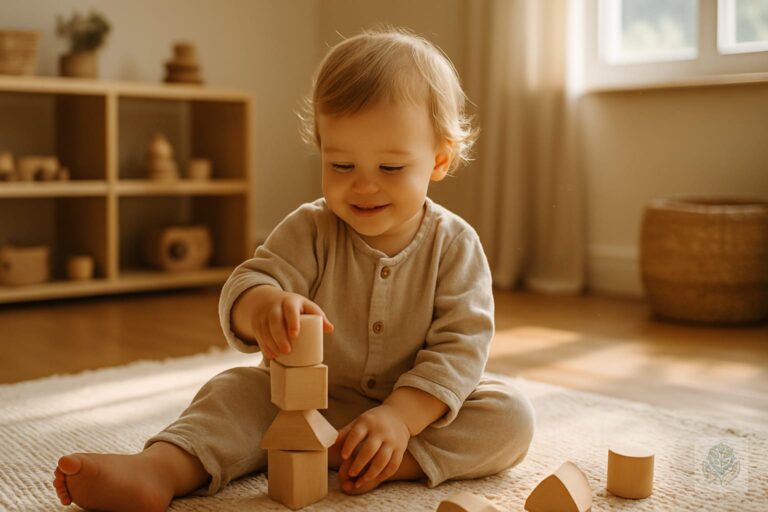
The best toy types for this stage encourage gross motor skills and foundational problem-solving. Push-pull toys give newly confident walkers a sturdy companion. Simple wooden puzzles, large building blocks, and shape sorters teach spatial awareness and fine motor precision. Dolls and simple kitchen sets spark early imagination. On rainy days, you can supplement these with engaging indoor toddler activities to keep them occupied.

Playtime at this age is also a fantastic vehicle for encouraging independence. Open-ended items allow toddlers to direct their own play, fostering decision-making skills and confidence.

Toys for Preschoolers (3–5 Years): Social Skills and Creativity

Preschoolers enter a wondrous world of social interaction and elaborate storytelling. Key developmental milestones include fine motor refinement, scissor skills, cooperative sharing, and the ability to follow multi-step rules. Their language skills explode during these preschool years.

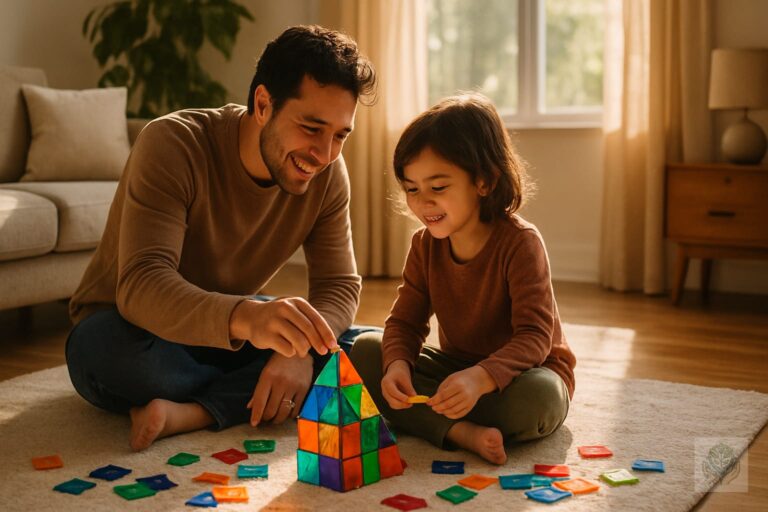
To support this growth, look for dress-up clothes, arts and crafts supplies, cooperative board games for kids, and open-ended building sets like magnetic tiles. These items encourage teamwork, negotiation, and creative problem-solving. For more inspiration, explore our guide to preschool activities for early learning.

The power of educational pretend play cannot be overstated here. When children pretend to be doctors, teachers, or superheroes, they practice empathy and learn to navigate complex social scenarios. This type of play lays the groundwork for emotional intelligence.

Toys for School-Age Children (6–8 Years): Logic and Strategy

School-age children transition into formal academic environments where logic, reading comprehension, and structured rule-following take center stage. Key developmental milestones involve advanced problem-solving, strategic thinking, and sustained attention spans.

When choosing toys by age for this bracket, focus on mental stimulation and physical endurance. Strategy board games teach patience and tactical planning. Introductory science kits foster curiosity about the natural world. Complex LEGO sets and other educational STEM toys build spatial reasoning, while active outdoor sports gear keeps growing bodies strong and healthy.

A major challenge for parents of school-age children is balancing screen time with hands-on play. Providing engaging, tactile hobbies helps pull kids away from digital devices and into active, creative pursuits.

Red Flags to Avoid When Buying Toys

Even with the best intentions, smart shopping requires vigilance. Here are critical red flags to keep in mind:

  • Ignoring manufacturer age recommendations: These guidelines are based on rigorous safety testing and developmental appropriateness, not arbitrary marketing.
  • Buying cheap plastics or toxic materials: Low-cost imported toys may contain harmful chemicals like lead or phthalates. Stick to reputable brands with transparent manufacturing practices.
  • Overlooking safety certifications: Look for stamps from recognized organizations like ASTM (American Society for Testing and Materials) or the CPSC (Consumer Product Safety Commission) to ensure compliance.

Conclusion

Mastering the art of choosing toys by age takes the guesswork out of gift-giving and parenting. By aligning your purchases with your child’s specific developmental milestones, you foster deeper engagement, learning, and joy. For a curated list of recommendations, see our age-wise guide to the best educational toys.

Remember that less is often more. Piling a playroom high with hundreds of plastic gadgets often leads to overstimulation and boredom. Rotating a smaller collection of intentional toys keeps playtime fresh and exciting while preventing toy clutter.

What is your child’s absolute favorite age-appropriate toy right now? Drop a comment below to share your ideas with fellow parents!

Frequently Asked Questions

Why is choosing toys by age important?

Choosing toys by age ensures that playthings match a child’s current developmental stage, preventing frustration from overly complex items and boredom from toys that are too simple.

What are the best toys for infants under one year old?

Infants benefit most from sensory toys such as high-contrast visual cards, soft rattles, activity gyms for tummy time, and textured teething rings that stimulate development safely.

How do toys help toddlers aged 1 to 3 years?

Toys for toddlers encourage gross motor skills, walking, and early imagination through push-pull toys, simple wooden puzzles, large building blocks, and shape sorters.

What toys support preschool development for ages 3 to 5?

Preschoolers thrive with dress-up clothes, arts and crafts supplies, cooperative board games, and open-ended building sets like magnetic tiles that foster social skills and creativity.

What should I look for when buying toys for school-age children?

For children aged 6 to 8, focus on logic and strategy with board games, introductory science kits, complex building blocks, and active outdoor sports gear.

What safety red flags should parents avoid when buying toys?

Always check manufacturer age recommendations, avoid cheap plastics with potential toxic materials, and look for official safety certifications like ASTM or CPSC.

Everything You Need to Know About Educational Pretend Play: Benefits, Ideas, and Milestones

0

Everything You Need to Know About Educational Pretend Play: Benefits, Ideas, and Milestones

Introduction: Why Imagination Matters in Early Childhood

Have you ever watched your child transform a simple cardboard box into a roaring spaceship, a cozy grocery store, or a royal castle? That magical moment of transformation is the heartbeat of childhood. When kids dive into make-believe worlds, they are doing much more than just passing the time.

Educational pretend play, often referred to as imaginative or dramatic play, is a powerhouse of early childhood development. Far from being a mere distraction, stepping into different roles and scenarios helps children process their world, build critical thinking skills, and connect with others.

Pretend play is not just fun—it is a crucial engine for cognitive, emotional, and social development. As parents, understanding the value of this play can help us step back, provide the right environment, and watch our children thrive without relying on flashcards or screens.

What Is Educational Pretend Play?

At its core, educational pretend play involves children using their imagination to act out scenarios, take on different roles, and manipulate objects symbolically. Unlike functional play, where a toy is used strictly for its intended purpose (like rolling a toy car back and forth), imaginative play breathes new life into everyday items.

As children grow, their play naturally evolves. Toddlers often start with solitary play, focusing on their own little storylines. As they approach the age for preschool activities and kindergarten, this shifts into socio-dramatic play, where they collaborate with peers, assign roles, and build complex narratives together.

The beauty of unstructured play is that it becomes a deeply educational tool naturally. Children do not need high-tech gadgets or expensive learning apps to stimulate their brains. Their own innate creativity provides all the fuel required for profound learning.

The Power of Make-Believe: 5 Key Benefits for Child Development

Why is make-believe so vital for growing minds? Research shows that children who engage regularly in role-play develop stronger cognitive and social foundations. Here are five core ways educational pretend play shapes a child’s development.

1. Cognitive Growth and Problem-Solving

When children engage in pretend play, they develop abstract thinking and symbolism. A wooden block is no longer just a block; it can become a slice of cake, a ringing telephone, or a brick in a fortress.

This type of play encourages kids to test hypotheses in a safe environment. They might ask themselves questions like, If I mix these mud pies, what happens? or How can I build a bridge high enough for the toy dinosaurs to cross? These mental gymnastics lay the groundwork for future scientific and mathematical reasoning.

2. Language and Communication Skills

Role-play is an incredible catalyst for language development. When children step into the shoes of a doctor, a cashier, or a chef, they naturally adopt role-specific vocabulary and conversational patterns.

They practice storytelling, negotiate plotlines with playmates, and learn how to express their ideas clearly. This verbal interaction expands their vocabulary far beyond everyday household chatter.

3. Social-Emotional Learning (SEL) and Empathy

Stepping into another person’s shoes is the ultimate exercise in empathy. When children play mother, teacher, or superhero, they practice looking at the world from an entirely different perspective.

Additionally, dramatic play provides a safe container for processing real-world anxieties. A child who is nervous about a upcoming doctor visit can work through those fears by playing pediatrician with a stuffed animal, regaining a sense of control.

4. Self-Regulation and Impulse Control

Believe it or not, pretend play is one of the best ways for young children to practice self-regulation. When playing a structured game of make-believe, children must stick to the established rules of the scenario.

For example, in a doctor-patient game, the child playing the patient must practice waiting patiently in the waiting room. This requires delayed gratification, impulse control, and taking turns with playmates.

5. Fine and Gross Motor Skills

Physical dexterity is constantly challenged during imaginative play. Fine motor skills improve as children button intricate costumes, hold tiny pretend utensils, string beads for royal necklaces, or carefully stack blocks.

Gross motor skills get a workout too. Active movement comes naturally when kids pretend to soar like eagles, leap across lava-filled floors, or participate in other movement activities for kids at home as pop stars.

Pretend Play Milestones: What to Expect from Toddlers to Preschoolers

Just like walking and talking, imagination develops in predictable stages. Here is what you can expect as your child grows:

  • Ages 12 to 18 months: Children begin showing imitative actions. You might catch them holding a toy phone to their ear or pretending to feed a baby doll a bottle.
  • Ages 18 to 24 months: Simple substitution emerges. A child might pick up a wooden block and use it as a phone, showing an understanding that one object can represent another.
  • Ages 2 to 3 years: Toddlers start assigning roles and engaging in parallel pretend play. They may play side-by-side with other children, each cooking in their own imaginary kitchen.
  • Ages 4 to 5+ years: Complex socio-dramatic play takes center stage. Children create elaborate plots, establish clear rules, negotiate roles, and engage in cooperative teamwork with their peers.

The Best Educational Toys for Pretend Play (Open-Ended Ideas)

When it comes to fueling the imagination, less is often more. The best toys for educational pretend play are open-ended, which is why many parents prefer Montessori learning toys because they do not have a single fixed purpose. This allows children to reinvent them day after day.

Everyday household items are often the biggest hits. Cardboard boxes, old kitchen utensils, plastic storage containers, and clean clothes from the donation bin can transform an ordinary afternoon into an extraordinary adventure.

Classic role-play toys also make fantastic investments. Consider adding items like a simple play kitchen, a child-sized doctor kit, dress-up clothes, and a sturdy dollhouse to your play space.

Building blocks, playdough, and sensory materials serve as versatile backdrops for any imaginative scenario, giving children the physical tools they need to bring their ideas to life.

How Parents Can Foster and Encourage Pretend Play

Parents play a vital role in supporting imaginative play, and sometimes the best thing you can do is simply step back. Allowing space for independent play is one of many positive parenting habits that teaches children to entertain themselves and trust their own creative instincts.

When you do want to join in, become a co-player rather than a director. Let your child lead the narrative and decide what role you will play. If they assign you the part of a sleepy puppy, embrace it fully!

Ask open-ended questions to deepen the play without taking over. Prompts like What happens next in our restaurant? or How are we going to cross this river? spark deeper thinking.

Finally, create a dedicated, low-distraction play space where toys are accessible and messes are permitted. Building a home learning resource collection in a cozy corner with a basket of props invites children to dive right into make-believe.

Conclusion: Let Them Play

Educational pretend play leaves a lifelong imprint on a child’s development. By encouraging imagination, we help our children build the cognitive flexibility, emotional resilience, and social skills they need for the future.

So, embrace the mess, put away the flashcards, and value imagination over academic drills. Give your child the time, space, and simple tools they need to dream big.

What is your child’s favorite pretend play scenario? Do they love running a pretend grocery store, or are they soaring through space as astronauts? Share your stories in the comments below, or check out our best educational toys for kids for more inspiration!

Frequently Asked Questions

What is educational pretend play?

Educational pretend play involves children using their imagination to act out scenarios, take on different roles, and manipulate objects symbolically, which helps boost cognitive and social development.

At what age do children start pretend play?

Children typically begin showing imitative actions between 12 and 18 months old, such as holding a toy phone to their ear or feeding a doll.

What are the benefits of imaginative play for toddlers?

Imaginative play enhances cognitive growth, expands vocabulary, builds empathy, improves self-regulation, and develops both fine and gross motor skills.

How can parents encourage pretend play?

Parents can foster pretend play by providing open-ended toys, allowing independent play time, acting as co-players when invited, and asking open-ended questions.

What are the best toys for educational pretend play?

The best toys are open-ended items like building blocks, play kitchens, dress-up clothes, doctor kits, and everyday household objects like cardboard boxes.

Why is pretend play important for social-emotional learning?

It allows children to step into different perspectives, practice empathy, and safely process real-world anxieties or experiences through role-playing.

Everything You Need to Know About Educational Puzzle Games for Kids

0

Everything You Need to Know About Educational Puzzle Games for Kids

Remember the quiet satisfaction of snapping that final stubborn piece into a cardboard jigsaw puzzle? Long before tablets and streaming video dominated playtime, wooden and cardboard puzzles were a staple of childhood. Today, that timeless appeal has undergone a modern evolution, blending classic tactile play with digital interactivity and dynamic STEM concepts. As parents, we often look for toys that do more than just entertain for a few minutes. We want tools that genuinely nurture our children’s growing minds.

When play meets structured learning, amazing transformations happen in a child’s brain. Far from being simple rainy-day time-killers, educational puzzle games for kids are powerful catalysts for holistic child development. They offer benefits that reach far beyond simple entertainment, shaping everything from fine motor coordination to advanced mathematical reasoning.

What Are Educational Puzzle Games?

At their core, educational puzzle games are play-based activities designed to challenge the mind while teaching specific concepts or building fundamental skills. Unlike standard toys that may encourage passive observation, puzzles require active participation. They come in many formats, ranging from traditional wooden peg puzzles and cardboard jigsaws to interactive digital puzzle apps and hybrid board games that combine physical pieces with screen-based clues.

These games differ from standard toys by intentionally targeting specific developmental domains. Whether a child is learning geometric shapes, practicing counting, or figuring out how two physical edges fit together, every movement serves a purpose. The history of puzzles in early childhood education dates back to the 1760s when mapmaker John Spilsbury mounted maps on wood and cut them into pieces to teach geography. Since then, educational theory has consistently recognized puzzle play as a cornerstone of cognitive growth.

Top Benefits of Puzzle Games for Child Development

Integrating puzzles into your child’s routine yields a wealth of developmental advantages. From the first time a toddler grasps a chunky knob to the moment an older child solves a complex spatial grid, their brains are hard at work.

Cognitive Development

Puzzles are supreme workouts for the brain. They enhance problem-solving skills as children test different hypotheses to see what works. They also build spatial awareness—the ability to visualize objects in space—along with working memory and sustained concentration.

Fine Motor Skills

Manipulating puzzle pieces requires precision. Children must practice hand-eye coordination, finger dexterity, and grip strength. These physical manipulations build the exact hand muscles needed later for writing, drawing, and using scissors.

Emotional Benefits

Puzzles teach patience and emotional resilience. Children inevitably encounter pieces that do not fit, giving them a safe space to manage frustration. Overcoming these small hurdles builds frustration tolerance and delivers a wonderful sense of accomplishment when the final picture emerges.

Social Skills

When children work on puzzles together, they practice vital communication and collaboration skills. They learn to share pieces, listen to alternative ideas, and work toward a common goal.

Types of Educational Puzzles by Age and Stage

Every developmental milestone calls for a different level of challenge. Choosing the right educational puzzle games for kids means matching the complexity of the game to your child’s current capabilities.

Toddlers (1 to 3 years)

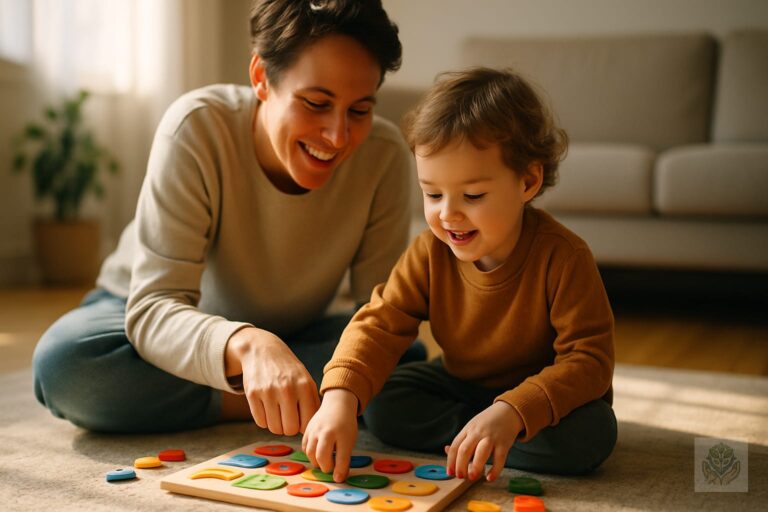
At this stage, chunky wooden knob puzzles, shape sorters, and large-piece floor puzzles work best. These toys help toddlers understand object permanence, basic shapes, and cause-and-effect relationships.

Preschoolers (3 to 5 years)

Preschoolers are ready for jigsaw puzzles ranging from 12 to 50 pieces. Alphabet and number puzzles help reinforce early literacy and numeracy, while simple tangram sets introduce basic geometry through shape manipulation.

Early Elementary (6 to 8 years)

Children in this age bracket can tackle logic grid puzzles, traditional jigsaw puzzles with 100 or more pieces, and introductory STEM puzzle games that teach basic coding concepts without screens.

Tweens (9+ years)

Older kids benefit from complex 3D mechanical puzzles, intricate spatial logic challenges, and advanced digital puzzle apps that require strategic planning and deep critical thinking.

STEM and STEAM Learning Through Puzzles

Modern educational frameworks heavily emphasize STEM and STEAM, integrating Science, Technology, Engineering, Arts, and Math. Puzzles serve as a natural bridge into these critical subjects.

Spatial puzzles lay the fundamental groundwork for mathematical thinking, fractions, and geometry. When a child rotates a piece to fit a corner, they are intuitively exploring angles and symmetry. Popular STEM puzzle genres include circuit-building puzzles that teach electrical flow, physical balancing games that explore physics concepts, and architectural building puzzles that introduce basic engineering principles.

Screen-Based vs. Traditional Physical Puzzles

In our digital age, parents often weigh the pros and cons of screen time versus tactile play. Both formats offer unique advantages for young learners.

Digital Educational Puzzle Apps

Digital educational puzzle apps provide high interactivity, portability, and adaptive difficulty levels that automatically adjust as your child improves. They often feature engaging animations and instant feedback that keep children motivated.

Traditional Physical Puzzles

On the flip side, traditional physical puzzles offer vital tactile feedback, engage multiple senses, and reduce overall screen time. They also provide wonderful opportunities for family bonding when parents and siblings sit around a table together. Finding a healthy balance between digital and tactile play ensures your child enjoys the best of both worlds.

How to Choose the Right Puzzle Game for Your Child

With countless options on store shelves and online marketplaces, selecting the best game can feel overwhelming. Start by assessing your child’s current developmental stage and personal interests. If your child is obsessed with dinosaurs, a dinosaur-themed floor puzzle will instantly capture their attention.

Keep the Goldilocks Rule in mind: look for puzzles that are challenging yet achievable. A puzzle that is too easy leads to boredom, while one that is too difficult leads to immediate meltdowns. Finally, always prioritize safety by checking for non-toxic materials, ensuring appropriate sizing to avoid choking hazards for younger kids, and verifying overall product durability.

Tips for Parents: How to Engage Kids with Puzzles

How you interact with your child during puzzle time can dramatically impact their learning experience. Here are a few practical ways to support them:

  • Co-play without taking over: Resist the urge to point out where pieces go. Instead, ask guiding questions such as, What shape do you think we need for this corner?
  • Create a dedicated puzzle space: Set up a small low table or a portable puzzle mat where a work-in-progress can sit safely undisturbed.
  • Celebrate the process: Praise your child’s persistence, strategy, and effort rather than just focusing on the completion of the final picture.

Conclusion

Educational puzzle games for kids are far more than simple pastimes. They are foundational learning tools that foster cognitive growth, fine motor control, emotional resilience, and early STEM literacy. By understanding your child’s developmental stage and providing the right balance of physical and digital challenges, you can set them up for a lifetime of joyful problem-solving. Whether you introduce a simple wooden knob puzzle to a toddler or tackle a complex 3D structure with an older child, every piece placed is a step toward building a confident, capable mind.

Frequently Asked Questions

What are educational puzzle games?

Educational puzzle games are play-based activities designed to challenge children’s minds while teaching specific concepts like shapes, numbers, and spatial reasoning.

At what age should children start playing with puzzles?

Children can start with simple wooden knob puzzles and shape sorters as early as one year old to develop motor skills and object permanence.

How do puzzles help with child development?

Puzzles enhance cognitive development, spatial awareness, fine motor coordination, problem-solving abilities, and emotional resilience through patience.

Are digital puzzle apps as good as traditional physical puzzles?

Both have benefits. Digital apps offer adaptive learning and portability, while traditional physical puzzles provide vital tactile feedback and reduce screen time.

How do I choose the right puzzle for my child?

Choose puzzles that match your child’s developmental stage and personal interests, following the Goldilocks Rule so they are challenging yet achievable.

Do puzzle games support STEM learning?

Yes, spatial and logic puzzles lay the groundwork for mathematical thinking, geometry, physics, and basic engineering principles.

Everything You Need to Know About Educational STEM Toys: The Ultimate Guide for Parents

0

Everything You Need to Know About Educational STEM Toys: The Ultimate Guide for Parents

Walk into almost any toy store today, and you will notice a massive shift. Shelves once filled strictly with passive entertainment now overflow with colorful circuit boards, magnetic building tiles, and friendly coding robots. As modern parents navigating a rapidly evolving, tech-driven world, we constantly look for ways to prepare our children for the future without sacrificing the magic of childhood. Enter educational STEM toys, the gold standard of modern purposeful play. To see how these fit into a broader development plan, explore our age-wise guide for smart learning toys.

No longer just a passing educational trend, these specialized playthings have become a childhood essential. But with so many options crowding the market, figuring out where to start can feel overwhelming. Whether you are shopping for a curious toddler or an inquisitive tween, this comprehensive guide will walk you through everything you need to know about educational STEM toys, their lifelong benefits, and how to choose the perfect options for your family.

What Are STEM Toys and Why Do They Matter?

Before diving into product roundups, let us break down the acronym. STEM stands for Science, Technology, Engineering, and Math. While these four disciplines traditionally bring to mind high school classrooms and university lecture halls, early childhood experts agree that the foundation for these complex subjects begins in the playroom.

So, how do educational STEM toys differ from traditional toys? Traditional toys often focus solely on entertainment or passive observation. In contrast, STEM toys center on active participation, problem-solving, critical thinking, and hands-on experimentation. When a child builds a tower that keeps collapsing and adjusts the base to make it sturdiest, they are not just playing—they are practicing structural engineering.

The connection between play and cognitive development is profound. Play is how children naturally test theories about the world around them. Educational STEM toys harness this natural curiosity, turning everyday playtime into a powerful engine for brain development.

Top Benefits of STEM Learning Toys for Kids

Investing in STEM learning toys offers far more than just a quiet afternoon for parents. These tools provide a rich array of developmental advantages that support a child across multiple growth stages:

  • Fosters critical thinking: Children learn to analyze problems, test hypotheses, and deduce logical solutions independently.
  • Encourages resilience: Trial-and-error is built into these toys. When something does not work, kids learn that failure is simply a step toward finding the right answer.
  • Builds academic foundations: Early exposure to math concepts, spatial reasoning, and scientific inquiry creates a comfortable, confident baseline for future academic success.
  • Improves fine motor skills: Manipulating small pieces, snapping circuits together, and balancing blocks refines hand-eye coordination and dexterity.
  • Promotes social skills: When children collaborate on a robotics kit or a large building project with peers or parents, they practice communication, teamwork, and compromise.

Best STEM Toys by Age Group: A Parent’s Checklist

Children develop rapidly during their first decade of life, and a toy that fascinates a three-year-old might bore an eight-year-old. Here is a helpful age-by-age breakdown to guide your shopping:

Toddlers (Ages 1–3)

At this stage, the focus is heavily on sensory exploration and cause-and-effect. Look for large interlocking blocks, shape sorters, nesting cups, and push-and-pull toys that demonstrate basic physical reactions. Many parents also find that Montessori learning toys complement these early developmental milestones perfectly.

Preschoolers (Ages 3–5)

Preschoolers are natural investigators. Magnetic tiles, simple gear sets, introductory science kits with magnifying glasses, and screen-free coding robots are fantastic for this age group. For more inspiration, explore our guide to preschool activities for early learning.

Early Elementary (Ages 6–8)

Kids in this bracket can follow multi-step instructions and handle more complex mechanics. Consider introductory robotics, intermediate circuit builders, LEGO Technic sets, and beginner chemistry or geology kits.

Tweens (Ages 9–12)

Tweens are ready for abstract thinking and advanced projects. Advanced coding kits, programmable drones, solar-powered engineering kits, and intricate logic games will challenge their growing minds.

How to Choose the Right STEM Toy for Your Child

With thousands of options available, selecting the right educational STEM toys comes down to a few intentional considerations:

  • Follow their interests: If your child is obsessed with dinosaurs, look for fossil excavation kits. If they love space, look for stargazing projectors or rocket-building sets. Engagement starts with passion.
  • Prioritize safety and durability: Ensure the materials are non-toxic, eco-friendly, and sturdy enough to withstand enthusiastic daily play.
  • Gauge the challenge level: The sweet spot is a toy that stretches your child’s abilities without causing frustration. If it is too easy, they will abandon it; if it is too hard, they will give up.
  • Look for open-ended play: Toys that can be built, rebuilt, and reimagined in multiple ways offer much longer play value than single-use gadgets.

Top Recommended STEM Toys on the Market

If you need quick recommendations to kickstart your collection, several tried-and-true products consistently win praise from educators, parents, and kids alike:

  • Magnetic Tiles (Magna-Tiles): Unmatched for teaching spatial reasoning, geometry, and architectural balance.
  • Coding Mice (Code & Go Robot Mouse): A brilliant, screen-free introduction to basic programming logic and sequential thinking for younger children.
  • Introductory Circuits (Snap Circuits): Allows kids to safely build working doorbells, flashing lights, and alarms while learning foundational physics.
  • STEM Subscription Boxes (KiwiCo): Delivers fresh, hands-on science and engineering projects directly to your doorstep every month, keeping curiosity continuously fueled.

Tips for Parents: How to Maximize STEM Play at Home

Buying the toy is only the first step. Building a robust home learning resource collection ensures your child always has the tools they need. How you engage with your child can dramatically amplify the educational impact:

  • Play together: Do not just hand over the box and walk away. Sit down, dive in, and ask open-ended questions like, What do you think will happen if we add another block here?
  • Embrace the mess: Science is inherently messy. Spilled water, scattered LEGO bricks, and baking soda eruptions are all signs of active, engaged learning.
  • Rotate your toys: If your child seems bored with their current collection, pack half of them away for a few months. Reintroducing them later makes old toys feel brand new, a strategy that works wonders for indoor toddler activities on rainy days.
  • Incorporate DIY projects: You do not need to spend a fortune. Cardboard boxes, plastic bottles, water, and household pantry items like vinegar and baking soda can form the basis of incredible homegrown experiments. Learn more in our guide to DIY crafts for kids.

Conclusion

Investing in educational STEM toys is much more than keeping children busy on a rainy afternoon. It is about equipping them with the mental flexibility, resilience, and curiosity they need to navigate an ever-changing world. Remember that play is the highest form of research for growing minds, and every block stacked or robot programmed is a step toward a brighter future.

What is your child’s absolute favorite STEM toy right now? Share your recommendations or questions in the comments below to help fellow parents discover new ways to make learning fun!

Frequently Asked Questions

What does STEM stand for in toys?

STEM stands for Science, Technology, Engineering, and Math. STEM toys are designed to introduce children to these core disciplines through interactive play, fostering problem-solving and critical thinking skills from an early age.

At what age should children start using STEM toys?

Children can start using age-appropriate STEM toys as toddlers. For ages 1 to 3, simple sensory toys, shape sorters, and large blocks help develop cause-and-effect understanding and fine motor skills.

How do educational STEM toys benefit children?

STEM toys foster critical thinking, encourage resilience through trial-and-error, build academic foundations in math and science, improve fine motor skills, and promote social collaboration when played with others.

Are screen-free STEM toys available?

Yes, many fantastic STEM toys are completely screen-free. Examples include magnetic building tiles, mechanical gear sets, introductory circuit builders, and screen-free coding mice that teach logic without digital devices.

How do I choose the right STEM toy for my child?

Choose a toy based on your child’s current age, developmental stage, and personal interests, such as dinosaurs or space. Ensure it offers open-ended play value, appropriate challenge levels, and strict safety standards.

How can parents encourage STEM learning at home?

Parents can participate in playtime by asking open-ended questions, embracing the mess of science experiments, rotating toy collections to maintain interest, and incorporating affordable DIY projects using household items.

Everything You Need to Know About Montessori Learning Toys: A Parent’s Guide

0

Everything You Need to Know About Montessori Learning Toys: A Parent’s Guide

Walking into a modern toy store can feel overwhelming. Bright flashing lights, loud electronic sounds, and endless plastic gadgets often dominate the aisles. Yet, many parents today are choosing a different path. They are trading flashy commercial toys for something much simpler, more intentional, and deeply rooted in child development: Montessori learning toys.

If you have wondered what makes these educational toys so special or how to incorporate them into your home, you are in the right place. This guide walks you through everything you need to know about Montessori play, helping you nurture your child’s natural love for learning.

What is the Montessori Method?

Developed by Dr. Maria Montessori in the early 20th century, the Montessori educational philosophy views children as naturally eager knowledge-seekers capable of initiating learning in a supportive, thoughtfully prepared environment. Instead of forcing children to memorize facts, the Montessori approach provides hands-on materials that allow kids to discover concepts independently through trial, error, and exploration.

At the heart of this philosophy is respect for the child’s individual developmental timeline. Children are given the freedom to choose their activities, work at their own pace, and immerse themselves in deep, uninterrupted concentration. The adult acts not as a strict instructor, but as a gentle guide who prepares the environment and steps back to let the child explore, a principle shared by many positive parenting habits.

Why Montessori Toys Are Gaining Popularity Among Modern Parents

In a world saturated with digital screens and overstimulating entertainment, modern parents are increasingly searching for ways to slow down. Montessori learning toys offer a refreshing antidote to consumerism and screen time. They encourage active engagement rather than passive observation.

Parents love these toys because they promote calm, purposeful play. Instead of a toy doing all the work—like singing a song or lighting up automatically—a Montessori toy requires the child to think, manipulate, and problem-solve. This style of play respects the child’s capability and builds lasting confidence.

What Makes a Toy ‘Montessori’?

Not every wooden toy on the market qualifies as a Montessori material. True Montessori toys share specific characteristics designed to align with how children naturally learn and process the world around them.

Key Principles of Montessori Play

Montessori toys are rooted in reality rather than fantasy. While talking animals and magical creatures have their place in storytelling, young children are primarily trying to make sense of the real physical world. Therefore, Montessori toys reflect real-world mechanics, nature, and practical life skills.

Another crucial principle is isolation of difficulty. A good Montessori toy focuses on teaching one specific skill at a time. For example, a shape-sorter might focus strictly on circles and squares rather than mixing shapes, colors, and textures all at once. This prevents cognitive overload and allows the child to master a single concept successfully.

Natural Materials vs. Plastic

You will notice that most Montessori learning toys are crafted from natural materials such as wood, metal, cotton, wool, and glass. Natural materials offer rich sensory experiences, similar to the benefits of texture coloring activities for toddlers. They have weight, unique textures, natural warmth, and subtle scents that synthetic plastics simply cannot replicate.

Furthermore, wooden and metal toys are durable enough to be passed down through generations. They age gracefully, developing character over time, which subtly teaches children to value and care for their belongings.

The Concept of ‘Control of Error’

One of the most brilliant aspects of Montessori design is the built-in control of error. This means the toy itself shows the child whether they are using it correctly, without needing an adult to correct them. If a puzzle piece does not fit into a slot, the child instantly sees and feels that it is wrong, prompting them to try another approach.

This self-correcting feature removes the fear of failure. Children learn to view mistakes as natural steps in the learning process rather than reasons to feel discouraged.

The Core Benefits of Montessori Learning Toys

Integrating Montessori learning toys into your child’s daily routine yields remarkable benefits that extend far beyond early childhood.

Fostering Independent Problem Solving

Because Montessori toys feature built-in controls of error, children learn to troubleshoot independently. When a toddler figures out how to stack rings in the correct size order without adult intervention, they experience a powerful surge of self-reliance. This independence lays a strong foundation for critical thinking later in life.

Encouraging Deep Concentration and Focus

Busy, flashing toys often create short attention spans by constantly demanding a child’s attention. In contrast, simple wooden toys invite deep, sustained focus. When a child engages in purposeful work, they enter a state of deep concentration, which scientists refer to as flow.

Developing Fine Motor Skills and Hand-Eye Coordination

Many Montessori toys require precise physical manipulation. Threading beads, using tongs, fitting pegs into holes, and turning wooden screws all require refined hand-eye coordination and strengthen the small muscles in a child’s hands, fingers, and wrists.

Promoting Open-Ended Creativity

Montessori toys are intentionally open-ended. A set of simple wooden blocks can become a bridge, a castle, a train track, or a mountain depending on the day’s imagination. This versatility keeps play fresh and encourages boundless creative thinking.

Montessori Toys by Developmental Stage

Children’s developmental needs change rapidly during their first six years. Here is a guide to selecting appropriate toys for each stage.

Infants (0-12 Months): Mobiles, Rattle Toys, and Grasping Objects

For newborns and young infants, visual and tactile stimulation is key. High-contrast visual mobiles hang above the changing table to help develop visual tracking. As babies grow, lightweight wooden rattles and grasping cylinders help them practice intentional reaching, grasping, and transferring objects from hand to hand.

Toddlers (1-3 Years): Object Permanence Boxes, Puzzles, and Pouring Sets

Toddlers are fascinated by how things work and how their bodies interact with the environment. Object permanence boxes help them understand that hidden items still exist. Simple knobbed puzzles, stacking cylinders, and child-sized pouring sets involving water or dry grains satisfy their endless desire to practice practical life tasks.

Preschoolers (3-6 Years): Counting Beads, Practical Life Materials, and Letter Boards

Preschool-aged children are ready for more abstract concepts. Mathematical bead bars, sandpaper letters for tactile alphabet learning, and real-life sewing or gardening kits allow them to refine academic skills while building profound life competence. You can also explore our preschool activities for early learning guide.

How to Choose the Right Montessori Toys for Your Child

Curating a thoughtful play space does not require buying every expensive educational toy on the market. Follow these simple guidelines to make wise choices.

Following the Child’s Interests

Observe your child closely. Are they fascinated by animals, obsessed with dropping things, or currently trying to master buttons and zippers? Choose toys that align with their current developmental sensitivities rather than buying items based purely on age recommendations.

Quality Over Quantity: Curating a Minimalist Play Space

A cluttered toy room often leads to overwhelmed children who flit quickly from one toy to the next without truly engaging. Practice toy rotation by keeping only six to eight toys accessible at any given time, which is helpful when organizing indoor toddler activities. Store the rest away and swap them out every few weeks to make old toys feel brand new.

Red Flags: What to Avoid When Buying Montessori-Style Toys

Be cautious of marketing gimmicks. If a toy requires batteries, makes electronic sounds, or does all the playing for the child, it is not aligned with Montessori principles. Also avoid toys with overly fragile parts or toxic finishes.

Top DIY and Budget-Friendly Montessori Toy Ideas

You do not need a massive budget to embrace Montessori principles at home. Many everyday household items serve as exceptional sensory and learning tools, much like the projects found in our guide to DIY crafts for kids.

Using Household Items for Sensory Play

A muffin tin paired with a metal spoon and a few dried beans provides hours of fine motor sorting practice. Plastic bowls, measuring cups, and sponges used during bath time teach volume, weight, and cause-and-effect. Colanders with pipe cleaners inserted through the holes make fantastic DIY fine-motor toys.

Rotating Toys to Keep Play Fresh and Engaging

Toy rotation is completely free and yields incredible results. By placing a portion of your child’s toys out of sight in a closet and bringing them back out a month later, you spark renewed curiosity without spending a single penny.

Conclusion

Embracing Montessori learning toys is about much more than just decluttering your living room or buying wooden playthings. It is an intentional shift toward respecting your child as an independent, capable learner who thrives in a calm, purposeful environment.

Remember that your presence, patience, and willingness to step back and let your child explore are far more valuable than any toy you can purchase. Enjoy this wonderful journey of watching your child discover the world on their own terms.

Frequently Asked Questions

What are Montessori learning toys?

Montessori learning toys are intentional, hands-on educational playthings typically made from natural materials. They are designed to teach a single concept at a time, encouraging independent problem-solving and deep concentration.

Are Montessori toys always made of wood?

While many Montessori toys are crafted from wood, metal, cotton, or glass to provide rich sensory experiences, the material alone does not define them. The core principle is purposeful, reality-based play without electronic distractions.

How do Montessori toys help with child development?

They foster fine motor skills, hand-eye coordination, and critical thinking. Because they feature built-in controls of error, children learn to correct their own mistakes, building resilience and lasting self-confidence.

At what age can children start using Montessori toys?

Children can use Montessori-inspired items from birth. Infants benefit from high-contrast visual mobiles and simple grasping rattles, while older toddlers and preschoolers use object permanence boxes, puzzles, and practical life materials.

How do I choose the right Montessori toys for my child?

Observe your child’s current interests and developmental stage rather than relying strictly on age labels. Choose open-ended toys that promote active engagement rather than passive observation.

Can I use household items as Montessori toys?

Yes! Everyday objects like metal spoons, muffin tins, measuring cups, and colanders make fantastic, budget-friendly tools for sensory exploration and fine motor skill practice.

15 Fun Family Water Play Activities for Epic Summer Weekends

0

15 Fun Family Water Play Activities for Epic Summer Weekends

Beat the Heat: Why Water Play is the Ultimate Summer Weekend Activity

Ah, summer weekends! They bring long-awaited sunshine, lazy mornings, and the universal parental challenge of keeping energetic kids entertained from dawn until dusk. When the temperature climbs into the nineties, finding ways to keep everyone cool without spending a fortune can feel like a part-time job. That is where creative water play comes to the rescue, turning an ordinary backyard into an epic summer weekend destination.

Beyond natural cooling, water play offers incredible developmental benefits for children. It supports sensory development, builds fine and gross motor skills, and encourages active physical movement. Whether you are searching for toddler water play ideas or high-energy backyard water games for older siblings, splashing around is a surefire way to spark joy and cure boredom.

In this guide, you will discover low-prep, backyard-friendly, and all-ages fun that requires zero expensive pool memberships. Grab your swimsuits, fill up the buckets, and let us dive into the best water play activities for your family.

Simple & Splashy: Easy Water Activities for Toddlers and Preschoolers

Little ones do not need elaborate setups to have a blast. In fact, simple toddler water play ideas often capture their attention the longest while keeping cleanup manageable for parents.

Sponge Sorting Station

Fill a couple of shallow plastic bins with water and add a few drops of washable food coloring. Provide a pile of multi-colored kitchen sponges and encourage your toddler to match the sponge color to the corresponding bin by squeezing and soaking.

Ice Cube Rescue

Freeze small plastic toys inside a large block of ice overnight. Dump the ice block into a sensory tub or kiddie pool, and give your kids squeeze droppers filled with warm water to melt the ice and “rescue” their trapped toys.

Baby Car Wash

Line up muddy plastic toy cars, trucks, and tricycles on the patio. Set up a washing station with warm soapy water in one bucket, a rinsing bucket, and a few soft scrub brushes or old toothbrushes for endless splashing fun.

High-Energy Backyard Water Games for the Whole Family

When you need to burn off some serious sibling energy, it is time to step things up with action-packed outdoor games that get everyone moving and laughing.

DIY Slip ‘N Slide

Create an affordable backyard slide using a thick roll of heavy-duty plastic sheeting staked securely into the grass. Spray it down with a garden hose and add a squirt of tear-free baby shampoo to make it extra slick for afternoon sliding.

Water Balloon Piñata

Fill several balloons with water and hang them safely from a sturdy tree branch using string. Let children take turns gently tapping them with a whiffle bat until they burst, providing a refreshing splash of cool water on a hot afternoon.

Drip, Drip, Drop

Put a fun twist on the classic game of Duck, Duck, Goose. Instead of a gentle tap on the head, children walk in a circle carrying a cup of water, dripping a small amount onto the “goose” before a thrilling race back to the open spot.

No Pool? No Problem! Creative DIY Water Features

You do not need a permanent swimming pool to enjoy epic water play. These DIY water features bring maximum entertainment with minimal setup hassle.

PVC Pipe Water Wall

Construct a reusable, interactive water wall by attaching funnels, pool noodles, and cut PVC pipes to a vertical pallet using zip ties. Kids can pour water into the top and watch the fascinating maze it creates as it cascades down.

The Ultimate Sponge Bomb Battle

Cut ordinary kitchen sponges into strips, tie them tightly in the middle with heavy-duty string, and watch them fluff into reusable sponge balls. Soak them in a bucket of water for an eco-friendly, endlessly renewable alternative to traditional water balloons.

Sidewalk Chalk Painting with Water

Combine fine art with backyard cooling by letting children color masterpieces on the driveway with sidewalk chalk. Afterward, give them paintbrushes and buckets of water to “paint” over the chalk, watching the colors blur and brighten instantly.

Splash and Learn: STEM Water Activities

Water play is a fantastic gateway to early science, technology, engineering, and math concepts. Turn your backyard into an outdoor laboratory with these engaging STEM challenges.

Sink or Float Challenge

Gather various household items like wooden blocks, plastic spoons, stones, and corks. Before dropping them into a kiddie pool, ask your kids to predict whether each item will sink or float to introduce basic physics concepts.

Water Obstacle Course

Set up a backyard agility course using hula hoops, cones, and lawn sprinklers. Time family members as they hop, weave, and dash through the spray for an active workout.

Painting with Water

Perfect for toddlers and preschoolers, this zero-mess activity lets children paint wooden fences, brick walls, or patio stones with broad paintbrushes and cups of water, watching the designs evaporate magically in the sun.

Safety First: Essential Tips for Weekend Water Play

While summer weekend water play is all about fun, safety remains the absolute top priority for parents. Keeping these essential guidelines in mind ensures a worry-free afternoon.

Active Supervision

Always maintain close, undistracted adult supervision whenever children are near any body of water, including inflatable pools, buckets, and sensory bins. Never leave young children unattended, even for a moment.

Sun Protection

Apply broad-spectrum sunscreen with an SPF of 30 or higher at least thirty minutes before heading outside, and remember to reapply every two hours or immediately after vigorous water splashing.

Stay Hydrated

Outdoor summer heat drains energy quickly. Keep a cooler filled with cold water nearby and set mandatory water break timers for both kids and parents throughout the day.

Make a Splash This Weekend

Summer weekends fly by quickly, but the memories you create together last a lifetime. Incorporating simple water play activities into your routine is an effortless way to keep everyone cool, connected, and endlessly entertained without breaking the bank or over-planning your schedule.

Which of these fun family water play activities is your household going to try first this weekend? Let us know in the comments below!

Frequently Asked Questions

What are some easy water activities for toddlers?

Simple toddler water activities include sponge sorting stations, ice cube rescue sensory tubs, and baby car wash setups using toy vehicles and plastic buckets.

How can I make a DIY slip and slide at home?

You can create a budget-friendly DIY slip and slide by using a thick roll of heavy-duty plastic sheeting staked securely into the grass, sprayed down with a hose and a squirt of baby shampoo.

What are eco-friendly alternatives to water balloons?

Sponge bombs made by tying ordinary kitchen sponge strips together with string are a fantastic, endlessly reusable, and eco-friendly alternative to traditional water balloons.

How do you set up a sink or float STEM water challenge?

Gather household items like wooden blocks, plastic spoons, and stones. Have kids predict whether each item will sink or float before dropping them into a kiddie pool.

What are essential safety tips for backyard water play?

Always maintain active, undistracted adult supervision, apply broad-spectrum sunscreen with SPF 30 or higher, and ensure everyone stays well-hydrated with frequent water breaks.

Do I need a pool for backyard water games?

No pool is needed! You can create fun DIY water features like PVC pipe water walls, sprinkler obstacle courses, and sidewalk chalk painting stations.

15 Easy Movement Activities for Kids at Home to Burn Energy

0

15 Easy Movement Activities for Kids at Home to Burn Energy

Introduction

Every parent knows the distinct sound of restless feet pacing the hallway on a rainy afternoon. When the weather keeps you indoors, or your afternoon schedule stretches on endlessly, the struggle against indoor energy and screen time begins. Children naturally possess an abundance of vitality, and when they cannot venture outside, that energy often turns into bouncing off the couch, sibling squabbles, and general chaos. Finding practical ways to channel that restlessness is a universal parenting challenge.

Why daily movement is crucial for child development goes far beyond simply wearing children out for a smoother bedtime routine. Physical activity fuels brain development, strengthens growing muscles, and helps children regulate their emotions. When you incorporate structured movement throughout your day, you provide a healthy outlet for stress while fostering lifelong healthy habits. Let us explore why these physical breaks matter so much and how you can implement them effortlessly.

Why Kids Need Movement Breaks Indoors

Benefits of gross motor play for focus and mood are profound and well-documented by pediatric experts. When children engage large muscle groups through jumping, running, and stretching, they release physical tension and stimulate the vestibular system. This sensory input actually helps the brain organize and process information more effectively. If your child struggles to sit still during homework or virtual learning, a quick physical reset can dramatically improve their concentration and emotional regulation.

How much physical activity do kids really need daily? According to health guidelines, children between the ages of three and five need physical activity throughout the day, while children aged six to seventeen require at least sixty minutes of moderate-to-vigorous activity daily. Breaking this requirement into manageable chunks makes it entirely achievable, even within the confines of a living room. Integrating quick movement sessions throughout your morning and afternoon keeps little bodies moving toward these essential health goals.

Quick & Easy Movement Activities with No Equipment

Animal Walks

Bear crawls, crab walks, and frog jumps offer an incredible workout disguised as imaginative play. Have your child crawl like a ferocious bear across the rug, scuttle sideways like a crab, or leap high into the air like an enthusiastic frog. These movements build core stability, shoulder strength, and coordination while keeping giggles flowing.

Floor is Lava

Building coordination using couch cushions transforms your living room furniture into a thrilling adventure course. Encourage your children to step, balance, and jump from cushion to cushion without touching the floor. This classic game naturally develops spatial awareness, balance, and strategic thinking as they plan their next safe landing spot.

Freeze Dance

A classic way to practice impulse control, freeze dance requires nothing more than your smartphone and a favorite playlist. Crank up upbeat music and let your children dance wildly around the room. When you abruptly pause the music, they must freeze instantly in whatever silly pose they happen to be in, which wonderfully sharpens listening skills and self-control.

High-Energy Games to Burn Serious Indoor Energy

Indoor Obstacle Course

Using pillows, tape, and chairs, you can construct a dynamic race track right down your hallway. Lay down strips of painter’s tape for a balance beam, set up chairs to crawl underneath, and arrange pillows to jump over. This setup provides a fantastic cardiovascular workout and burns off serious steam on days when going outside is simply not an option.

Balloon Tennis

Keeping the balloon off the floor safely is an addictive game that works surprisingly well indoors without breaking lamps. Give each child a paper plate taped to a wooden spoon as a racket, and challenge them to keep a blown-up balloon in the air. It sharpens hand-eye coordination and fine motor control in a completely safe, low-stress environment.

Paper Plate Skating

Sliding across carpeted floors using ordinary paper plates under their feet lets children glide like ice skaters indoors. Watch as they slide back and forth across the room, building leg strength and balance while having an absolute blast. It is a delightfully simple hack that feels entirely novel to young children.

Calming Movement Activities (Perfect for Wind-Down Time)

Animal Yoga Poses

Stretching and deep breathing help transition active bodies into a more relaxed state before naptime or bedtime. Guide your children into downward-facing dog, cat-cow stretches, or a balancing tree pose while taking slow, deep breaths. This mindful movement calms the nervous system and encourages body awareness.

Wheelbarrow Walks

Building upper body strength has never been more fun than when paired with a trusted partner. Hold your child’s ankles while they walk forward on their hands across the carpet. This heavy-work activity provides wonderful proprioceptive input that naturally calms and centers children who feel overstimulated.

Slow-Motion Race

Moving like molasses across the room challenges children to test their physical limits in reverse. Instruct them to race from the couch to the doorway in super-slow motion, requiring intense concentration and muscle control. It paradoxically exhausts their focus and energy while maintaining a wonderfully quiet environment.

Tips for Success: Keeping Indoor Play Safe and Fun

Creating Safe Zones

Creating safe zones and clearing hazards is the most important step before launching into any active indoor play session. Move sharp-edged furniture out of the way, roll up loose area rugs that might cause slipping, and establish clear boundaries about which rooms are off-limits for running. Taking these precautions lets you relax and enjoy the play.

Involving Yourself

Involving yourself to boost engagement makes a world of difference in how long children stay interested. When you drop down to crawl like a bear or join in the freeze dance circle, your enthusiasm signals that physical activity is a fun, shared family value. Your participation turns a simple activity into a cherished family bonding memory.

Conclusion

Recap of favorite quick movement ideas shows that you do not need an expensive gym membership or elaborate gear to keep your children active. From animal walks and obstacle courses to calming yoga poses, these fifteen easy movement activities for kids at home offer the perfect balance of fun, fitness, and focus. You now have a fantastic toolkit ready for the next rainy day or afternoon slump.

Call to action: Share your favorite indoor game in the comments below! We would love to hear what creative ways your family uses to burn off energy indoors.

Frequently Asked Questions

Why are indoor movement breaks important for kids?

Movement breaks help children release physical tension, stimulate the vestibular system, improve concentration, and enhance emotional regulation during learning or rainy days.

How much physical activity do kids need daily?

Children aged three to five need physical activity throughout the day, while kids aged six to seventeen require at least sixty minutes of moderate-to-vigorous activity daily.

What are some no-equipment movement activities for indoors?

Great no-equipment options include animal walks like bear crawls and frog jumps, the floor is lava game, and freeze dance.

How can I set up an indoor obstacle course safely?

Clear sharp furniture and loose rugs, use painter’s tape for balance beams, set up chairs to crawl under, and arrange pillows to jump over within a designated safe zone.

What activities help calm kids down before bedtime?

Animal yoga poses, wheelbarrow walks, and slow-motion races are excellent ways to stretch, breathe, and help transition active bodies into a relaxed state.

How can parents encourage kids to participate in indoor play?

Involving yourself in the games, such as crawling like a bear or joining a freeze dance circle, shows enthusiasm and turns activity into a fun family value.

How Parents Can Encourage Independent Hygiene Habits: A Step-by-Step Guide

0

How Parents Can Encourage Independent Hygiene Habits: A Step-by-Step Guide

Introduction

If you have ever spent twenty minutes arguing about why teeth brushing is mandatory, you know the daily struggle of the daily hygiene battle. Parenting brings many joys, but negotiating handwashing, hair brushing, and bath time can quickly drain your patience. Learn more in our guide on how to teach children good hygiene habits. We often find ourselves standing over our children, micromanaging every single swipe of the toothbrush or squirt of soap.

However, why early independence matters for child development goes far beyond saving your sanity. When children take ownership of their personal care, they build self-esteem, fine motor skills, and lifelong healthy habits. Developing these skills early empowers kids to feel capable and confident in their own bodies.

What to expect in this guide is a realistic, compassionate roadmap designed to take you from constant nag to supportive coach. We will explore age-appropriate milestones, environmental tweaks, playful routines, and troubleshooting strategies to make independent hygiene habits a natural part of your family life.

Understanding Hygiene Milestones by Age

Children develop at their own pace, but understanding typical developmental milestones helps set realistic expectations. Trying to force a toddler to brush independently is just as counterproductive as micromanaging a ten-year-old.

Toddlers (Ages 1-3): Participating with supervision

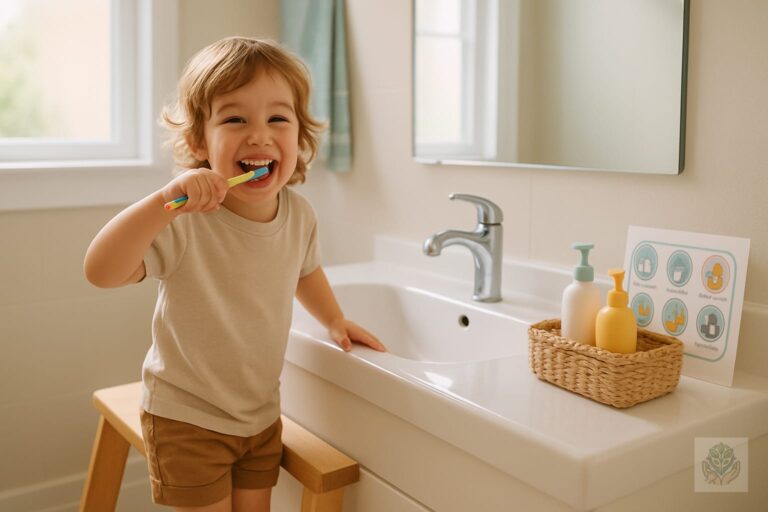
At this stage, toddlers are eager to copy everything you do. Independent hygiene habits start with participation rather than total autonomy. Let your toddler hold the toothbrush while you guide it, or let them splash water on their hands. Your primary goal is making hygiene a normal, positive part of the daily routine for kids.

Preschoolers (Ages 4-5): Learning routines and basic steps

Preschoolers can handle multi-step processes with gentle guidance. They can typically wash their hands with soap, brush their teeth with a pea-sized amount of toothpaste (though they still need a parent to follow up and clean missed spots), and wipe themselves after using the toilet with occasional assistance.

School-Age (Ages 6+): Mastering autonomy and consistency

By school age, children have the fine motor skills and cognitive ability to manage most of their hygiene independently. They can shower, brush, and groom with minimal supervision. At this stage, your role shifts from hands-on helper to gentle reminder.

Step 1: Make the Bathroom and Sink Accessible

Adult-sized bathrooms can feel hostile and intimidating to little bodies. If a child cannot reach the sink or pull a heavy drawer open, true independence becomes nearly impossible.

Using sturdy step stools and faucet extenders

Invest in a wide, non-slip step stool that allows your child to stand comfortably at the sink without wobbling. Faucet extenders are another inexpensive game-changer. They bridge the gap between the faucet and the edge of the sink, helping toddlers reach the running water easily.

Organizing child-friendly toiletries at eye level

Store your child’s toothbrush, toothpaste, and hairbrush on a low shelf or in a dedicated basket where they can grab them independently. When children can access their own supplies, they feel a genuine sense of ownership over their routine.

Creating a designated, easy-to-reach towel hook

High towel bars are notoriously difficult for kids to use. Hang a low command hook or a suction-cup hook right at your child’s eye level. This simple adjustment ensures they can actually hang up their towel instead of leaving it in a soggy heap on the floor.

Step 2: Turn Routines into Fun Games

Chores feel like work, but play feels natural. Infusing fun into personal care is one of the most effective ways to encourage independent hygiene habits without hearing complaints.

Using brushing timer apps and songs

Two minutes can feel like an eternity to a child brushing their teeth. Use fun two-minute brushing songs, interactive brushing apps, or sand timers to keep them engaged until the time is up.

Creating playful handwashing rituals

Singing a favorite song while scrubbing with soap ensures they wash long enough to kill germs. Turn handwashing into a concert by singing the alphabet or making up silly bubble-popping games.

Bath time toys and sensory-friendly soaps

Bath time resistance often stems from boredom or discomfort. Introduce floating toys, cups for pouring, or colorful, gently scented, hypoallergenic soaps to make evening cleanup a relaxing reward rather than a battle. For those with younger babies, check out our ultimate guide to baby bath time.

Step 3: Use Visual Aids and Checklists

Children thrive on predictability and visual cues. When you are the one constantly barking orders, your child learns to wait for your directions rather than thinking for themselves.

Designing a step-by-step bathroom routine chart

Break down morning and evening routines into simple picture icons. Show a picture of a toilet, followed by handwashing, teeth brushing, and hair combing.

Laminating a morning and bedtime hygiene checklist

Laminate the chart so your child can use a dry-erase marker to check off each box as they complete it. This shifts your role from nagging boss to helpful cheerleader.

The power of sticker charts and positive reinforcement

For younger children, a sticker chart can work wonders. Celebrate consistent effort with enthusiastic verbal praise and small milestones rather than material bribes, reinforcing the internal satisfaction of taking care of their bodies.

Step 4: Step Back and Allow for Imperfection

Perfection is the enemy of progress. If you swoop in to fix every crookedly combed patch of hair or slightly messy handwash, your child will quickly learn to let you do it all.

The importance of letting kids try it themselves first

Give your child space to practice. If they put their shirt on backwards or miss a tiny spot on their hands, take a deep breath and let it go. Mastery takes repetition.

How to handle gentle corrections without nagging

Instead of criticizing, ask guiding questions. Try saying, Let us check the mirror together to see if our teeth are sparkling! This invites self-assessment rather than defensiveness.

Building confidence through small wins

Every time a child completes a hygiene task unassisted, their confidence grows. Acknowledge these small victories to motivate them toward greater autonomy, reinforcing 7 positive parenting habits for raising confident and caring kids.

Troubleshooting Common Hygiene Resistance

Every parent hits roadblocks. Understanding how to navigate resistance keeps your sanity intact and your child moving forward. This process is a key part of managing everyday behavior challenges in kids.

What to do when your child hates hair washing or teeth brushing

For hair washing, try a rinser cup with a soft silicone edge to keep water out of their eyes, or let them hold a dry washcloth over their face. For brushing battles, switch to an electric toothbrush with a fun character or let them choose a mild-flavored toothpaste.

Handling sensory sensitivities to textures and smells requires patience. Some children genuinely struggle with the texture of toothpaste foam or the sound of the electric toothbrush. Opt for unflavored, non-foaming toothpastes or soft manual brushes, and introduce new sensory experiences gradually.

Consistency versus perfection means knowing when to step in and help. If your child is exhausted or running a fever, step in and handle their hygiene routine for them. If resistance turns into an emotional outburst, learn how to handle child tantrums without shouting. Independence is a marathon, not a sprint.

Conclusion

Learning to encourage independent hygiene habits is a gradual journey that requires patience, consistency, and a lot of grace. By transforming your bathroom space, introducing playful routines, and utilizing visual checklists, you empower your child with lifelong skills.

Remember that every small step forward is a victory for your child’s developing autonomy. Celebrate the messy teeth-brushing sessions and the slightly damp bathroom floors, because they are stepping stones toward self-reliance.

What is your best tip for surviving the daily hygiene routine? Drop a comment below or share your favorite trick with our parenting community!

Frequently Asked Questions

At what age should children start practicing independent hygiene habits?

Children can start participating in basic hygiene through playful imitation as toddlers around ages one to three. By preschool age, they can handle multi-step routines with supervision, and school-age children can typically manage most tasks independently.

How can I make the bathroom more accessible for my toddler?

You can make the bathroom accessible by using a wide, non-slip step stool, installing a faucet extenders to help them reach running water, placing toiletries at eye level, and hanging a low towel hook.

What is the best way to stop daily battles over teeth brushing?

To reduce brushing battles, try using two-minute timer apps, fun songs, or electric toothbrushes featuring favorite characters. Allowing children to choose a mild-flavored toothpaste can also make the experience more enjoyable.

How do visual checklists help with hygiene routines?

Visual charts break down morning and evening routines into simple picture icons, helping kids remember each step without constant parental reminders. Laminating the chart allows children to check off tasks using a dry-erase marker.

How should I handle sensory sensitivities to toothpaste or hair washing?

For sensory sensitivities, try unflavored or non-foaming toothpastes and soft manual brushes. For hair washing, use a rinser cup with a soft silicone edge to keep water out of their eyes, or let them hold a dry washcloth over their face.

Should I correct my child if their hygiene routine is messy?

Perfection is not the goal when building independence. Allow your child to try things themselves first and use gentle, guiding questions rather than criticism to help them self-assess their routine.

How to Help a Child Who Fights Bedtime: A Stress-Free Expert Guide

0

How to Help a Child Who Fights Bedtime: A Stress-Free Expert Guide

Introduction

The house is finally quiet, dinner is cleared away, and you are looking forward to a moment of relaxation. But then, the nightly routine begins. Instead of cozy cuddles and peaceful drifting off, you find yourself facing stalling tactics, tears, and outright rebellion. If you are wondering how to help a child who fights bedtime, you are far from alone. Countless parents experience this exhausting evening ritual.

Bedtime often becomes a battleground because the transition from a busy day to sleep is genuinely difficult for young minds and bodies. Children lack the emotional regulation to easily wind down on command, especially when they feel like they are missing out on the fun. Understanding the root causes of this resistance is the first step toward transforming your evenings.

In this comprehensive guide, we will explore the developmental reasons behind bedtime resistance, practical steps to revamp your routine, and gentle scripts to help you hold loving boundaries. By the end, you will have a clear, stress-free roadmap to bring peace back to your home.

Why Do Children Fight Bedtime?

Before you can fix the problem, you have to understand it. When a child resists sleep, they are rarely just being defiant for the sake of it. Behavior is a form of communication.

Separation anxiety and FOMO (Fear Of Missing Out)

To a young child, going to sleep means separating from their favorite people: you. As day turns to night, separation anxiety can spike. Furthermore, older toddlers and preschoolers often experience a severe case of FOMO. They see the lights on, hear sounds downstairs, and genuinely believe they are missing out on something exciting.

Overtiredness vs. undertiredness

It sounds counterintuitive, but an overtired child is often the hardest one to put to sleep. When the body becomes overtired, it floods with cortisol and adrenaline, giving your child a second wind that mimics hyperactivity. Conversely, if your child’s schedule lacks enough physical activity or wake time, they simply will not have enough sleep pressure built up to doze off easily.

Lack of control and the need for autonomy

Children spend all day being told what to do, what to eat, and where to go. Bedtime is often the ultimate arena where they realize they can assert their independence. Saying no to sleep is one of the few ways they can control their immediate environment.

Sensory overload from the day

Modern childhood is full of sensory inputs, from bustling classrooms to glowing screens. When children hit the evening hours, their nervous systems may be overstimulated. Without a proper decompression period, their bodies struggle to shift into a restful state.

Decoding Common Bedtime Stalling Tactics

Every parent knows the classic hits: asking for a glass of water, remembering a crucial school project at 8:00 PM, or needing one final, existential conversation about the universe. These stalling tactics are designed to buy time and keep you engaged.

The endless requests for water, bathroom trips, and one more hug

Stalling is a clever coping mechanism. When you walk back into the room with that extra glass of water, your child wins another ten minutes of your attention. While some requests are genuine, most are simply roadblocks placed on the path to dreamland.

How to respond calmly without falling into the negotiation trap

The secret weapon against stalling is anticipation and connection. Meet their legitimate needs before lights-out. Offer a water cup at the start of the routine and make bathroom trips mandatory steps. Once the final hug is given, shift into a calm, repetitive script. Let your child know you love them, but do not engage in lengthy debates or negotiations.

Step-by-Step: How to Fix Bedtime Resistance

Implementing a structured, loving approach will guide your family toward smoother nights. Here is how to help a child who fights bedtime using proven developmental strategies.

Step 1: Audit and adjust wake windows and nap schedules

Take a hard look at your daily schedule. Are naps too late in the afternoon? Is your child waking up too early or staying awake too long before bed? Aligning their schedule with their biological sleep needs reduces bedtime cortisol spikes.

Step 2: Create a predictable, calming bedtime routine

Consistency is your best friend. Create a predictable 30-to-45-minute routine that signals to the brain it is time to rest. A sample sequence might include a warm bath, putting on pajamas, brushing teeth, reading two books, and a final lullaby or cuddle.

Step 3: Offer limited, empowered choices to give them control

Combat their need for autonomy by giving them healthy choices within boundaries. Instead of asking if they are ready for bed, ask: Do you want to wear the blue pajamas or the red ones? Which book should we read first? This gives them the power they crave without derailing the process.

Step 4: Implement a ‘Bedtime Pass’ system for older kids

For children ages four and up, a Bedtime Pass works wonders. Give your child one physical card at the start of the night. They can use this pass to get out of bed for one specific reason, such as one more hug or a quick sip of water. Once the pass is used, it is gone until morning. This honors their desire for control while setting a firm boundary.

Optimizing the Sleep Environment

Sometimes the obstacle isn’t behavioral; it is environmental. Making a few tweaks to the bedroom can dramatically improve sleep onset.

Lighting and blackout curtains

Light exposure suppresses melatonin production, the hormone responsible for sleep. Invest in high-quality blackout curtains to keep streetlights and early morning sun out of the bedroom, creating a cave-like atmosphere ideal for rest.

White noise machines and calming sounds

Household noises like footsteps, television, or traffic can easily rouse a light sleeper. A continuous white noise machine masks sudden disruptions, helping your child stay asleep through sleep cycle transitions.

Temperature control for better sleep quality

The ideal bedroom temperature for children is slightly cool, typically between 65 and 68 degrees Fahrenheit (18 to 20 degrees Celsius). Overheating can cause restlessness and frequent night wakings.

Gentle Parenting Scripts for Bedtime Resistance

Knowing what to say in the heat of the moment keeps you grounded and empathetic. Here are a few scripts you can use when resistance peaks.

What to say when your child says ‘I’m not tired’

Validate their feeling while holding the boundary. Try saying: Your body might feel like it wants to play, but your brain and muscles need rest to grow big and strong. It is time for sleep now.

Handling tears and tantrums at lights-out

Tears are a healthy release of accumulated daytime stress. Stay present, offer a soothing touch, and use a calm voice. You can say: I see that you are upset, and it is hard to say goodnight. I am right here keeping you safe.

Holding loving boundaries with consistency

Children test boundaries to see if they hold firm. When you remain calm, loving, and consistent night after night, your child learns that the boundary is immovable, which ultimately brings them a deep sense of security.

When to Seek Professional Help

Most bedtime battles resolve with consistency and schedule adjustments. However, certain signs warrant professional evaluation.

Signs of underlying sleep disorders or anxiety

If your child consistently snores loudly, gasps for air during sleep, experiences severe night terrors, or shows extreme, debilitating anxiety around separation, it is time to look deeper.

Consulting a pediatrician or pediatric sleep consultant

Your pediatrician can rule out medical issues such as sleep apnea, restless legs syndrome, or chronic allergies. If behavioral strategies fail, a certified pediatric sleep consultant can provide a customized plan tailored to your family.

Conclusion

Learning how to help a child who fights bedtime is a journey that requires patience, empathy, and unyielding consistency. Progress rarely happens overnight, and you may encounter a few bumps along the way as your child tests the new boundaries.

Remember that every calm, loving boundary you hold is teaching your child valuable emotional regulation skills. Take a deep breath, trust your parenting instincts, and know that peaceful evenings are entirely within your reach.

Frequently Asked Questions

Why does my child suddenly fight bedtime?

Children often fight bedtime due to separation anxiety, fear of missing out, overtiredness, a need for autonomy, or sensory overload from a busy day.

How can I stop my child’s endless stalling tactics at night?

Anticipate their needs beforehand by offering water and bathroom trips early. Once the final routine ends, use a calm, repetitive script without engaging in debates.

What is a bedtime pass system?

A bedtime pass is a physical card given to children ages four and older, allowing them one permitted exit from the room for a specific need, helping them feel in control.

What is the ideal bedroom temperature for children to sleep?

The ideal bedroom temperature is slightly cool, generally between 65 and 68 degrees Fahrenheit, which helps promote deeper and more restful sleep.

What should I say when my child says they are not tired?

Validate their feelings while holding the boundary by saying that their body and brain need rest to grow, even if they feel like playing.

When should I consult a pediatrician about bedtime resistance?

Consult a pediatrician if your child snores loudly, gasps for air, shows extreme anxiety around separation, or if behavioral strategies fail after consistent effort.