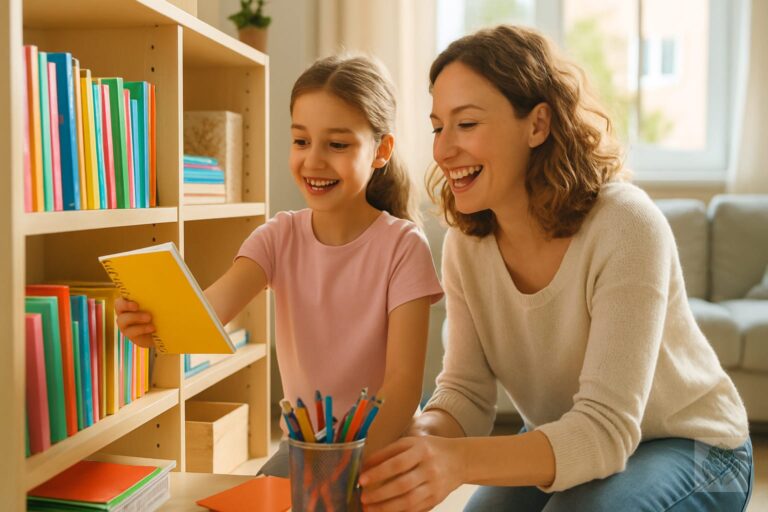
The Ultimate Complete Guide to Creating a Home Learning Resource Collection
Introduction
Welcome to the wonderful world of home-based education and enrichment! Whether you are homeschooling full-time, supporting virtual learning, or simply looking to give your child an academic boost after school, having the right tools at your fingertips changes everything. Building a thoughtful home learning resource collection empowers you to spark curiosity, support homework sessions, and create a rich environment for lifelong learning.
Why Every Home Needs a Learning Resource Collection
Children are naturally curious explorers who learn best through hands-on experiences and readily available materials. When educational supplies, books, and creative tools are organized and accessible, children take ownership of their learning. Instead of waiting for instruction, a child can grab a math manipulative, look up a science fact, or dive into an art project independently. This fosters autonomy, problem-solving skills, and a genuine love for discovery that extends far beyond the traditional classroom.
The Benefits of Organized Home Education Materials
Clutter often leads to frustration, both for parents and children. When you establish a dedicated home education setup, you eliminate the frantic search for colored pencils, rulers, or missing textbook pages. Organized materials save precious time during study hours and reduce stress for everyone involved. Furthermore, an intentional collection allows you to tailor learning experiences to your child’s unique pace, turning everyday moments into powerful educational opportunities.
Step 1: Assessing Your Child’s Learning Needs and Style
Before you purchase a single flashcard or workbook, take a step back to observe your child. Every child processes information differently, and the most effective educational materials for kids are those that match their unique cognitive style and developmental stage.
Understanding Different Learning Styles (Visual, Auditory, Kinesthetic)
Children generally fall into one or more primary learning categories. Visual learners thrive with colorful charts, flashcards, diagrams, and picture books. Auditory learners benefit from audiobooks, rhyming games, storytelling, and verbal instructions. Kinesthetic learners need to touch, move, and build; they flourish with tactile math manipulatives, science experiments, and active games. Designing your collection with these styles in mind ensures every child feels engaged and supported.
Age-Appropriate Resource Selection
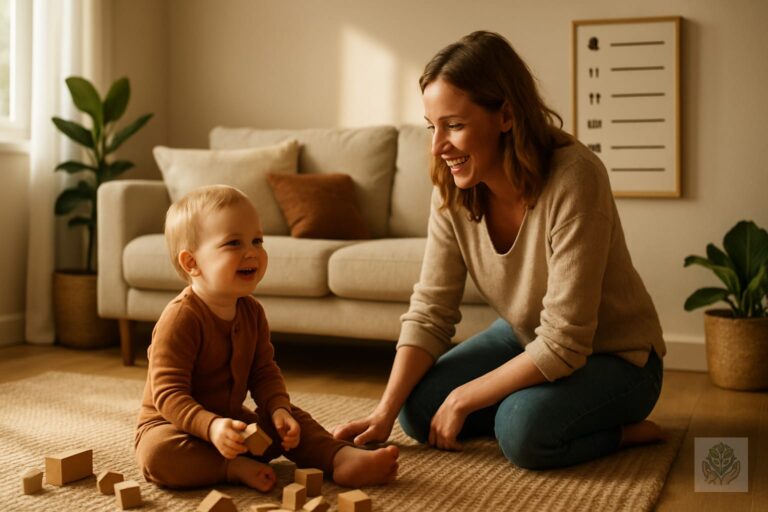
Matching materials to your child’s developmental age prevents both boredom and overwhelm. Toddlers and preschoolers need chunky wooden blocks, sorting bears, lacing cards, and sensory bins. Elementary students benefit from reading level books, base-ten blocks, globes, and simple science kits. Middle and high schoolers require reliable reference books, geometry sets, scientific calculators, and specialized writing journals.
Aligning Materials with Your Educational Philosophy
Your family’s approach to education dictates the types of resources you should collect. If you lean toward a Montessori or Waldorf philosophy, you will likely prioritize open-ended wooden toys, natural materials, and practical life tools. If you prefer a traditional academic approach, workbooks, flashcards, and structured curricula will form the backbone of your toolkit.
Step 2: Essential Categories for Your Home Learning Toolkit
A well-rounded home learning resource collection covers a variety of disciplines to ensure balanced cognitive and creative development. Categorizing your supplies helps you identify gaps in your toolkit.
Core Academic Supplies (Math, Literacy, Science)
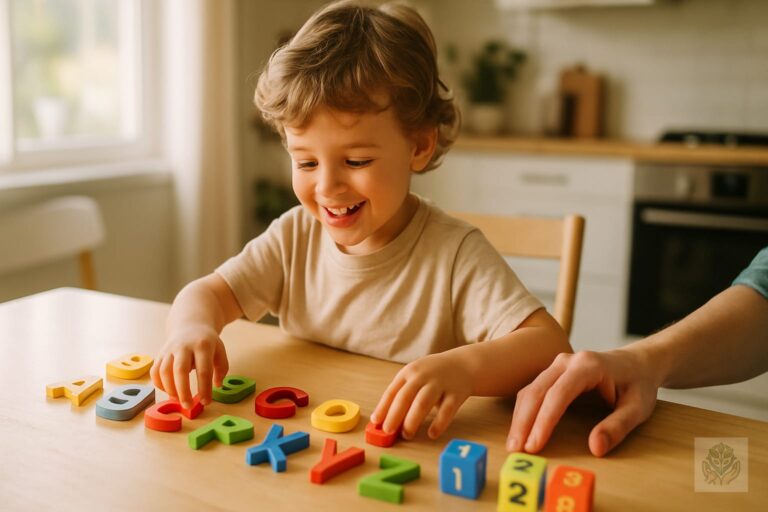
Foundational subjects form the core of any learning environment. For literacy, stock up on magnetic letters, phonics flashcards, leveled readers, and diverse writing journals. For math, include number lines, flashcards, dice, and rulers. Science tools should feature magnifying glasses, measuring tapes, prisms, and simple nature observation journals.
Hands-On Manipulatives and STEM Tools
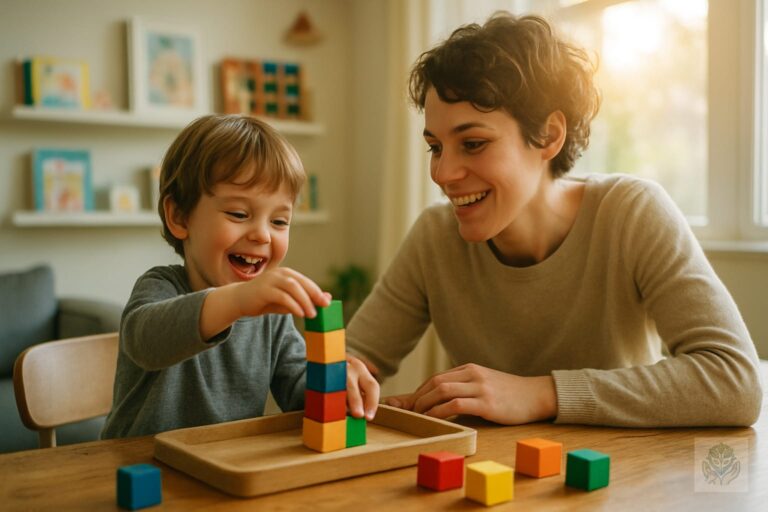
Abstract concepts become concrete when children can manipulate physical objects. Invest in fraction tiles, counting cubes, geometric solids, and pattern blocks. For STEM learning, consider introducing snap circuits, building blocks, magnetic tiles, and beginner coding robots to foster critical thinking and spatial awareness.
Creative and Fine Motor Skill Resources
Creativity is an essential component of comprehensive education. Keep a well-stocked art cart featuring washable paints, safety scissors, modeling clay, construction paper, oil pastels, and watercolor sets. These materials not only spark imagination but also strengthen the fine motor skills required for handwriting and daily self-care tasks.
Technology and Digital Learning Aids
While hands-on learning is vital, digital tools also play a valuable role in modern education. Curate a list of trusted educational websites, interactive reading apps, and virtual museum tours. Set clear screen-time boundaries and balance digital tools with tactile activities to maintain a healthy learning ecosystem.
Step 3: Organizing and Storing Your Educational Materials
Even the best resources lose their value if they remain buried in closets or scattered across the floor. Effective storage is the secret to a peaceful and productive learning space.
Best Storage Systems for Small Spaces
You do not need a dedicated schoolroom to build an impressive collection. Utilize versatile storage solutions such as rolling utility carts, clear plastic storage bins, over-the-door shoe organizers, and low shelving units that children can reach independently. Vertical storage maximizes wall space, keeping tables and floors clear for active learning.
Labeling Hacks for Quick Access
Clear labeling ensures that supplies return to their proper homes after use. Use picture labels for younger children who cannot yet read, and word labels for older kids. Color-coding bins by subject (such as blue for math, green for science, and red for art) creates a visual system that speeds up cleanup time.
Rotating Materials to Prevent Boredom
Keep your collection fresh and exciting by implementing a material rotation system. Store half of your books, puzzles, and manipulatives in a closet and swap them out every few weeks. When children see familiar items return after a brief absence, they approach them with renewed enthusiasm and curiosity.
Step 4: Budget-Friendly Ways to Build Your Collection
Building a comprehensive home learning resource collection does not require a massive budget. With a bit of creativity, you can source high-quality educational materials for very little money.
Free Printable Resources and Open Educational Resources (OER)
The internet offers an abundance of free, high-quality educational content. Websites provide free printable worksheets, coloring pages, flashcards, and lesson plans. Explore Open Educational Resources (OER) platforms for open-source textbooks and interactive learning modules curated by educators worldwide.
Thrifting and Upcycling Household Items for Learning
Secondhand shops, garage sales, and community groups are goldmines for children’s books, board games, and building sets. Additionally, look around your house for upcycling opportunities. Cardboard boxes make fantastic engineering blocks, bottle caps can be used for counting, and old magazines are perfect for collage and phonics clipping activities.
Library Resources and Community Swaps
Your local public library is your greatest asset. Beyond borrowing books, many libraries offer access to museum passes, STEM kits, audiobooks, and educational software. Consider organizing a curriculum or book swap with other local parents to trade items your children have outgrown for fresh learning materials.
Step 5: Maintaining and Updating Your Learning Space
A learning collection is a living, breathing entity that evolves alongside your child. Regular maintenance ensures your space remains organized and inspiring.
Quarterly Audits: What to Keep, Donate, or Toss
Schedule a quick audit of your resources every three to four months. Check for dried-out markers, torn workbook pages, and toys or games that your child has permanently outgrown. Donate usable items to local preschools, charities, or younger friends, and recycle what is worn out to make room for new materials.
Adapting Your Collection as Your Child Grows
As children mature, their academic needs shift dramatically. Transition your space from sensory bins and alphabet charts to chapter books, experiment kits, and organizational planners. Involving your child in the updating process teaches them how to evaluate their own learning needs and take charge of their educational environment.
Recommended Amazon Products
As an Amazon Associate, NurtureBharat earns from qualifying purchases.

StepsToDo Place Value Learning Kit with 120 Foam Tiles & Rewritable Mat | Whole Numbers & Decimal Place Value Teaching Aid | Build Numbers, Expanded Form, Comparison & Rounding | Math Manipulative
₹499.00
₹999.00
— Save 50%
In stock

EDUSCOPE Factorization Tiles Visual Algebraic Learning Aid – Set of 70 Opaque Plastic Tiles in 2 Colors & 3 Shapes – Math Lab Equipment – Educational STEM Manipulative for Middlem School
₹610.00
₹1,199.00
— Save 49%

Learning Resources Brain Anatomy Model
₹4,579.00
₹12,937.00
— Save 65%
In stock

Learning Resources All Ready for First Grade Readiness Kit
₹7,480.95
₹9,999.00
— Save 25%
Conclusion
Creating a home learning resource collection is a rewarding investment in your child’s future. By assessing their learning style, selecting versatile and engaging materials, and establishing a sustainable organization system, you lay a solid foundation for academic success and joyful discovery. Remember that consistency and curiosity matter far more than having expensive gadgets.
Ready to get started? Download our free home learning checklist today to audit your current supplies, discover hidden gems around your house, and build the ultimate educational toolkit for your family!
Frequently Asked Questions
Why do I need a home learning resource collection?
Having a dedicated collection empowers children to take ownership of their learning, fosters autonomy, reduces homework stress, and creates a rich environment for hands-on discovery.
How do I choose materials for different learning styles?
Select visual tools like flashcards for visual learners, audiobooks for auditory learners, and tactile manipulatives like building blocks or counting cubes for kinesthetic learners.
What are the essential categories for a home learning toolkit?
A well-rounded toolkit should include core academic supplies for math and literacy, hands-on STEM tools, creative art materials, and trusted digital learning aids.
How can I organize learning materials in a small space?
Utilize rolling utility carts, clear plastic bins, over-the-door shoe organizers, and low vertical shelving units to keep supplies accessible without needing a dedicated schoolroom.
What are some budget-friendly ways to build my collection?
You can save money by using free printable resources online, shopping at thrift stores, upcycling household items like cardboard boxes, and utilizing your local public library.
How often should I update my home learning space?
Conduct a quarterly audit every three to four months to donate outgrown items, discard worn supplies, and rotate materials to keep your child engaged and excited.