Everything Parents Need to Know About Baby Safety: The Ultimate Guide
Stepping into parenthood brings an overwhelming wave of love, joy, and let us be honest, a profound sense of responsibility. As soon as your little one starts exploring the world around them, you might find yourself questioning every single corner of your home. However, you do not need to turn your house into a sterile fortress overnight. A room-by-room, stage-by-stage approach to baby safety makes the entire process manageable, stress-free, and entirely achievable.
Why Baby Safety Matters: When and Where to Start
Child development happens in the blink of an eye. One day your newborn is sleeping peacefully, and the next day they are rolling, scooting, and reaching for everything in sight. Developmental milestones such as rolling over, crawling, and pulling up to a standing position arrive much faster than most parents expect.
As a general rule of thumb, you should ideally start baby proofing your home before your baby turns six months old, or even earlier if your family has a history of early crawlers. Anticipating your child’s next developmental leap ensures that your home is secure before your baby gains the mobility to get into trouble. Understanding the complete roadmap to healthy newborn care helps you stay prepared for these rapid changes.
Safe Sleep Guidelines: Protecting Your Baby Through the Night
Because babies spend the majority of their early months sleeping, establishing a secure sleep environment is one of the most critical aspects of infant care. Safe sleep practices dramatically reduce the risk of Sudden Infant Death Syndrome (SIDS) and accidental suffocation.
The ABCs of Safe Sleep (Alone, Back, Crib)
Remembering the ABCs of safe sleep provides a simple framework for every nap and bedtime. Babies should always sleep Alone in their own dedicated space, placed strictly on their Back, inside a certified Crib or bassinet. Never let your infant sleep on couches, adult beds, or plush armchairs, as these surfaces pose severe suffocation risks.
Choosing a Safe Crib and Mattress
When purchasing a crib, always look for a model that meets current safety standards set by consumer product safety organizations. Ensure the mattress fits snugly inside the crib frame with no gaps larger than two fingers between the mattress edge and the crib side. A firm, flat mattress is essential; never use memory foam or pillow-like pads for an infant.
What to Keep Out of the Crib (Blankets, Bumpers, and Toys)
An empty crib is a safe crib. Resist the temptation to decorate your baby’s sleep space with loose blankets, pillows, stuffed animals, or mesh crib bumpers. Dress your baby in a wearable blanket or sleep sack instead of using loose covers to keep them warm throughout the night.
Room-by-Room Baby Proofing Checklist
Breaking your home down room by room prevents burnout and ensures you do not miss hidden hazards. Here is how to secure your living spaces effectively.
The Nursery: Safe Sleep and Furniture Anchoring
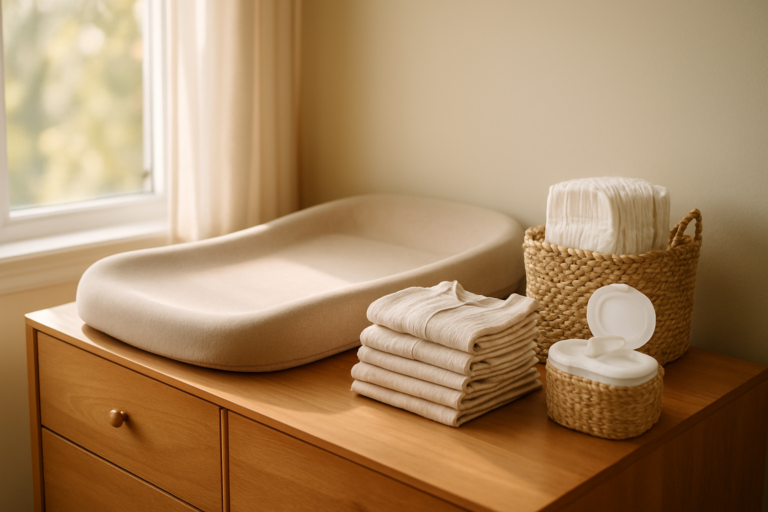
Beyond the crib, your nursery requires careful attention to heavy furniture. Dressers, bookcases, and changing tables must be securely anchored to the wall using heavy-duty furniture straps. Babies love to use open drawers as makeshift ladders, which can cause heavy furniture to tip over.
The Living Room: Cords, Corners, and Heavy Furniture
The living room is usually where families spend the most time, making it a priority zone. Tuck electrical cords safely away behind furniture or inside cord covers. Apply soft corner guards to low coffee tables and media consoles, and keep remote controls with button batteries completely out of reach.
The Kitchen: Chemicals, Appliances, and Hot Surfaces
Kitchens present multiple hazards, from hot oven doors to toxic cleaning supplies. Move all cleaning chemicals, dish soaps, and detergents to high upper cabinets or install heavy-duty safety latches on lower cupboards. Always turn pot handles toward the back of the stove while cooking to avoid common parenting mistakes.
The Bathroom: Water Safety and Medication Storage
Bathrooms combine slippery surfaces, standing water, and potent medications. Store all prescription drugs, over-the-counter painkillers, and vitamins in locked cabinets high above the floor. Keep toilet seat locks engaged at all times to prevent curious toddlers from investigating the bowl.
Essential Infant Safety Gear You Actually Need
Marketing campaigns often convince parents they need endless gadgets, but true home safety requires only a few proven, high-quality baby products.
Safety Gates for Stairs and Doorways
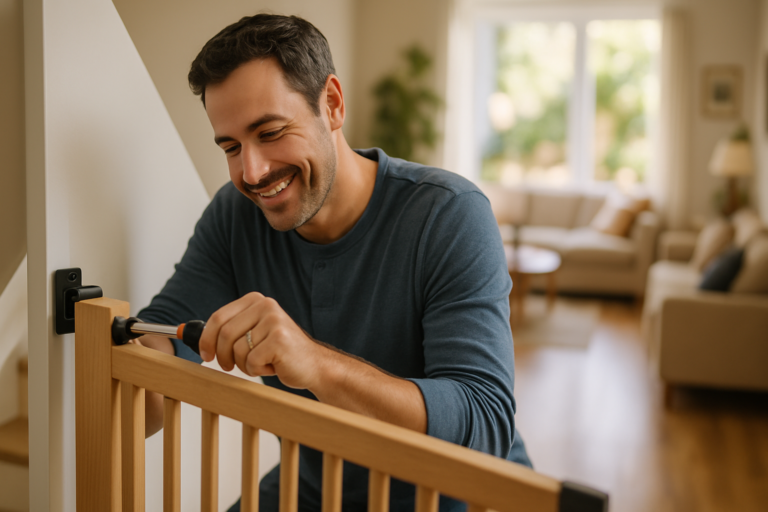
Invest in hardware-mounted safety gates for the top and bottom of all staircases. Pressure-mounted gates work well in standard doorways between rooms, but stairs always require sturdy, hardware-mounted installations that cannot be pushed over by a leaning child.
Cabinet Latches and Outlet Covers
Magnetic locks or heavy-duty strap latches prevent little fingers from accessing dangerous contents in kitchens and bathrooms. Replace old electrical outlets with tamper-resistant receptacles, or use sliding outlet covers that automatically close when plugs are removed.
Furniture Anchors to Prevent Tip-Overs
Furniture anchors are inexpensive lifesavers. Every tall piece of furniture in rooms where your child plays or sleeps should be securely fastened to wall studs to withstand climbing toddlers.
Choking Hazards and Feeding Safety
As your baby transitions to solid foods, feeding safety becomes a top priority. Always cut foods like grapes, cherry tomatoes, and hot dogs into lengthwise quarters rather than small rounds, which easily block a small windpipe.
A reliable rule of thumb for toys and household objects is the toilet paper roll test. If an object can fit entirely inside an empty toilet paper roll, it is small enough to present a choking hazard to an infant. Keep coins, marbles, small game pieces, and latex balloons permanently out of reach.
Water and Bath Safety
Drowning can occur silently and within a matter of seconds in as little as two inches of water. Never leave your baby unattended in the bath, not even for a moment to answer the door or grab a forgotten towel. If you must step away, wrap your baby in a towel and take them with you. Reviewing a guide on baby bath time can provide more specific tips for a secure routine.
Always test bathwater with your elbow or a reliable bath thermometer before placing your baby inside. Water should feel comfortably warm, never hot, with ideal temperatures sitting around 90 to 100 degrees Fahrenheit.
Car Seat and Travel Safety Basics
Proper car seat installation is non-negotiable for every single trip. Keep your child in a rear-facing car seat for as long as possible, well past their first birthday, until they reach the maximum height and weight limits specified by the car seat manufacturer.
Ensure the harness straps fit snugly against your baby’s shoulders, and perform the pinch test at the collarbone to verify proper tension. When using strollers, always engage the parking brakes when stationary and utilize the five-point harness system.
Basic First Aid and Emergency Preparedness for Parents
Even with rigorous baby proofing, accidents can still happen. Being prepared calms your nerves and ensures a fast, effective response.
What to Include in a Baby First Aid Kit
Stock a dedicated container with infant-formulated pain relievers, digital thermometers, saline nasal drops, a nasal aspirator, adhesive bandages, sterile gauze pads, antiseptic wipes, and emergency contact numbers.
When to Call Ambulance/ Poison Control
Save all emergency contacts directly in your mobile phone and post it on your refrigerator. Call 911(For USA) immediately if your child experiences trouble breathing, loses consciousness, or suffers a severe head injury.
The Importance of CPR and Choking Classes for Parents
Taking an accredited infant CPR and choking intervention course offers unmatched peace of mind. Knowing exactly what to do during an emergency empowers you to act with confidence when every second counts.
Conclusion: Growing Safely With Your Child
Prioritizing baby safety does not mean living in a state of constant fear. By taking proactive steps, securing your home room by room, and staying mindful of developmental milestones, you create a nurturing environment where your child can explore, learn, and grow safely. Remember that attentive parental supervision remains your greatest tool. Take a deep breath, trust your instincts, and enjoy every precious stage of your parenting journey.