Home Blog Page 23

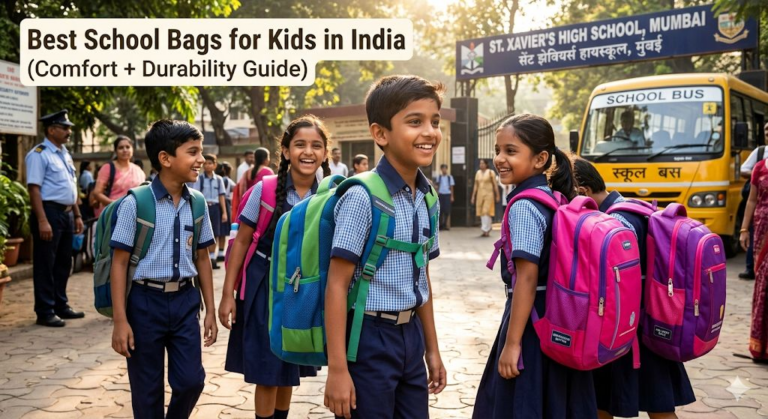
Best School Bags for Kids in India (Comfort + Durability Guide)

Choosing the right school bag for your child is an important decision that can directly impact their comfort, posture, and overall health. Children carry their school bags almost every day, often filled with books, notebooks, lunch boxes, water bottles, and other essentials. A heavy or poorly designed backpack can lead to shoulder pain, back strain, and poor posture over time. That’s why parents should focus on finding a school bag that offers the perfect balance of comfort, durability, and functionality.

When shopping for a school bag, the first thing to consider is comfort. A good school bag should have padded shoulder straps that distribute weight evenly across both shoulders. Adjustable straps allow the bag to fit properly as your child grows, while a padded back panel provides additional support and comfort. Lightweight materials such as polyester and nylon are ideal because they reduce the overall weight of the bag, making it easier for children to carry. Experts recommend that a school bag should not exceed 10–15% of a child’s body weight to prevent unnecessary strain on the back and shoulders.
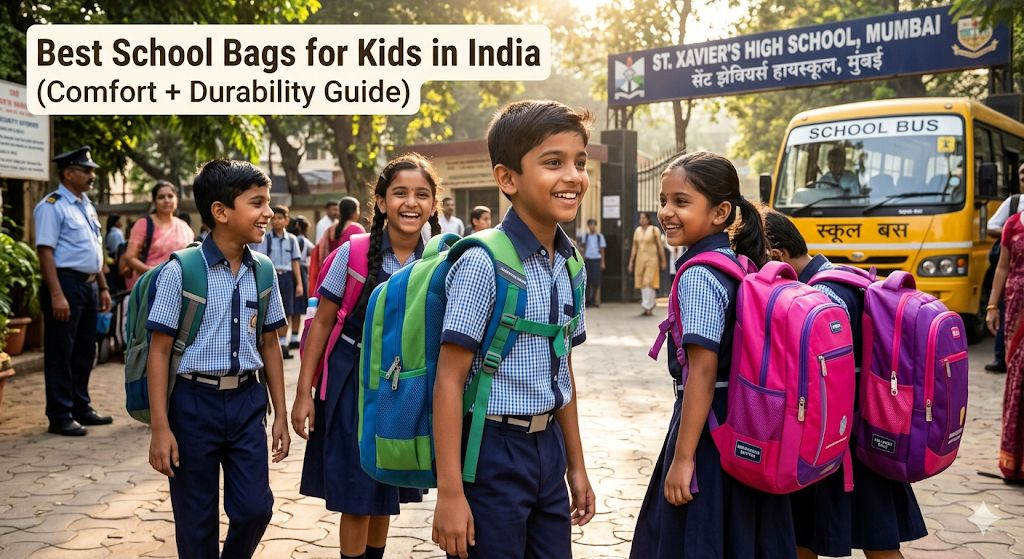
Durability is another key factor that parents should not overlook. School bags go through daily wear and tear, so choosing one made from high-quality materials can save money in the long run. Strong stitching, durable zippers, reinforced handles, and water-resistant fabrics help ensure that the bag lasts throughout the school year. Brands such as Skybags, Wildcraft, American Tourister, Safari, and F Gear are popular among Indian parents because they offer reliable quality and child-friendly designs.

Storage capacity is equally important. A well-designed school bag should have multiple compartments to help children organize their belongings efficiently. Separate sections for books, stationery, lunch boxes, and water bottles can make it easier for kids to access what they need while keeping their belongings organized. Many modern school bags also include dedicated pockets for gadgets, ID cards, and small accessories, adding to their convenience.

For younger children, colorful and lightweight backpacks with cartoon characters or fun designs can make school more exciting. However, parents should avoid choosing style over comfort. The best school bag is one that children enjoy using while also supporting their physical development. Ergonomic backpacks designed specifically for kids are becoming increasingly popular because they help maintain proper posture and reduce pressure on growing spines.

Water resistance is another useful feature, especially during India’s monsoon season. A water-resistant school bag can protect books, notebooks, and electronic devices from unexpected rain. This extra layer of protection can be particularly valuable for students who walk to school or travel long distances.

Some of the most recommended school bag brands in India include Skybags for overall value, Wildcraft for durability, American Tourister for comfort and style, Safari for spacious designs, and F Gear for budget-friendly options. These brands offer a variety of sizes and styles suitable for different age groups and school requirements. Parents should choose a bag based on their child’s age, daily load, and personal preferences rather than simply selecting the most popular design.

In conclusion, the best school bag for kids in India is one that prioritizes comfort, durability, and practicality. A lightweight backpack with padded straps, multiple compartments, sturdy construction, and water-resistant material can make a significant difference in a child’s daily school experience. Investing in a high-quality school bag not only protects school supplies but also supports your child’s health and well-being throughout their academic journey.
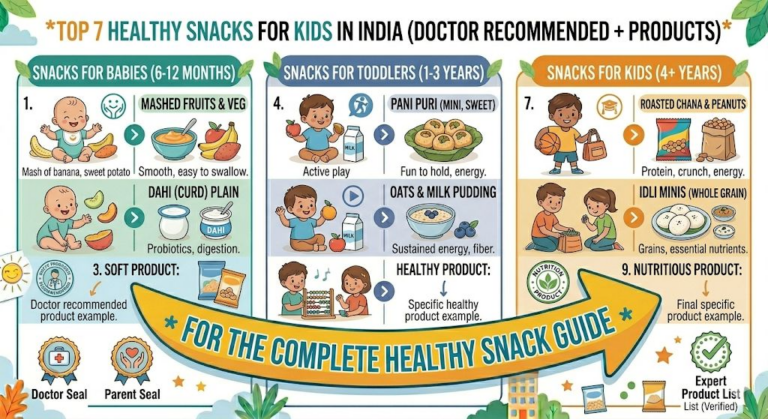
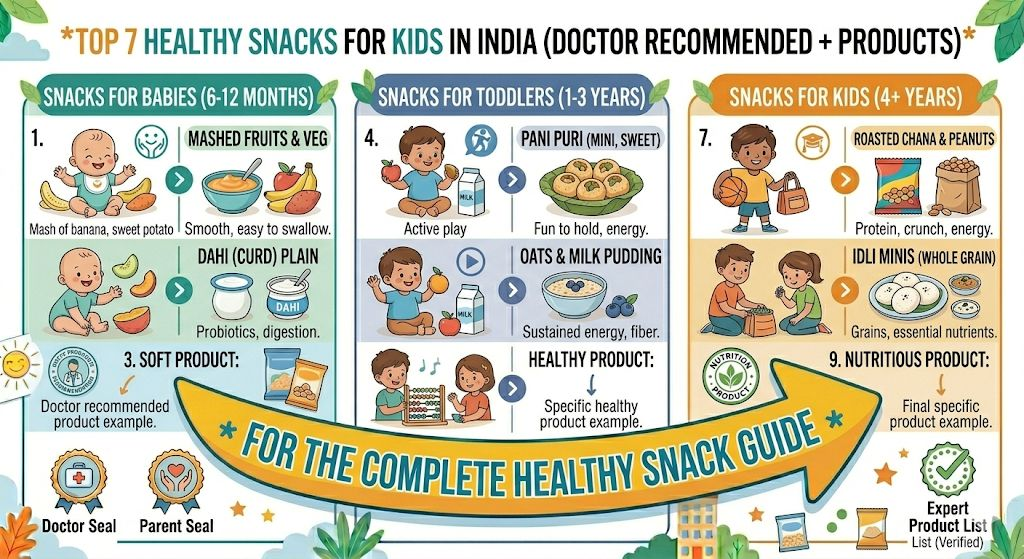
Top 7 Healthy Snacks for Kids in India (Doctor Recommended + Products)

0

Healthy eating habits start in childhood, and choosing the right snacks can play a major role in a child’s growth, immunity, and overall development. Unfortunately, many packaged snacks available today are loaded with sugar, unhealthy fats, and artificial ingredients. Pediatricians and nutrition experts recommend offering nutrient-rich snacks that provide energy, support brain development, and keep children full between meals. If you’re looking for healthier alternatives for your child’s tiffin box or evening hunger cravings, here are seven doctor-recommended healthy snacks for kids in India along with popular product options.

One of the healthiest snacks for children is roasted makhana, also known as fox nuts. Makhana is rich in protein, calcium, magnesium, and antioxidants while being low in fat and calories. It provides long-lasting energy and is considered a healthier alternative to chips and fried snacks. Nutrition experts often recommend roasted makhana because it supports digestion and helps keep children full for longer. Popular options include Farmley Makhana Cream & Onion Roasted In Olive Oil, Nutty Yogi Makhana Snacks, and Happilo Makhana Chilli Garlic Jar.

Another excellent choice is ragi-based snacks. Ragi is packed with calcium, iron, and fiber, making it highly beneficial for growing children. Pediatric nutritionists often recommend millet-based foods because they support bone development and provide sustained energy. Products such as Slurrp Farm Choco Ragi Cookies, Soulfull Choco-Fills Ragi Bites, and Early Foods Ragi & Sesame Teething Sticks are popular among Indian parents looking for healthier snack alternatives.

Fresh fruit combined with nut butter is another highly nutritious snack. Fruits like bananas, apples, papaya, and pears provide vitamins, minerals, and natural sugars, while peanut or almond butter adds healthy fats and protein. Doctors often recommend this combination because it helps maintain energy levels without causing sudden sugar spikes.

Trail mixes made with nuts, seeds, and dried fruits are also excellent snack options. Almonds, walnuts, raisins, pumpkin seeds, and cashews provide healthy fats, protein, fiber, and essential nutrients that support brain development and immunity. Experts recommend portion-controlled trail mixes as a convenient snack for school or travel.

Millet-based crunchies and puffs have become increasingly popular among health-conscious parents. Millets are rich in fiber, vitamins, and minerals while being easier to digest than many processed snacks. Products like Chewboo Multi Millet Crunchies and Millet Balls Cheddar Cheese offer a healthier alternative to traditional chips and namkeen.

Homemade yogurt with fruits is another doctor-approved snack. Curd contains probiotics that support gut health, while fruits add vitamins and antioxidants. This combination helps improve digestion, strengthens immunity, and provides a refreshing snack option, especially during hot Indian summers.

Protein-rich snack bars and energy bites can also be useful when chosen carefully. Many modern brands now offer healthier options made with nuts, seeds, dates, and natural sweeteners instead of refined sugar. Products such as Smart Yums Protein Bites Protein Bar for Kids and Eat Better Co – Kids Healthy Snack Box provide convenient nutrition for busy school days and travel.

While selecting snacks, parents should always check ingredient labels and avoid products with excessive sugar, artificial colors, preservatives, and trans fats. Experts recommend focusing on whole foods and minimally processed snacks whenever possible. Hydration is equally important, so children should be encouraged to drink enough water throughout the day alongside healthy snacks.

In conclusion, healthy snacking doesn’t have to be boring. Options like roasted makhana, ragi-based treats, fruits with nut butter, trail mixes, millet snacks, yogurt bowls, and protein bites can provide essential nutrients while satisfying children’s taste preferences. By choosing nutritious snacks and limiting junk food, parents can support their child’s growth, immunity, concentration, and long-term health in a simple and practical way.

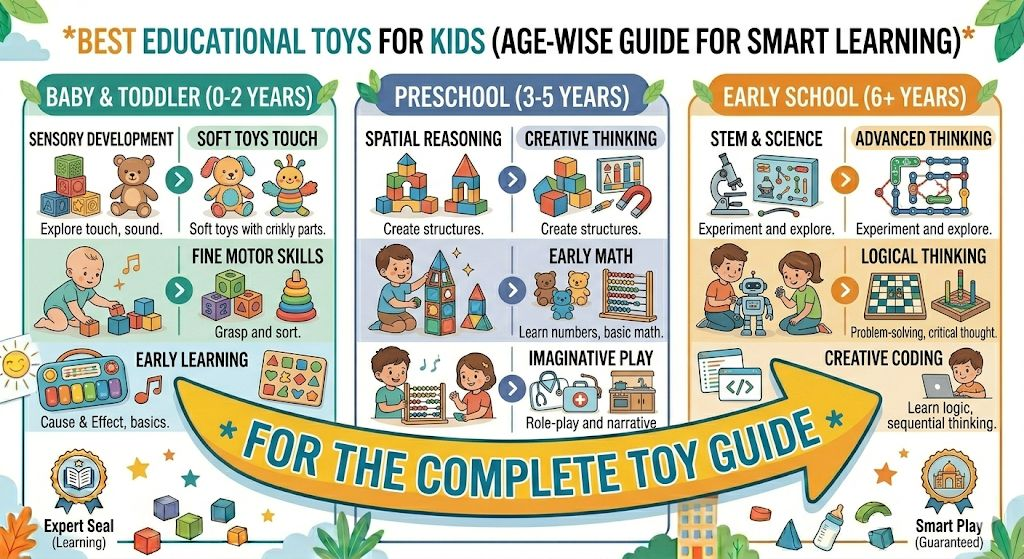
Best Educational Toys for Kids (Age-Wise Guide for Smart Learning)

Toys are much more than just a source of entertainment for children. The right educational toys can help develop cognitive skills, creativity, problem-solving abilities, language development, and social skills while making learning fun and engaging. As children grow, their learning needs change, which is why choosing age-appropriate educational toys is essential. Whether you are a parent looking to support your child’s development or searching for the perfect gift, this age-wise guide will help you find the best educational toys for smart learning.

For babies aged 0–1 year, educational toys should focus on sensory development and motor skills. At this stage, babies learn through touch, sound, sight, and movement. Soft rattles, sensory balls, musical toys, and colorful stacking rings are excellent choices. These toys help improve hand-eye coordination, sensory awareness, and early motor development while keeping babies engaged and curious about their surroundings.

Children aged 1–2 years become more active and eager to explore. Toys that encourage movement, problem-solving, and basic learning are ideal during this phase. Shape sorters, stacking blocks, pull-along toys, and interactive learning books help toddlers recognize shapes, colors, and patterns. These toys also support fine motor skills and encourage independent exploration, which is important for building confidence and curiosity.

For kids aged 2–3 years, educational toys can introduce early language and cognitive skills. Alphabet puzzles, number blocks, picture-matching games, and pretend-play sets are highly beneficial. Children at this age enjoy imitation and imaginative play, making toy kitchens, doctor kits, and animal figurines great options. Such toys encourage creativity, vocabulary development, and social interaction while helping children understand the world around them.

Children between 3 and 4 years are ready for more structured learning experiences. Building blocks, magnetic tiles, simple board games, and art and craft kits can significantly support their development. These toys help improve concentration, problem-solving skills, creativity, and hand-eye coordination. Educational games that involve counting, sorting, and recognizing letters can also provide a strong foundation for preschool learning.

For kids aged 4–5 years, educational toys should challenge their thinking and encourage independent learning. STEM-based toys, beginner science kits, word-building games, and advanced puzzles are excellent choices. At this age, children become more interested in discovering how things work, making construction sets and basic coding toys particularly effective. These toys enhance logical thinking, critical reasoning, and early scientific understanding while keeping learning enjoyable.

Children aged 5–7 years benefit from toys that support academic skills and creativity. Robotics kits, strategy board games, educational tablets, geography puzzles, and math learning games can help strengthen school readiness and problem-solving abilities. Art supplies, musical instruments, and DIY project kits also encourage self-expression and innovation. These activities help children develop confidence in their abilities while fostering a lifelong love for learning.

When selecting educational toys, parents should focus on quality rather than quantity. A toy that encourages active participation and creativity is often more valuable than one that only provides passive entertainment. It is also important to choose toys that match a child’s interests, developmental stage, and safety requirements. Limiting screen-based entertainment and encouraging hands-on learning experiences can further enhance a child’s overall development.

In conclusion, educational toys play a vital role in a child’s growth by combining learning with play. From sensory toys for infants to STEM kits for school-age children, age-appropriate educational toys can help build essential skills while nurturing curiosity and creativity. By choosing the right toys at the right stage, parents can create meaningful learning opportunities that support their child’s intellectual, emotional, and social development. Investing in educational toys is not just about keeping children entertained—it’s about helping them learn, grow, and succeed in a fun and engaging way.

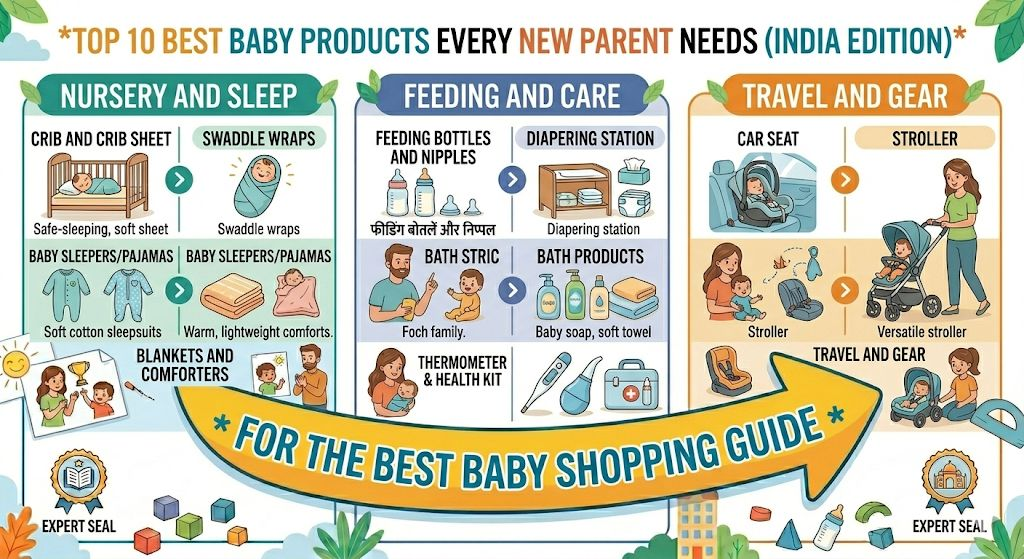
Top 10 Best Baby Products Every New Parent Needs (India Edition)

0

Welcoming a newborn into the family is one of life’s most exciting experiences. However, it can also feel overwhelming, especially for first-time parents who are faced with countless baby products claiming to be essential. While every family’s needs are different, certain baby products can make parenting easier, safer, and more comfortable during the early months. In India, where climate, lifestyle, and family structures vary widely, choosing practical and reliable baby essentials is important. Here are the top 10 baby products that every new parent should consider adding to their checklist.

A comfortable and safe baby crib is one of the first essentials every newborn needs. A sturdy crib provides a dedicated sleeping space and helps establish healthy sleep habits from an early age. Parents should look for cribs that meet safety standards, have breathable designs, and offer adjustable mattress heights for added convenience as the baby grows.

Baby diapers are another absolute necessity. Whether parents choose disposable or cloth diapers, having a reliable diapering solution ensures comfort and hygiene for the baby. Modern diapers are designed to prevent leaks, reduce skin irritation, and keep babies dry for longer periods, making daily care much easier.

A baby stroller is a valuable investment for parents who frequently travel or take walks outdoors. A lightweight, foldable stroller allows parents to move around comfortably while ensuring the baby remains secure and comfortable. Features such as reclining seats, sun canopies, and storage baskets can make outings more convenient.

A baby carrier is especially useful for Indian parents who often manage household responsibilities while caring for their child. A good ergonomic carrier keeps the baby close while allowing parents to keep their hands free. It also promotes bonding and can soothe babies who enjoy being carried.

Feeding bottles and sterilizers are essential for parents who bottle-feed or express breast milk. Proper sterilization helps protect babies from harmful bacteria and infections. Choosing BPA-free bottles and reliable sterilizing equipment ensures a safe feeding experience for infants.

Baby skincare products are equally important, as newborn skin is delicate and sensitive. Mild baby soap, shampoo, lotion, diaper rash cream, and massage oil can help maintain healthy skin and prevent common issues such as dryness and irritation. Parents should choose products specifically designed for babies and free from harsh chemicals.

A baby monitor can provide additional peace of mind, especially in larger homes. Modern baby monitors allow parents to keep an eye on their baby while performing other tasks. Some advanced models even include video monitoring, temperature tracking, and two-way communication features.

A comfortable baby bathtub makes bathing safer and more convenient. Specialized baby tubs are designed to support infants properly and reduce the risk of slipping. Bath time can become a pleasant bonding experience when parents have the right equipment and safety measures in place.

Soft baby clothing and swaddles are another must-have. Babies require comfortable, breathable fabrics that are gentle on their skin, particularly in India’s varying weather conditions. Cotton clothing and lightweight swaddles help regulate body temperature while keeping babies cozy and secure.

Finally, a well-stocked diaper bag is essential for parents on the go. A good diaper bag can hold diapers, wipes, bottles, extra clothes, toys, and other necessities, helping parents stay prepared wherever they travel. Organized compartments and easy portability make diaper bags an invaluable parenting accessory.

In conclusion, while the market is filled with baby products, new parents do not need to buy everything available. Focusing on practical, safe, and high-quality essentials can make the parenting journey smoother and more enjoyable. From cribs and diapers to carriers and skincare products, these top 10 baby essentials can help Indian parents provide comfort, safety, and care for their little ones during the precious early years of life.

Common Parenting Mistakes Indian Parents Make (And How to Fix Them)

1

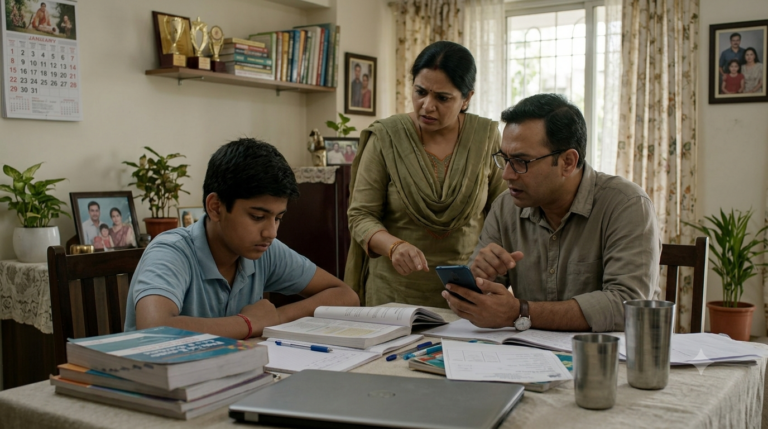
Parenting is a journey filled with love, sacrifices, and the desire to give children the best possible future. In India, parenting is often influenced by cultural values, family traditions, and societal expectations. While these factors can provide strong support systems, they can also lead to certain parenting mistakes that may unintentionally affect a child’s confidence, emotional well-being, and overall development. The good news is that recognizing these mistakes is the first step toward becoming a more effective and supportive parent.

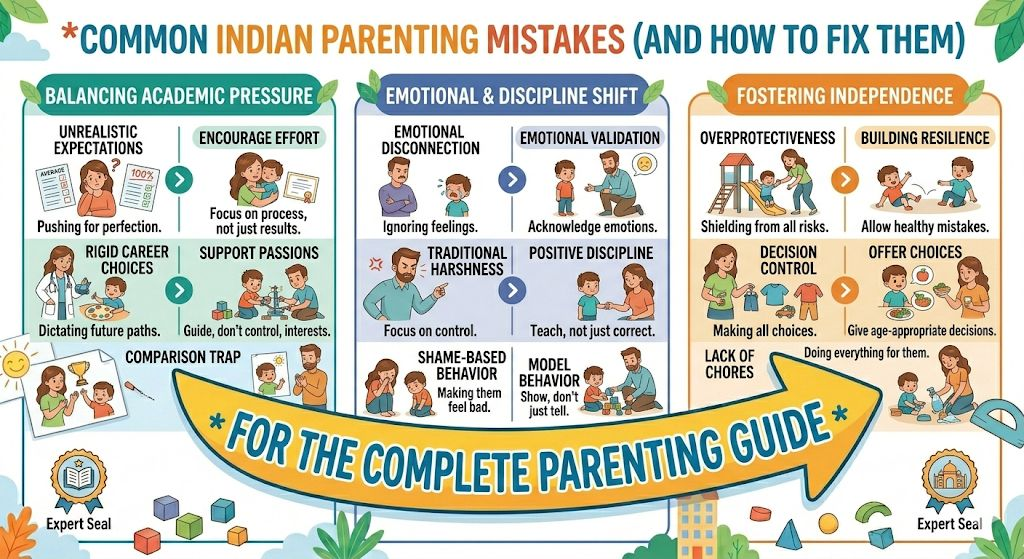
One of the most common parenting mistakes Indian parents make is comparing their children with others. Whether it’s comparing grades, sports performance, or behavior, many children hear statements like, “Look at how well your cousin is doing.” While parents may believe this motivates their child, experts suggest that constant comparisons can damage self-esteem and create feelings of inadequacy. Instead of comparing children to others, parents should focus on their child’s individual strengths, celebrate progress, and encourage personal growth.

Another common issue is placing excessive emphasis on academic performance. Education is undoubtedly important, but many Indian parents unintentionally create pressure by equating success solely with high marks and prestigious careers. This can lead to stress, anxiety, and fear of failure. To fix this, parents should recognize and appreciate other talents such as creativity, communication skills, sports, leadership, and problem-solving abilities. Encouraging a balanced approach to learning helps children develop confidence and a broader perspective on success.

Many parents also tend to make decisions on behalf of their children without considering their opinions. While guidance is necessary, constantly controlling choices can limit a child’s ability to think independently. Whether it’s choosing hobbies, subjects, or career paths, children benefit from having a voice in decisions that affect their lives. Parents can support independence by listening to their children’s interests, discussing options, and involving them in age-appropriate decision-making.

Overprotective parenting is another common challenge. Out of concern for safety and success, some parents try to shield their children from every difficulty or failure. However, experts believe that facing challenges is an important part of learning and personal growth. Children develop resilience, problem-solving skills, and confidence when they are allowed to make mistakes and learn from them. Parents should provide support while giving children opportunities to handle situations independently.

Communication gaps can also create problems within families. In many Indian households, children may hesitate to express their feelings due to fear of criticism or punishment. When children do not feel heard, they may become withdrawn or reluctant to share important concerns. Parents can improve communication by actively listening, avoiding judgment, and creating a safe environment where children feel comfortable discussing their thoughts and emotions.

Another mistake is relying heavily on punishment rather than guidance. Strict discipline and frequent scolding may result in temporary obedience, but they often fail to teach long-term responsibility. Positive discipline techniques, such as explaining consequences, setting clear expectations, and encouraging problem-solving, are generally more effective. Children respond better when they understand the reasons behind rules rather than simply fearing punishment.

Many Indian parents also underestimate the importance of mental and emotional well-being. While physical health and academics often receive attention, emotional health can sometimes be overlooked. Children experience stress, anxiety, and emotional challenges just like adults. Parents should encourage open conversations about feelings, provide emotional support, and seek professional help when necessary.

In conclusion, parenting mistakes are common and do not make anyone a bad parent. What matters most is the willingness to learn and adapt. By avoiding comparisons, reducing academic pressure, encouraging independence, improving communication, allowing children to learn from mistakes, and focusing on emotional well-being, Indian parents can create a healthier and more supportive environment for their children. Small changes in parenting approaches can have a lasting positive impact, helping children grow into confident, capable, and emotionally resilient individuals.

Positive Parenting Techniques That Actually Work (Backed by Experts)

Parenting is one of the most rewarding yet challenging responsibilities in life. Every parent wants to raise happy, confident, and responsible children, but finding the right approach can often feel overwhelming. Positive parenting has emerged as one of the most effective parenting styles because it focuses on building strong relationships, encouraging good behavior, and fostering emotional well-being rather than relying on punishment or fear. Supported by child development experts and psychologists, positive parenting techniques help children develop self-discipline, confidence, and healthy social skills that last a lifetime.

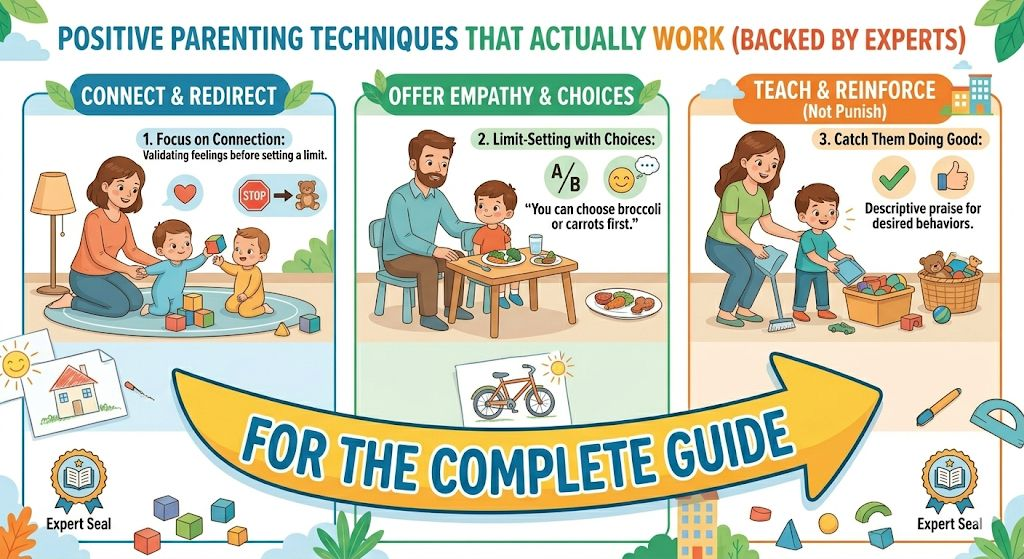
One of the most important principles of positive parenting is creating a strong emotional connection with your child. Experts agree that children thrive when they feel loved, valued, and understood. Spending quality time together, listening attentively, and showing genuine interest in their thoughts and feelings can strengthen the parent-child bond. Even simple activities such as reading a book, playing a game, or having a conversation about their day can help children feel emotionally secure and supported.

Another highly effective technique is focusing on positive reinforcement. Instead of constantly pointing out mistakes, parents should acknowledge and praise good behavior. When children receive recognition for their efforts and achievements, they are more likely to repeat those behaviors. For example, saying, “I’m proud of how you shared your toys today,” is more effective than only correcting negative actions. Positive reinforcement boosts self-esteem and motivates children to make better choices.

Setting clear and consistent boundaries is also essential in positive parenting. Children need structure and predictable rules to feel safe and understand expectations. Experts recommend establishing age-appropriate rules and explaining the reasons behind them. Consistency helps children learn responsibility and understand the consequences of their actions. Rather than using harsh punishments, positive parenting encourages logical consequences that are related to the behavior. This approach helps children learn valuable lessons while maintaining respect and trust.

Effective communication plays a key role in successful parenting. Experts emphasize the importance of speaking to children with respect and empathy. Instead of dismissing their feelings, parents should acknowledge emotions and help children express themselves appropriately. For instance, if a child is upset, saying, “I understand you’re feeling frustrated right now,” can help them feel heard and understood. This practice teaches emotional intelligence and encourages healthy communication skills.

Modeling positive behavior is another technique strongly supported by child development specialists. Children learn by observing the adults around them. Parents who demonstrate kindness, patience, honesty, and respect are more likely to see those same qualities reflected in their children. Actions often have a greater impact than words, making it important for parents to lead by example in everyday situations.

Encouraging independence is equally important for a child’s growth and confidence. Positive parenting involves allowing children to make age-appropriate choices and solve problems on their own whenever possible. Giving children opportunities to take responsibility for simple tasks helps build decision-making skills, resilience, and self-confidence. Experts believe that children who are encouraged to think independently are better prepared to face challenges as they grow older.

Finally, maintaining patience and managing parental stress are essential components of positive parenting. No parent is perfect, and difficult moments are inevitable. Experts recommend staying calm during conflicts and viewing mistakes as opportunities for learning rather than reasons for punishment. A patient and supportive approach helps children feel secure and teaches them healthy ways to handle challenges and emotions.

In conclusion, positive parenting is not about being permissive or avoiding discipline; it is about guiding children with respect, empathy, and consistency. Techniques such as building strong emotional connections, using positive reinforcement, setting clear boundaries, communicating effectively, modeling good behavior, encouraging independence, and practicing patience have been proven to support healthy child development. By applying these expert-backed strategies, parents can create a nurturing environment that helps children grow into confident, responsible, and emotionally healthy individuals.

Daily Routine for Kids by Age (1–6 Years Complete Guide)

0

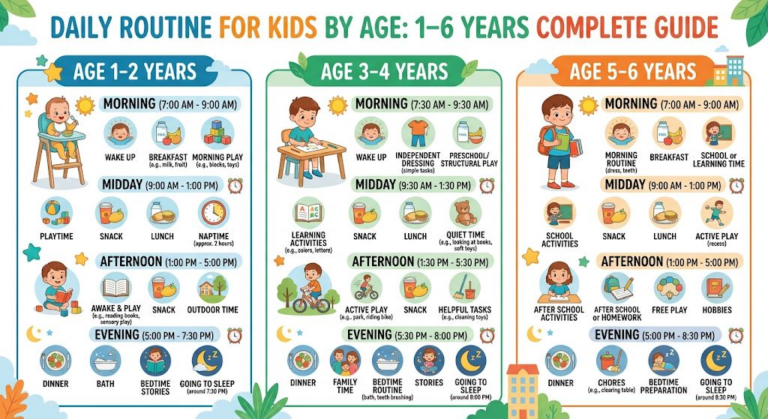
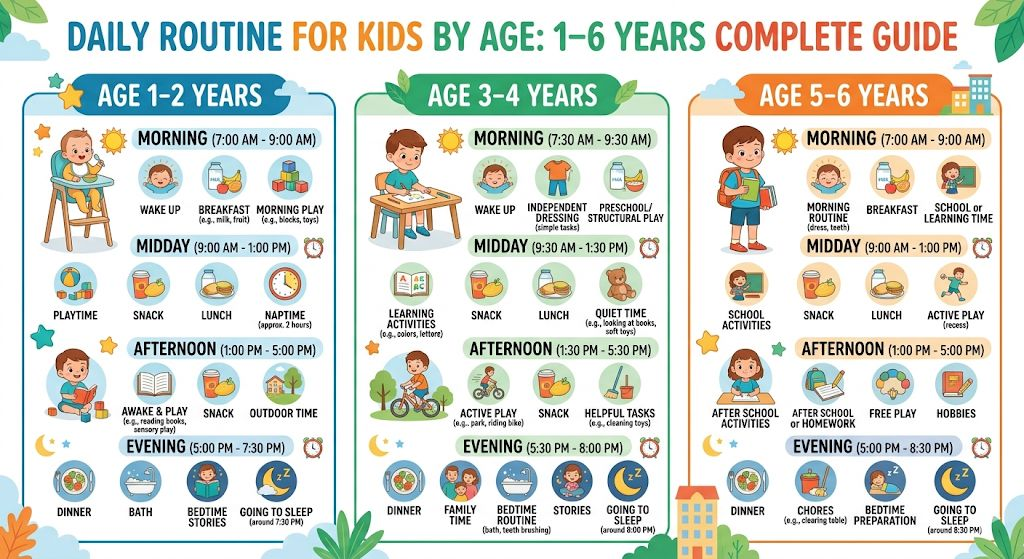
A well-structured daily routine is essential for a child’s healthy growth and development. It helps children feel secure, develop discipline, and build healthy habits that can benefit them throughout life. From the age of one to six years, children experience rapid physical, emotional, and cognitive development, making it important for parents to create age-appropriate routines that balance sleep, nutrition, learning, play, and family time.

For children aged 1–2 years, the focus should be on adequate sleep, nutritious meals, and sensory-based activities. Toddlers should wake up around the same time each day, enjoy a healthy breakfast, and engage in simple play activities such as stacking blocks, exploring toys, and listening to songs. A midday nap is important for their development, while bedtime should be consistent and calming to ensure quality sleep.

As children reach 2–3 years of age, they become more curious and active. This is the ideal time to introduce basic hygiene habits like brushing teeth and washing hands. Their daily routine should include interactive learning activities such as coloring, storytelling, and simple puzzles. Outdoor play becomes increasingly important, allowing them to develop motor skills while exploring the world around them. Family interaction during the evening can also help improve language and social development.

Between the ages of 3 and 4 years, many children begin preschool, making routine even more important. A regular wake-up time, healthy meals, and a balanced schedule of learning and play can help them adjust to a structured environment. After school, children benefit from quiet time, creative activities, and opportunities to express themselves through drawing, music, or imaginative play. Limiting screen time and maintaining a consistent bedtime remain essential for healthy development.

Children aged 4–5 years become more independent and capable of following instructions. Their routine should encourage self-care skills, such as dressing themselves and organizing their belongings. Educational activities, reading sessions, and problem-solving games can strengthen cognitive development, while physical activities like cycling, running, and playground games support their overall health. Spending quality time with family also helps build confidence and emotional security.

For children aged 5–6 years, routines play a key role in preparing them for formal schooling and greater responsibilities. A balanced day should include school, homework, physical exercise, hobbies, and relaxation. Encouraging children to manage simple tasks independently helps develop responsibility and self-confidence. Activities such as reading, sports, music, or art can nurture their interests and creativity while supporting overall development.

Regardless of age, every child benefits from consistent meal times, sufficient sleep, regular physical activity, and meaningful family interaction. Parents should remember that every child is unique, and routines may need adjustments based on individual needs and preferences. A flexible yet structured schedule can create a positive environment where children feel supported and encouraged to learn and grow.

In conclusion, a well-planned daily routine provides children with the stability and guidance they need during their early years. By balancing learning, play, rest, and healthy habits, parents can support their child’s physical, mental, and emotional development. Establishing a strong routine from an early age lays the foundation for a healthier, happier, and more successful future.

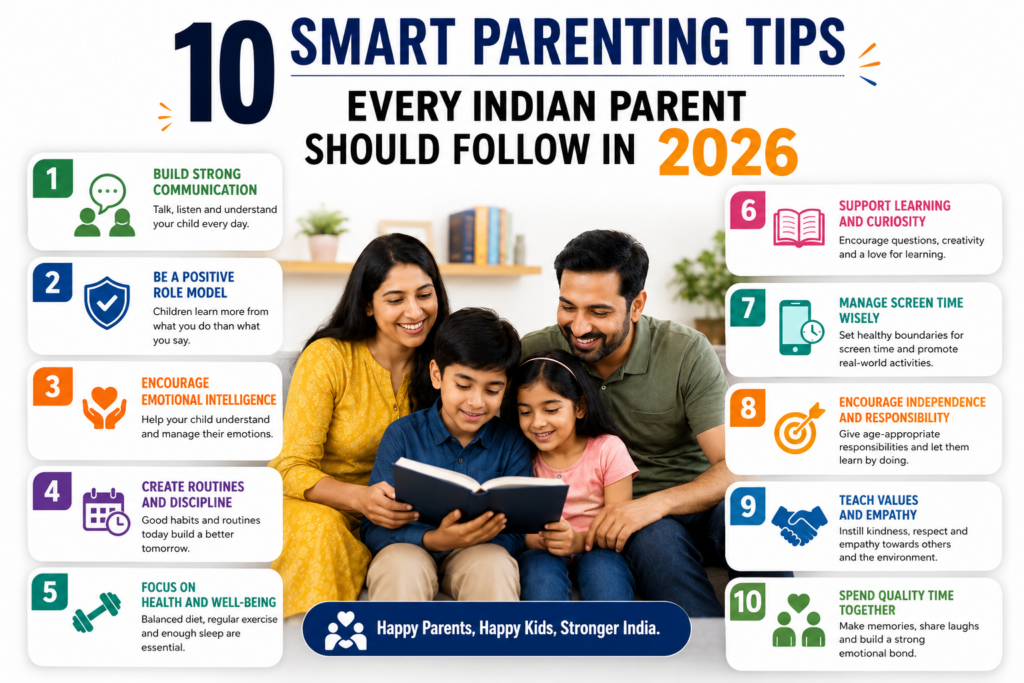
10 Smart Parenting Tips Every Indian Parent Should Follow in 2026

Struggling with screen time & tuition in 2026? These 10 smart tips are every Indian parent’s code for raising confident, sharp kids. No fancy gadgets needed, just desi wisdom! 

The Diwali morning of your Chennai household is hectic: There are fresh batches of sweets filling the air with their delicious aroma. There is a commotion of family members talking with one another and attending to the many preparations that come with this Hindu celebration of light, such as hanging the Torans outside or preparing to light the diyas. 

Amongst all of this, your 4-year-old daughter is pulling on your sari, curious and excited, as she asks you, Amma, why are diyas so bright? While you maintain a smile to hide your nervousness, a question surfaces–Is she learning enough to compete in this world? 

As Indian parents, we lead busy lives with our demanding jobs, family commitments, tuition classes and a constant barrage of WhatsApp messages with amazing kids’ videos from our friends and family. The pressure to perform well in the IIT entrance tests or to compare yourself to your neighbours’ talented kids through play makes early childhood feel like a race with severe consequences. 

What eases some of this burden is that Science has proven that from birth until 5 years of age, 90% of a child’s brain is developed. The disappearing moments of your life with your child, like reading her a story before bed or sorting through aromatic spices with her on a rainy day, are not just play; they are an essential part of creating a successful adult. 

Smart parenting is not defined by how much you can cram your child, but rather by the way you integrate learning into your daily life as an Indian with all of the colour, rhythm and richness that defines our culture. Just as you would nurture your child’s growth through nurturing a small mango, as this photo demonstrates, you can create a loving home through example, consistency and patience to help them develop as they would have if raised traditionally. 

Turning Chaos into Curiosity

To see a child flourish, you give them Sunlight (Nurturance), Water ( Emotional Support) and good soil (Routine)- and they will do so without being forced. This blog contains 10 smart parenting tips that are designed specifically for you. Urban mumps hurrying off to IT jobs, dads juggling commuting and work, grandparents in multi-generational households, and NRIs yearning for Indian wisdom. They are not bland, generic Western parenting hacks, but provide realistic, low-cost ideas delivered with a healthy dollop of Indian warmth and endorsed by Child Development specialists from UNICEF and Indian Paediatricians.

Time to Ditch the Stress Out 

Why now? The number of children in India is skyrocketing, 250 million under the age of 6, but due to early-learning gaps, the inequality between children continues to grow. For every child from the slums of Mumbai or rural  Bihar, there is a child from an affluent school in Delhi, both of whom deserve the opportunity for curiosity-based development and growth. You have been gifted with the ability to bridge that gap. 

The tips you’ll find here have been researched to facilitate the development of creativity, resilience and intelligence without the use of screens or stress. Visualise your child not simply able to repeat a poem in their mother tongue, but also creating them; not fearing Math but counting the number of mangoes they buy from the sabzi mandir with absolute delight. 

We have observed it work: Priya used her evening cooking time to help her son with phonics by saying the names of vegetables while cooking; after that, he moved from being unsure of his ability to speak to becoming a master storyteller. 

Thus, in 2026, Indian parenting means blending tradition with smartness. My top 10 tips for busy families, from kitchen games to bedtime stories, that boost brains without burnout. Your little champ deserves this! Just adapt them to your daily routine, and trust me, you will thank me!

How to Handle Child Tantrums Without Shouting (Proven Methods)

0

“Tantrums May End in Tears, But Your Calm Response is What Helps Your Child Learn to Trust You”

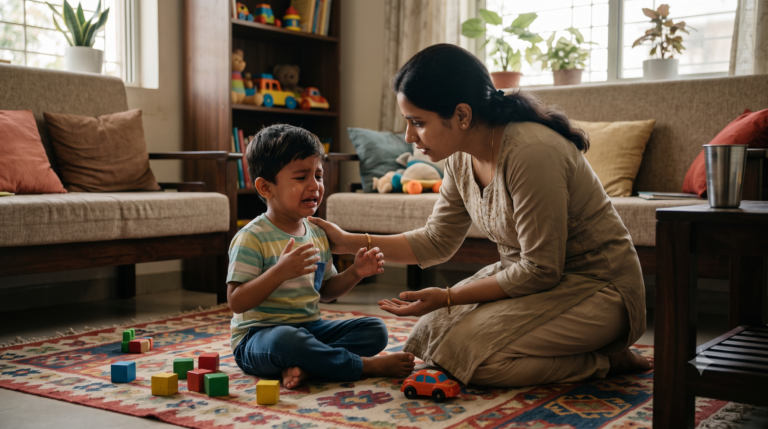
When your child is upset, you have the power to guide them through their feelings and emotions by remaining composed and calm. Tantrums are totally natural. It’s that time again. Your 4-year old is screaming and crying loudly on the floor of your local supermarket because he wants a red packet of potato chips that you said no to! Everyone is looking at you and your face is turning beet red! You want to shout at the loudest volume possible. Stop crying or I’m leaving you here, but some reason stops you. 


You are not alone. Children go through tantrums whether it be through whining, screaming, kicking, or even holding their breath as part of their normal development. Tantrums are not signs of bad parenting or being spoiled; rather, they are your child’s way of expressing their great, overwhelming emotions without being able to verbalize or manage them yet. When you yell back, you do not solve the issue but rather intensify the emotion of the tantrum.

How do You Remain Calm, Set Boundaries, and Help Your Child Learn to Control Their Emotions Without Yelling?

Yelling at your child to settle them down is no more effective than yelling at a thunderstorm in the hopes of stopping the rain. Research and parenting experts have shown consistently that when adults react with loud and angry outbursts, children are likely to imitate that behaviour resulting in more frequent and higher degree temper tantrums. 

As an additional downside to yelling at children, it triggers the child’s brain to go into fight-or-flight mode, therefore rather than processing and hearing what you’re saying; they are flooded with fear and anxiety. Over a period of time, this can cause a breakdown of trust and ultimately lead to increased anxiety levels and more difficulties with self-regulation. 

In addition, the opposite is true when using smart, calm and non-yelling methods. It teaches your children that their feelings are ok and rules are clear; and thus, they can depend on an adult for feelings of safety. 

Tantrums are Temporary, How You Respond Matters

As an Indian parent, you are probably feeling overwhelmed with all the demands placed on you from every direction, including work, family members, school pressure, and of course, what other people think about you. So when your child has a meltdown, it can often be the last straw for you. To cope with this challenge, you need to change how you think about meltdowns. Instead of treating meltdowns as misbehaviour that needs to be dealt with, start thinking of them as practise for learning how to express emotions. 

After every tantrum and meltdown, you will find that there is an opportunity for you to teach your child a very important lesson. For example, it’s okay for you to be angry, but hitting me is not an option.   

After every tantrum and meltdown, you will also find opportunities to talk to your child about feelings. For example, after your child was upset because he/she didn’t get ice cream, you could tell your child I understand you were really upset with me when I told you no ice cream. Next time you will be able to tell me, I’m very angry that I don’t have ice cream. The goal is not to be a perfect parent; rather, it is to be present, patient and consistent with your child.