10 Kitchen Pretend Play Sets Every Child Will Love (2024 Guide)
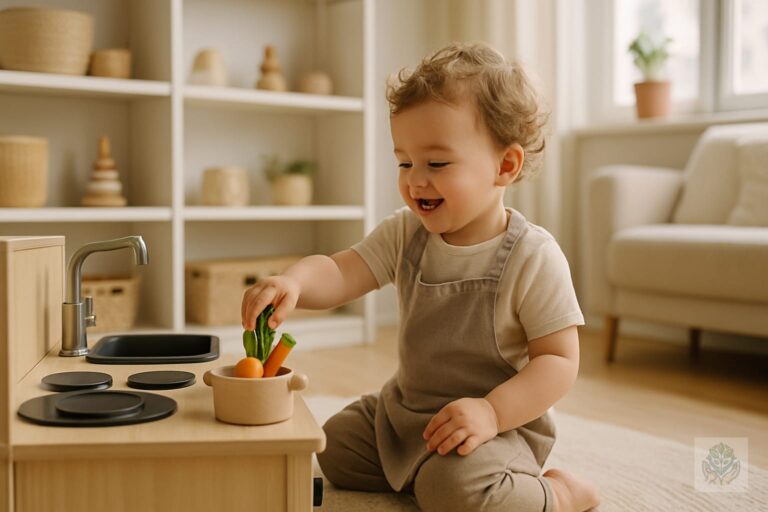
There is something truly magical about watching a toddler don a tiny apron and start preparing a pretend meal. Kitchen pretend play sets are more than just toys; they are miniature worlds where children can replicate the domestic rituals they see their parents perform every day. As parents and caregivers, finding the right kitchen set can feel overwhelming given the sheer variety available on the market today.
In this guide, we explore why these play stations are essential for early childhood development and walk you through our top 10 picks for 2024. Whether you are looking for an heirloom-quality wooden piece or an interactive station packed with bells and whistles, we have curated options that balance durability, safety, and engagement.
The Educational Benefits of Play Kitchens
The value of a play kitchen extends far beyond keeping a child busy for an hour. These stations act as developmental hubs that target multiple key areas of growth. When a child carefully places a wooden vegetable into a pot or struggles to turn a play oven dial, they are actively strengthening their fine motor skills and hand-eye coordination.
Role-play is another critical component. By pretending to be a chef or a restaurant owner, children navigate social scenarios, practice turn-taking, and build language skills. Furthermore, these sets provide a natural, low-pressure way to introduce foundational concepts of nutrition. You can talk about different food groups as they prepare a pretend salad, or teach organizational skills by having them return pots and pans to their designated hooks after service ends.
Top Picks: Kitchen Pretend Play Sets Every Child Will Love
Finding the perfect set depends on your lifestyle, your home layout, and your child’s specific interests. We have categorized our top picks to help you make an informed decision.
Best Overall: Premium Wooden Kitchen Sets
Wooden sets are the gold standard for many families due to their durability and timeless aesthetic. Brands like KidKraft and Hape offer sturdy designs that can withstand years of enthusiastic play. These sets often feature realistic cabinet doors and magnetic closures that feel satisfying for little hands to operate. Choosing between wood and plastic is often a matter of personal preference, but wooden sets frequently offer higher longevity.
Best for Tech Lovers: Interactive Kitchens
If your child is fascinated by gadgets, look for sets that include electronic elements. These kitchens often feature lights that flicker on the stovetop or sound effects like sizzling pans and boiling water. These interactive touches make the experience feel incredibly real and can keep older toddlers engaged for longer periods.
Best for Small Spaces
Living in an apartment or a home with limited playroom space does not mean you have to skip the pretend kitchen experience. Look for corner units or compact, wall-mounted designs. These smart, space-saving models offer all the functionality of full-sized kitchens without taking over your entire living area.
Best Budget-Friendly Options
You do not need to spend a small fortune to get a high-quality product. Many budget-friendly models offer incredible value by including basic accessories like utensils and play food right in the box. Focus on sets made from reinforced plastic or sustainable composite wood, which provide great longevity without a high price tag.
Best for Aspiring Chefs
For children who are truly passionate about cooking, look for sets that come with extensive accessory kits. These often include stainless steel pots, realistic oven mitts, and cut-apart play food. These “deluxe” sets create an immersive environment that encourages deeper role-playing sessions.
Key Features to Consider Before You Buy
Before hitting the checkout button, there are a few practical considerations to ensure you select the best kitchen pretend play set for your family.
- Material Quality: Decide between wood and high-grade plastic based on your preference for aesthetics versus portability.
- Height Appropriateness: Check the countertop height to ensure it fits your child comfortably so they are not hunched over or reaching too high.
- Storage Capacity: Look for units that include built-in hooks or shelving to help keep your play area tidy, similar to how you might organize other play equipment.
- Safety Certifications: Always verify that the product is lead-free and free from BPA or phthalates, ensuring the safety of your little one during play.
How to Maximize Playtime with Your New Kitchen
Once you have set up your new kitchen, keep the spark alive by refreshing the environment periodically. You don’t always need new toys; sometimes, simply changing the theme is enough. One week, transform the kitchen into a cozy neighborhood cafe, and the next, turn it into a busy grocery store checkout counter.
You can also incorporate open-ended items from around the house. Use real napkins, empty cardboard food boxes, or small wooden crates to add a layer of realism. By treating the play kitchen as a flexible tool rather than a static toy, you ensure that it remains a favorite for years to come. For more ways to encourage learning, explore our daily routine for kids to find the best times for imaginative play.
Conclusion
Choosing one of the 10 kitchen pretend play sets featured in this guide is an investment in your child’s imagination and social development. Whether you prioritize a sleek modern design or a feature-rich interactive set, the best choice is the one that invites your child to explore, create, and dream. Take the time to involve your child in the process, and get ready for a world of culinary adventures right in your own playroom. To complete your setup, check out our guide on the best non-toxic play food accessories to stock your new kitchen.
Frequently Asked Questions
What age is appropriate for kitchen pretend play sets?
Most children show an interest in play kitchens around 18 months to 2 years old, and these sets remain engaging for kids up to age 6 or 7.
Are wooden play kitchens better than plastic ones?
Wooden kitchens generally offer superior durability and aesthetic appeal, while plastic kitchens are often more lightweight, affordable, and portable.
Do play kitchens come with accessories included?
Some models include basic pots, pans, and play food, but many units require you to purchase accessories separately.
How do play kitchens help with child development?
They enhance fine motor skills, encourage social role-play, build language vocabulary, and introduce basic concepts of organization and nutrition.
How can I fit a play kitchen in a small space?
Look for corner kitchen units, compact wall-mounted designs, or minimalist models that offer full functionality without taking up too much room.
What safety features should I look for before buying?
Ensure the play set is made from non-toxic materials, is free from BPA and phthalates, features rounded corners, and has sturdy, tip-resistant construction.