Home Blog Page 8

15+ Free Printable Worksheets for 5-Year-Olds: Fun Learning at Home

15+ Free Printable Worksheets for 5-Year-Olds: Fun Learning at Home

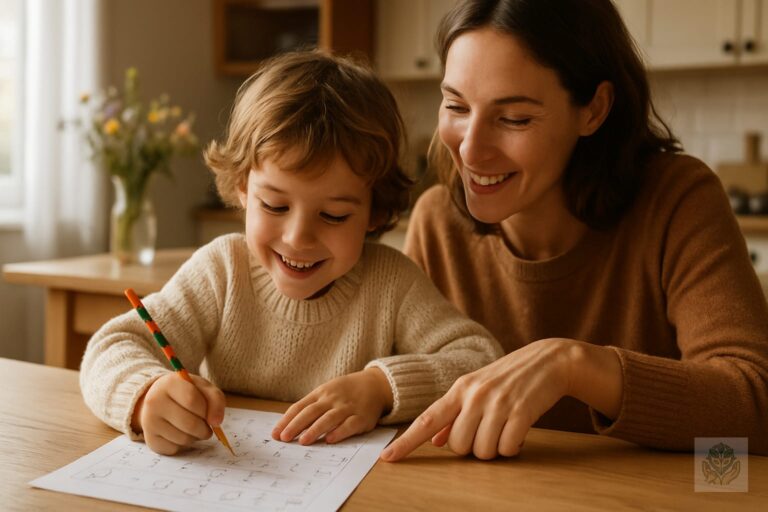
Five is a magical age. Your child is transitioning from pure play to more structured discovery, often preparing for or navigating the early days of kindergarten. Keeping them engaged during this period of rapid cognitive development is crucial, but it does not have to mean hours of screen time or expensive curriculum sets. Our collection of 15+ free printable worksheets for 5-year-olds offers a perfect blend of structure and creativity to keep young minds growing. If you have younger siblings, you might also find our 15+ free printable worksheets for 4-year-olds helpful.

Incorporating worksheets into your child’s day provides a tangible way to build foundational skills. Whether it is practicing letter formation, counting objects, or solving a simple maze, these activities help bridge the gap between abstract concepts and real-world understanding. In this guide, we will explore how you can use these resources to support literacy, math, and critical thinking at home.

Why 5-Year-Olds Need Hands-On Learning

At five years old, children are refining their fine motor skills and developing the attention span necessary for more focused tasks. Tracing letters, coloring within borders, and manipulating small objects are essential exercises that strengthen the muscles in their hands, eventually leading to better handwriting and dexterity. For more ideas, explore our 15 engaging indoor activities that improve fine motor skills for kids.

The goal is to maintain a healthy balance between play-based learning and structure. By introducing short, manageable activities, you help your child build confidence. When a child successfully completes a worksheet, it provides a sense of accomplishment that fuels their desire to learn more. These printable activities serve as a low-pressure tool to reinforce what they are learning in school or to give them a head start on foundational concepts.

Literacy & Language Arts Printables

Language development is a cornerstone of early education. Our printable library includes several tools to help your emerging reader gain confidence with phonics and writing.

  • Letter Recognition and Tracing: These sheets provide guided paths for children to practice writing uppercase and lowercase letters, helping them gain control over their pencil grip.
  • Beginning Sound Matching: Children draw lines to connect images with the letter that represents their starting sound. This is excellent for phonemic awareness.
  • Sight Word Coloring Pages: Instead of rote memorization, these pages use color-coding to help children recognize common high-frequency words.

Math & Number Sense Printables

Math for 5-year-olds should be visual and concrete. We have designed our math worksheets to move beyond simple memorization and toward genuine number sense. You can also supplement these with our complete guide to ABC and number activities for young learners.

  1. Counting to 20: These sheets feature fun illustrations that encourage children to count groups of objects, helping them practice one-to-one correspondence.
  2. Simple Addition and Subtraction: Using pictures of animals, shapes, or fruits, these worksheets make early arithmetic feel like a game rather than a chore.
  3. Pattern Recognition: Completing sequences is a vital logic skill. Our pattern worksheets challenge children to predict what comes next in a series, fostering early algebraic thinking.

Critical Thinking & Creative Printables

Learning is about more than just numbers and letters. Developing the ability to solve problems independently is a lifelong skill that starts with fun, logic-based activities.

Try incorporating our maze printables, which require planning and spatial awareness. Additionally, our spot-the-difference sheets are fantastic for building visual discrimination and focus. We also include categorization tasks, where children sort items by shape, size, or category, strengthening their executive function and organizational skills.

How to Use These Worksheets Effectively

Consistency is key, but so is enthusiasm. To make the most of your free printable worksheets for 5-year-olds, consider setting up a dedicated learning space. A small desk or even a specific corner of the kitchen table can become a place where your child knows it is time for focused, fun activities. For help setting up, see our guide on how to build a simple preschool learning corner.

Avoid burnout by keeping sessions short—typically 10 to 15 minutes is plenty for a five-year-old. Integrate these worksheets into your daily routine, perhaps during breakfast or while you are preparing dinner. Remember, the objective is to nurture a love for learning, so if your child seems frustrated, feel free to switch to a different activity or put the materials away for a later time.

Pro-Tips for Printing and Reusability

You do not need to print a new sheet every single time. Here are some of our favorite ways to get more life out of your printable resources:

  • Lamination: If you have a laminator, cover your sheets in plastic. You can then use dry-erase markers, allowing your child to trace, solve, and color their worksheets over and over again.
  • Learning Portfolios: Use a three-ring binder with sheet protectors to store completed work. This acts as a ‘learning portfolio’ that tracks your child’s progress over months and provides a sense of pride in their achievements.
  • Printer Settings: Always choose ‘high quality’ or ‘best’ settings for printing to ensure that lines are sharp and illustrations are clear, which makes the work easier for small eyes to follow.

Conclusion

Using free printable worksheets for 5-year-olds is a simple, effective way to support your child’s kindergarten readiness and instill a genuine passion for discovery. By focusing on engaging, age-appropriate activities, you provide the building blocks they need to succeed academically while keeping the process fun and lighthearted. Learn more about creating a consistent environment in our how to create a daily activity routine for preschoolers guide.

Remember that every child develops at their own pace. Follow their lead, celebrate their progress, and enjoy this special time of exploration together. Ready to get started? Download our starter bundle today or subscribe to our newsletter for new monthly activity updates delivered straight to your inbox!

Frequently Asked Questions

What skills do printable worksheets for 5-year-olds develop?

These worksheets help develop essential foundational skills, including early literacy, phonics, number sense, pattern recognition, and fine motor skills like pencil control and handwriting dexterity.

How long should a 5-year-old spend on worksheets daily?

Sessions should be short and engaging, typically lasting between 10 to 15 minutes. This prevents burnout and keeps learning enjoyable for a five-year-old child.

Can I reuse these printable worksheets?

Yes! You can laminate the worksheets or place them inside plastic sheet protectors and use dry-erase markers so your child can practice their tracing and math problems repeatedly.

Are these printable worksheets suitable for kindergarten preparation?

Absolutely. They are specifically designed to bridge the gap between play and structured learning, helping children build the confidence and academic readiness needed for kindergarten.

What types of subjects are included in the worksheets?

The collection covers a variety of subjects, including language arts, letter tracing, beginning sounds, counting up to 20, simple addition and subtraction, and critical thinking mazes.

How do I make worksheet time fun for my child?

Keep the atmosphere positive and low-pressure. Set up a special learning corner, use colorful markers, follow your child’s pace, and celebrate their completed tasks to build enthusiasm.
10 Creative Finger Painting and Coloring Activities for Toddlers (Mess-Free Tips Included!)

10 Creative Finger Painting and Coloring Activities for Toddlers (Mess-Free Tips Included!)

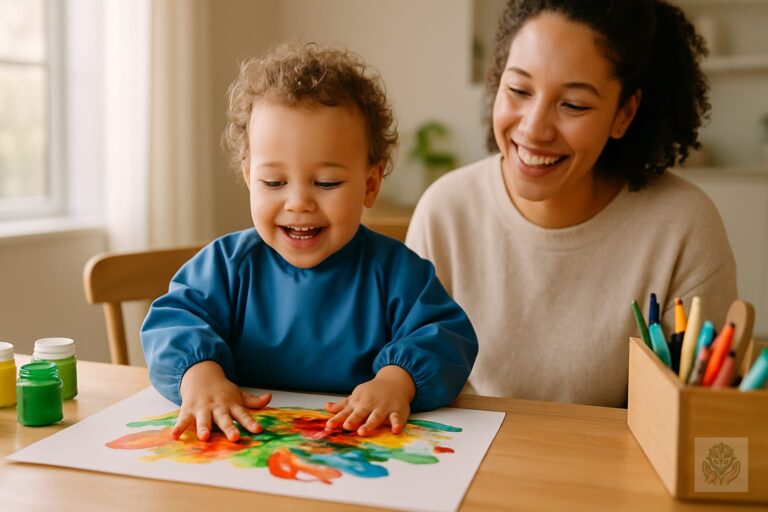
As a parent, watching your child discover the joy of color and texture is a magical experience. However, the prospect of paint on your carpet or markers on your walls can feel daunting. Integrating creative finger painting and coloring activities for toddlers into your routine is not just about keeping them busy; it is a vital step in their early childhood development.

Creativity is a core pillar of cognitive and emotional growth. When your little one engages in sensory art, they are learning to process the world around them. This guide will walk you through ten engaging activities that foster imagination while providing you with expert, mess-free strategies to keep your home clean and your sanity intact. For more ways to keep them busy, check out our ultimate guide to indoor toddler activities.

The Benefits of Finger Painting and Coloring for Toddlers

Art is much more than just making a picture. It is a full-body learning experience that impacts several areas of a child’s development. By practicing creative finger painting and coloring activities for toddlers, you are helping them build essential skills that will serve them well as they grow.

Fine motor skill development

Holding a crayon, dipping fingers into paint, and maneuvering brushes all require precision. These movements strengthen the small muscles in their hands and fingers, which serves as the foundation for future skills like writing, tying shoes, and using utensils. You can further support this growth with 11 easy hand strengthening activities for preschoolers.

Color recognition and early cognitive growth

Art provides a tangible way to teach color theory. When you name the colors they use, your child begins to categorize the world. Understanding that red and blue can mix to create purple is a high-level cognitive discovery that happens right on the page.

Emotional expression and self-soothing

Toddlers often lack the vocabulary to express complex feelings. Painting and coloring allow them to release energy and express emotions in a safe, non-verbal environment. The repetitive motion of coloring or the tactile feel of paint can actually have a calming, meditative effect on an overstimulated child.

Preparation: Setting Up Your Toddler Art Station

The secret to enjoying art time is preparation. If you have a system, the mess becomes manageable. Creating a dedicated space for creative finger painting and coloring activities for toddlers signals to your child that it is time to focus and create. If you are looking to design a permanent area, follow our guide on how to build a simple preschool learning corner.

  • The low-mess zone: Use a plastic shower curtain or a vinyl tablecloth on the floor. If you are doing table art, keep a stack of paper towels nearby at all times.
  • Essential tools: Keep washable markers, non-toxic finger paints, jumbo crayons, and a water bowl for rinsing brushes in a designated caddy.
  • Supply selection: Always check labels for non-toxic and washable certifications. Investing in high-quality toddler-specific supplies saves you hours of scrubbing later.

Top 5 Engaging Finger Painting Activities

Ready to get creative? These five finger painting ideas offer a variety of textures and experiences for your little one.

  1. Classic Paper Finger Painting: Use thick construction paper or heavy cardstock. Tape the edges down to the table to prevent sliding, and let them explore the feel of paint on paper.
  2. Mess-Free Ziploc Bag Painting: Squirt small amounts of paint inside a sealed Ziploc bag, tape it to the table or a window, and let your toddler push the paint around with their fingers without touching it directly.
  3. Bathtub Finger Painting: The ultimate cleanup hack. Let your toddler paint on the shower walls using washable paint during bath time. When they are done, just rinse the walls with the showerhead.
  4. Texture Painting: Introduce sponges, foam brushes, or even bubble wrap to add unique textures to their art pieces. This helps toddlers understand how different tools create different results.
  5. Edible Yogurt Paint: For younger toddlers who still explore everything with their mouths, mix plain yogurt with food coloring. It is safe, tactile, and provides a fun sensory experience.

Top 5 Creative Coloring Activities

Coloring does not have to mean sitting at a table with a standard coloring book. Try these dynamic ways to encourage artistic expression, including these 7 creative texture coloring activities for toddlers.

  1. Giant Floor Mural: Roll out a long piece of butcher paper on the floor. A larger canvas encourages more movement and allows your child to use their whole arm rather than just their wrist.
  2. Sticker-Resist Coloring: Place stickers on a sheet of paper, let your child color over them, and then peel the stickers off to reveal the white silhouettes underneath.
  3. Cardboard Box Creations: Never throw away shipping boxes! Give your toddler markers and let them decorate the walls of their own cardboard castle.
  4. Nature Rubbing: Go for a walk to collect leaves, twigs, or bark. Place them under a sheet of paper and have your child rub crayons over them to reveal the hidden textures.
  5. Window Coloring: Use window markers to color directly on glass or sliding doors. This vertical surface creates a unique drawing experience and is easily wiped clean with a damp cloth.

Expert Tips for Managing the Mess

Accepting that creative finger painting and coloring activities for toddlers might get a little messy is part of the journey. However, you can minimize the stress with these expert tips:

Always perform a little prep work. If you prepare the environment before you bring your toddler to the station, you will be much calmer. Keep an “art smock” or an old oversized t-shirt for your child to wear to protect their clothes.

Reframing the mess is also key. View the stray paint marks as evidence of your child’s exploration rather than a cleaning chore. Focus on the learning process rather than the final product. Your child is not trying to create a masterpiece; they are learning about their own influence on the physical world. For more ways to build a routine that includes these activities, read our article on how to create a daily activity routine for preschoolers.

FAQs About Toddler Art

Parents often have questions about safety and age-appropriateness when starting these projects.

  • At what age can toddlers start? Most children can start finger painting around 12 to 18 months, provided you use non-toxic, food-grade materials.
  • Are all paints safe? Not necessarily. Always look for the AP (Approved Product) seal or “non-toxic” on the label.
  • What if they put paint in their mouth? If you are concerned, stick to homemade paints like yogurt-based paints or even whipped cream colored with food dye until they grow out of the oral exploration phase.

Conclusion

Incorporating creative finger painting and coloring activities for toddlers into your daily life is a wonderful way to bond and support your child’s development. Whether you are painting in the bathtub or drawing on cardboard boxes, the memories you make are worth every bit of the cleanup. Focus on the fun, embrace the process over perfection, and watch your toddler’s creativity soar. Do you have a favorite art activity? Share your toddler’s latest creation with us on social media using our hashtag!

Frequently Asked Questions

At what age can toddlers start finger painting?

Most children can safely start finger painting around 12 to 18 months old, provided you use non-toxic, child-safe, or washable materials.

Are all commercial paints safe for toddlers?

No, not all paints are safe. Always check product labels for non-toxic certifications or the AP seal before letting your toddler use them.

What should I do if my toddler puts paint in their mouth?

If your child is still in the oral exploration phase, use edible, homemade alternatives like yogurt mixed with food coloring or colored whipped cream.

How can I keep finger painting mess-free?

You can keep messes manageable by using a Ziploc bag painting method, setting up art time in the bathtub, or laying down a vinyl tablecloth beforehand.

What are the developmental benefits of coloring for toddlers?

Coloring helps develop fine motor skills, strengthens hand muscles for future writing, improves color recognition, and provides a healthy outlet for emotional expression.

How do I protect my toddler’s clothes during art activities?

Always have your child wear a dedicated art smock or an oversized, old adult t-shirt to protect their everyday clothing from paint and marker stains.

15 Fun Sensory Bin Fillers for Toddlers: Easy & Engaging Ideas

0

15 Fun Sensory Bin Fillers for Toddlers: Easy & Engaging Ideas

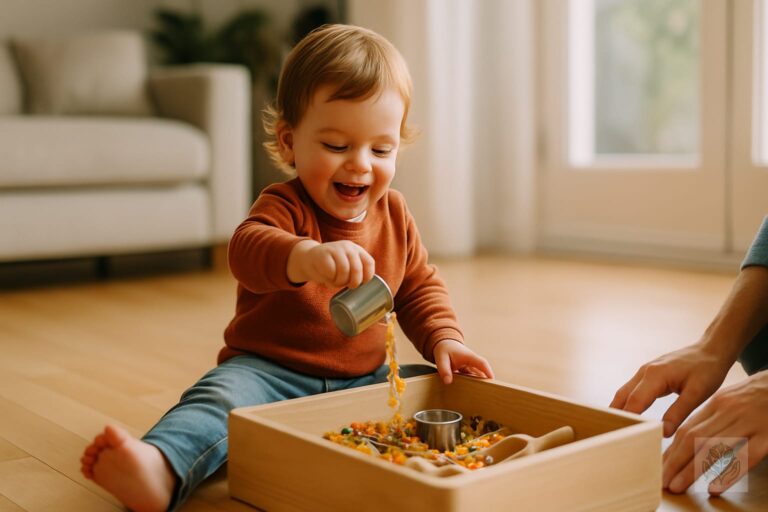
As a parent, you are always looking for ways to keep your little one entertained while supporting their growing mind. If you haven’t yet dipped your toes into the world of sensory play, you are in for a treat. Sensory bins are essentially containers filled with various materials designed to stimulate the senses and encourage exploration.

Choosing the right materials is the key to a successful play session. By incorporating 15 fun sensory bin fillers for toddlers, you can provide a dynamic environment where your child learns about textures, weights, and sounds while practicing essential developmental milestones.

The Benefits of Sensory Bin Play

Sensory play is more than just a fun distraction; it is a vital part of early childhood development. When children dig their hands into a bin filled with interesting textures, they are engaging in complex neurological work that prepares them for future learning.

First, sensory bins are excellent for developing fine motor skills. Using fingers to scoop, pour, pinch, and transfer items strengthens the small muscles in the hands and improves hand-eye coordination. These actions serve as a foundation for future tasks like holding a pencil or zipping a jacket. For more ideas, explore our 15 engaging indoor activities that improve fine motor skills for kids.

Second, these activities encourage cognitive growth and problem-solving. A toddler might figure out that a large scoop fills a bucket faster than a spoon, or they may discover that different materials produce different sounds when dropped. This scientific experimentation is the bedrock of logical thinking.

Finally, sensory play promotes sensory regulation. For many toddlers, the rhythmic act of sifting through materials can be deeply calming. It offers a grounded, focused activity that can help soothe a child after a busy morning or during transitions. You can also incorporate these 15 easy movement activities for kids at home to help burn off extra energy.

15 Fun Sensory Bin Fillers for Toddlers

Ready to get started? Here are 15 diverse materials that make excellent bases for your next sensory setup.

  • 1. Dried Rice: A classic base that offers a satisfying sound and texture. It is easy to find, inexpensive, and simple to clean up.
  • 2. Dried Pasta: Use various shapes like rotini or bowties. The larger sizes are great for younger toddlers who are just starting to grasp objects.
  • 3. Water Beads: These gel-like spheres provide a unique squishy sensation. Always ensure your toddler is past the mouthing stage, as these are a major choking hazard if ingested.
  • 4. Kinetic Sand: This material holds its shape, making it perfect for molding and sculpting without the mess of traditional beach sand.
  • 5. Dried Beans or Lentils: These offer a heavier tactile experience and create a wonderful rhythmic sound when poured between containers.
  • 6. Water with Floating Toys: Sometimes the best filler is the simplest. Add bubbles or food coloring to make a splashy, engaging water bin. You can check out our 15 engaging screen-free water activities for toddlers for more inspiration.
  • 7. Pom-Poms: Soft, lightweight, and colorful, these are perfect for sorting activities and provide a gentle tactile experience.
  • 8. Shredded Paper: Use a paper shredder to create a light, voluminous base. It is excellent for “hiding” small toys inside for your child to find.
  • 9. Oats: A wonderful, edible-safe option for younger toddlers who are still exploring with their mouths. Learn how to make a simple oat sensory bin at home with our step-by-step guide.
  • 10. Cotton Balls: A soft, quiet sensory experience that is very different from harder fillers like rice or beans.
  • 11. Rainbow Pasta: Add food coloring and vinegar to your dry pasta to create a vibrant, visually stimulating sensory environment.
  • 12. Polenta or Cornmeal: This provides a fine, beach-like texture that feels amazing on the skin and allows for easy burying of small items.
  • 13. Dyed Chickpeas: Much larger than rice, these are highly durable and easy to color, making them a long-lasting staple for your bin.
  • 14. Salt: Use a thin layer of salt on a tray or in a shallow bin to practice finger-tracing letters or shapes.
  • 15. Crinkle Cut Paper: Often found in gift packaging, this provides a fun sound and texture that adds a unique layer to any sensory bin theme.

Safety Tips for Sensory Bin Success

Safety is the top priority when introducing new materials. First, supervision is non-negotiable. Stay within arm’s reach of your toddler whenever they are exploring their sensory bin, especially if you are using small items that could pose a choking risk. For more on keeping your home safe, review our everything parents need to know about baby safety guide.

If your child is still exploring the world by putting objects in their mouth, focus on edible-safe fillers like oats, cooked pasta, or cereals. Always check the materials for any small debris before play begins and ensure that the play area is clear of other potential hazards.

Tips for Minimizing the Mess

Let’s be honest: sensory play can get messy. However, with the right strategy, you can keep the cleanup manageable. Start by using a large floor mat or an old shower curtain underneath the bin to catch any spills.

Establish a no-throwing rule early on. Teach your child that the materials stay inside the bin. If they struggle with this, keep the session short and try again later. Finally, keep a small broom and dustpan nearby. Giving your toddler a chance to help clean up is a great way to teach responsibility!

Essential Sensory Bin Tools

To maximize the educational value, provide your child with tools that encourage different movements. Include scoops, tongs, and spoons to help your toddler practice the pincer grasp and coordination. Small containers of varying sizes are perfect for dumping and filling, which helps teach concepts of volume and capacity.

Don’t forget to include thematic figurines. Whether you are using plastic farm animals, construction vehicles, or small dolls, adding a narrative element transforms a simple bucket of rice into an entire imaginative world. You can learn more about these developmental benefits in our article on the educational benefits of pretend play.

Conclusion

Implementing consistent sensory play into your weekly routine can make a world of difference in your child’s developmental journey. By rotating through these 15 fun sensory bin fillers for toddlers, you keep the experience fresh, exciting, and full of learning opportunities.

The most important thing is to have fun and follow your child’s lead. Do you have a favorite filler that keeps your little one busy? Share your top picks and your best clean-up tips in the comments below!

Frequently Asked Questions

What are sensory bins?

Sensory bins are containers filled with various materials designed to stimulate a toddler’s senses, encourage hands-on exploration, and support early childhood development.

Are sensory bins safe for toddlers?

Yes, sensory bins are safe when appropriate materials are chosen and close adult supervision is maintained at all times to prevent choking risks.

What are the best sensory bin fillers for young toddlers?

For younger toddlers who still mouth objects, edible-safe fillers like oats, cereal, or cooked pasta are the safest options.

How do sensory bins help with development?

They help develop fine motor skills, encourage cognitive growth, improve hand-eye coordination, and promote emotional self-regulation.

How can I minimize the mess during sensory play?

Place a large floor mat or old shower curtain under the bin, establish a strict no-throwing rule, and keep a small broom handy for easy cleanup.

What tools should I include in a sensory bin?

Include scoops, spoons, tongs, small cups, and thematic figurines to encourage imaginative play and practice the pincer grasp.

The Complete Guide to Montessori Toys for Every Age: A Developmental Roadmap

The Complete Guide to Montessori Toys for Every Age: A Developmental Roadmap

As parents, we often find ourselves overwhelmed by the sheer volume of plastic gadgets and battery-operated toys flooding the market. It is easy to assume that more flashing lights and loud sounds equal better engagement for our children. However, the Montessori approach to play suggests something quite different: when it comes to healthy brain development, less is truly more.

By prioritizing Montessori toys for every age, you are not just choosing playthings; you are curating an environment that supports your child’s natural desire to learn, explore, and master their surroundings. In this guide, we will explore why intentional toy selection is a cornerstone of early childhood development and how you can implement these principles at home.

The Core Principles of Montessori Toys

Montessori toys are not merely about aesthetics. They are grounded in scientific observations of how children learn best. Unlike mainstream toys that often do the work for the child, Montessori materials require the child to be an active participant. Understanding these principles helps parents identify high-quality items that will stand the test of time.

Natural Materials

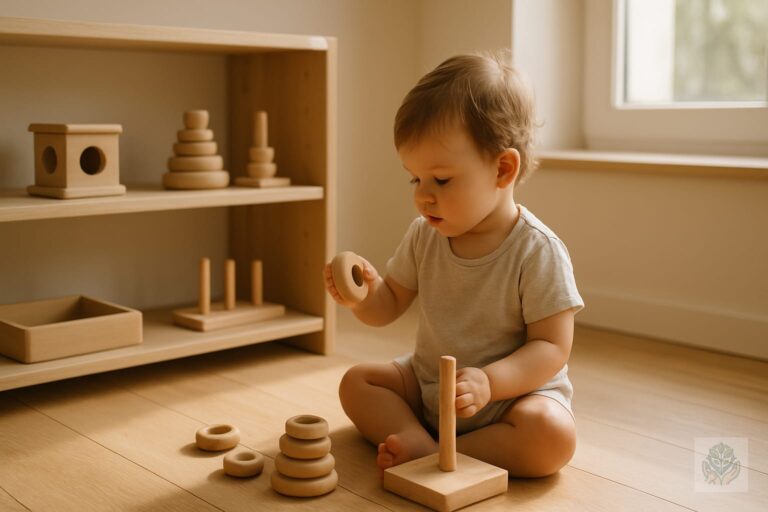
Montessori environments favor natural materials like wood, metal, cotton, and wool. These textures provide authentic sensory feedback that synthetic materials cannot match. When a child holds a smooth wooden block or a weighted metal spoon, they learn about temperature, density, and texture in a way that is grounded in reality.

Reality-Based Play

A key differentiator in the Montessori method is the focus on reality-based activities rather than fantasy. Instead of plastic superhero figures or toy sets that simulate unrealistic worlds, Montessori toys often reflect the child’s actual environment. This helps children make sense of the real world, empowering them to participate in daily tasks like pouring, cleaning, and sorting. You can find more inspiration for these hands-on activities in our educational benefits of pretend play guide.

The Role of Open-Endedness

Open-ended toys are those that do not have a single intended purpose. A set of wooden arches, for instance, can be a tunnel for a car, a bridge for a figurine, or a balancing challenge. These materials grow with your child, inviting complex problem-solving and creative thinking as they age.

Montessori Toys by Developmental Stage

Development happens in rapid bursts during the early years. The best approach is to match your toys to your child’s current sensitive period of learning. For a broader perspective on age-appropriate items, check out our guide on everything you need to know about choosing toys by age.

0-6 Months: Sensory Stimulation and Tracking

During these early months, focus on high-contrast visuals and simple tactile experiences. Mobiles, soft grasping balls, and wooden rattles help develop visual tracking and hand-eye coordination. Keep the environment quiet and uncluttered to prevent sensory overload.

6-12 Months: Object Permanence and Grasping

As your baby begins to sit and crawl, they are fascinated by the concept of object permanence. Toys like object permanence boxes, simple shape sorters, and stacking rings allow them to practice the pincer grasp and explore cause-and-effect relationships.

12-24 Months: Fine Motor Skills and Practical Life

This is the age of exploration. Children are eager to mimic adults. Introduce tools that allow them to practice practical life skills, such as small pitchers for pouring water, child-sized brooms, or simple puzzles. These activities refine their fine motor skills and build confidence. Many of these skills are also boosted by 15 engaging indoor activities that improve fine motor skills for kids.

2-3 Years: Language, Classification, and Coordination

At this stage, children enjoy categorizing the world around them. Provide sorting trays, animal figurines that match realistic flashcards, and simple lacing beads. These activities support early mathematical thinking and language development through classification.

3-5 Years: Creative Problem Solving and Complex Practical Life

Preschoolers are capable of longer bouts of focus. Introduce more complex puzzles, materials for writing preparation, and elaborate practical life tasks like food preparation or buttoning frames. The goal here is mastery and the refinement of complex movements.

Practical Tips for Your Montessori Playroom

Setting up your home environment is just as important as the toys themselves. Here is how to create a space that encourages independent exploration. You might also consider setting up a simple preschool learning corner to further support their development.

  • Rotate your toys: Keep only 6-8 toys available at a time. Rotate them out every two weeks to keep your child interested and prevent clutter.
  • Create a ‘yes’ space: Use low, open shelves so that children can access their materials independently without needing to ask for help.
  • Observe your child: Pay attention to what your child is drawn to. If they are constantly dumping boxes, they may need a sorting activity. Follow their lead.

Common Montessori Myths Debunked

There is a common misconception that Montessori toys for every age must be expensive, boutique items. This is simply not true. Montessori is a philosophy of mind, not a price tag. You do not need to purchase expensive wooden sets to reap the benefits. Furthermore, while plastic is often discouraged due to texture and durability, a single high-quality, long-lasting plastic item is arguably more aligned with Montessori than a house full of flimsy, single-use toys.

How to Select Quality Montessori Toys on a Budget

You can build a beautiful Montessori-inspired environment without breaking the bank. Many of the best “toys” are actually everyday household items. Stainless steel bowls, whisking tools, and cotton rags are often more engaging for children than dedicated playthings. When purchasing toys, look for heirloom-quality wood or metal items that can be passed down to siblings or friends. Thrifting is another excellent way to find pre-loved wooden puzzles and baskets at a fraction of the cost.

Conclusion

Incorporating Montessori toys for every age into your home is an investment in your child’s independence, confidence, and ability to focus. By choosing materials that reflect reality, offer natural sensory feedback, and grow with your child’s capabilities, you provide a foundation for a lifetime of curiosity. Remember, the best toy is always the one that engages your child’s interest while encouraging them to interact with the world around them. Start small, observe your child, and enjoy the process of watching them learn. For more expert tips, check out our article on everything you need to know about Montessori learning toys.

Ready to simplify your home? Sign up for our newsletter to receive our exclusive Montessori Toy Rotation Checklist to help you organize your play space with ease.

Frequently Asked Questions

What are Montessori toys?

Montessori toys are simple, purposeful playthings made from natural materials that encourage active, hands-on learning and independence rather than passive entertainment.

Are plastic toys allowed in the Montessori method?

While natural materials like wood and metal are preferred for their sensory feedback, durability and long-term use matter more than rigid rules against plastic.

How do I choose Montessori toys for newborns?

For newborns aged 0-6 months, focus on high-contrast visual mobiles, soft grasping balls, and simple wooden rattles to support tracking and sensory awareness.

Do Montessori toys have to be expensive?

No, Montessori is a philosophy rather than a price tag. Everyday household items like stainless steel bowls and whisking tools can serve as wonderful developmental toys.

How often should I rotate my child’s toys?

It is recommended to keep only 6 to 8 toys accessible at a time and rotate them out every two weeks to maintain interest and prevent clutter.

Why do Montessori toys avoid fantasy?

Montessori emphasizes reality-based play to help young children make sense of their actual environment and master practical life skills.

10 Fun DIY Crafts That Strengthen Hand-Eye Coordination in Kids

0

10 Fun DIY Crafts That Strengthen Hand-Eye Coordination in Kids

Every parent wants to see their child thrive, and often, the most effective tools for development are hiding in plain sight within our own homes. Have you ever considered that the simple act of cutting paper or threading beads is doing far more than just keeping your child entertained? These activities are essential for building hand-eye coordination in kids, a critical skill that serves as the foundation for future success in writing, reading, and even sports.

Developing fine motor skills through the philosophy of learning through play is a gentle and effective way to prepare little ones for the challenges of school. By engaging in creative tasks, children bridge the gap between their visual perception and physical execution. Fortunately, you do not need expensive toys or complicated gadgets to support this growth. Engaging in DIY crafts is an accessible, affordable, and deeply engaging way to boost development while creating lasting memories together. If you are looking for more ways to help your child grow, explore our 10 fun DIY crafts that improve fine motor skills in toddlers and preschoolers.

Why Crafting is a Developmental Powerhouse

At its core, crafting is a sensory-rich experience that strengthens the connection between the brain and the hands. When a child focuses on a specific task, they are building neural pathways that improve their ability to control muscle movements. Repetitive actions like cutting, threading, or pinching require a high level of concentration, which in turn fosters patience and focus.

As your child manipulates materials, they are constantly calibrating their movements based on what their eyes see. This is the essence of hand-eye coordination. When children practice these motions, they are not just making art; they are training their brains to synchronize visual information with physical actions, which is a vital milestone in early childhood development. For additional practice, check out these 15 engaging indoor activities that improve fine motor skills for kids.

10 Fun DIY Crafts for Hand-Eye Coordination

DIY Craft 1: DIY Lacing Cards (The Precision Builder)

Lacing cards are a classic tool for improving dexterity. To create your own, take a piece of sturdy cardboard and cut it into fun shapes like stars, hearts, or animals. Use a hole puncher to create holes around the edges of your shape. Provide your child with a shoelace or a piece of yarn tipped with tape to act as a needle.

Ask your child to thread the string through each hole. This activity is excellent for practicing precision and tracking. By focusing on where the string goes, your child improves their grip and learns to manage space effectively.

DIY Craft 2: Beaded Pipe Cleaner Sculptures

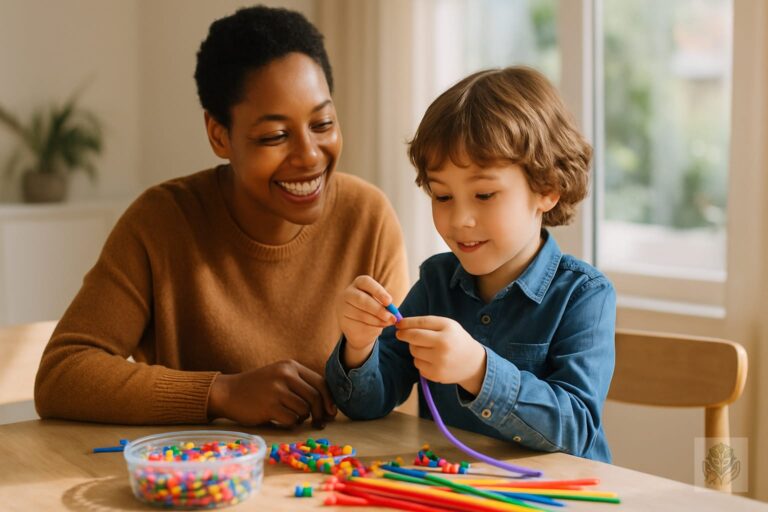
This craft is perfect for building the pincer grasp—the ability to pick up small objects between the thumb and forefinger. All you need are a handful of colorful pipe cleaners and various plastic beads. Encourage your child to slide the beads onto the pipe cleaners and twist them into different shapes or creatures.

This simple task requires significant focus. As children decide where to place each bead, they also develop spatial awareness. They must gauge the length of the pipe cleaner and the size of the beads, making this an ideal exercise for fine motor control.

DIY Craft 3: Homemade Suncatchers with Tissue Paper

This activity turns your window into a canvas. You will need clear contact paper, colorful tissue paper squares, and a pair of child-safe scissors. Peel back the contact paper and let your child stick the tissue paper pieces onto the sticky side. Once covered, you can frame it with construction paper.

The process of tearing the tissue paper into smaller bits and placing them precisely on the adhesive surface engages the visual system. It encourages children to track their movements carefully to ensure the entire area is covered, providing a great workout for hand-eye synchronization. For more sensory exploration, you might enjoy learning how to make a simple oat sensory bin at home.

DIY Craft 4: Paper Plate Weaving

Weaving is a fantastic way to develop bilateral coordination, which is the ability to use both sides of the body together. Cut an odd number of notches into the edge of a paper plate and wind yarn around the plate to create a loom. Give your child a blunt plastic needle threaded with a different color of yarn to weave in and out of the existing lines.

This requires the child to hold the plate steady with one hand while manipulating the needle with the other. It is a wonderful way to teach them how their hands can cooperate to complete a complex task.

DIY Craft 5: Salt Dough Ornaments with Imprints

Salt dough is a classic, sensory-friendly medium. Combine two cups of flour, one cup of salt, and one cup of water to create a malleable dough. Roll it out and let your child use cookie cutters or natural items like leaves and twigs to create imprints.

The act of pressing an object into the dough requires firm pressure and accurate placement. It offers tactile feedback that helps children understand the force they need to apply, which is crucial for developing the muscle strength necessary for writing and drawing. You can further build hand strength with these 11 easy hand strengthening activities for preschoolers.

Expert Tips for Success

When introducing these crafts, remember that modification is key. For younger children, use larger materials, like thicker yarn or larger beads, to account for their developing motor skills. As they get older, transition to smaller, more intricate materials to keep them challenged.

Parental involvement should balance support and independence. Provide instructions and encouragement, but let the child do the physical work. Even if the craft does not look perfect, the developmental benefits come from the effort they put in. Always keep safety in mind, especially when using scissors, and ensure that all small parts are age-appropriate to prevent choking hazards. For guidance on appropriate gear, see our ultimate beginner’s guide to buying age-appropriate toys.

How to Integrate Crafts into Your Weekly Routine

Consistency is more important than duration. You do not need to spend hours crafting every day. A dedicated 15-minute session is often enough to yield great benefits without overwhelming your child. Create a low-mess craft station using a plastic tablecloth or a designated tray where all your supplies are organized.

Having a consistent place and time for crafts helps children transition into a focused mindset. It turns creativity into a healthy habit rather than a sporadic event, ensuring they get regular practice in strengthening their coordination skills.

Conclusion

Strengthening hand-eye coordination in kids does not have to be a chore. By incorporating these DIY crafts into your weekly routine, you are providing your child with valuable developmental opportunities that extend far beyond the art table. Remember, the goal is not to produce museum-quality masterpieces but to provide a space where your child can experiment, learn, and grow.

Focus on the process, enjoy the messy hands, and celebrate every small success along the way. Your support is the most important part of their developmental journey. If you found these ideas helpful, share your own craft creations in the comments below or subscribe to our newsletter for more fun and developmental activity ideas.

Frequently Asked Questions

What is hand-eye coordination in kids?

Hand-eye coordination is the ability of the visual system to coordinate the information received through the eyes to control, guide, and direct the hands in the execution of a given task.

At what age can kids start doing DIY crafts?

Children can start doing simple, age-appropriate crafts as early as toddlers, around 18 months to 2 years old, using large materials and safe tools like blunt scissors and chunky crayons.

How do crafts improve fine motor skills?

Crafts require children to use small muscles in their hands and fingers for tasks like cutting, pinching, threading, and holding, which directly strengthens their muscle control and dexterity.

Are these DIY crafts safe for toddlers?

Yes, most of these crafts use everyday household items and child-safe materials, but adult supervision is always recommended, especially when using scissors or small beads.

How often should kids do craft activities?

Consistency is key. Short, 15-minute crafting sessions a few times a week are plenty to support healthy developmental growth without overwhelming the child.

What materials do I need for basic coordination crafts?

You only need simple household items like paper plates, yarn, cardboard, pipe cleaners, beads, tissue paper, and non-toxic glue or tape.

15 Fun Indoor Activities That Build Gross Motor Skills for Toddlers & Kids

15 Fun Indoor Activities That Build Gross Motor Skills for Toddlers & Kids

Every parent knows the challenge of a rainy afternoon or a cold winter day when little ones are bouncing off the walls. While it is tempting to reach for screen time, these moments are actually golden opportunities to support your child’s physical development. Engaging in 15 fun indoor activities that build gross motor skills for toddlers & kids is the perfect way to burn off energy while strengthening their bodies and minds.

Gross motor skills are the foundation of physical health, and you do not need a gym or a backyard to help your child thrive. By utilizing simple household items, you can transform your living room into an active zone that fosters confidence, coordination, and joy. In this guide, we will explore why movement matters and provide you with actionable, low-cost activities to keep your children moving throughout the year.

What Are Gross Motor Skills and Why Do They Matter?

Gross motor skills involve the movement and coordination of the large muscle groups in the arms, legs, and torso. These skills allow children to perform essential everyday movements like walking, running, jumping, climbing, and balancing. When we talk about physical development, these skills are the building blocks that lead to more complex tasks, such as sports, swimming, and even writing, as they establish the core stability needed for fine motor success.

Beyond physical fitness, there is a strong connection between movement and brain development. When a child engages in balancing or jumping, they are firing up neurological pathways that enhance spatial awareness and sensory processing. You might notice that after a good bout of physical play, your child is often more focused and better able to regulate their emotions. Meeting these milestones is a significant part of healthy development, and observing their progress can provide great insight into their overall growth.

The Best Indoor Activities for Gross Motor Development

You do not need expensive equipment to get your children moving. Here are six essential indoor activities for gross motor development that are guaranteed to get everyone laughing and moving.

1. DIY Indoor Obstacle Courses

Use pillows, blankets, sturdy chairs, and couch cushions to create a maze. Encourage your child to crawl under the coffee table, climb over the sofa, and jump onto a pile of pillows. This builds planning skills, balance, and spatial awareness as they navigate their environment.

2. The Floor is Lava Challenge

Place cushions or towels on the floor as safe islands. The goal is to get from one side of the room to the other without touching the carpet. This classic game is incredible for core strength and balance, as it forces children to slow down and consider their footing.

3. Balloon Volleyball

Keep a balloon in the air using only hands or foam pool noodles. Because balloons move slowly, they are perfect for developing hand-eye coordination and tracking skills, even in the smallest of living rooms.

4. Animal Walks

Turn movement into a game by mimicking animals. Try the bear crawl for upper body strength, the crab walk for core stability, or the frog jump for explosive leg power. These movements engage muscle groups that standard walking often misses.

5. Tape Balance Beams

Use painter’s tape to create a straight or zigzag line on the floor. Challenge your child to walk heel-to-toe along the line. This simple activity is a masterclass in concentration and physical precision.

6. Indoor Bowling

Recycle empty plastic bottles or use plastic cups as pins. Use a soft ball to knock them down. This helps with aim, distance estimation, and the gross motor control required for a smooth throwing motion.

Gross Motor Games for Small Spaces

If you are working with a smaller apartment, do not worry. You can still focus on body control without needing to run laps.

Simon Says is a fantastic tool for listening skills and controlled movement. Use commands like hop on one foot, reach for the ceiling, or touch your toes to keep their muscles engaged. Similarly, Freeze Dance is a household favorite. It requires your child to balance and hold a position mid-movement, which strengthens their core and improves proprioception, or the sense of where their body is in space.

Finally, introduce Yoga for Kids. Stretching poses like downward dog or tree pose are excellent for stability and flexibility. You can find many kid-friendly yoga videos online to guide them through these calm yet physically demanding movements. For more ideas, check out our guide on easy movement activities for kids at home.

Equipment Essentials for Indoor Physical Play

To set up these activities, you only need a few budget-friendly items that most homes already have:

  • Painter’s tape: Perfect for creating lines and shapes without damaging floors.
  • Balloons: Lightweight and safe for indoor play.
  • Pillows and cushions: Ideal for impact-absorbing landing pads or obstacles.
  • Empty cardboard boxes: Great for crawling through or stacking.

If you want to invest in specialized gear, consider items like soft stepping stones, a balance board, or a small sensory swing. These items can provide targeted input that helps children with sensory processing needs, though they are certainly not required for a great time. You can also explore best educational toys for kids to find items that support both play and development.

Tips for Successful Indoor Playtime

Safety should always be the priority when transforming your living room into an active space. Move sharp-edged furniture out of the way or pad corners, and ensure that rugs are secured so they do not slip. Clear as much space as possible so your children feel free to move without fear of bumping into objects.

To encourage participation, be the role model. Children are much more likely to join in if they see you bear-crawling or balancing on the tape line. Keep the pressure low and the fun high. If they lose interest, pivot to a new activity rather than forcing them. The goal is to build a positive association with physical movement. For parents looking to structure their day effectively, we have a helpful daily routine for kids by age to keep everyone on track.

Conclusion

Incorporating movement into your daily routine is one of the best gifts you can give your child. By practicing 15 fun indoor activities that build gross motor skills for toddlers & kids, you are doing more than just helping them burn off energy. You are building their confidence, strengthening their bodies, and supporting their brain development. Remember to keep things simple, safe, and playful. If you feel your child is struggling, you can always read about when to talk to a pediatrician about your child’s physical activity. We would love to hear from you—what is your family’s favorite way to stay active when stuck indoors? Share your ideas in the comments below!

Frequently Asked Questions

What are gross motor skills in toddlers?

Gross motor skills involve large muscle groups in the arms, legs, and torso. They enable essential movements like walking, running, jumping, climbing, and balancing.

Why are indoor gross motor activities important?

They help children burn energy, build physical strength, improve coordination, and support brain development, spatial awareness, and emotional regulation.

How can I set up an obstacle course indoors?

You can use pillows, blankets, cushions, and sturdy chairs to create a safe maze where children can crawl under, climb over, and jump.

What household items can be used for gross motor play?

Painter’s tape, balloons, pillows, cushions, and empty plastic bottles are budget-friendly items perfect for indoor physical play.

How do animal walks benefit kids?

Animal walks like bear crawls and frog jumps engage major muscle groups, improving upper body strength, core stability, and explosive leg power.

How can I keep my toddler safe during indoor active play?

Clear open space, move sharp-edged furniture, secure rugs to prevent slipping, and supervise play to ensure a safe environment.

15 Essential Books for a Preschool Learning Library: A Parent’s Guide

15 Essential Books for a Preschool Learning Library: A Parent’s Guide

Creating a home environment rich in literature is one of the most significant gifts you can offer your child. Building a curated preschool learning library provides the foundation for early literacy skills and fosters a lifelong love of discovery. During the preschool years, children undergo a transformation in language acquisition, making this the golden age for reading development and cognitive growth.

Choosing the right books might feel overwhelming, but it is actually quite simple when you know what to look for. By focusing on quality over quantity and selecting titles that resonate with your child’s developing brain, you can curate a collection that educates and delights. Whether your child is just starting to identify letters or is ready for complex narrative structures, these 15 essential books for a preschool learning library will set them on the path to success. You can also explore our complete guide to creating a home learning resource collection to further support their development.

The Pillars of a Preschool Library: What to Look For

When you start shopping for your preschooler, look beyond the cover. A truly great preschool book serves multiple functions beyond just telling a story. High-quality children’s literature should support visual literacy through engaging, high-contrast, or colorful illustrations. This visual component helps children learn to decode information and understand storytelling even before they can read the text themselves.

Rhythm, rhyme, and repetition are essential for language acquisition. Books that utilize these tools help children predict upcoming words, which builds confidence and phonemic awareness. Additionally, you should prioritize themes that support social-emotional development. Stories that handle emotions, friendship, and sharing are vital for this developmental stage. Finally, look for interactive formats like lift-the-flap or touch-and-feel books, which turn the act of reading into a physical experience that keeps active toddlers engaged. You can find more developmental resources in our ultimate complete guide to preschool activities for early learning.

Essential Books for Early Literacy & Phonics

Early literacy isn’t just about reading words; it is about recognizing patterns and sounds. To get started, your collection should include books that focus on letter recognition and phonemic awareness. The following titles are staples in any high-quality preschool learning library:

  • Chicka Chicka Boom Boom by Bill Martin Jr. and John Archambault: A rhythmic, high-energy classic that makes learning the alphabet an absolute blast. Check out these 10 simple letter recognition games for toddlers to complement your reading.
  • Dr. Seuss’s ABC: This book is perfect for introducing letter sounds through the signature Seuss rhyme scheme that children find so captivating.
  • The Very Hungry Caterpillar by Eric Carle: While famous for its imagery, it is also a fantastic tool for introducing sequencing and vocabulary related to food and nature.
  • Brown Bear, Brown Bear, What Do You See? by Bill Martin Jr.: The repetitive structure is perfect for early readers to memorize and join in, reinforcing word recognition.
  • Elephant & Piggie series by Mo Willems: These books are masterpieces of phonetic simplicity and high-frequency word repetition, making them ideal for new readers.

Must-Have Picture Books for Social-Emotional Learning

Preschoolers often experience big feelings that they do not yet have the vocabulary to express. Books are excellent tools for modeling empathy, sharing, and problem-solving. By reading about characters who navigate challenges, children learn that their own feelings are valid and manageable. For more support in this area, see our complete guide to managing everyday behavior challenges in kids.

  • The Color Monster by Anna Llenas: This beautiful book helps children categorize their emotions into colors, making abstract feelings much easier to talk about.
  • Llama Llama Mad at Mama by Anna Dewdney: A relatable story that teaches children how to manage frustration and temper tantrums in a healthy way.
  • The Pout-Pout Fish by Deborah Diesen: This story explores how our attitudes affect our interactions with others and the power of changing a bad mood.
  • In My Heart by Jo Witek: A lovely exploration of the many different feelings a child can experience in a single day.
  • Hands Are Not for Hitting by Martine Agassi: A gentle, practical guide that teaches children about boundaries and appropriate physical expression.

Non-Fiction Choices: Sparking Curiosity About the World

Never underestimate the power of non-fiction. Simple science and nature-themed books help children connect with the world around them while building a robust vocabulary. These books satisfy a preschooler’s natural curiosity and build foundational knowledge that prepares them for more complex learning in grade school.

  • National Geographic Little Kids First Big Book of Why: This series is designed specifically for curious minds that ask questions about how the world works.
  • Seed to Plant by Kristin Baird Rattini: A clear, visually driven look at the life cycle of plants that simplifies complex biology for young readers.

Interactive and Activity-Based Books

Active learning is the gold standard for preschoolers. Books that encourage physical movement or participation, such as seek-and-find or action-based stories, are essential. These formats help children develop focus, attention span, and fine motor skills. You can also explore 15 engaging indoor activities that improve fine motor skills for kids to keep the learning momentum going.

  • Where’s Waldo? (or similar search-and-find books): These are fantastic for teaching patience and visual scanning skills.
  • Press Here by Hervé Tullet: This interactive book encourages the child to touch, shake, and blow on the pages, making them an active participant in the story.
  • From Head to Toe by Eric Carle: A book that forces children to get up and move, mimicking the physical actions of the animals on the pages.

How to Organize Your Preschool Home Library

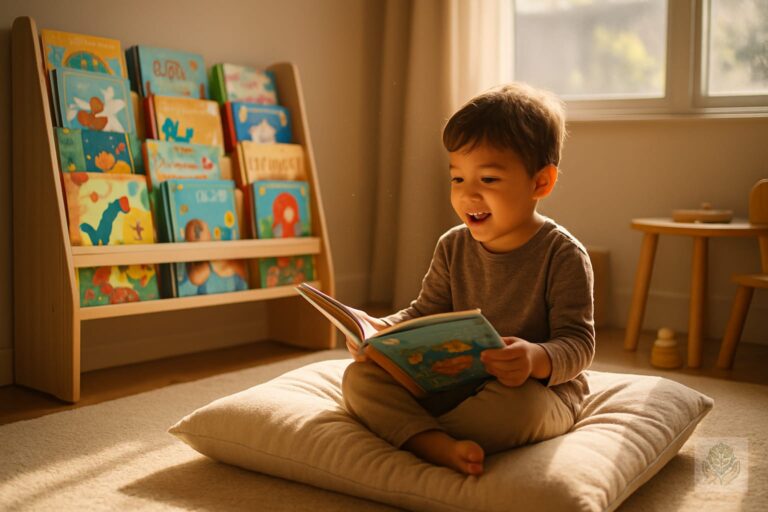
Organization is key to ensuring your children actually engage with their books. Accessibility is the most important factor; make sure books are at a child’s eye level. If books are stored on a high shelf, they effectively do not exist to a preschooler. Consider using forward-facing bookshelves so children can see the colorful covers, which is often more enticing than just seeing the spines. To optimize your space, you might look at our how to build a simple preschool learning corner guide.

Another great strategy is rotating books to maintain interest. If your child seems bored, hide half of the library away for a month and then swap them out. This makes the “old” books feel brand new again. Finally, create a cozy reading nook with pillows, soft lighting, and perhaps a small stuffed animal. This space should be associated with comfort and relaxation, helping to foster a lifelong love for reading.

Tips for Reading Aloud Effectively

Reading aloud is a performative act that draws children into the story. Do not be afraid to use funny voices, whisper for suspense, or shout with excitement. The more engaged you are, the more engaged your child will be. Ask open-ended questions throughout the story to encourage critical thinking. For example, ask, What do you think will happen next? or How do you think that character feels right now?

Choosing the right time of day is also crucial. Bedtime is a classic, but reading during a quiet afternoon transition can also be very successful. Keep your reading sessions flexible; if your child only wants to read for five minutes, that is perfectly fine. The goal is positive association, not endurance. For help establishing these transitions, see our daily routine for kids by age (1–6 years complete guide).

Conclusion

Building your preschool learning library is a marathon, not a sprint. By choosing a mix of phonetic, social-emotional, and interactive books, you are providing your child with a diverse educational experience that extends far beyond the classroom. These early moments spent curled up with a story are the building blocks of literacy and emotional intelligence.

Start small, visit your local library, and add books to your collection as you go. Each volume you add is a doorway to a new world for your little one. What is the absolute favorite book in your current collection? We would love to hear from you—share your top preschool book recommendation in the comments below!

Frequently Asked Questions

What makes a book essential for a preschool learning library?

Essential preschool books feature high-contrast illustrations, rhythm, rhyme, repetition, and themes that support early literacy and social-emotional development.

How many books should I start with in a home preschool library?

You can start small with 15 core titles covering phonics, social-emotional learning, and interactive formats, gradually expanding your collection over time.

Why are social-emotional books important for preschoolers?

Social-emotional books help children identify and manage big feelings like anger, frustration, and empathy, giving them the vocabulary to express emotions.

How can I organize books to encourage my preschooler to read?

Store books at your child’s eye level using forward-facing bookshelves so they can easily see the colorful covers and choose stories independently.

How often should I rotate books in my child’s library?

Rotating books every few weeks or months by hiding half of them and swapping them out helps keep older titles feeling fresh and exciting.

What is the best way to read aloud to a preschooler?

Use funny voices, ask open-ended questions about the plot, and keep reading sessions flexible to create a positive association with reading.

15 Engaging Morning Learning Activities for Young Children to Boost Development

15 Engaging Morning Learning Activities for Young Children to Boost Development

As parents, we often focus on the logistics of getting out the door, but the hours between waking up and heading to school or daycare offer a unique window for growth. Incorporating morning learning activities for young children into your daily rhythm can transform a chaotic rush into a period of calm discovery. By engaging their growing brains early in the day, you provide a cognitive head start that sets a positive tone for everything that follows.

This article explores how simple, intentional play can foster essential developmental milestones. Whether you have five minutes or twenty, these activities are designed to be low-stress, high-impact tools that help your child thrive. You can also explore daily routines for kids by age to further streamline your mornings.

Why Morning is the Best Time for Learning

Child development experts agree that children are often at their most alert after a restorative night of sleep. During these early hours, their brains are naturally curious and primed for new information. By swapping passive screen time for active, early childhood education techniques, you capitalize on this natural energy boost.

Consistency is the bedrock of habit formation. By carving out a small, predictable slot for learning, you signal to your child that discovery is a normal part of the day. This routine builds security and focus, making it easier for them to transition into more structured learning environments later in the day.

Category 1: Hands-On Sensory and Fine Motor Activities

Fine motor skills are the precursors to writing and independent self-care. Use the following activities to get those little fingers moving and minds processing information through touch. For more inspiration, check out our guide on engaging indoor activities that improve fine motor skills for kids.

Sorting and Classification

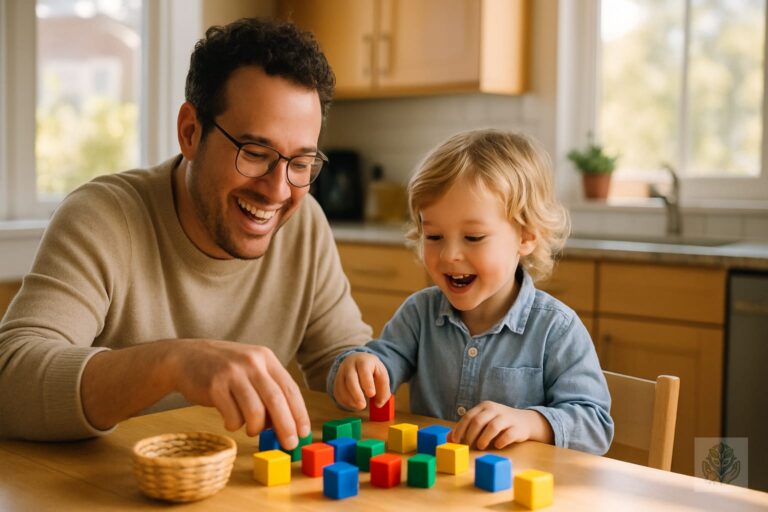
Use household items like colored pom-poms, dry pasta, or building blocks. Ask your child to sort them by color, size, or shape. This foundational math skill builds logical thinking.

DIY Sensory Bins

Fill a shallow container with rice, beans, or kinetic sand. Hide small toys inside and have your child hunt for them. It sounds simple, but it encourages exploration and focus.

Fine Motor Tweezers

Provide your child with child-safe tweezers or kitchen tongs and a bowl of cotton balls. Challenge them to transfer the balls from one container to another. This is an excellent way to strengthen the pincer grasp.

Lacing Cards

Use thick cardboard with holes punched along the edges. Let your child thread colorful yarn or a shoelace through the holes. This activity requires immense concentration and hand-eye coordination.

Pattern Making

Use colored cereal or beads to create simple repeating patterns on a tray. Ask your child to continue the sequence.

Category 2: Early Literacy and Language Morning Boosters

Language development happens best through interaction. These activities prioritize language development for toddlers by making words and letters part of their daily environment. Incorporating simple letter recognition games can also be a fun way to strengthen these skills.

Morning Read-Aloud

Don’t just read to them; read with them. Choose books with repetitive text or engaging rhymes, and encourage your child to finish your sentences.

Alphabet Scavenger Hunt

Choose one letter for the morning. Ask your child to find three items in the house that start with that letter. This reinforces phonemic awareness in a tangible way.

Interactive Storytelling

Use simple finger puppets or felt board characters to retell a story you read earlier. Allowing your child to narrate the story helps build narrative structure and vocabulary.

Morning Journaling

Provide paper and crayons. Ask them to draw what they want to do today. Label their drawings with the words they describe to them.

Sound Matching

Say a word and ask your child to identify the beginning sound. For example, tell them a word like ‘ball’ and ask them to clap if they hear the ‘b’ sound.

Category 3: STEM-Based Morning Exploration

STEM doesn’t require expensive kits. You can integrate science and math right at the breakfast table to spark a lifelong love of problem-solving. For those interested in deeper scientific concepts, check out our guide on educational STEM toys.

Sink or Float

Fill a bowl with water and gather a few waterproof items. Ask your child to predict which ones will sink and which will float before testing them.

Counting Breakfast

Whether it is blueberries or cereal pieces, count them together before they are eaten. This makes math part of their immediate reality.

Measurement in the Kitchen

Let your child help scoop flour or pour milk when preparing breakfast. Using measuring cups introduces volume and capacity concepts naturally.

Block Construction

Before the day gets going, provide a building challenge. Ask them to build the tallest tower possible or a house for their favorite stuffed animal using blocks or recycled cardboard.

Shadow Tag

If you are near a window, observe the shadows created by toys. Use a flashlight to change the size and shape of the shadows.

Creating a Sustainable Morning Routine

The biggest barrier to parenting tips for morning routines is the fear of adding more to a busy schedule. To make this sustainable, keep your materials ready to go. A ‘learning station’ basket kept in a kitchen cupboard can save you from searching for supplies when time is tight. You can learn how to build a simple preschool learning corner to house these materials.

Remember to rotate your activities to keep interest levels high. You do not need to do all of these every morning; pick one that fits the mood of the day. Finally, balance guided learning with child-led play. Sometimes, simply letting them manipulate the objects in their own way is more educational than a strict lesson.

Frequently Asked Questions

How long should morning learning sessions last?

For toddlers and preschoolers, 10 to 15 minutes of focused engagement is usually perfect. Quality matters far more than duration.

What should I do if my child is resistant to learning activities?

Follow their lead. If they are not interested in the activity you chose, pivot. The goal is to create a positive association with curiosity, not to force an academic agenda. If you encounter frequent pushback, check out these proven strategies for when a child refuses to listen.

Are these activities suitable for different age groups?

Yes. You can adjust the complexity based on your child’s age. A two-year-old might practice sorting colors, while a five-year-old might create complex patterns or write labels for their items.

Conclusion

Integrating these morning learning activities for young children does not have to be a source of stress. By choosing activities that are simple and engaging, you provide a beautiful foundation for your child’s brain development. Start small, remain consistent, and enjoy the magical process of watching your child learn through play. Download our free morning routine checklist to help you stay organized and make these moments a highlight of your day.

Frequently Asked Questions

How long should morning learning sessions last?

For toddlers and preschoolers, 10 to 15 minutes of focused engagement is usually perfect. Quality matters far more than duration.

What should I do if my child is resistant to learning activities?

Follow their lead. If they are not interested in the activity you chose, pivot. The goal is to create a positive association with curiosity, not to force an academic agenda.

Are these activities suitable for different age groups?

Yes. You can adjust the complexity based on your child’s age. A two-year-old might practice sorting colors, while a five-year-old might create complex patterns.

Do I need expensive supplies for these activities?

Not at all. Most activities use common household items like rice, cereal, building blocks, and kitchen containers.

What is the best time of day to introduce these activities?

Right after waking up and eating breakfast is ideal, as children are typically well-rested and their brains are naturally curious and primed for new information.

How often should I rotate the learning activities?

Rotating activities every few days helps keep interest levels high and prevents your child from getting bored with the same routine.

How to Improve Pencil Grip in Young Children: Expert Tips & Fun Activities

How to Improve Pencil Grip in Young Children: Expert Tips & Fun Activities

Every parent remembers the first time their child picked up a crayon to scribble on a piece of paper. It is a milestone that marks the beginning of their creative expression and academic journey. However, as children transition from random marks to intentional writing, parents often notice that their child is holding the pencil in an unconventional way. Knowing how to improve pencil grip in young children is a common concern for caregivers who want to ensure their little ones develop the skills necessary for long-term comfort and legibility.

Developing an efficient pencil grasp is not just about aesthetics; it is about efficiency. A functional grip allows a child to write for longer periods without hand fatigue or pain. When a child struggles with a cramped or awkward grip, they often become discouraged by the physical effort required to form letters. By understanding the developmental milestones and building the necessary hand strength, you can support your child in developing a fluid and relaxed grip that will serve them for years to come.

Understanding the Developmental Stages of Pencil Grasp

Pencil grasp development follows a predictable pattern, much like walking or talking. Before you worry about how to improve pencil grip in young children, it is important to observe where your child currently falls on the developmental spectrum. Children typically begin with a fisted or palmar grasp, where they hold the writing utensil with their entire palm. This is entirely age-appropriate for toddlers just starting to explore.

As they reach the ages of two to three, many children move to a digital pronate grasp, holding the crayon with their fingers pointing downward toward the paper. By the time they hit school age, usually between four and six, the goal is a tripod or quadrupod grip. In a tripod grip, the pencil is held by the thumb and index finger, resting on the middle finger. These stages show how a child’s nervous system and muscles mature over time, allowing for more precise movements.

The Foundation: Strengthening Hand and Finger Muscles

Many parents make the mistake of focusing strictly on the pencil, but the secret to an improved grip lies in the muscles of the shoulder, arm, and hand. Core and shoulder stability are the foundation for fine motor control. If a child’s shoulder is not stable, their hand will struggle to perform delicate tasks. Before sitting at a desk, encourage activities that involve large arm movements, such as crawling, climbing, or playing on monkey bars.

Once the shoulder is stable, focus on the intrinsic muscles of the hand. You can build these muscles through simple, playful activities that kids love. Using playdough to roll, pinch, and hide small beads is an excellent way to strengthen those tiny finger muscles. Squeezing sponges during bath time or using a spray bottle to water plants are also fantastic ways to develop the pincer grasp—the ability to hold items between the thumb and index finger—which is essential for a mature pencil hold.

Proven Techniques to Improve Pencil Grip

If your child is ready to move beyond the primitive grasp, there are several proven techniques to help guide their fingers. One of the most effective strategies is the flip and grip method. Have your child lay the pencil flat on the table with the tip pointing toward them. They should pick it up with their thumb and index finger near the tip and then flip the pencil back so it rests in the webbing of their hand. This naturally places their fingers in the correct position.

Another secret weapon is the use of broken crayons or short golf pencils. When a pencil is long, it is easy for a child to grab it with their whole fist for stability. A short, stubby writing tool forces the child to use only their fingers to hold it, naturally encouraging the tripod grasp. If these methods do not seem to help, consider using an ergonomic pencil grip. These silicone or rubber aids provide tactile cues that show the fingers exactly where they should be, making it easier for children to develop muscle memory for the correct position. For those looking to set up a dedicated space for this practice, check out our guide on choosing the best kids study tables and chairs.

Fun Games and Activities for Better Pencil Control

Improving pencil control does not have to feel like a chore. By incorporating games into your daily routine, you can build the necessary coordination without the pressure of a formal lesson. Threading beads onto a string or using lacing cards requires intense concentration and precise pincer control, both of which translate directly to better writing skills.

Using tweezers to move small objects, such as pom-poms or dried beans, from one container to another is another fun way to train the fingers. If your child is resistant to holding a pencil, try drawing in sensory-rich mediums like sand, shaving cream, or salt. These textures provide sensory feedback that makes the process enjoyable and lowers the anxiety some children feel about perfect letter formation. Dot-to-dot and maze activities—which you can find in our collection of free printable worksheets for 4-year-olds—are also excellent for practicing pencil control because they require the child to stop, start, and change directions, which builds the control needed for writing letters later on.

When to Consult an Occupational Therapist

While most children develop their grip through natural play and development, some may struggle due to underlying fine motor delays. If you notice that your child is avoiding writing tasks, complaining of hand pain or cramping, or showing a persistent inability to manipulate small objects, it may be time to consult an occupational therapist. An OT can perform a professional evaluation to see if there are physical barriers to fine motor development.

The role of an occupational therapist is to provide personalized intervention strategies that address your child’s specific needs. They can determine if your child has low muscle tone, sensory processing challenges, or other developmental delays that impact their handwriting. Seeking professional help early can prevent bad habits from setting in and provide your child with the confidence they need to succeed in the classroom. You can also supplement these efforts by trying engaging indoor activities that improve fine motor skills to keep the learning process lighthearted and consistent.

Conclusion

Learning how to improve pencil grip in young children is a process that requires patience, consistency, and a sense of fun. It is easy to get caught up in the pressure of school readiness, but remember that every child develops at their own pace. By focusing on strengthening the foundation—the shoulder, wrist, and hand muscles—you are setting your child up for long-term success. Celebrate the small wins, whether it is a more comfortable grip or a better-formed letter. Your support and encouragement are the most important tools in your child’s development.

Frequently Asked Questions

  • Is it too late to fix a bad grip? It is never too late to refine a pencil grip. However, it is much easier to correct before the age of seven or eight before muscle memory becomes deeply ingrained.
  • Does left-handedness affect grip development? Left-handed children may hold their pencils differently to avoid smudging, but the goal of a tripod or quadrupod grip remains the same. Focus on comfort and ergonomics.
  • How long should my child practice writing each day? Keep it brief. Five to ten minutes of focused, fun activity is more beneficial than a long, frustrating session. Focus on quality and enjoyment rather than quantity. For tips on managing these times, see our guide on establishing a daily routine for kids by age.

Frequently Asked Questions

Is it too late to fix a bad grip?

It is never too late to refine a pencil grip, though it is easier to correct before the age of seven or eight before muscle memory becomes deeply ingrained.

Does left-handedness affect grip development?

Left-handed children may hold their pencils slightly differently to avoid smudging, but the goal of a tripod or quadrupod grip remains the same. Focus primarily on comfort and proper ergonomics.

How long should my child practice writing each day?

Keep practice brief. Five to ten minutes of focused, fun activity is far more beneficial than a long, frustrating session. Focus on quality and enjoyment rather than quantity.

What are the early stages of pencil grasp development?

Children typically start with a fisted palmar grasp as toddlers, move to a digital pronate grasp around ages two to three, and eventually reach a mature tripod or quadrupod grip by ages four to six.

How can I help my child build hand strength for writing?

You can build hand and finger strength through playful activities like playingdough manipulation, squeezing sponges during bath time, using spray bottles, and threading beads onto strings.

When should I consult an occupational therapist about pencil grip?

Consider consulting an occupational therapist if your child consistently avoids writing tasks, complains of hand pain, or shows a persistent inability to manipulate small objects due to fine motor delays.

How to Support Your Child’s Immune System Naturally: A Parent’s Guide

0

How to Support Your Child’s Immune System Naturally: A Parent’s Guide

If you are a parent, you know the feeling all too well. It begins with a single sneeze at school, followed by a runny nose at daycare, and before you know it, the entire household is navigating the dreaded seasonal cold cycle. It is a universal rite of passage for families, but that does not make it any easier to watch your little one feel under the weather.

Many parents find themselves searching for the magic bullet to stop illnesses in their tracks. While we all want immediate protection, the reality is that supporting your child’s immune system naturally is a marathon, not a sprint. It is not about finding one quick fix, but rather about cultivating daily habits that create a resilient foundation for your child’s health throughout the year.

The Foundation: Nutrition and Immune-Boosting Foods

The gut is the command center for the immune system. Approximately 70 percent of immune cells reside in the digestive tract, making nutrition the single most important factor in your child’s wellness journey. To support your child’s immune system naturally, focus on a colorful, whole-food diet that provides the necessary fuel for immune function. You can also explore top 7 healthy snacks for kids to keep their energy and nutrition levels stable.

Incorporate plenty of phytonutrients found in vibrantly colored fruits and vegetables. These plants contain antioxidants that help combat inflammation and support cellular repair. Key nutrients to prioritize include:

  • Vitamin C: Found in citrus fruits, bell peppers, strawberries, and kiwis.
  • Zinc: Essential for immune cell development; find it in pumpkin seeds, lentils, chickpeas, and lean meats. Reference our guide on zinc-rich foods for toddlers for more meal ideas.
  • Vitamin D3: Often called the sunshine vitamin, it is critical for immune regulation. Since it is difficult to get enough through diet alone, discuss supplementation with your pediatrician.

Finally, do not overlook gut health. Fermented foods like plain yogurt, kefir, and sauerkraut are natural sources of probiotics, which help maintain a healthy microbiome. A balanced gut environment is the first line of defense against pathogens.

The Hidden Pillars: Sleep and Physical Activity

In our fast-paced world, we often underestimate the power of rest. However, sleep is when the body performs its most critical maintenance. During deep sleep, the immune system releases cytokines, which are proteins that help the body fight off infection and inflammation. Without sufficient rest, your child’s ability to mount a robust immune response is significantly hampered. If your child struggles to wind down, read our tips on how to help a child who fights bedtime.

Ensure your child meets the recommended sleep hours for their age group to allow for proper recovery. For toddlers, this typically means 11 to 14 hours, while school-aged children generally require 9 to 11 hours. Consistent bedtime routines, including a screen-free wind-down period, are essential for regulating circadian rhythms.

Physical activity is equally important. Regular movement improves circulation, which allows immune cells to travel more efficiently throughout the body. Whenever possible, prioritize outdoor play. Natural sunlight helps with Vitamin D synthesis, and fresh air is generally cleaner than recirculated indoor air, reducing the concentration of airborne irritants.

Stress Management and Hygiene Habits

We rarely talk about stress in children, but it plays a significant role in physiological health. High levels of cortisol, the body’s stress hormone, can suppress immune function over time. Encourage emotional well-being by providing a supportive home environment where children feel safe expressing their feelings. Play, laughter, and downtime are just as vital to health as a balanced meal, and you can learn about why family bonding matters for young children to support their emotional health.

Regarding hygiene, the goal is to teach effective habits without inducing anxiety. Focus on the basics: washing hands with soap and water before meals and after playing outside or touching communal surfaces. Teach children to wash for at least 20 seconds, perhaps by singing a favorite song. Keep indoor air fresh by opening windows regularly to cycle out indoor toxins and stale dust, which can irritate delicate respiratory tracts. You can find more practical advice in our guide on how to teach children good hygiene habits.

Natural Supplements: When and Why?

When considering supplementation, always start with a conversation with your pediatrician. Supplements should be used to bridge gaps, not to replace a healthy diet. When choosing products, look for high-quality, third-party tested brands that avoid unnecessary fillers, dyes, and excessive added sugars.

Commonly researched natural aids include elderberry, which has been shown in some studies to support respiratory health, and consistent Vitamin D3. Remember that quality matters more than quantity. A multivitamin should never be a substitute for the nutrients found in whole foods, but for picky eaters or those with dietary restrictions, a high-quality supplement can provide peace of mind.

What to Avoid: Common Immune Disruptors

Supporting the immune system is as much about what you remove as what you add. Refined sugars and highly processed foods are known to promote systemic inflammation. When the body is dealing with chronic inflammation, it has fewer resources available to fight off acute infections. Artificial additives, such as synthetic dyes and preservatives, can also be taxing on a child’s developing gut.

Try to transition toward snacks that focus on healthy fats and complex carbohydrates. Instead of sugar-laden cookies, offer apple slices with almond butter or a homemade smoothie with berries and Greek yogurt. These small swaps minimize inflammatory triggers and keep energy levels stable.

When to See a Doctor

While natural approaches are excellent for general wellness, they do not replace modern medicine for acute or chronic concerns. It is vital to differentiate between the common childhood cold and signs that your child might need professional evaluation. Keep an eye out for:

  • Persistent fevers that do not respond to basic care.
  • Frequent or recurrent ear infections or pneumonia. Read more about understanding ear infections in young children.
  • Difficulty breathing or wheezing.
  • A lack of energy or failure to thrive that persists even when the child is not sick.

If your intuition tells you something is wrong, trust it. You are the expert on your child, and a proactive conversation with your pediatrician can provide clarity and reassurance.

Conclusion

Building a robust immune system is a cumulative process. It is about the small, consistent choices you make every day—the extra serving of broccoli, the earlier bedtime, and the time spent playing in the sunshine. By focusing on these foundations, you are giving your child the best possible tools to navigate the world around them.

Remember that it is okay if you are not perfect. Parenting is challenging, and every effort you make adds up. Start by focusing on one area, like improving sleep hygiene or adding one more serving of vegetables to dinner, and watch how those habits grow. For more support on your journey, feel free to subscribe to our newsletter for seasonal wellness tips and natural health resources.

Frequently Asked Questions

How can I start supporting my child’s immune system naturally?

Focus on daily habits such as providing a whole-food diet rich in fruits and vegetables, ensuring adequate sleep, and encouraging regular outdoor physical activity.

What foods are best for boosting a child’s immunity?

Foods rich in Vitamin C like citrus fruits, zinc sources like lentils and seeds, and probiotic foods like yogurt support gut health and overall immune function.

How many hours of sleep do children need for a healthy immune system?

Toddlers typically need 11 to 14 hours of sleep, while school-aged children generally require 9 to 11 hours to allow the body to rest and repair.

Are natural supplements necessary for my child?

Supplements are usually not necessary if your child eats a balanced diet, though Vitamin D3 or elderberry can be used to bridge gaps after consulting a pediatrician.

What common foods should be avoided to protect immunity?

Refined sugars, processed foods, and artificial additives can promote systemic inflammation, making it harder for the body to fight off infections.

When should I consult a doctor about my child’s health?

Seek professional medical evaluation for persistent high fevers, difficulty breathing, recurrent infections, or if you notice a general failure to thrive.