Home Blog Page 9

How to Choose the Best Picture Books for Young Children: A Parent’s Guide

How to Choose the Best Picture Books for Young Children: A Parent’s Guide

Walking into a bookstore or library with a young child can feel overwhelming. The shelves are packed with vibrant colors, familiar characters, and endless stacks of stories. As a parent, you know that early literacy is the cornerstone of brain development, but choosing the right material goes far beyond simply grabbing the most colorful cover on the rack. Learning how to choose the best picture books for young children is an essential skill that transforms reading time from a chore into a cherished daily ritual.

In this guide, we will explore the developmental benefits of reading, the specific criteria you should look for in high-quality literature, and practical strategies to involve your little one in the process. Whether you are building your first home library or looking to refresh your reading rotation, these insights will help you curate a collection that inspires a lifelong love of stories.

Why Picture Books Matter for Early Development

Picture books are much more than simple bedtime entertainment; they are complex tools for cognitive and social growth. When you read aloud to a child, you are doing far more than reciting words on a page. You are providing a foundation for future academic success and emotional well-being. Because these early habits build the foundation for later learning, you may also want to look into establishing a daily routine for kids to maximize their development.

First, these books are vital for building vocabulary and language skills. Young children process language best when it is paired with visual context. By connecting a spoken word like ‘tractor’ or ‘frustrated’ to an image, children internalize meaning faster than they would through conversation alone. Furthermore, the cadence and rhythm of well-written books help children grasp the mechanics of grammar and phonetic awareness.

Beyond linguistics, picture books play a massive role in fostering emotional intelligence and empathy. Stories act as a safe space for children to experience big feelings—like sadness, jealousy, or excitement—from a distance. Seeing a character navigate these emotions helps a child understand their own feelings and develop a sense of compassion for others. Finally, the art within these books promotes visual literacy. Learning to interpret artistic style, color, and character expression is a fundamental skill that helps children decode the increasingly visual world around them.

Key Criteria for Selecting Quality Picture Books

Not all children’s books are created equal. When navigating the overwhelming options at the library, keep a few specific benchmarks in mind to ensure you are bringing home high-quality material. You can supplement these books with the best educational toys for kids to further support their growth.

Age-Appropriateness and Developmental Milestones

Matching a book to your child’s current stage is critical. For infants, prioritize board books with high-contrast images and simple, single-word labels. As toddlers move toward preschool age, they are ready for longer narratives that feature themes like friendship, sharing, or managing daily routines. If a book is too advanced, a child may lose interest; if it is too simple, they might miss out on the opportunity to grow their vocabulary. For a deeper look, check out our ultimate guide to age-appropriate books for toddlers and preschoolers.

Engaging Illustrations

Children are visual learners. The art style of a picture book should complement the text rather than distract from it. Look for illustrations that convey emotion through character facial expressions and body language. Great art in a book acts as a roadmap for the story, allowing your child to ‘read’ the images even when you are not reading the text aloud.

Text Complexity and Durability

Finding a balance is key. You want language that is rich and descriptive, but not so dense that it kills the rhythm of the read-aloud experience. Look for books that utilize rhyme, repetition, and a predictable narrative structure. Additionally, consider the physical format. Board books are essential for younger children who are still developing fine motor skills, while hardcover books with dust jackets are often better reserved for older children who have learned to handle books with care.

The 5-Finger Rule and Other Selection Strategies

Selecting books doesn’t have to be guesswork. For children who are just starting to read on their own, the 5-finger rule is a classic strategy: have your child read a page, and for every word they do not know, they hold up a finger. If they hold up five fingers, the book is likely too difficult for independent reading and is best saved for you to read to them.

For toddlers and younger preschoolers, focus on variety. Your home library should be a reflection of the diverse world around us. Actively seek out books that feature diverse characters, different cultures, and varied subjects. This exposure helps prevent bias and fosters an inclusive worldview from a young age.

Finally, perform the read-aloud test. Before you commit to a book, read a few pages out loud. Does the prose have a natural flow? Does the cadence feel comfortable, or does it trip your tongue? If the rhythm feels disjointed, your child will likely notice, and it may affect their engagement with the story.

Recognizing High-Quality Content

So, how do you know if a story is truly good? A high-quality picture book usually features a clear, coherent plot, well-defined characters, and pacing that keeps the listener engaged. Avoid books that are overly didactic; children can quickly sense when a story is just a moral lesson disguised as a book. The best stories allow the meaning to emerge naturally through the characters’ experiences.

If you feel overwhelmed, look for accolades. Books that have received the Caldecott Medal (for artistic merit) or the Coretta Scott King Award (for works that demonstrate an appreciation of African American culture and universal human values) are consistently reliable indicators of excellence. These awards are vetted by experts who understand the nuances of children’s literature, making them a great starting point for any parent.

How to Involve Your Child in the Selection Process

One of the best ways to nurture a reader is to give them a say in what they consume. Follow your child’s interests closely. If they are currently obsessed with dinosaurs, space travel, or tractors, lean into those interests. Allowing them to choose their own books fosters a sense of agency and autonomy. You might also want to explore the educational benefits of pretend play to help them act out their favorite storybook characters.

Do not be afraid of repeated reading. You may grow tired of reading the same book for the fiftieth time, but for a child, each repetition builds mastery and comprehension. Through repetition, they predict the plot, memorize the vocabulary, and eventually begin to ‘read’ the book back to you. This is a sign of healthy cognitive development.

Create a dedicated space in your home that encourages independence. A low shelf or a basket within your child’s reach allows them to browse through their books whenever they choose. When books are accessible and treated as treasured items, children are far more likely to seek them out as sources of comfort and exploration. Consider building a simple preschool learning corner to house these books.

Conclusion

Learning how to choose the best picture books for young children is a rewarding journey that connects you deeply with your child’s emerging worldview. By focusing on quality content, ensuring variety, and following your child’s unique interests, you are doing more than just building a library; you are building a bridge to curiosity and empathy. If you are interested in fostering even more connection, learn more about why family bonding matters for young children.

Remember, the goal of reading together is not to reach a specific academic milestone or to quiz your child on the contents of the page. It is about the connection, the physical closeness, and the shared magic of discovering a new world together. When you view reading as a bonding experience rather than a chore, you set the stage for a lifetime of literacy. What is one picture book your child absolutely loves right now? Share your favorite reads in the comments below!

Frequently Asked Questions

Why are picture books important for young children?

Picture books help build vocabulary, foster emotional intelligence, and develop visual literacy by pairing spoken words with meaningful visual contexts.

How do I know if a picture book is age-appropriate?

Look for board books with high-contrast images for infants, while toddlers and preschoolers enjoy longer narratives addressing themes like friendship and daily routines.

What is the 5-finger rule for reading?

The 5-finger rule is a strategy where a child holds up a finger for every unknown word on a page to determine if a book is too difficult for independent reading.

Why do young children want to read the same book repeatedly?

Repeated reading helps children build mastery, predict plots, memorize vocabulary, and gain confidence in their comprehension skills.

What awards indicate high-quality children’s books?

Prestigious awards like the Caldecott Medal for artistic merit and the Coretta Scott King Award are reliable indicators of literary and artistic excellence.

How can I involve my child in choosing books?

Allow your child to select books based on their current interests, such as dinosaurs or space, to foster autonomy and a love for reading.

How to Help Kids Recognize Uppercase Letters: A Fun, Step-by-Step Guide

How to Help Kids Recognize Uppercase Letters: A Fun, Step-by-Step Guide

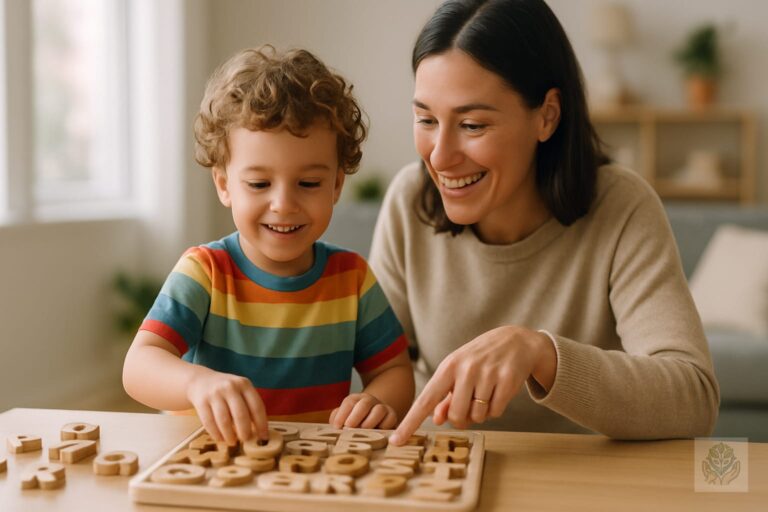
Watching your child begin their journey toward reading is a milestone every parent cherishes. One of the very first steps in this literacy journey is helping them identify the alphabet. Specifically, figuring out how to help kids recognize uppercase letters is a foundational skill that opens the door to future reading and writing success.

Many parents wonder why we start with capital letters. Unlike lowercase letters, which often have confusing similarities—think about how easily a child can mix up b, d, p, and q—uppercase letters are distinct and bold. They are easier for young eyes to differentiate, making them the perfect starting point for early literacy. Remember, every child learns at their own pace. What matters most is creating a supportive environment where your child feels confident, not pressured.

The Building Blocks: What to Know Before You Start

Before you dive into teaching letter recognition, it is helpful to understand how children process information. Children are natural scientists who learn best through tactile and visual experiences. While some children might show an interest in letters as early as age two or three, others may need more time to develop the visual tracking skills necessary to distinguish shapes. You can further support their development with 15 Engaging Indoor Activities That Improve Fine Motor Skills for Kids.

Focus first on letter shapes rather than phonics or sounds. While it is tempting to teach the sound a letter makes simultaneously, your child needs to master the visual identification of the symbol first. Keep sessions short and lighthearted. If a child senses anxiety or high expectations, they may shut down. By keeping the learning environment relaxed and play-based, you turn a potential chore into a bonding experience. Check out our tips on Why Family Bonding Matters for Young Children: Building a Foundation for Life to strengthen your connection during these sessions.

5 Hands-On Activities to Teach Uppercase Letters

The most effective way to teach letter recognition is through play. When children engage their senses, they retain information much more effectively than when they are simply shown a worksheet. For more inspiration, explore our 10 Simple Letter Recognition Games for Toddlers (Playful Learning).

1. Sensory Play: Salt or Sand Letter Tracing Trays

Pour a thin layer of salt, sand, or even sugar onto a tray. Ask your child to use their finger to trace a letter in the material. The resistance of the salt provides tactile feedback that reinforces the physical shape of the letter in their muscle memory.

2. Gross Motor Fun: Alphabet Hunt

Write various uppercase letters on sticky notes and hide them around your living room. Ask your child to go on a scavenger hunt to find specific letters. This combines physical activity with cognitive work, which is a fantastic strategy for high-energy learners.

3. Building Letters

Use building materials like LEGO bricks, playdough, or popsicle sticks to construct letters. Asking a child to build an A out of three sticks helps them analyze the components of the letter, such as the two diagonal lines and the horizontal bar. This analytical approach makes the shape much more memorable.

4. Visual Cues: Using Flashcards and Letter Magnets

Letter magnets on the refrigerator are a classic for a reason. They are always accessible and allow for low-pressure exposure throughout the day. Try sorting magnets into categories, such as letters with straight lines versus those with curved lines.

5. Artistic Expression: Painting and Decorating Letters

Print out large, hollow uppercase letters and have your child decorate them with glitter, paint, or stickers. Focusing on one letter a day or a week allows them to spend significant time interacting with the shape of that specific character. These crafts are also excellent for 10 Fun DIY Crafts That Improve Fine Motor Skills in Toddlers and Preschoolers.

Tips for Making Letter Recognition Stick

To ensure your child truly retains what they learn, prioritize high-frequency letters first. Start with the letters in their own name. A child is naturally more invested in learning letters that hold personal meaning. This builds immediate confidence and provides a “hook” for them to learn the rest of the alphabet.

Consistency is more powerful than intensity. Spend ten minutes a day engaging in letter-related play rather than forcing a long hour once a week. Incorporate alphabet books into your bedtime routine, pointing out the capital letters on the page. We recommend selecting titles from our The Ultimate Guide to Age-Appropriate Books for Toddlers and Preschoolers. By making these interactions a seamless part of your daily rhythm, you remove the pressure of “schooling” and replace it with natural curiosity.

Common Challenges and How to Overcome Them

If your child seems disinterested, take a step back. It is possible they aren’t ready, or the activity you have chosen isn’t a good fit for their learning style. Try shifting to a more active, physical game like those found in our guide to 15 Easy Movement Activities for Kids at Home to Burn Energy.

You may also notice letter confusion, particularly with letters that look similar, like M and W or O and Q. This is completely normal and developmentally appropriate. Simply point out the difference using descriptive language: “Look, the M has a peak in the middle, but the W has a valley.” If your child continues to struggle after months of patient practice, feel free to speak with their teacher or a pediatrician, but remember that most children simply need more time and repetition.

Conclusion

Learning the alphabet is a marathon, not a sprint. By exploring how to help kids recognize uppercase letters through play and curiosity, you are laying the groundwork for a lifelong love of reading. Be patient, stay positive, and celebrate every small victory. Do you have a favorite way to teach your little one their ABCs? Share your go-to activity in the comments below; your idea might be the spark another parent needs. For more educational resources, browse The Ultimate Complete Guide to Preschool Activities for Early Learning.

Frequently Asked Questions

Why should I teach uppercase letters before lowercase?

Uppercase letters have distinct, bold shapes with fewer confusing similarities, making them easier for young eyes to differentiate and a great starting point for early literacy.

At what age should kids start recognizing letters?

Children can show interest as early as age two or three, but every child develops at their own pace. Focus on play rather than rigid timelines.

Which letters should I teach first?

Start with high-frequency letters, especially the letters in your child’s own name, as personal meaning boosts engagement and confidence.

How can I make letter recognition fun?

Use hands-on activities like sensory salt trays, scavenger hunts with sticky notes, building letters with LEGO bricks, and painting large letter templates.

What should I do if my child confuses similar letters?

This is completely normal. Use descriptive language to point out differences, such as explaining that an M has a peak while a W has a valley.

How much time should we spend practicing each day?

Consistency matters more than intensity. Spend about ten minutes a day on letter-related play to keep learning fun and avoid burnout.

15 Engaging Family Game Night Ideas for Toddlers and Preschoolers

15 Engaging Family Game Night Ideas for Toddlers and Preschoolers

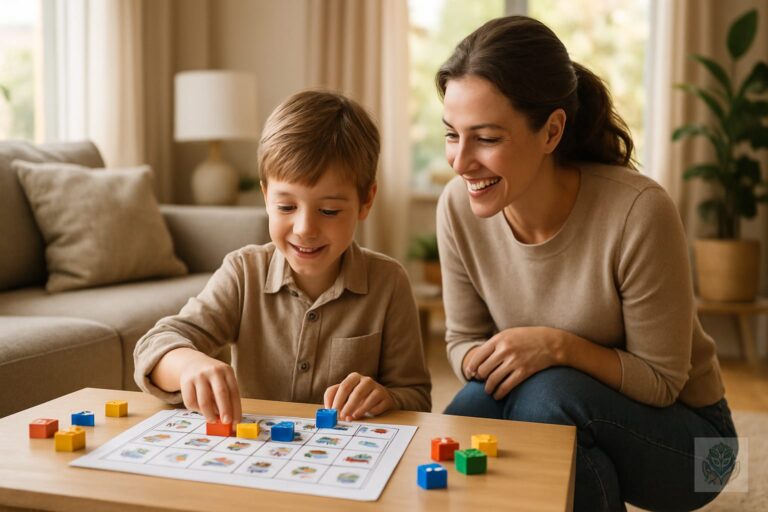
In the whirlwind of daily routines, finding meaningful ways to connect with your little ones can feel like a challenge. You are likely juggling work, chores, and the endless energy of your children. However, establishing a consistent family game night is one of the most effective ways to strengthen your bond while supporting early childhood development. For toddlers and preschoolers, play is their primary language, and structured games offer a unique opportunity to build lasting memories, as explored in our guide on why family bonding matters for young children.

Bringing family game night ideas into your home does not need to be complicated or time-consuming. In fact, at this age, simplicity is your best friend. By focusing on connection rather than the rulebook, you turn an ordinary evening into a developmental milestone. In this guide, we will explore how to set the stage for success and provide you with fifteen actionable game ideas that your little ones will love.

The Benefits of Game Night for Early Childhood Development

When children engage in tabletop or active play, they are doing much more than just having fun. They are actively wiring their brains for future success. Family game night is a secret weapon for social-emotional growth. When children learn to wait for their turn, they are practicing patience and impulse control, two critical skills for future school readiness. Playing with parents allows them to navigate these small social pressures in a safe and supportive environment.

Cognitive development also takes center stage during these moments. Many simple games require color recognition, counting, and pattern matching, which reinforce concepts they are learning in preschool. Additionally, games involving game pieces or dice improve fine motor skills. Moving a character across a board or holding a stack of cards helps refine the small muscles in the fingers and hands, which is essential for later writing tasks. If you want to build these skills further, check out our easy hand strengthening activities for preschoolers.

Setting the Stage: How to Host a Stress-Free Game Night

The success of a game night relies heavily on timing. If you try to introduce a new game right before the dreaded bedtime meltdown, you are setting the experience up for friction. Instead, try to host your family game night on a weekend afternoon or immediately following a calm snack time when energy levels are balanced. For more organization tips, see our guide on how to create a daily activity routine for preschoolers.

Keep the environment distraction-free. Put away tablets, turn off the television, and silence your phone. When children see that you are fully present and focused on the shared experience, they are more likely to stay engaged. Remember that the sweet spot for a toddler or preschooler is usually 20 to 30 minutes. Do not feel the need to finish an entire board game if interest is waning. It is far better to end on a high note while everyone is still happy.

Top Game Categories for Toddlers and Preschoolers

When selecting games, focus on three specific categories: cooperative, active, and simplified classics. Cooperative games are fantastic for this age group because they remove the pressure of winning or losing. Everyone works together to reach a common goal, such as getting characters home before the sun sets or feeding a hungry monster.

Active movement games are equally important. Preschoolers often struggle to sit still for long periods. Incorporating movement helps them get their wiggles out while still engaging in structured play. For more ways to keep them moving, try these easy movement activities for kids at home. Finally, do not hesitate to simplify classic games. If your child cannot handle complex rules, make up your own. The goal is to facilitate interaction, not to strictly adhere to the instructions on the box.

15 Game Night Ideas for Ages 2-5

Here are 15 actionable family game night ideas that are perfect for your toddler or preschooler:

  • Hoot Owl Hoot: A classic cooperative game where players work together to get all the owls back to the nest before the sun rises.
  • Feed the Woozle: A hilarious movement game where players feed a silly monster snacks using a spoon.
  • Color Match Memory: Use standard memory cards but keep the number of pairs small to avoid overwhelming young minds.
  • Indoor Bowling: Use empty plastic bottles and a soft ball to practice turn-taking and gross motor skills.
  • Scavenger Hunt: Hide specific colored objects around the living room and ask your child to find all the red items.
  • DIY Puzzles: Print a family photo on cardstock and cut it into four or five large, simple pieces.
  • Freeze Dance: Play your child’s favorite song and have everyone dance until the music stops.
  • Animal Charades: Act out simple animals and have the others guess what you are representing.
  • Roll and Move: Create a simple DIY board game on a large sheet of paper where players move by rolling a color die.
  • Balloon Volleyball: Keep a balloon in the air using only hands or soft taps, focusing on teamwork.
  • Stacking Challenge: Use wooden blocks to see how high a tower you can build together before it topples over.
  • Story Stones: Use stones painted with pictures to take turns building a collaborative story.
  • Sorting Relay: Give your child a basket of mixed toys and ask them to sort them into different colored bins as fast as they can.
  • Simon Says: A timeless classic that helps children listen carefully and follow directions.
  • Animal Yoga: Use cards with pictures of animals and try to mimic their poses together.

Tips for Handling ‘I Want to Win’ and Frustration

It is perfectly normal for a preschooler to get upset when they do not win or when a game does not go their way. Their brains are still developing the ability to regulate big emotions. As a parent, your role is to model healthy sportsmanship. Celebrate effort rather than the result. Instead of saying, you won, try saying, I love how you kept trying even when that piece was tricky. For more help with tough moments, read about managing everyday behavior challenges in kids.

If your child experiences a meltdown, stay calm and offer validation. Say something like, I can see you are frustrated because you really wanted that piece to move. That makes sense. Once they are calm, redirect their attention to the fun you had during the process. If a game consistently leads to tears, put it away for a few weeks and try again when they have matured slightly.

Conclusion

Creating a family game night routine is about connection, not perfection. Do not worry if your child prefers to make up their own rules or if the game ends prematurely. What matters most is that you are showing up, laughing together, and building a foundation of shared interests. Start with one simple game this week and observe how your child responds. Over time, you will find a selection of favorites that everyone looks forward to. What is your family’s favorite way to play? Share your go-to game in the comments below! If you are looking for even more ways to enjoy quality time, explore our list of 50 family bonding ideas for creating lasting memories together.

Frequently Asked Questions

What are the best games for toddlers and preschoolers?

Cooperative games like Hoot Owl Hoot, simple memory matching games, active movement games like freeze dance, and basic sorting activities are ideal for young children.

How long should a family game night last with little kids?

The sweet spot for toddlers and preschoolers is usually 20 to 30 minutes. Keep it brief to maintain their interest and end on a high note.

How do I handle a toddler who gets upset about losing?

Choose cooperative games where everyone plays together. Model good sportsmanship, praise their effort rather than the outcome, and validate their big emotions.

When is the best time to host a game night with preschoolers?

Host game night on a weekend afternoon or after a calm snack time when energy levels are balanced and before the bedtime routine begins.

Why are game nights important for early childhood development?

Games help develop patience, turn-taking skills, fine motor control, color recognition, and social-emotional growth in a safe environment.

Can I modify rules for toddlers during board games?

Yes! Simplify the rules or make up your own. The primary goal at this age is connection and positive interaction rather than strictly following the box instructions.

What to Do When Your Toddler Says No to Everything: Expert Tips for Power Struggles

What to Do When Your Toddler Says No to Everything: Expert Tips for Power Struggles

If you feel like your daily interactions have turned into a constant battle of wills, you are not alone. There is a very common period in child development where parents often ask themselves, what to do when your toddler says no to everything. This phase, while exhausting, is a natural milestone that signals your child is beginning to see themselves as an independent person.

Understanding that this behavior is developmental rather than personal is the first step toward reclaiming your peace of mind. Our goal in this guide is to help you reduce daily conflict while building a stronger, more empathetic connection with your child. Learning positive parenting habits can be a great place to start.

Why Is My Toddler Saying No to Everything?

It can feel frustrating when your sweet child suddenly rejects every request, from putting on shoes to eating dinner. However, there is a biological reason for this. Developmental psychology tells us that toddlers use the word no as a tool for asserting autonomy. They are discovering that they are separate individuals from their caregivers, and testing boundaries is the primary way they experiment with this new identity. You can find more helpful advice in our guide on how to set healthy boundaries with toddlers.

Often, this stems from communication gaps. A toddler’s vocabulary is limited, and saying no is a quick, powerful way to signal a lack of desire or interest. In a world where they have very little control over their schedule, meals, or environment, refusing a request is one of the few ways they can exert influence. When your toddler says no to everything, they are essentially practicing their own decision-making skills.

The Psychology Behind the Defiance

It is helpful to distinguish between intentional defiance and a simple lack of emotional regulation. Toddlers do not have the neural development to manage big feelings like frustration or exhaustion. When we talk about Erikson’s stages of development, specifically autonomy versus shame and doubt, we see that toddlers are hard-wired to try things on their own.

Before assuming your child is being difficult, consider the HALT method. Are they Hungry, Angry, Lonely, or Tired? Often, the constant rejection of your requests is simply a symptom of a dysregulated nervous system. A toddler who is overstimulated or exhausted lacks the cognitive capacity to cooperate, making no the automatic, defensive response to any external demand. Managing child tantrums without shouting is a key skill for parents during this time.

6 Practical Strategies for Handling the ‘No’ Phase

Managing these power struggles requires a shift in how we approach communication. Try these six expert-backed strategies to reduce the noise and increase cooperation:

  • Offer Limited Choices: Instead of asking an open-ended question like, Do you want to get dressed, try asking, Do you want to wear the blue shirt or the red shirt? This gives the child a sense of control within your boundaries.
  • The Power of Yes: Whenever possible, look for opportunities to say yes. If they ask to play outside, say yes, after we put our shoes on. This frames your request as a gateway to what they want rather than a roadblock.
  • Gamification: Turn mundane tasks into games. Who can put their pajamas on the fastest? Can you hop to the bathroom like a frog? Play often bypasses the instinct to say no.
  • Validate Feelings: Before you enforce a boundary, acknowledge their emotion. I see you are having fun playing and you do not want to stop. It is hard to leave the park. Validating them often reduces the intensity of their resistance.
  • The When-Then Approach: Use clear, positive reinforcement. When your toys are in the bin, then we can go read a story. This clearly outlines the expectation and the reward.
  • Warnings and Transitions: Toddlers struggle with sudden changes. Provide a five-minute and a two-minute warning before a transition to help them prepare mentally for what is coming next. Check out our guide on daily routines for kids to help create more predictability.

When to Pick Your Battles

You do not have to win every single interaction. Discern between safety and preference. Safety issues, such as holding hands in a parking lot or sitting in a car seat, are non-negotiable. If you try to force compliance on minor issues like what socks to wear or whether to eat a specific side dish, you will quickly burn out.

By letting go of the small control battles, you preserve your energy and your toddler’s cooperation for the moments that truly matter. Consistent routines also play a huge role here; when a toddler knows what to expect throughout the day, the need to resist transitions often naturally decreases. If your child is struggling to listen, explore our tips on how to handle a child who refuses to listen.

What to Avoid When Your Toddler Says No

It is easy to fall into the trap of arguing or bargaining, but this usually fuels the power struggle rather than solving it. Once you start debating with a toddler, you have entered their world of logic, where they are unlikely to concede. Furthermore, yelling or forcing physical compliance often leads to increased anxiety or a cycle of shame, which doesn’t teach the cooperation you are looking for. Learning gentle discipline strategies can help you guide your child effectively.

When to Seek Professional Help

While the no phase is standard, there are times to reach out to a professional. If you notice persistent signs of extreme aggression, unmanageable tantrums that last for extended periods, or significant developmental regression, it is worth a conversation with your pediatrician. A child development specialist can provide personalized support if the behavior seems outside the bounds of typical toddlerhood.

Conclusion

Remember that when your toddler says no to everything, it is a temporary, albeit challenging, phase of development. By staying calm, consistent, and empathetic, you can navigate these power struggles while strengthening your bond with your little one. Growth is rarely linear, and some days will be harder than others. Stay the course, keep your boundaries firm but kind, and know that you are doing a great job.

Have you found a unique way to handle your toddler’s no phase? We would love to hear your experiences in the comments section below. For more practical parenting tips delivered straight to your inbox, sign up for our weekly newsletter!

Frequently Asked Questions

Why does my toddler say no to everything?

Toddlers say no to assert their independence, test boundaries, and gain a sense of control over their environment. It is a normal part of child development signaling they are learning to make decisions.

Is saying no a sign of bad behavior?

No, it is not bad behavior. It is a developmental milestone. Toddlers lack the communication skills and emotional regulation to express complex feelings, so they use no as a default response.

How can I stop power struggles with my toddler?

You can reduce power struggles by offering limited choices, validating their feelings, using gamification for tasks, and giving them time warnings before making transitions.

What is the HALT method in parenting?

The HALT method reminds parents to check if their child is Hungry, Angry, Lonely, or Tired. Meeting these fundamental needs often resolves sudden defiance.

Should I argue with my toddler when they refuse to cooperate?

Avoid arguing or bargaining, as this fuels power struggles. Instead, remain calm, maintain firm and kind boundaries, and avoid getting drawn into a debate.

When should I seek professional help for toddler defiance?

Consult your pediatrician if your child exhibits extreme aggression, prolonged unmanageable tantrums, or significant developmental regression that goes beyond typical toddler behavior.

Creating a Balanced Screen Time Routine for Kids: A Parent’s Guide

0

Creating a Balanced Screen Time Routine for Kids: A Parent’s Guide

If you feel like you are constantly locked in a digital tug-of-war with your children, you are certainly not alone. In today’s hyper-connected world, screens have become an inseparable part of education, entertainment, and socialization. Many parents find themselves oscillating between total restriction and total abandonment, neither of which feels like a sustainable solution. For more advice, read our How Parents Can Manage Screen Time at Home: A Stress-Free Guide for Families.

The secret lies in shifting your mindset from counting every single minute of screen time to prioritizing the quality of that engagement. When we focus on creating a balanced screen time routine, we teach our children how to navigate the digital landscape with intention. Instead of viewing technology as an enemy to be avoided, we can treat it as a tool that, when used wisely, can supplement growth and creativity.

Understanding the Importance of Digital Balance

Child development experts often highlight that excessive, mindless screen consumption can displace critical activities like face-to-face social interaction, physical play, and adequate sleep. However, not all screen time is created equal. The goal is to move your child away from passive consumption, such as endless video scrolling, toward active creation and learning. You can also incorporate 15 Easy Movement Activities for Kids at Home to Burn Energy to replace sedentary habits.

Digital literacy begins with your own behavior. Children are master observers; they mimic how we interact with our phones at the dinner table or how we handle notifications. By modeling intentional digital habits, you provide a blueprint for your child to follow. When we prioritize balance, we show our children that while technology is useful, it is not a substitute for the vibrant world around them. Establishing 7 Positive Parenting Habits for Raising Confident and Caring Kids can help reinforce these values.

Step-by-Step Guide to Creating a Family Screen Time Routine

Building a routine that sticks requires a bit of planning and a healthy dose of flexibility. You don’t need a rigid military schedule, but having a clear framework helps prevent daily arguments. You may find it helpful to look at a Daily Routine for Kids by Age (1–6 Years Complete Guide) to see how screen time fits into their broader schedule.

Start by assessing your current family usage habits. Track how much time is spent on devices over a typical week. Once you have a baseline, consider the following steps to establish boundaries:

  • Define Tech-Free Zones: Designate areas like the dinner table, bedrooms, and the car as device-free spaces. These zones protect family time and sleep hygiene.
  • Set Age-Appropriate Limits: Tailor your expectations to the child’s developmental stage. Younger children require more structure, while older kids need guidance on self-regulation.
  • Integrate Screens as a Reward: Avoid using screen time as a default babysitter. Instead, position it as a privilege that follows the completion of homework, chores, or outdoor play.

Prioritizing High-Quality Content

When you sit down to plan your child’s digital schedule, focus on the content itself. Not every game or video offers the same developmental value. Utilize resources like the Common Sense Media guide to vet applications, games, and television shows before introducing them to your home.

Look for interactive experiences that encourage problem-solving, digital art creation, or educational engagement. Furthermore, practice co-viewing. Sitting with your child while they watch a show or play a game transforms a solitary experience into a bonding activity. It allows you to ask questions, explain complex concepts, and observe how they process the digital content they are engaging with. Consider checking out Everything You Need to Know About Educational STEM Toys: The Ultimate Guide for Parents for offline alternatives that foster similar cognitive growth.

Practical Strategies for Success

Communication is the bridge between conflict and cooperation. Instead of simply dictating rules, explain the why behind your balanced screen time routine. Tell your children that you want to ensure they have enough energy for sports, school, and hanging out with friends. Refer to our tips on How to Handle Child Tantrums Without Shouting (Proven Methods) if they struggle with the transition.

Transitions are often the hardest part of the day. To avoid the inevitable meltdown when a device is taken away, use visual aids like timers or a countdown clock. You might say, “You have ten minutes left, so start wrapping up your game.” When the timer goes off, the screen takes the blame, not the parent, which helps maintain a positive relationship.

Troubleshooting Common Challenges

Even the best-laid plans encounter hiccups. If your child resists a new limit, stay calm and consistent. Remind them that the rules are in place for their well-being, not to punish them. If they push back, offer a non-digital alternative, such as a board game or a backyard activity, to fill the void. You can use our list of 50 Family Bonding Ideas for Creating Lasting Memories Together to keep them engaged.

There will be days when the routine goes out the window—during school holidays, family vacations, or when a child is home sick. That is perfectly okay. Flexibility is a key component of a healthy relationship with technology. The goal is to return to the baseline routine once the disruption has passed.

Conclusion

Creating a balanced screen time routine for kids is a journey, not a destination. It requires patience, consistent communication, and a willingness to adjust as your child grows. By prioritizing high-quality content and keeping technology in its proper place, you can help your child become a mindful, tech-savvy individual.

Remember, progress is always more important than perfection. You are helping them develop the skills to self-regulate for a lifetime. If you are ready to get started, download our weekly screen time planner template to begin tracking your journey today!

Frequently Asked Questions

Why is a screen time routine important for children?

A screen time routine helps children develop self-regulation, ensures they get enough physical activity and sleep, and prevents daily conflicts over device usage.

How much screen time should kids have daily?

Screen time limits vary by age and developmental stage. The focus should be on the quality of content and ensuring screens do not displace sleep, schoolwork, and face-to-face interaction.

What are the best tech-free zones in a house?

Ideal tech-free zones include the dinner table, bedrooms, and the car. These spaces protect family connection, communication, and healthy sleep hygiene.

How can I stop meltdowns when screen time ends?

Use visual timers or countdown clocks so children know when their time is ending. This prepares them for the transition and helps avoid sudden conflicts.

What is the difference between passive and active screen time?

Passive screen time involves mindless scrolling or video watching, whereas active screen time includes interactive learning, problem-solving, and digital creativity.

Should I use screen time as a reward?

Yes, positioning screen time as a privilege earned after completing homework, chores, or outdoor play helps children understand boundaries and balance.

10 Stress-Free After-School Routine Ideas for Kids (That Actually Work)

10 Stress-Free After-School Routine Ideas for Kids (That Actually Work)

If you feel like the atmosphere in your home shifts from calm to chaotic the moment the front door opens, you are certainly not alone. The transition from the structured environment of a classroom to the relative freedom of home is a major hurdle for many children. This period, often referred to as the after-school slump, is when tired minds and restless bodies collide, frequently resulting in meltdowns and resistance.

Establishing consistent stress-free after-school routine ideas can be a game-changer for your family. By creating a reliable rhythm, you provide your child with the predictability they need to decompress while setting the stage for a productive evening. When kids know what to expect, the power struggles over homework and chores tend to fade, replaced by a smoother, more cooperative flow.

Why Kids Need an After-School Routine

Children thrive when they know the expectations of their day. A structured routine acts as a scaffold for their development. First, it significantly reduces decision fatigue. When a child knows exactly what happens after they drop their backpack, they do not have to waste precious mental energy debating what to do next. This helps parents avoid the constant cycle of nagging and reminders. For younger children, you can also look into a daily routine for kids by age to ensure consistency throughout the day.

Furthermore, routines provide vital emotional security. After a long day of navigating social dynamics, following complex instructions, and holding it together in class, home should feel like a safe harbor. Predictability tells a child’s brain that they are safe and cared for, which lowers anxiety. Finally, these routines are the building blocks of independence. Over time, your child will learn to manage their own time and responsibilities without needing a constant parental nudge.

The 4 Pillars of a Successful After-School Routine

To build a foundation that actually works, your after-school plan should prioritize four essential pillars: decompression, connection, responsibility, and play. These elements balance the intensity of the school day with the need for home-based recovery.

  • Decompression: This is the non-negotiable period for a snack and sensory quiet time.
  • Connection: Quality time allows you to reconnect and hear about their day.
  • Responsibility: This covers essential tasks like homework, chores, and preparing for the next morning.
  • Activity and Play: Whether it is extracurriculars or free time, movement is vital to shake off the school day. You can try 15 easy movement activities for kids at home to help them burn off excess energy.

10 Practical After-School Routine Ideas to Try

Implementing these stress-free after-school routine ideas does not require a military operation. Choose one or two to start and build from there.

1. The Refuel and Relax Station

Create a specific spot in the kitchen where healthy snacks are already prepped. Encourage your child to spend 15 minutes in a low-stimulation environment—like a cozy reading nook or the couch—before jumping into tasks.

2. The High-Low Check-in

During the snack period, ask your child to share the high point of their day and the low point. This simple communication ritual helps them process their emotions and ensures you get more than a one-word answer when asking how school was. This practice also strengthens family connections, which is essential as explained in our guide on why family bonding matters for young children.

3. The Homework Nook

Establish a designated space that is free from distractions. Keep all necessary supplies like pencils, paper, and calculators in this spot so your child never has to hunt for materials, which often leads to procrastination.

4. The Chore-to-Play System

Gamify your chores by using a simple reward system. If your child completes their immediate responsibilities, they earn 30 minutes of free play or a specific activity of their choosing. This teaches them that effort leads to a tangible benefit.

5. The Movement Break

If your child is bursting with energy, do not force them into a chair immediately. Build in a 10-minute movement break. This could be a quick game of tag in the backyard, a dance party to their favorite song, or a few simple stretches.

6. The Visual Schedule

For younger children, use a picture-based visual schedule on the fridge. Seeing icons for lunch, homework, play, and bedtime helps them visualize their afternoon and take pride in checking tasks off as they complete them.

7. The Batch Prep Method

Encourage your child to handle tomorrow’s preparations immediately after finishing their homework. This includes packing the bag, checking for signed permission slips, and laying out clothes. Getting this done early prevents the morning panic, which is a key part of our strategies to help kids follow a morning schedule.

8. The Independent Play Block

Encourage creativity without screens. Set aside 30 minutes where your child engages in open-ended play—Legos, drawing, or imaginary play. This fosters self-reliance and gives their brain a break from the structured tasks of school.

9. The Rotating Activity Menu

If your child frequently complains of boredom, create a menu of activities. When they say they are bored, they must choose one item from the list, such as building a fort, practicing a hobby, or doing a craft.

10. The Family Evening Ritual

End the day with a shared activity, such as a board game or a walk. This marks the transition from the busy afternoon to the relaxing evening, signaling to everyone that it is time to slow down.

How to Customize Your Routine for Different Ages

One size rarely fits all in parenting. For elementary students, focus on visual cues, physical activity, and immediate positive reinforcement. Their ability to manage time is still developing, so keep segments short and clear.

For middle schoolers, the focus should shift toward autonomy. They need more input into the routine itself. Allow them to decide when they want to do their homework, provided it happens before dinner. This shift empowers them and prepares them for the increased workload of high school.

Troubleshooting Common After-School Struggles

Even the best plans hit snags. If you encounter the ‘after-school restraint collapse’—where your child comes home and immediately has a meltdown—remember that this is often a sign they have been holding it together all day. Offer empathy, a safe space, and plenty of space before asking about their day. For more severe challenges, refer to our guide on managing everyday behavior challenges in kids.

When it comes to homework battles, focus on the process rather than the outcome. If they are truly overwhelmed, communicate with their teacher to ensure the workload is appropriate. Finally, if the routine falls apart, do not panic. Simply reset the next day. Consistency is about patterns, not perfection. You can also explore positive parenting techniques that actually work to help you stay calm and effective during these resets.

Conclusion

Creating stress-free after-school routine ideas is an investment in your family’s long-term peace of mind. By focusing on connection and predictability, you turn the post-school hours from a source of stress into a time of growth and bonding. Every family is unique, so do not hesitate to tweak these ideas to fit your household’s needs. Start small, stay consistent, and remember that you are building a foundation for your child to succeed both inside and outside the classroom.

Frequently Asked Questions

Why do kids have meltdowns after school?

Kids often experience ‘after-school restraint collapse’ because they have spent all day holding in their emotions, following strict rules, and navigating social pressures. When they finally return to the safe environment of home, they release all that pent-up tension in the form of a meltdown.

What are the four pillars of a good after-school routine?

A successful after-school routine is built on four core pillars: decompression (quiet time and snacks), connection (talking about their day), responsibility (homework and chores), and activity and play (movement to shake off the school day).

How can I help my child stop procrastinating on homework?

Establish a dedicated homework nook stocked with all necessary supplies so your child doesn’t waste time hunting for materials. You can also try a chore-to-play system where completing homework first earns them free play time later.

Should kids eat immediately after coming home from school?

Yes, offering a healthy snack immediately after school helps refuel their brains and bodies. Pairing this snack with 15 minutes of quiet time or low-stimulation relaxation can significantly reduce post-school crankiness.

How do I customize an after-school routine for different ages?

For elementary students, use visual schedules, shorter segments, and positive reinforcement. For middle schoolers, focus on autonomy by letting them have more input into when they complete tasks like homework, as long as it gets done before dinner.

What should I do if our after-school routine falls apart?

Don’t panic if your routine occasionally falls apart. Consistency is about overall patterns rather than perfection. Simply acknowledge the hiccup, offer empathy, and reset the routine the very next day.

Setting Clear Rules Without Constant Arguments: A Parent’s Guide to Peaceful Cooperation

Setting Clear Rules Without Constant Arguments: A Parent’s Guide to Peaceful Cooperation

Does your morning routine often feel like a battlefield? If you find yourself repeating the same instructions while your child digs in their heels, you are not alone. Many parents fall into the trap of daily power struggles, often relying on the classic, yet ineffective, approach of because I said so. While setting clear rules without constant arguments can feel like a daunting task, it is the key to building a harmonious home environment.

The goal is to shift from demanding blind compliance to fostering genuine cooperation. When children understand the rationale behind expectations, they are more likely to participate willingly. Traditional authoritarian methods often trigger defensiveness, but by refining your approach, using positive parenting techniques, you can create a family culture built on mutual respect rather than friction.

Why Children Fight Back Against Rules

To reduce conflict, we must first understand the biology of behavior. A child’s resistance is rarely just about being difficult; it is often a developmental milestone in disguise. Children have an innate need for autonomy, and pushing back against rules is their way of testing their influence on the world around them.

Inconsistent expectations often fuel this fire. If a rule is enforced on Monday but ignored on Tuesday because you are too tired to argue, your child learns that the rules are negotiable. This creates confusion and prompts them to push harder to see where the real boundaries lie. Furthermore, we must consider the role of emotional regulation. When children are hungry, tired, or overwhelmed, their ability to process instructions drops significantly. A meltdown is often a signal that their internal regulation systems are taxed, and they need your support, not a lecture.

The 3 Pillars of Effective Rule Setting

Successfully navigating discipline requires a foundation of clarity, consistency, and collaboration. When you establish these three pillars, you minimize the ambiguity that leads to arguments.

Clarity

Vague instructions like be good or behave are confusing for a child. Instead, move toward concrete expectations. Use simple, specific language that leaves no room for interpretation. For example, instead of saying clean your room, try saying, please put your building blocks in the bin and hang your coat on the hook.

Consistency

Predictability is the secret sauce of peaceful parenting. When children know exactly what to expect, they feel safer. Consistency does not mean being rigid; it means that the boundary remains the same regardless of your mood or the time of day. If you set a rule about screen time, ensure it is enforced every single day, which helps the child internalize the habit.

Collaboration

Whenever possible, invite your children into the rule-making process. For older children, this might look like a family meeting where you ask, what do you think is a fair time to turn off the tablets? When children have a voice in the rules, they are much more likely to honor them. They feel like partners in the household rather than subjects.

Communication Hacks to Avoid Power Struggles

The way we phrase our requests significantly alters the likelihood of cooperation. By tweaking your communication style, you can often bypass the ego-driven resistance that leads to arguments. You can also explore our complete guide to managing everyday behavior challenges in kids for more techniques.

Try offering choices within limits. Instead of saying, get your shoes on right now, try, would you like to put your sneakers on by the front door or in the kitchen? By giving them a choice, you satisfy their need for autonomy while keeping the goal on track.

Master the use of when/then statements. This structure focuses on the sequence of events rather than the power of the parent. For example, when your homework is finished, then we can have our screen time. This shifts the focus from you being the gatekeeper to the task being the requirement for freedom.

Finally, lean into positive framing. Our brains naturally struggle to process negative commands like don’t jump on the couch. Instead, tell them what you want to see: please keep your feet on the floor. It is much easier for a child to follow an instruction that tells them exactly what to do.

Implementing Consequences Instead of Punishments

Many parents fear that without punishment, they lose control. However, there is a vital distinction between punitive measures and logical consequences. Punishments are often designed to inflict pain or shame to force obedience, which damages the parent-child bond.

Logical consequences, on the other hand, are related, respectful, and reasonable. If a child spills juice, the consequence is not a timeout; it is helping to clean the mess. If they play rough with a toy, the toy gets put away for the rest of the day because it was not used safely. These experiences teach responsibility and causality without the emotional fallout of a battle.

When you implement these, expect a testing phase. Your child may react with anger or frustration, which is normal. Stay calm, hold the boundary with empathy, and remind yourself that your role is to provide a steady structure for them to grow into.

Troubleshooting Common Friction Points

Specific transitions often serve as lightning rods for conflict. Morning and bedtime routines are notorious for this, but they can be managed with visual aids like a checklist. When the checklist is the authority, you are no longer the one nagging; you are simply the coach checking in on progress. You may find it helpful to see how to help kids follow a morning schedule effectively.

For screen time, use physical timers. Knowing exactly when the time ends prevents the surprise of a sudden interruption, which is usually the trigger for a tantrum. For chores, break them down into small, manageable pieces. A child is more likely to cooperate when the task feels achievable rather than overwhelming.

When to Renegotiate Rules

Boundaries should never be static. A growth mindset approach recognizes that as your child matures, their capabilities and needs change. A rule that worked perfectly when your child was five may be patronizing when they are nine. For younger children, you can learn how to set healthy boundaries with toddlers to establish early habits.

Schedule quarterly family meetings to review your household agreements. Ask your children what they think is working and what feels frustrating. This keeps them engaged in the process and demonstrates that you value their perspective. It is a powerful way to teach them that they are becoming more capable and deserving of more responsibility.

Conclusion

Setting clear rules without constant arguments is a journey rather than a destination. By focusing on clarity, consistency, and collaboration, you foster an environment where children feel heard and respected. While it takes time to break the cycle of power struggles, the long-term benefit is a deeper, more cooperative relationship with your child. To support this growth, remember that family bonding matters for young children as you navigate these changes.

Consistency is your greatest tool, but be patient with yourself during the transition. Every small change you make today builds a more peaceful dynamic for tomorrow. Remember, your goal is to guide them, not just control them. If you found these tips helpful, subscribe to our newsletter for more weekly parenting strategies and download our printable family rules template to get started today.

Frequently Asked Questions

Why do children constantly argue against family rules?

Children push back against rules because they have an innate need for autonomy and are testing their influence on the world. Inconsistent expectations and emotional fatigue can also trigger this resistance.

What are the three pillars of effective rule setting?

The three pillars are clarity, consistency, and collaboration. Using specific instructions, maintaining predictable boundaries, and including children in rule-making minimize misunderstandings and power struggles.

How can I phrase requests to avoid daily power struggles?

You can offer limited choices, use when-then statements to sequence events, and rely on positive framing by telling children what to do instead of what not to do.

What is the difference between punishment and logical consequences?

Punishments use shame or pain to force obedience, whereas logical consequences are related and reasonable actions that teach responsibility and causality without damaging the parent-child bond.

How do I handle smooth transitions during high-conflict times like bedtime?

You can use visual checklists, physical timers for screen time, and break larger tasks into small, manageable pieces to reduce surprise and resistance during daily routines.

When is the right time to renegotiate family rules?

Rules should be reviewed periodically during quarterly family meetings as your child matures, ensuring boundaries stay relevant to their growing capabilities and need for responsibility.

Easy Hiking Adventures for Families with Young Kids: A Beginner’s Guide

Easy Hiking Adventures for Families with Young Kids: A Beginner’s Guide

There is something magical about the forest floor and the sound of wind through the trees. For parents, sharing the great outdoors with children is one of the most rewarding experiences imaginable. Getting your little ones outside fosters a sense of wonder, physical health, and an early appreciation for nature. 10 Outdoor Activities to Boost Toddler Development Naturally is a great way to build on these benefits.

However, we know that the reality of hitting the trails with toddlers or preschoolers can feel daunting. You might worry about meltdowns, tired little legs, or packing the perfect bag. The good news is that easy hiking adventures for families with young kids are entirely possible when you approach them with the right mindset and preparation. This guide will walk you through everything you need to know to turn a simple walk in the woods into a cherished family memory.

Choosing the Right Trail: What to Look For

When planning your trip, the goal is not to reach a summit or cover high mileage. Instead, focus on the experience itself. A successful outing starts with selecting a trail that respects your child’s capabilities.

Look for trails that are short, ideally between one to three miles round-trip. Elevation gain is another factor; try to stick to flat or gently rolling terrain to prevent early exhaustion. Most importantly, look for trails that offer sensory engagement. Children are natural explorers, and they will be far more motivated to walk if they encounter streams to splash in, large rocks to climb, or interesting trees to inspect.

Safety is non-negotiable. Avoid trails with steep, unprotected drop-offs or loose, jagged rock scrambles that could be dangerous for little explorers. To find the best local options, use apps like AllTrails or Hiking Project. These tools allow you to filter by distance and difficulty, and the user reviews often specify if a trail is stroller-friendly or popular with other families.

Essential Gear for Family Hiking

Packing for a hike requires balance. You want to be prepared for the unexpected without weighing yourself down with unnecessary items. Focus on the core necessities to ensure comfort and safety for everyone involved.

Moisture-wicking clothing is a game-changer. Avoid cotton, which holds sweat and moisture, and instead opt for synthetic or wool blends that dry quickly. Ensure your kids have sturdy, closed-toe shoes with decent grip. Even on short trails, the right footwear prevents slips and keeps little feet comfortable. You can read more about selecting quality options in our guide on how to choose lightweight shoes for toddlers.

Consider your child’s age when deciding between a carrier and independent walking. For toddlers, a high-quality child carrier backpack is a fantastic investment, allowing you to cover more distance while they rest. As they get older, encourage independent walking but keep a lightweight carrier as a backup for when they inevitably run out of energy. Remember to carry a well-stocked first aid kit, plenty of water, and high-energy snacks. Check out the ultimate packing list: 15 must-have travel items for family trips to ensure you aren’t forgetting any essentials.

How to Make Hiking Fun (Not a Chore)

If you treat the hike as a race to the finish line, you might encounter resistance. If you treat it as an adventure, you will find your child is much more engaged. Gamifying the experience is the best way to keep motivation high.

Bring along a scavenger hunt list or play a game of I Spy. Nature bingo is another favorite; create a simple card with pictures of a pinecone, a yellow leaf, a bird, or a funny-looking rock. These simple activities keep their minds active and prevent boredom from setting in.

Never underestimate the power of trail treats. Reserve a special snack, like trail mix with a few chocolate chips or dried fruit, exclusively for the hiking trail. When you hit a lull in energy, stop for a quick snack break to provide both hydration and a positive incentive to keep moving. Most importantly, follow the child’s rhythm. If they want to stop and examine a beetle for ten minutes, let them. The goal is to cultivate a love for nature, not to hit a specific pace.

Practical Safety and Prep Tips

Before you leave the house, check the weather forecast. Even on a sunny day, temperatures can change quickly in shaded forests. Communicate the plan clearly to your kids. Discuss the importance of staying on the trail and the concept of Leave No Trace, teaching them to respect the environment by taking only pictures and leaving only footprints.

Managing expectations is key to a stress-free outing. If you set out to hike two miles but your child is done after half a mile, that is still a successful adventure. Celebrating the time spent together is far more important than the distance logged. Keep a consistent schedule for hydration, offering water breaks before they even tell you they are thirsty.

Common Challenges and How to Overcome Them

Let’s be honest: even with the best plans, challenges arise. Tantrums are common, often resulting from overstimulation or hunger. When a tantrum hits, pause, find a quiet spot, and offer a quick snack or a change of scenery. Usually, a few minutes of calm breathing is all it takes to reset the mood. For more help managing these moments, see our tips on how to handle child tantrums without shouting.

If someone gets tired, the piggyback contingency is your best friend. Carrying your child for short spurts is standard practice for parents of young hikers. Regarding the elements, embrace them! Bring extra layers for cold weather and rain gear if there is a chance of showers. If it is muddy, let them wear rain boots and jump in the puddles. When you demonstrate that a little bit of weather doesn’t ruin the fun, your kids will follow your lead.

Conclusion

Embarking on easy hiking adventures for families with young kids is all about shifting your perspective. It is not about the summit, the mileage, or the perfect Instagram photo. It is about the joy of discovery, the fresh air, and the precious quality time you spend together away from screens. Building these connections is vital, as discussed in why family bonding matters for young children.

Start small, stay positive, and be patient with yourself and your children. Every hike is a learning opportunity that makes the next one even better. Soon, your kids will be asking when the next adventure starts. What is your favorite local trail to explore with your little ones? Share your experiences with us in the comments below!

Frequently Asked Questions

What is the ideal trail length for young kids?

Look for trails that are short, ideally between one to three miles round-trip, with flat or gently rolling terrain to prevent early exhaustion.

How should I dress my kids for a hike?

Avoid cotton and opt for moisture-wicking synthetic or wool blends. Ensure your kids have sturdy, closed-toe shoes with decent grip.

Should I bring a child carrier for a toddler?

Yes, a high-quality child carrier backpack is fantastic for toddlers as a backup when they run out of energy.

How can I make hiking fun for children?

Gamify the experience with scavenger hunts, I spy, or nature bingo, and bring special trail snacks as positive incentives.

What should I do if my child throws a tantrum on the trail?

Pause, find a quiet spot, and offer a quick snack, a drink of water, or a few minutes of calm breathing to reset their mood.

How do I ensure safety while hiking with family?

Check the weather forecast, avoid steep drop-offs, stay on designated trails, pack a first aid kit, and teach basic Leave No Trace principles.

How to Organize Kids’ Sports Equipment at Home: 10 Stress-Free Storage Hacks

How to Organize Kids’ Sports Equipment at Home: 10 Stress-Free Storage Hacks

If you have an athlete in the family, you are likely familiar with the daily ritual of walking through the front door and tripping over a stray shin guard or a muddy pair of cleats. The chaos of post-practice gear piles can turn even the most patient parent into a stressed-out mess. However, learning how to organize kids’ sports equipment at home is about more than just aesthetics; it is about creating a functional flow that saves you precious time, protects the longevity of expensive gear, and restores peace to your living space. For more help managing an active household, check out our guide on daily routines for kids.

The goal is to move from chaotic piles to a grab-and-go philosophy. When every helmet, bat, and ball has a designated home, your child can take ownership of their gear, and you can reclaim your entryway. Let us dive into the best strategies to conquer the clutter once and for all.

Step 1: The Great Purge (Decluttering)

Before you invest in fancy bins or shelving units, you must start with a clean slate. The biggest mistake parents make is trying to organize gear that shouldn’t be there in the first place. Dedicate an afternoon to sorting everything by sport and by season.

As you sort, create three piles: Keep, Donate/Sell, and Toss. Be ruthless with the Toss pile; broken plastic whistles, single unmatched socks, and cracked mouthguards belong in the trash. If cleats are two sizes too small or a softball glove has seen better days, consider donating them to a local league or selling them on community boards. If you struggle with the sentimental value of an old jersey or a team-signed ball, place those in a dedicated memory box rather than in your active, high-traffic sports storage zone. For gear you are keeping, you can learn more about proper safety and sizing in our sports equipment guide for active kids.

Step 2: Assessing Your Space

Not every home has a spacious mudroom, and that is perfectly okay. The key to successful organization is choosing the right zone based on frequency of use. If your child has soccer practice twice a week, that gear should be in a primary location, such as the garage, basement, or a mudroom bench.

If you are limited on space, look for vertical opportunities. Walls are often underutilized in garages and basements. By installing slat walls or pegboards, you can clear the floor entirely, making the space feel twice as large and preventing those dreaded tripping hazards. You can also explore 15 genius sports equipment storage ideas to help you maximize your available square footage.

Step 3: Creative Storage Solutions for Every Sport

When you know how to organize kids’ sports equipment at home, you start to see storage opportunities everywhere. Here are some of our favorite hacks for specific gear types:

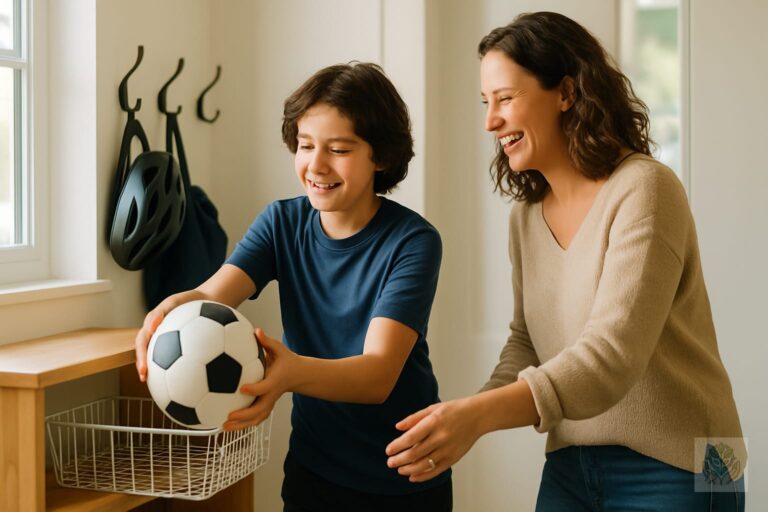
  • Ball Storage: Use vertical bungee nets or wire baskets. These keep basketballs, soccer balls, and volleyballs contained while allowing them to air out.
  • Stick and Bat Management: Wall-mounted racks are great, but for a budget-friendly option, consider PVC pipe organizers attached to the wall to keep sticks and bats standing upright.
  • Helmet and Pad Hooks: The worst thing you can do for gear is throw it into a dark bin while sweaty. Use heavy-duty utility hooks to hang helmets, chest protectors, and shoulder pads so they can air-dry properly.
  • Small Item Containment: Use mesh laundry bags for items like cones, scrimmage vests, and mouthguards. These bags are easy to toss into a larger bin and keep small items from wandering.
  • Uniforms: If uniforms are needed frequently, a simple over-the-door hook system works wonders. For seasonal storage, use clear, labeled plastic drawers to keep jerseys and pants dust-free.

DIY vs. Buy: Storage Hacks on a Budget

You do not need a professional closet organizer to get results. Many of the most effective solutions involve repurposing items you already have. Crates can be stacked to create a custom shelving unit for shoes, and standard laundry bins are perfect for bulky items like pads and balls.

If you choose to purchase organizational products, focus on durability. Look for powder-coated metal racks or high-density plastic bins that can withstand the weight of heavy gear. Remember to account for your child’s growth. If they are entering a new sport or getting larger, ensure your storage system is modular so it can be easily adjusted next season. If your kids also need new gear, check out our guide on finding comfortable footwear for kids.

Maintenance: Keeping the System Working

The system is only as good as the maintenance behind it. Implement a seasonal swap schedule where you move current gear to the front and tuck away the off-season items in the attic or garage storage. Teaching children to be accountable for their own gear is an essential life skill. Even young children can learn to place their cleats in a specific bin and hang their bag on a hook, which is part of encouraging independent habits.

Consider implementing a gear check-in routine. When they walk in the door, they spend two minutes checking their bag for trash, putting sweaty clothes in the laundry, and placing their equipment in the appropriate spot. This prevents the weekend scramble to find a left glove before a game.

Conclusion

Transforming your home from a gear-strewn obstacle course into an organized athletic hub is entirely achievable. By purging the unnecessary, utilizing vertical space, and teaching your kids to manage their own equipment, you will save yourself countless hours of frustration. Knowing how to organize kids’ sports equipment at home creates a calmer environment for the whole family, allowing you to focus on the game rather than the gear. Start small today—pick one corner or one sport—and see the immediate impact it has on your daily routine. Do you have a favorite storage hack that changed your life? Share it in the comments below! For more ways to foster family connection, check out our list of 50 family bonding ideas.

Frequently Asked Questions

How do I start organizing kids’ sports equipment?

Start with a complete purge by sorting gear into keep, donate, and toss piles. Discard broken items, donate outgrown gear, and only organize the equipment your kids actively use.

What is the best way to store balls without them rolling around?

Use vertical bungee nets, wire baskets, or DIY PVC pipe bins to keep basketballs, soccer balls, and volleyballs securely contained while allowing them to air out.

How can I store bats and sticks efficiently?

Wall-mounted racks or budget-friendly vertical PVC pipe organizers attached to the garage wall work best to keep bats and sticks standing upright and out of the way.

How do I prevent sweaty gear from smelling up the house?

Use heavy-duty utility hooks to hang helmets, pads, and bags so they can properly air-dry. Avoid throwing damp gear directly into dark, enclosed bins.

How do I keep small sports accessories from getting lost?

Store small items like mouthguards, cones, and scrimmage vests in mesh laundry bags. These bags keep everything together and are easy to toss into larger storage bins.

How do I get my kids to maintain the sports storage system?

Implement a two-minute gear check-in routine when they walk through the door. Teach them to empty trash, put dirty clothes in the laundry, and return gear to its designated spot.

15 Engaging Water Sensory Play Ideas for Young Children to Boost Development

0

15 Engaging Water Sensory Play Ideas for Young Children to Boost Development

As a parent, you are always looking for activities that are not only fun but also support your child’s growth. One of the most effective and accessible ways to encourage learning is through sensory play. Specifically, water sensory play ideas provide a versatile, tactile experience that captivates young minds while offering incredible developmental benefits. Whether you are in the middle of summer or looking for a rainy day activity, water acts as a natural laboratory for discovery. You can also explore 15 engaging screen-free water activities for toddlers to beat the boredom for more inspiration.

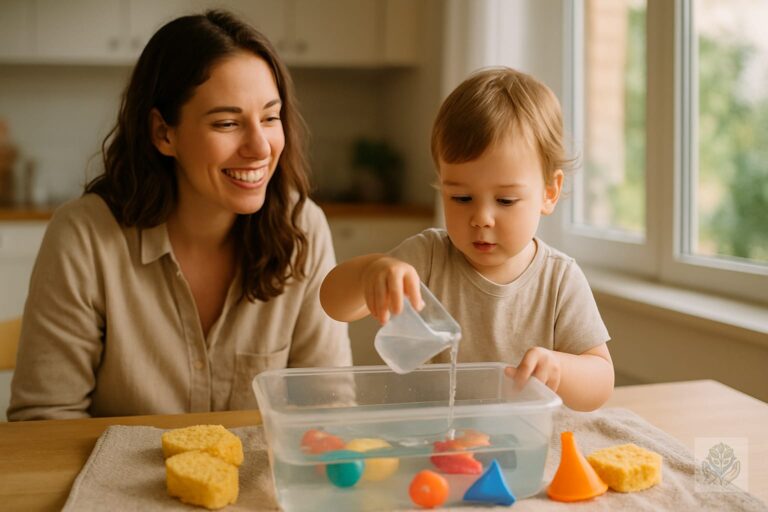
Many parents worry about the mess, but with a bit of planning, creating a contained play area is simple. By setting up a dedicated water station using a plastic bin, a designated water table, or a shallow tray placed on a towel, you can provide your child with hours of independent exploration. This article will guide you through the developmental benefits of water play and provide 15 easy-to-implement ideas to keep your child engaged and learning.

The Benefits of Water Sensory Play

Water is a fascinating medium for children. Beyond the simple joy of splashing, it serves as a powerful tool for developmental milestones. First, it is exceptional for fine motor skill development. When children pour, scoop, squeeze sponges, or use eye droppers to move water, they are strengthening the small muscles in their hands and improving their hand-eye coordination. You can find more inspiration in our guide to 15 engaging indoor activities that improve fine motor skills for kids.

Beyond motor skills, water play introduces children to fundamental scientific concepts. They begin to experiment with cause and effect, volume, and the difference between items that float and those that sink. This builds the foundation for mathematical and scientific thinking. Furthermore, water play is inherently rich with vocabulary opportunities. As your child splashes, you can introduce descriptive words like wet, dry, cold, warm, bubbly, and transparent, which significantly aids in language development.

Finally, there is a distinct, calming, and therapeutic effect associated with water. For many children, the rhythmic nature of pouring water helps them regulate their emotions and settle down after a high-energy period. It is truly a low-stress, high-reward activity for any developing brain.

Essential Tools for Water Play Success

Before diving into the activities, having the right supplies ensures that the focus remains on the fun. A simple plastic storage bin is often all you need to get started. If you plan on doing this frequently, a dedicated water table is a fantastic investment. To keep the area manageable, always keep a few large towels nearby to catch inevitable spills.

The tools you choose to include in the water can change the nature of the play entirely. Consider adding items such as:

  • Plastic cups, bowls, and pitchers for pouring
  • Funnels to observe the flow of water
  • Kitchen basters or eye droppers for precision
  • Natural sponges for soaking up and squeezing water
  • Whisks or egg beaters to create foam

To minimize mess, define the play area clearly. If playing indoors, place your water bin inside a larger flat tray, such as a baking sheet or a sensory bin, to contain splashes before they hit the floor. Check out our ultimate guide to indoor toddler activities for more tips on managing play at home.

Creative Water Sensory Play Ideas for Young Children

Here are 15 engaging concepts to try at home, ranging from simple to themed activities:

  1. The Car Wash: Grab a collection of plastic toy cars, a sponge, and a little tear-free soap. Your child will love scrubbing their “dirty” vehicles clean.
  2. Color Mixing: Add a few drops of food-safe dye to water. Use clear cups and encourage your child to pour colors into one another to see them change.
  3. Nature Discovery: Collect pebbles, leaves, and flowers from a walk and place them in the water. Ask your child which items sink and which float.
  4. Arctic Rescue: Freeze small plastic animals inside an ice block overnight. Let your child use warm water and a dropper to “rescue” them from the ice.
  5. Ocean Beach Theme: Use kinetic sand on one side of the bin and water on the other. Add seashells and toy crabs for an immersive sensory beach experience.
  6. Bubble Foam Fun: Mix a small amount of water with tear-free soap and use a hand mixer to create stiff, cloud-like bubbles for your child to scoop.
  7. Sponge Painting: Dip large sponges into colored water and “paint” the sidewalk or a large sheet of paper outdoors.
  8. The Toy Wash: Similar to the car wash, clean plastic dolls, dinosaurs, or tea sets. It teaches responsibility and care.
  9. Water Transfer: Provide two containers—one full of water and one empty—and a variety of tools like a sponge, a turkey baster, and a ladle to transfer the liquid.
  10. Pipe Work: If you have an outdoor water table, use pieces of PVC pipe or pool noodles to create a water slide system for floating toys.
  11. Ice Cube Soup: Fill a bin with water and a few trays of ice cubes. Provide a large spoon for stirring and a colander for fishing the ice out.
  12. Flower Petal Bath: Add flower petals or herbs like mint to the water for a scented sensory experience that engages smell and touch.
  13. Sink or Float Experiment: Place a variety of household items in the water, such as a metal spoon, a wooden block, and a plastic lid, to explore physics.
  14. Rainbow Pouring: Use multiple colored waters and different shaped containers to see how levels look when stacked or filled.
  15. Duck Pond: Add floating rubber ducks and a few ping pong balls for a simple, classic water activity that focuses on fine motor grabbing.

Indoor vs. Outdoor Water Play Strategies

Managing the location of your water play is key to consistency. Outdoor play is the easiest, as you do not need to worry about the floor. On hot summer days, placing a sensory bin on the grass or patio allows for ultimate freedom. In colder months, you can bring the fun inside. Using a large tray under the water bin is essential for indoor play. Always perform the activity in a room with a wipeable floor, like the kitchen or bathroom, and prepare a towel station for the inevitable drips.

Safety First: A Parent’s Guide

Safety is the most important aspect of any play activity. Always provide constant supervision. Even in shallow water, a child needs an adult nearby. Choose non-toxic, age-appropriate items that do not present a choking hazard, especially if your child is still in the mouthing stage. Learn more about maintaining a secure environment in our ultimate guide to baby safety. Finally, make it a habit to dump the water and sanitize your bins and toys after each use to prevent bacteria growth. This keeps the toys clean and ready for the next adventure.

Conclusion

Whether you choose a simple car wash or a complex ocean-themed setup, the primary goal of these water sensory play ideas is to foster curiosity and joy. Do not feel pressured to make every activity structured; often, free play—where your child dictates the rules and explores at their own pace—is the most beneficial. By providing the environment and the tools, you are building the foundation for your child to learn about the world around them. Do you have a favorite way to set up water play in your home? Please share your tips or favorite ideas in the comments below! You might also enjoy our 15 fun family water play activities for epic summer weekends.

Frequently Asked Questions

What are the benefits of water sensory play for young children?

Water play helps develop fine motor skills, introduces basic scientific concepts like sink and float, expands vocabulary, and provides a calming sensory experience.

How can I manage the mess during indoor water play?

Place your water bin inside a larger flat tray or baking sheet on a wipeable floor like the kitchen, and keep large towels nearby for easy cleanup.

What tools can I use for water sensory activities?

You can use plastic cups, funnels, turkey basters, eye droppers, natural sponges, and whisks to encourage pouring, scooping, and fine motor control.

Is water play safe for toddlers?

Yes, provided there is constant adult supervision, non-toxic materials are used, and the water is shallow and sanitized after every use.

What are some easy water play ideas to start with?

Simple activities include a toy car wash, color mixing with food dye, ice cube soup, and a classic sink or float experiment with household items.

How does water play help with early learning?

It teaches cause and effect, volume, and properties of matter while encouraging independent exploration and imaginative problem-solving skills.