

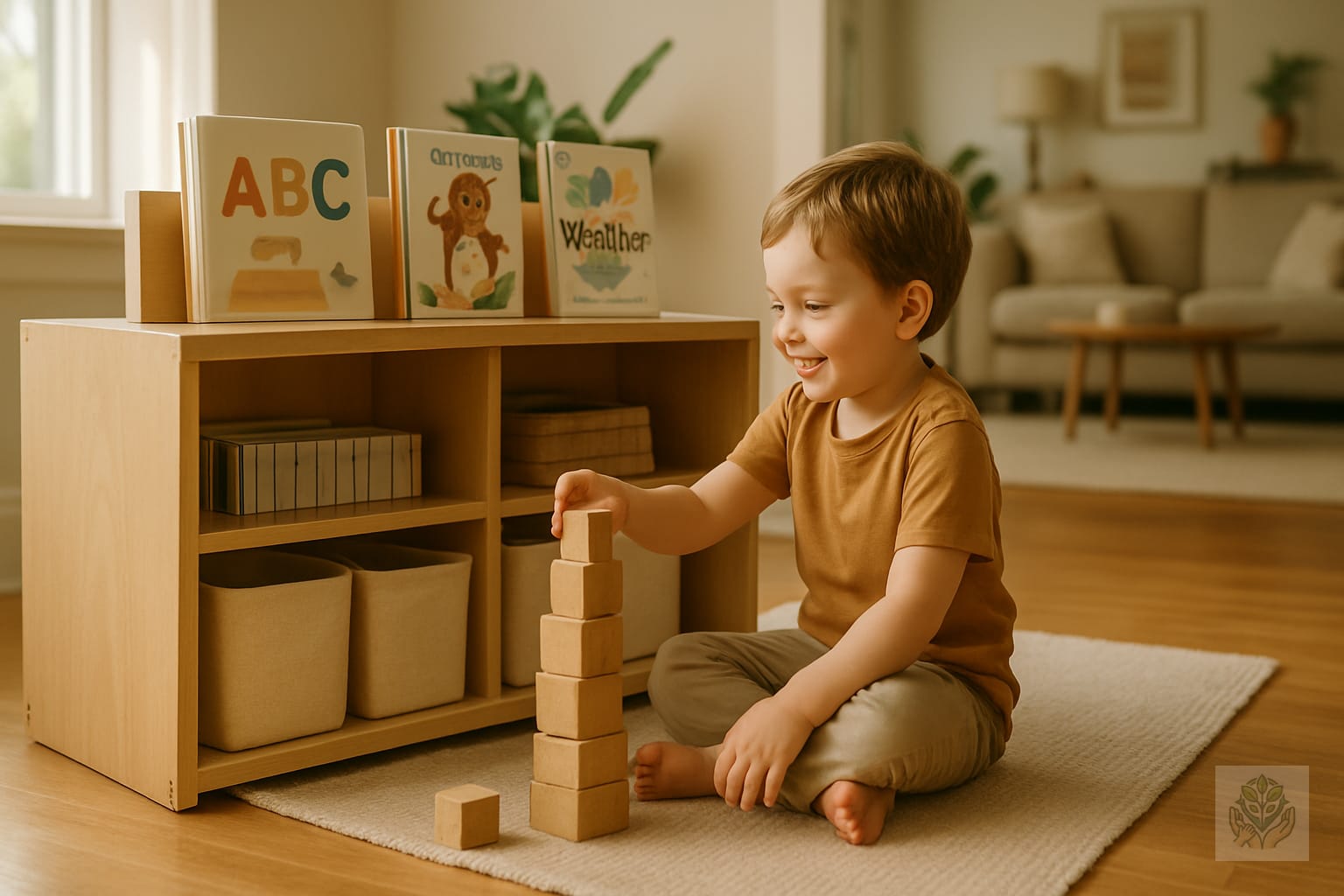
How to Build a Simple Preschool Learning Corner: A Step-by-Step Guide
Creating a dedicated space for your little one to explore, create, and learn can feel like a daunting task when you are already juggling a busy household. However, you do not need an entire playroom or a massive budget to make it happen. Learning how to build a simple preschool learning corner is one of the most effective ways to encourage independent play while providing your child with a consistent environment for cognitive and emotional development.
Think of this space as a intentional “yes” space—a designated area where your child feels empowered to touch, manipulate, and explore materials without constant redirection. Whether you have a spacious living room or a tiny apartment nook, this guide will show you how to design a functional, beautiful, and educational environment that benefits both you and your toddler.
Why Every Preschooler Needs a Learning Corner
As parents, we often worry about our children spending too much time in front of screens or feeling overwhelmed by a bedroom full of toys that never get used. A dedicated learning corner solves many of these challenges by providing a sense of order. When a child knows exactly where their books, blocks, and art supplies live, they naturally gravitate toward more purposeful play.
Beyond reducing screen time, these corners are essential for developing executive function. By choosing their own activity and engaging with it, children practice focus, problem-solving, and emotional regulation. This independence builds confidence, as children learn to manage their own activities and return items to their proper places once they are finished.
Choosing the Perfect Location
You do not need to build an addition to your home to find the perfect spot. The best location for a learning corner is one where your child feels safe and you feel comfortable supervising. A quiet nook in the living room, a corner of the dining area, or even a modified closet can work wonders.
Consider the natural flow of your home. You want a spot with good lighting—near a window is ideal—to help maintain a calm, inviting atmosphere. Ensure the space is accessible to your child so they can enter and exit independently. If you are working with a very small square footage, keep in mind that proximity to your own workspace allows for natural connection; your child can work on their “projects” while you catch up on emails or household chores nearby.
Essential Elements for a Simple Learning Corner
The goal of a minimalist learning area is to avoid overstimulation. When a shelf is overflowing with too many options, children often dump everything out in frustration rather than playing with one thing. Follow the “less is more” philosophy by keeping the area curated.
- Low, Open Shelving: Use child-height shelves so your preschooler can reach items without asking for help. You can find inspiration for styling these spaces in our 10 clever open storage ideas for a Montessori-inspired kids’ room.
- Comfortable Seating: A small floor mat, a few soft cushions, or a beanbag chair can turn a hard floor into a cozy retreat.
- Storage Bins and Labels: Use clear bins or baskets so your child can see what is inside, and add picture labels to help them learn where items belong.
- Defined Boundaries: A small area rug can act as a visual boundary, signaling to your child that this is the place where their work happens.
Curating Your Learning Stations
To make the space truly versatile, we recommend the Four-Pillar Approach. By creating specific zones, you allow your child to shift their focus between different types of developmental play.
1. Literacy and Reading Nook
This is your quiet space. Feature a small shelf where books are displayed with covers facing forward rather than spines; this visual appeal draws children into reading. Include a cozy, soft place to sit. To find great titles to fill this space, check out the ultimate guide to age-appropriate books for toddlers and preschoolers.
2. Fine Motor Area
Focus on skills like grasping and precision. Puzzles, shape sorters, lacing beads, or stacking blocks provide the perfect challenge for growing hands and minds. You can also incorporate 11 easy hand strengthening activities for preschoolers to further boost their fine motor skills.
3. Sensory and Creative Station
If space is tight, use a simple tray or a lidded bin for sensory activities like kinetic sand or dry beans. For art, ensure paper and crayons are always within reach but easy to contain.
4. Imaginative Play Corner
This does not need to be a full kitchen set. A basket filled with dress-up scarves, hats, or a few simple dolls allows your child to explore roles and emotions through dramatic play. Learn more about why this matters in our overview of the educational benefits of pretend play explained.
Budget-Friendly DIY Tips
Building a learning corner should not strain your bank account. Many of the best tools are already in your home or can be found at local thrift shops. Look for low bookcases that can be laid on their sides to create an instant shelving unit.
Use baskets from discount stores or woven boxes you already own to organize materials. You can create your own labels by taking photos of the toys, printing them out, and taping them to the bins. This visual organization is highly effective for preschoolers who are not yet reading but are learning to categorize objects.
How to Keep It Organized
The secret to maintaining this space is the art of toy rotation. Instead of leaving every toy available at once, keep half of your materials in storage. Every two or three weeks, swap the items in the learning corner with the stored items. This keeps play fresh and exciting, and drastically reduces the mess in your home.
Finally, make clean-up part of the play. Use a timer or a “clean-up song” to turn the process of putting items back into a game. When children are involved in the maintenance of their own learning space, they take more pride in their environment. For more ideas on structuring your child’s day, browse our daily activity routine for preschoolers guide.
Frequently Asked Questions (FAQs)
How big should the area be? It only needs to be large enough for your child to sit comfortably and spread out a small activity. Even a three-by-three foot space is sufficient.
How often should I rotate toys? Every two to four weeks is a good standard. You will know it is time when your child stops engaging with the materials currently on the shelves.
How do I keep it clean? Use washable surfaces whenever possible and choose toys that are easy to wipe down. A simple routine of tidying up before nap time or bedtime keeps the space functional for the next day.
Conclusion
Learning how to build a simple preschool learning corner is an investment in your child’s independence and love for learning. By providing a dedicated, organized, and inviting space, you are giving them the tools they need to explore the world on their own terms. Start small, observe what your child gravitates toward, and allow the space to evolve as they grow. Ready to get started? Sign up for our newsletter to download a free Toy Rotation Checklist to keep your new learning corner organized all year long.
Frequently Asked Questions
How big should the learning corner be?
It only needs to be large enough for your child to sit comfortably and spread out a small activity. Even a three-by-three foot space is more than sufficient for a functional setup.
How often should I rotate the toys?
Every two to four weeks is a good standard. You will know it is time to rotate when your child stops engaging with the materials currently on the shelves.
How do I keep the learning corner clean?
Use washable surfaces whenever possible and choose toys that are easy to wipe down. A simple routine of tidying up before nap time or bedtime keeps the space functional.
Do I need expensive furniture for this space?
Not at all. Many of the best tools are already in your home or can be found at thrift shops. Low bookcases laid on their sides work wonderfully.
What if I live in a small apartment?
A quiet nook in the living room, a corner of the dining area, or even a modified closet can work wonders. Proximity to your workspace allows for natural connection.
Why are low shelves important?
Low, open shelving ensures your preschooler can reach items without asking for help, which builds confidence and fosters independent decision-making.


