

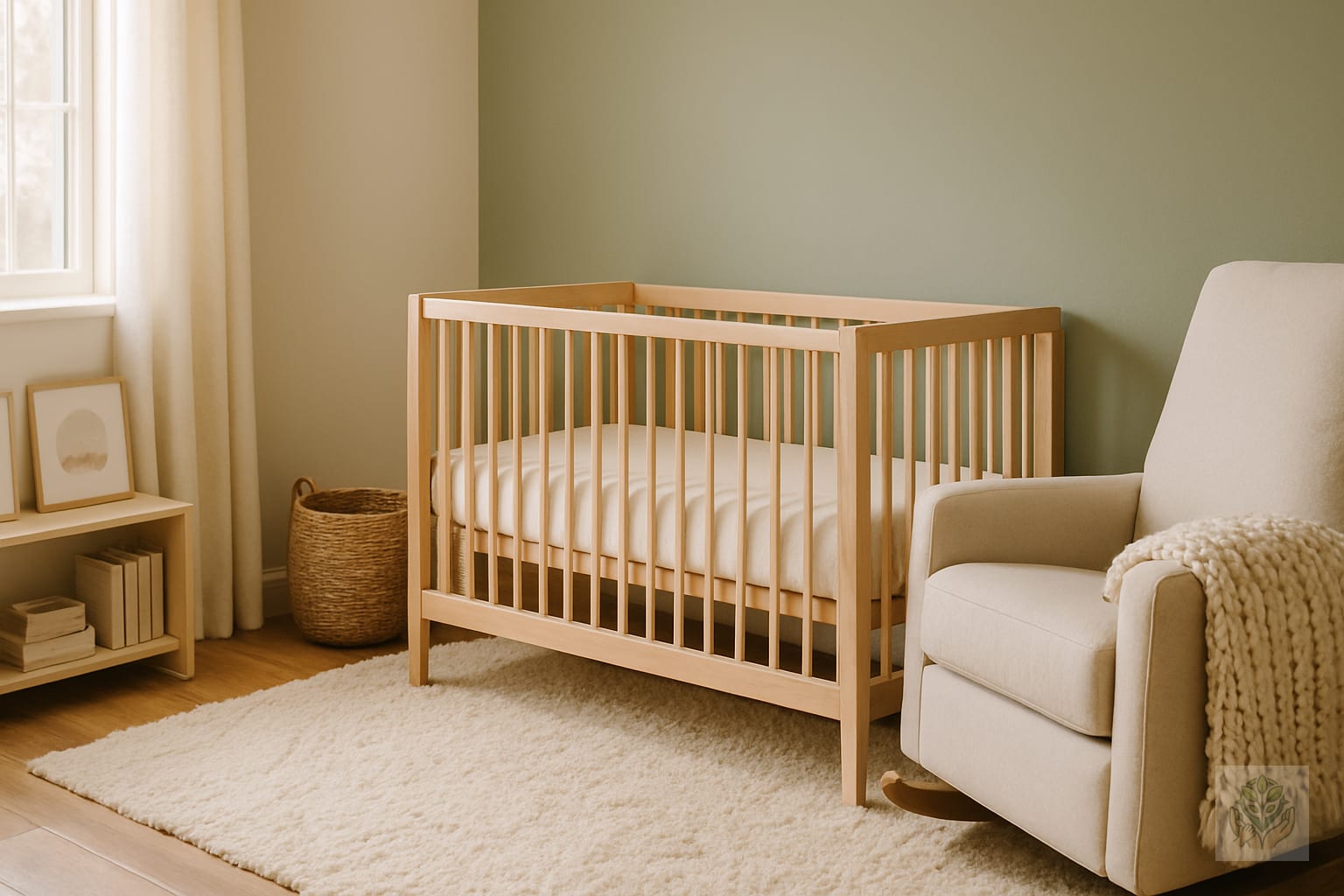
15 Calm and Cozy Nursery Decor Ideas for a Peaceful Sleep Space
Creating a Sanctuary: Why a Calm and Cozy Nursery Matters
Preparing for a new baby brings an undeniable wave of excitement, nesting instincts, and yes, a little bit of stress. Amidst all the registry checklists and tiny outfits, designing the room where your little one will rest is often the most therapeutic step. Setting up a dedicated, tranquil environment does more than just look good on social media. A genuinely calm and cozy nursery plays a vital role in helping infants wind down, regulate their nervous systems, and drift off to sleep more easily.
Infants are deeply sensitive to their surroundings. When a room is cluttered, visually chaotic, or lit with harsh fluorescents, it can overstimulate a baby who is already learning how to process a big world. On the flip side, thoughtful nursery design supports healthy sleep habits by signaling to your baby that the room is a safe, quiet place for rest. Furthermore, let us not forget about you—the exhausted parent spending countless hours rocking, nursing, and soothing during night wakings. A serene space helps lower your cortisol levels during those 3:00 AM wake-up calls.
In this guide, we explore actionable, beautiful strategies to build a dreamy sanctuary. From color psychology to lighting hacks, read on to discover how to design a gorgeous sleep space that balances effortless style with everyday functionality.
1. Choose a Soft, Neutral Color Palette
The foundation of any peaceful bedroom begins with the walls. When searching for the ideal nursery paint color, steer clear of overly saturated primary colors that can energize an infant. Instead, lean into soft, warm whites, gentle greiges, muted earth tones, and calming sage greens. These hues act as a visual exhale, making the entire room feel grounded and expansive.
Color psychology strongly supports the use of muted tones in infant spaces. Soft blues, pale grays, and warm taupes mimic natural outdoor environments, which naturally promote relaxation and melatonin production. If you are worried that an all-neutral room might look a bit sterile, do not fret. You can easily combat this by choosing paint with a matte finish that absorbs light softly rather than reflecting it harshly.
2. Layer in Warm and Tactile Textures
Color is only part of the equation; texture is what truly makes a room feel lived-in and inviting. Nurseries often feature hard surfaces like wooden cribs, plastic baby gear, and smooth dressers. To balance these out, you must introduce tactile, soft elements that invite touch and warmth. For additional comfort on the bed, consider choosing items from our baby fitted sheets buying guide.
Try incorporating a chunky knit throw blanket draped over the rocking chair, airy linen curtains that flutter gently with the breeze, and a plush, high-pile faux-fur rug for tummy time. These layers do not just add visual depth; they also absorb sound, which helps muffle footsteps when you are trying to sneak out of the room after a successful nap transfer. As your baby grows, these diverse sensory touchpoints support healthy tactile exploration.
3. Install Layered, Warm Lighting
Overhead lighting is the absolute enemy of a sleepy baby. If you flip on a glaring white overhead light during a midnight diaper change, you instantly signal to your baby’s brain that it is time to wake up. Swap out harsh bulbs and install dimmable fixtures across the board.
When selecting lightbulbs, always look for warm-toned options rated at 2700K or lower. This specific color temperature mimics the gentle glow of sunset, naturally encouraging melatonin production. To complete the ambiance, layer in cozy accent lighting such as a dim wall sconce above the glider or a cute, touch-controlled bedside lamp with an amber-toned shade. To establish an even better nighttime routine once lights are dimmed, consult our expert guide on how to help a child who fights bedtime as they grow older.
4. Embrace Minimalist Furniture and Clever Storage
Clutter is the silent killer of calm. When toys, diapers, and laundry are scattered everywhere, the room instantly feels chaotic. By embracing minimalist furniture—such as a simple Scandinavian-inspired wooden crib and a streamlined, comfortable glider—you instantly free up precious floor space. You can find more layout suggestions in our overview of essential furniture for a functional nursery.
Adopt the out-of-sight, out-of-mind philosophy by investing in clever storage solutions. Woven baskets, canvas bins, and lidded storage boxes are your best friends here. Tuck daily essentials neatly away inside furniture or closet organizers so that your horizontal surfaces remain completely clear, maintaining that tranquil, spa-like vibe.
5. Bring the Outdoors In with Nature-Inspired Decor
Biophilic design—the practice of connecting humans to nature within built environments—has profound psychological benefits, even for infants. Adding elements of the natural world naturally lowers heart rates and creates a deeply peaceful atmosphere.
Consider introducing pet-safe, air-purifying houseplants like a parlor palm or a spider plant on a high shelf out of reach. Alternatively, incorporate natural materials such as rattan changing tray baskets, bamboo hampers, and light oak shelving. These organic textures introduce an earthy warmth that synthetic materials simply cannot replicate. For families looking to expand natural play areas as the child grows, check out our selection of best outdoor toys for active toddlers.
6. Keep Wall Art Simple and Serene
Gallery walls can sometimes become too busy and overstimulating for a nursery. Instead of hanging dozens of loud, colorful prints, curate a few select pieces that evoke a sense of wonder and tranquility. Gentle watercolor landscapes, abstract shapes in muted tones, or simple botanical illustrations work wonders.
When hanging your art, remember to place some pieces down low at baby’s eye level. Once your little one reaches the tummy time and crawling stages, having gentle, high-contrast shapes or friendly animal faces to look at will keep them happily engaged without causing sensory overload. Always use secure, shatterproof framing to keep safety paramount. You can also explore options from our best educational toys for kids age-wise guide for smart learning to prepare for future developmental stages.
Final Thoughts on Designing Your Dream Cozy Nursery
Designing a space for your new arrival is a truly joyful milestone. By focusing on foundational elements like soothing color palettes, tactile layers, warm-toned lighting, and smart storage solutions, you can effortlessly craft a calm and cozy nursery that serves as a peaceful haven for your entire family.
Always remember that functionality is just as important as aesthetics. A gorgeous room loses its charm if the glider hurts your back or the changing table is too far from the diapers. Prioritize comfort and ease of use alongside your decor choices, and you will have a room that feels just as good as it looks.
What is your favorite way to add warmth to a baby’s room? Share your go-to cozy decor tips in the comments below!
Frequently Asked Questions
What are the best colors for a calm nursery?
Soft neutrals like warm whites, greiges, muted earth tones, and calming sage greens are ideal because they promote relaxation and do not overstimulate an infant.
How can I make my nursery feel cozy?
You can add coziness by layering tactile textures such as a chunky knit throw blanket, linen curtains, a plush rug, and warm-toned lighting.
What type of lighting is best for a baby’s room?
Dimmable fixtures with warm-toned bulbs rated at 2700K or lower work best. They mimic the glow of sunset and encourage natural melatonin production.
How do I keep a nursery looking minimal and calm?
Use clever storage solutions like woven baskets, canvas bins, and lidded boxes to hide clutter and keep horizontal surfaces completely clear.
Are houseplants safe to use in a nursery?
Yes, as long as you choose non-toxic, pet-safe, and air-purifying varieties like parlor palms and place them safely out of your baby’s reach on high shelves.
How can I decorate nursery walls without overstimulating the baby?
Opt for a few select pieces of art, such as gentle watercolor landscapes or simple botanical illustrations in secure, shatterproof frames, rather than a busy gallery wall.


