

“`html
Choosing the Right Bicycle for a Young Child: The Ultimate Parent’s Guide
Buying your child their first bicycle is a monumental milestone. It is a rite of passage that promises summers filled with neighborhood adventures, newfound independence, and family memories. However, stepping into a bike shop or browsing online can quickly become overwhelming. With so many options available, choosing the right bicycle for a young child requires more than just picking their favorite color.
Getting the right size and type of bike is crucial for your child’s safety and long-term enjoyment of the sport. A bike that is too large or heavy can turn a fun activity into a frustrating experience, while the correct equipment can boost their confidence almost instantly. In this guide, we will walk you through the technicalities of sizing, the pros and cons of different training methods, and the essential safety features every parent should prioritize. For more specific sizing help, you can also read our guide on how to choose the right bicycle size for your child.
Why Size Matters: Understanding Bike Sizing
Many parents fall into the trap of buying a bike that is slightly too big, thinking their child will eventually grow into it. While this might save money in the short term, it is one of the biggest mistakes you can make when choosing the right bicycle for a young child. A bike that is too large is difficult to control, harder to balance, and significantly increases the risk of accidents.
Unlike adult bikes which are categorized by frame size, children’s bikes are primarily categorized by wheel diameter, typically ranging from 12 to 24 inches. However, wheel size alone does not tell the whole story. You must look at the stand-over height, which is the clearance between the ground and the top tube of the bike frame.
Your child should be able to comfortably stand over the top tube with both feet flat on the ground. If they are on their tiptoes or cannot clear the frame, the bike is too tall. A proper fit ensures that your child can easily mount and dismount, providing a critical safety cushion for when they need to stop suddenly.
Balance Bike vs. Training Wheels: The Great Debate
The method you choose to teach your child to ride can shape their entire relationship with cycling. For many years, training wheels were the gold standard. While they do provide stability, they often delay the development of the most important skill in cycling: balance.
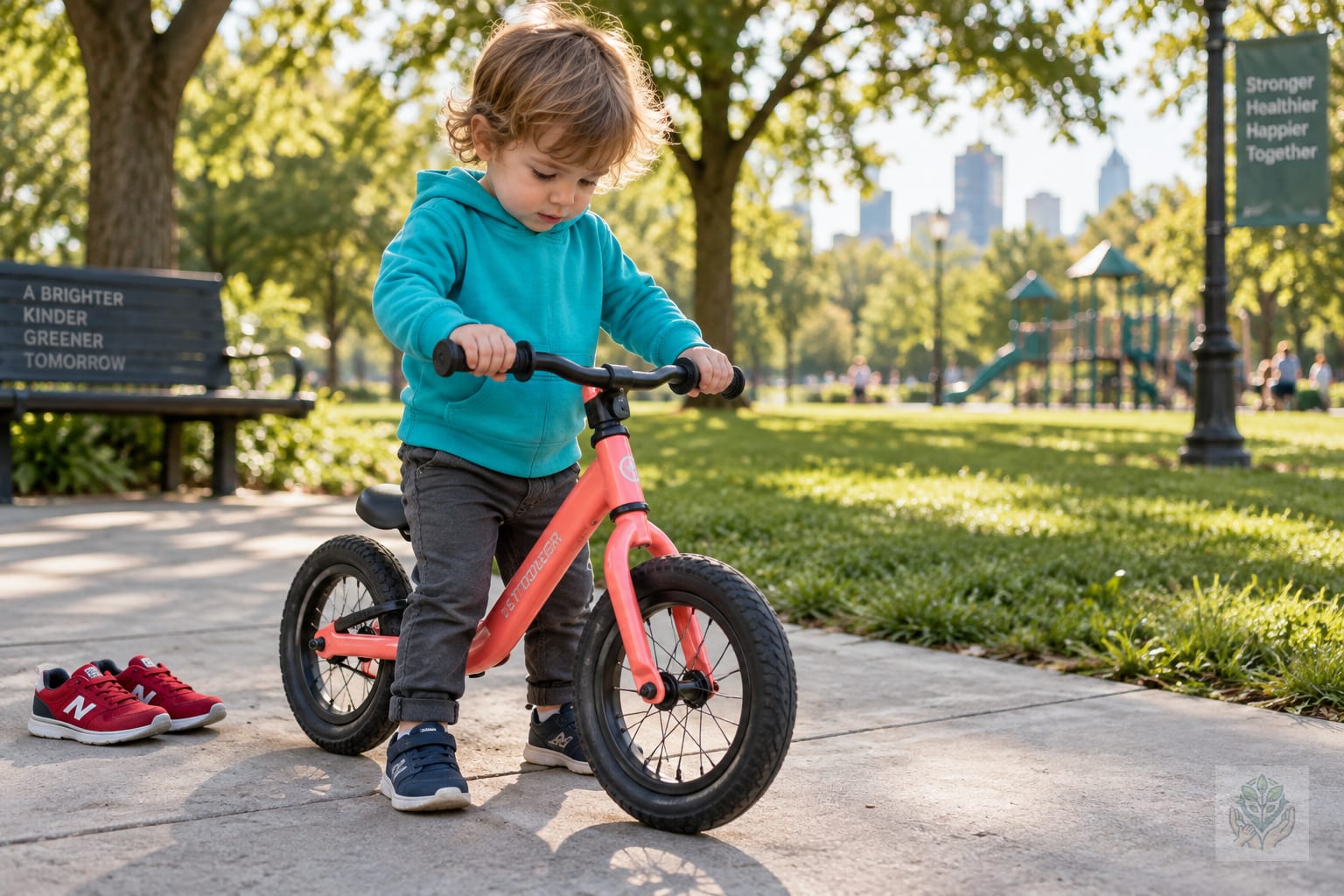
Balance bikes have become increasingly popular because they remove the pedals entirely. By allowing children to scoot and glide using their feet, they naturally learn how to lean and balance the bike in motion. Once they are comfortable balancing, moving to a pedal bike is usually a seamless transition that happens in minutes rather than weeks.
If your child is already older or expresses a preference for pedals, training wheels are still a viable tool. However, it is important to adjust them so that they are slightly off the ground. This forces the child to use their own balance rather than relying on the wheels to keep the bike upright, effectively turning the training wheels into a safety backup rather than a crutch.
Step-by-Step: How to Measure Your Child for a Bike
To ensure you are choosing the right bicycle for a young child, you need accurate measurements. The most critical metric is your child’s inseam. This is not the same as their pant size. To measure correctly, have your child stand against a wall in their socks.
- Place a book between their legs, pushing it up gently as if they were sitting on a bike seat.
- Measure from the top edge of the book down to the floor.
- Compare this measurement against the manufacturer’s stand-over height specifications for the specific bike model.
Beyond the inseam, look for bikes that feature highly adjustable seat heights. Children grow quickly, and being able to raise the seat and handlebars as they get taller can extend the lifespan of the bike by a full season or two.
Key Features to Look For
When comparing models, the weight of the bike is often overlooked by parents but is arguably the most important factor for the child. A bike that weighs 40% of your child’s body weight will be incredibly difficult for them to pedal uphill or maneuver around obstacles. Look for lightweight aluminum frames whenever your budget allows.
Consider the braking system as well. Younger children often lack the hand strength required for effective hand brakes. Many starter bikes feature coaster brakes, which allow the child to stop by pedaling backward. As they graduate to larger bikes, look for a combination of hand brakes and coaster brakes to help them build the motor skills needed for more advanced riding. For guidance on teaching this crucial skill, check out our tutorial on how to teach your child to brake safely on a bike.
Finally, check the tires. Pneumatic, or air-filled, tires offer better traction and a smoother ride than hard plastic or foam tires. While they require the occasional pump, the difference in comfort and control is well worth the extra effort.
Safety Gear Essentials
Your child’s first bike is only as safe as the gear they wear. A high-quality helmet is non-negotiable. Always look for certifications from organizations like the CPSC or ASTM to ensure the helmet meets rigorous safety standards. A helmet should sit level on the forehead, not tilted back, and the straps should form a ‘V’ shape just below the ears. To protect their hands during rides or falls, consider picking up a pair from our recommended best bicycle gloves for young cyclists.
In addition to the helmet, consider adding high-visibility accessories. Reflective stickers, spokes lights, and a bell can help your child be seen and heard by drivers and pedestrians. Always insist that your child wears closed-toe shoes when riding. Sandals or flip-flops can easily slip off pedals or get caught in the drivetrain, leading to avoidable injuries.
When to Upgrade: Knowing When Your Child Needs a Bigger Bike
Even when you are successful in choosing the right bicycle for a young child, the time to upgrade will eventually come. You will notice the bike is too small if your child’s knees appear to come dangerously close to the handlebars when pedaling. If they look cramped or appear to be hunched over, their comfort and efficiency are compromised.
Another sign is a loss of confidence. If a child who was previously riding with ease suddenly starts struggling with steering or speed, it may be because the bike has become too small and twitchy for their growing body. When this happens, it is time to look for the next size up.
Conclusion
Selecting the perfect bike is a balance between safety, fit, and fun. By focusing on your child’s inseam measurement, prioritizing lightweight materials, and ensuring they have the right safety gear, you are setting them up for a lifetime of cycling enjoyment. Remember, the goal is to make riding an activity they look forward to, not a source of stress.
If you are still unsure about which model to pick, visit a local independent bike shop. The staff can provide professional fitting services that are invaluable for young riders. For more detailed reviews on top-rated children’s bikes, feel free to browse our recommended gear section to find the best options available on the market today. Once they are fully geared up, you might also want to explore our tips on the best bags and storage accessories for family bike rides or learn how to organize kids’ sports equipment at home once you return.
Frequently Asked Questions
What size bike does a young child need?
Children’s bikes are categorized by wheel diameter, usually ranging from 12 to 24 inches. The most important metric is the stand-over height, ensuring your child can comfortably stand over the top tube with both feet flat on the ground.
Are balance bikes better than training wheels?
Balance bikes help children naturally learn how to lean and balance without pedals. This often makes the transition to a regular pedal bike much faster and easier compared to traditional training wheels.
How do I measure my child for a bike?
Measure your child’s inseam by having them stand in socks against a wall. Place a book between their legs as if they were sitting on a saddle, then measure from the top of the book to the floor.
Why is bike weight important for kids?
A heavy bike is difficult for a young child to pedal or maneuver. Choosing a lightweight aluminum frame makes riding much easier, more enjoyable, and less exhausting for your child.
What safety gear does my child need for cycling?
Your child always needs a certified helmet that fits securely and sits level on their forehead. Additionally, they should wear closed-toe shoes and high-visibility accessories for better safety.
How do I know when my child needs a bigger bike?
You will know it is time to upgrade when your child’s knees come too close to the handlebars while pedaling, or if they appear cramped, hunched over, and struggle with steering.


