

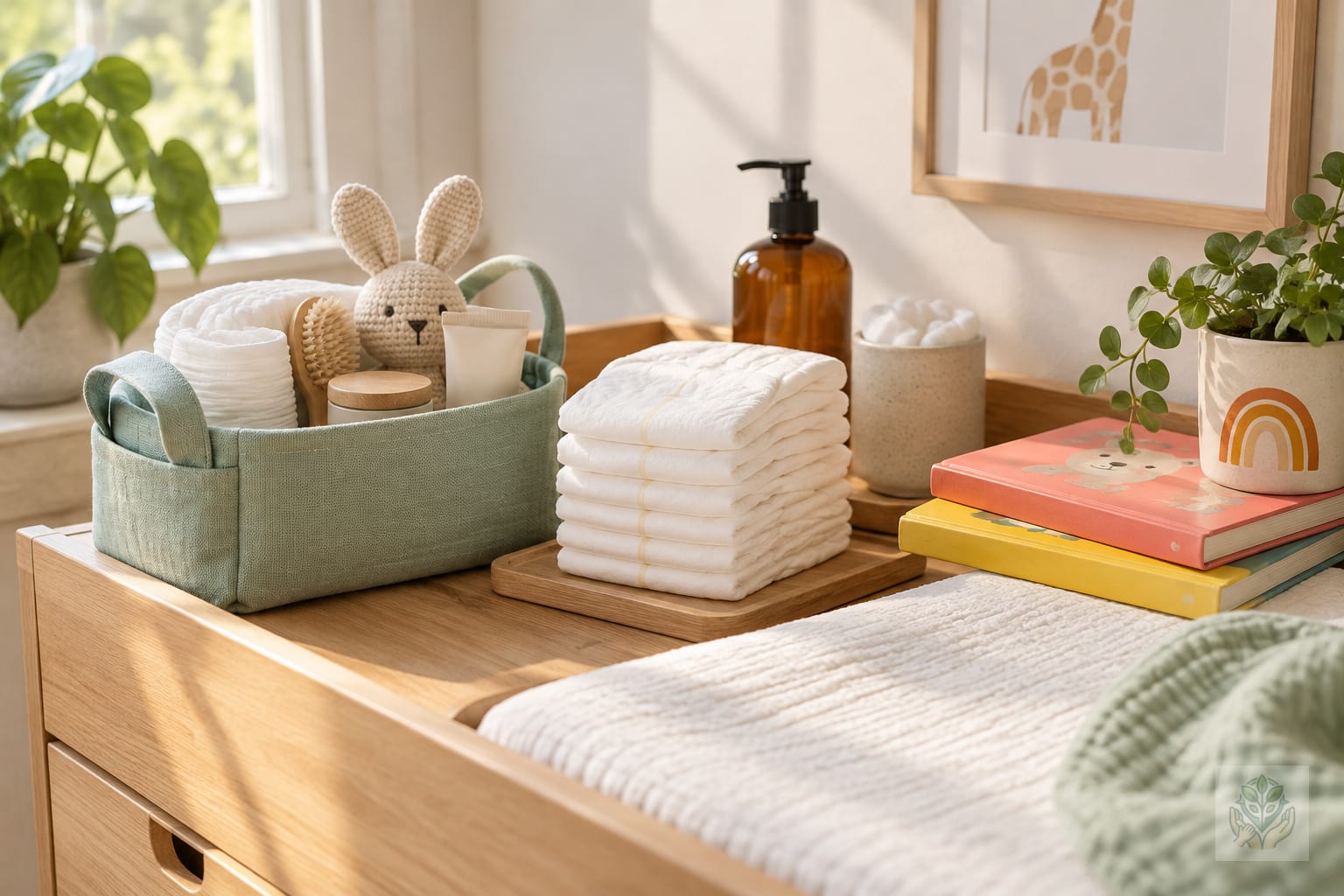
“`html
The Ultimate Guide to Choosing the Right Diaper Size for Your Baby
Welcoming a new baby brings endless joys, along with a surprising number of questions about daily care. Among the most frequent hurdles for new caregivers is mastering diaper management. When you are knee-deep in laundry and sleepless nights, choosing the right diaper size can feel like an overwhelming puzzle. However, getting the fit right is essential for keeping your little one happy, comfortable, and dry.
Proper fit prevents messy leaks, protects sensitive skin from painful rashes, and allows your baby to move freely as they explore the world. Because every baby grows at their own unique pace, understanding how diaper sizing works takes a bit of guesswork. This comprehensive guide will walk you through everything you need to know, from deciphering weight charts to spotting the exact moment your baby is ready to move up a size.
The Basics: Understanding Diaper Sizing
Navigating baby care aisle labels can make your head spin. If you look closely at diaper packaging, you will notice that weight ranges frequently overlap between sizes. For example, a size one might cover eight to fourteen pounds, while a size two covers twelve to eighteen pounds. Manufacturers design them this way because every infant has a different body shape, whether they are long and lean or short and stout.
Another factor that surprises many parents is brand variability. Just like adult clothing, a size two in one brand might fit entirely differently than a size two in another. Some brands run smaller and narrower, while others offer a wider, more generous fit. Always take brand differences into account when stocking up.
Generally speaking, sizing breaks down into newborn, infant, and toddler categories. Newborn sizes cater to the smallest babies and often feature a special cutout for the healing umbilical cord. Infant sizes cover rapid growth phases during the first year, while toddler sizes accommodate active, crawling, and walking little ones who need extra absorbent protection and flexible mobility.
Signs It’s Time to Size Up
Babies grow at an astonishing rate during their first year of life. One week a diaper fits like a glove, and the next week you are dealing with mysterious leaks. Knowing the physical indicators that signal a need for change saves you from endless outfit swaps.
- Frequent leaks and blowouts: If you experience leaks up the back or around the legs despite proper application, the diaper’s absorption capacity or coverage area is likely maxed out.
- Red marks on the skin: Tender red lines or indentations around your baby’s thighs or waist indicate that the current diaper is cutting into their skin too tightly. For sensitive skin care tips, see our dermatologist-reviewed guide to disposable diapers.
- Difficulty fastening tabs: When you have to stretch the sticky tabs aggressively to make them meet in the center, or if they consistently pop open, your baby has outgrown the current size.
- The bikini cut look: If the waistband sits very low on your baby’s tummy resembling a low-rise bikini, it lacks enough rise to provide secure coverage.
Signs Your Baby is in a Diaper That is Too Big
While sizing up too late leads to blowouts, sizing up too early brings its own set of frustrations. Putting a baby in a diaper that is too large compromises the snug seal required to contain messes.
Keep an eye out for noticeable gaps around the leg holes. If you can slide multiple fingers into the leg opening with ease, liquid waste will escape. Additionally, if the diaper sags heavily between the legs even when dry, it is too bulky for your baby’s current frame. This excessive looseness causes constant chafing and skin irritation due to friction against loose material.
Step-by-Step: How to Check for the Perfect Fit
Checking for the ideal fit takes just a few seconds during a routine changing session. Follow these simple steps to ensure optimal comfort and leak protection.
- The two-finger test: Fasten the waistband and slide two fingers comfortably underneath the front band. If it feels too tight for two fingers, loosen the tabs or consider sizing up. If there is too much wiggle room, it is too loose.
- Check the leg gussets: Run your finger along the inner leg cuffs after fastening. The ruffles should stand upright against the skin, creating a reliable barrier against leaks while still allowing complete freedom of movement.
- Ensure symmetrical tabs: Fasten both sides evenly. Uneven tabs create gaps on one side, inviting leaks and causing uneven pressure on your baby’s delicate skin.
General Diaper Size Chart by Weight (Reference Guide)
While weight charts serve as a helpful starting point, remember that your baby’s unique build dictates the actual fit. Use this general reference guide as a baseline when shopping.
| Diaper Size | Weight Range |
|---|---|
| Newborn | Up to 10 lbs |
| Size 1 | 8 to 14 lbs |
| Size 2 | 12 to 18 lbs |
| Size 3 | 16 to 28 lbs |
| Size 4 and up | 22 lbs and above |
Disclaimer: Always prioritize your baby’s unique body shape and comfort over generic weight charts. A chubby-thighed baby often needs to size up sooner than the weight limit suggests. To keep their skin soft and healthy as they grow, check out these best baby lotions for soft and healthy skin.
Pro-Tips for Stress-Free Diapering
Mastering diaper logistics makes daily parenting routines much smoother. Here are a few insider tips to keep you prepared for every growth spurt.
First, resist the temptation to stock up on massive quantities of newborn sizes before your baby arrives. Many babies bypass the newborn size entirely or outgrow it within their first two weeks of life. Buy just one small pack to start. You can learn more about handling your infant safely right from the start in our guide on how to hold a newborn baby safely and comfortably.
When you find yourself hovering right on the edge of two sizes, you are likely in a transition period. Use up your remaining smaller boxes during daytime hours when you change your baby more frequently, and reserve the larger size for outings or longer stretches.
Finally, consider nighttime needs. Many parents find success by sizing up one size specifically for overnight protection. A slightly larger night diaper offers extra absorbency and prevents midnight leaks while your baby sleeps for longer stretches. Creating the ideal sleep space also helps; learn how with our essential sleep items every baby nursery needs checklist.
Conclusion
Ultimately, when it comes to choosing the right diaper size, you should always follow your baby’s physical cues rather than relying solely on the numbers printed on the box. Every infant grows at their own pace, and learning to read the signs of proper fit is a skill you will quickly master.
Trust your instincts as a parent, and do not hesitate to size up whenever leaks or red marks appear. You are doing an amazing job navigating the wonderful world of baby care. For more helpful tips, be sure to check out our comprehensive guides on mastering diaper changes and finding the best overnight solutions for uninterrupted sleep, or explore our advice on how to create a safe and comfortable nursery for your baby.
“`
Frequently Asked Questions
How do I know when to size up my baby’s diaper?
Look for signs like frequent leaks, red marks around the thighs or waist, difficulty fastening the tabs comfortably, or a low-rise bikini fit on the tummy.
Should I stock up on newborn size diapers before birth?
It is best not to buy too many newborn diapers in advance, as many babies outgrow them within two weeks or skip them entirely. Start with just one small pack.
What is the two-finger test for diaper fit?
Fasten the diaper and slide two fingers underneath the front waistband. If it feels too tight for two fingers, it is too small, and if there is too much wiggle room, it is too big.
Do diaper sizes vary between different brands?
Yes, diaper sizing can vary significantly across brands. Some run smaller and narrower, while others offer a more generous fit, so you may need to adjust the size when switching brands.
Should I use a larger diaper size for overnight sleep?
Many parents find success by using one size up during the night. A slightly larger nighttime diaper provides extra absorbency and helps prevent leaks during long stretches of sleep.
What happens if a diaper is too big for my baby?
A diaper that is too big will feature gaps around the leg holes and sag heavily, allowing liquid waste to escape and causing chafing from loose material friction.