

Cold Symptoms in Toddlers and How to Help Them Feel Better: A Parent’s Guide
There is nothing quite as heartbreaking as seeing your vibrant, energetic toddler suddenly become sluggish, fussy, and congested. As parents, our first instinct is to take away their discomfort immediately, but the reality is that cold symptoms in toddlers are a standard part of early childhood development. While it is never easy to watch your child struggle with a runny nose or a cough, understanding how to navigate these illnesses can make the experience much less daunting for both of you.
This guide is designed to provide you with safe, pediatrician-approved strategies to help your child find relief. Whether you are dealing with your first cold or your tenth, remember that your primary goal is comfort. Please note: While this article offers general guidance, always consult your pediatrician for medical advice specific to your child’s health history or if you are concerned about their breathing or behavior.
Common Cold Symptoms in Toddlers
Toddlers are like little sponges, picking up germs at daycare, the park, and playdates. Because their immune systems are still maturing, they may experience several colds per year. Identifying cold symptoms in toddlers early can help you start supportive care right away.
- Runny or stuffy nose: You might notice clear mucus at first, which can thicken and turn yellow or green. This is a normal part of the healing process and does not necessarily mean they need antibiotics.
- Sneezing and mild cough: This is the body’s way of clearing irritants from the airways.
- Slight fever: A low-grade fever is often the body’s way of fighting off the infection. It is generally not something to fear unless it is very high or persistent.
- Appetite and sleep changes: It is normal for toddlers to have less interest in food or wake up more frequently at night when they feel under the weather.
- Irritability and clinginess: Your child may just want extra hugs and security while they feel off. Building a strong bond can help, so learn more about why family bonding matters for young children.
How to Help Them Feel Better: Home Remedies
When it comes to treating cold symptoms in toddlers, time and rest are the best medicine. However, you can use several effective home remedies to manage the congestion and keep your child comfortable.
Hydration is Key
Focus on keeping your toddler hydrated. Water, breast milk, formula, or warm broth are excellent choices. Hydration keeps the mucus thin, which makes it easier for your child to blow their nose or cough it up. If your toddler is older, a warm (not hot) beverage can be very soothing for a scratchy throat. You can also explore top 7 healthy snacks for kids to help maintain their nutrition during recovery.
Humidity and Nasal Care
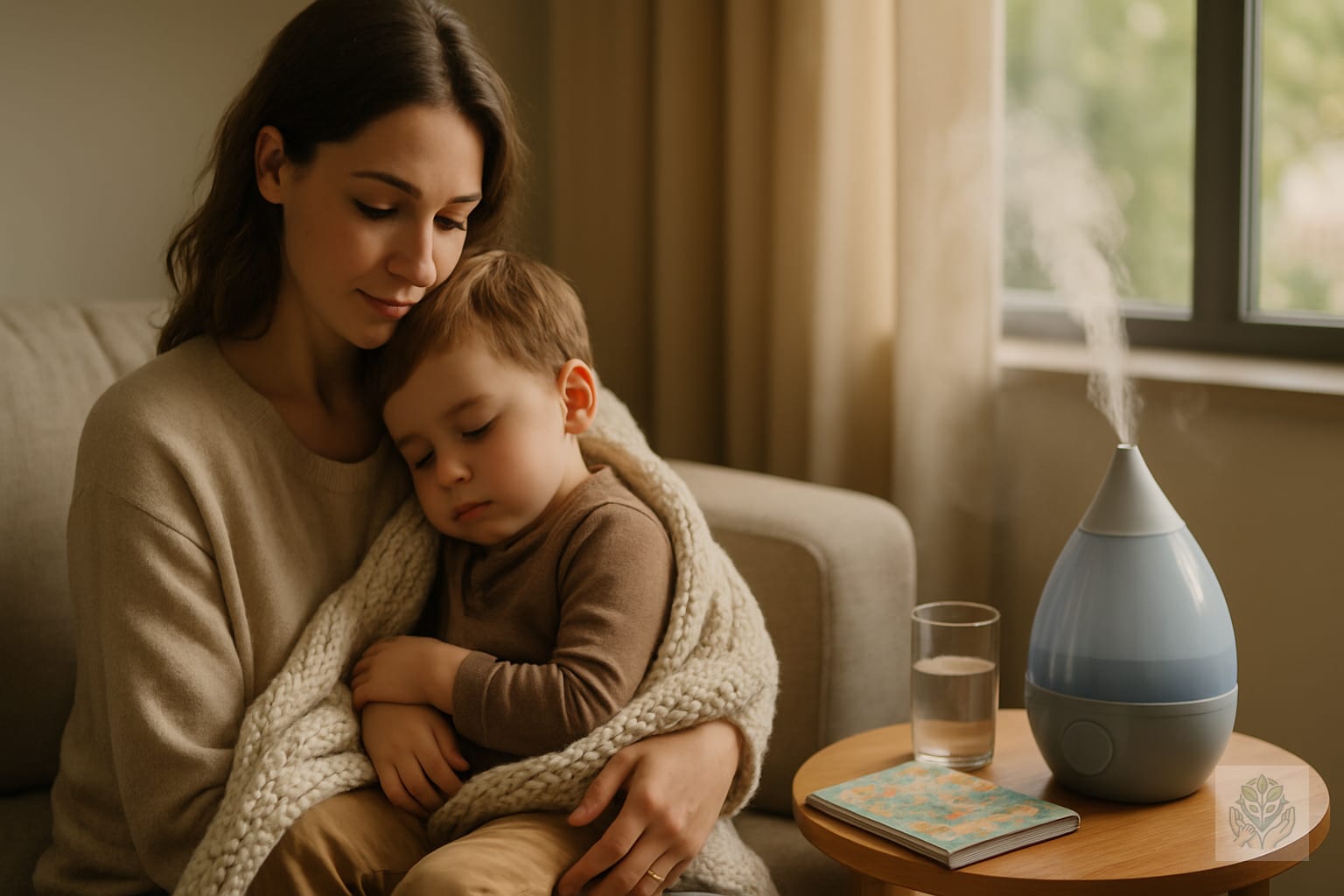
A cool-mist humidifier in your child’s bedroom adds moisture to the air, which can prevent dry, irritated nasal passages. Before nap time, you can also sit with your child in a steamy bathroom for 10 to 15 minutes; the warm moisture can loosen up stubborn congestion. If your toddler is very congested, use saline nasal drops and a bulb syringe or nasal aspirator to clear their nose, especially before they try to eat or sleep.
Navigating Over-the-Counter (OTC) Medications
When searching for relief from cold symptoms in toddlers, many parents reach for the medicine cabinet. However, you must be extremely cautious. Most over-the-counter cough and cold medications are not recommended for children under the age of four. These products have not been proven effective for young children and can even cause dangerous side effects.
If you are treating a fever or significant discomfort, always speak with your pediatrician about the correct dosage of acetaminophen or ibuprofen. Dosing for these medications should be based strictly on your child’s current weight, not their age. If your child is over one year old, a half-teaspoon of honey can occasionally be given to soothe a persistent cough, but never give honey to a child under 12 months due to the risk of botulism. For broader health concerns, check out our guide on how to tell when a child’s symptoms are getting worse.
When to See a Doctor
Most colds resolve on their own within 10 to 14 days. However, you should contact your healthcare provider if you notice any of the following warning signs:
- A fever that lasts more than three days or is exceptionally high.
- Signs of dehydration, such as fewer than four wet diapers in 24 hours, or a dry mouth and tongue.
- Difficulty breathing, including fast breathing, wheezing, or visible pulling at the skin around the ribs while breathing.
- Symptoms that seem to be getting worse rather than better after a week.
- Persistent ear pulling or crying when touched, which may indicate an ear infection. Read more about understanding ear infections in young children for additional context.
Comfort Measures for a Sick Toddler
Beyond medical remedies, emotional support is vital for managing cold symptoms in toddlers. Your child is likely feeling vulnerable, so prioritize extra cuddles, quiet stories, and patience. Keep the environment calm, dim the lights if they are sensitive to glare, and keep the household volume low. Understand that their sleep schedule might be disrupted; be flexible and prioritize rest over strict routine during these few days. If you need help managing these transitions, refer to our guide on flexible daily schedules for young children.
Prevention: Can You Stop the Next Cold?
While you cannot avoid every germ, you can reduce the frequency of illness. Encourage frequent handwashing for everyone in the family, especially after returning home from school or public places. Teach your toddler to cover their coughs with their elbow, and try to limit exposure to playmates who are clearly unwell. Finally, ensure your child gets plenty of rest and eats a balanced diet to keep their immune system functioning optimally. Teaching them to practice good hygiene habits is a great step in long-term prevention.
Conclusion
Watching your toddler deal with cold symptoms in toddlers is a challenging experience, but it is also a normal part of their immune system’s growth. By focusing on hydration, nasal hygiene, and comfort, you can help them navigate these days with ease. Remember to trust your intuition—if something feels wrong, call your doctor. Most importantly, give yourself some grace during these stressful days. What is your go-to trick for helping your toddler sleep through a stuffy nose? Share your tips in the comments below! For more parenting support, read our positive parenting techniques that actually work.
Frequently Asked Questions
What are the most common cold symptoms in toddlers?
Common symptoms include a runny or stuffy nose, sneezing, a mild cough, a low-grade fever, decreased appetite, and temporary fussiness or changes in sleep patterns.
How can I help relieve my toddler’s nasal congestion at home?
You can use a cool-mist humidifier in their room, run a steamy bathroom for 10 minutes, and use saline nasal drops with a bulb syringe to gently clear mucus.
Can I give my toddler over-the-counter cold medications?
Most over-the-counter cough and cold medications are not recommended for children under the age of four. Always consult your pediatrician before administering any medication.
How should fever reducers be dosed for a toddler?
Fever reducers like acetaminophen or ibuprofen should always be dosed strictly based on your toddler’s current weight, not their age, and after consulting a doctor.
When should I take my toddler to the doctor for a cold?
Call your pediatrician if the fever lasts more than three days, symptoms worsen after a week, your child shows signs of dehydration, or they experience trouble breathing.
How long do typical cold symptoms last in toddlers?
Most common cold symptoms in toddlers peak within a few days and resolve completely on their own within 10 to 14 days.


