

“`html
The Ultimate Guide to Finding Comfortable Footwear for Kids: Healthy Feet & Happy Kids
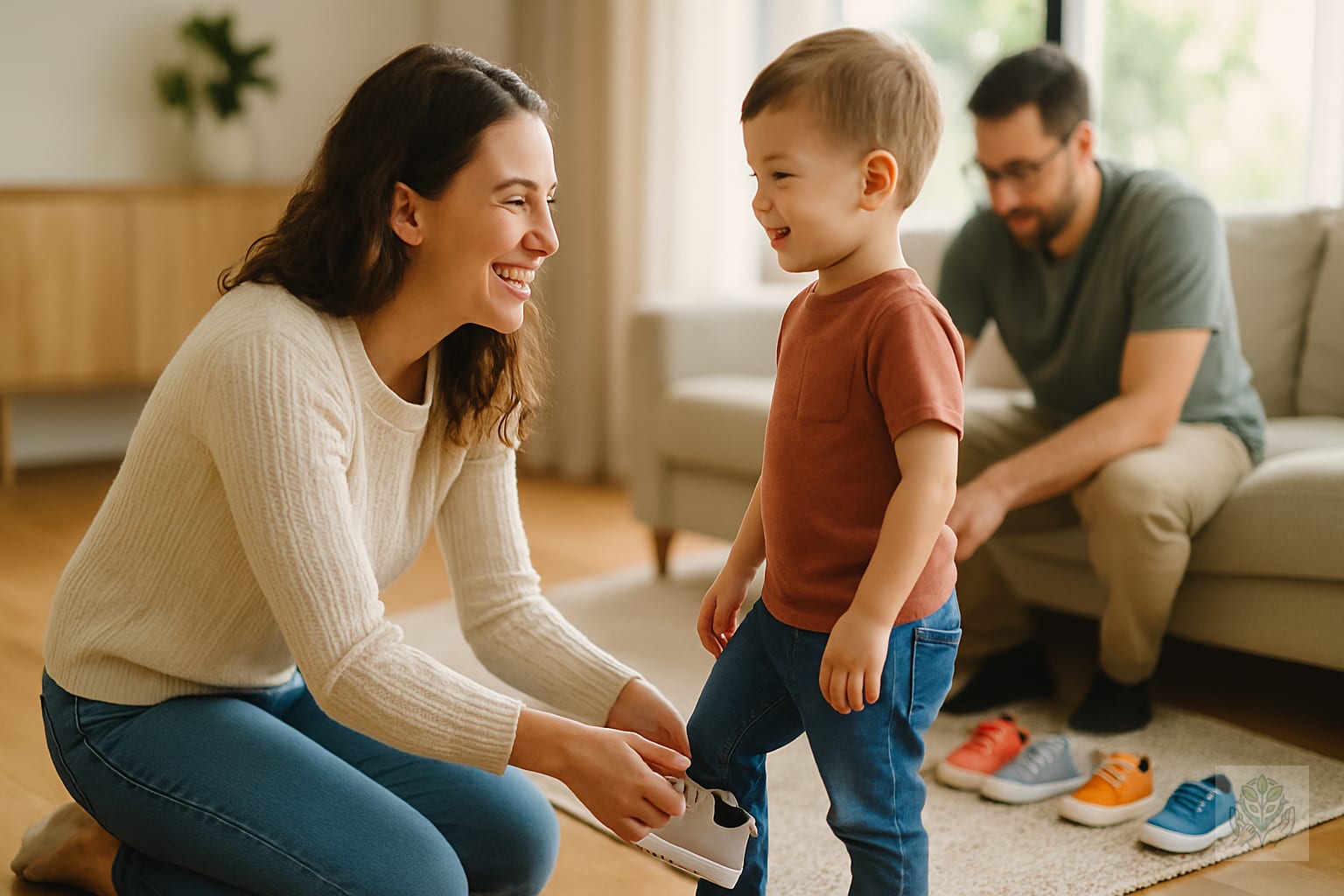
Every parent knows the scene. You are rushing out the door for school, daycare, or a family outing, and your child suddenly refuses to put on their shoes. Tears flow, frustration builds, and you wonder why a simple morning routine has turned into a battleground. Often, the hidden culprit behind the meltdown is not stubbornness. It is discomfort. Finding truly comfortable footwear for kids can transform your daily routine and protect your child’s physical development.
As a parent, navigating the aisles of a children’s shoe department can feel overwhelming. With endless styles, flashing lights, trendy designs, and confusing sizing charts, it is easy to default to what looks cutest or costs the least. However, childhood is a critical window for physical growth. Choosing the right shoes lays the foundation for lifelong mobility and posture.
Why Comfortable Footwear for Kids Matters More Than You Think
Children’s feet are not just miniature versions of adult feet. When a baby is born, their foot bones are mostly soft cartilage. Throughout childhood, these bones gradually ossify and harden into solid bone, a process that continues well into adolescence. Because children’s feet are so malleable, external pressures can easily alter their natural shape and alignment.
When kids wear restrictive, poorly fitting shoes, the consequences extend far beyond a few blisters. Inflexible soles, narrow toe boxes, or inadequate support can alter a child’s natural gait, force abnormal weight distribution, and place undue stress on their ankles, knees, and lower back. Over time, these minor adjustments can lead to chronic discomfort, poor posture, and long-term musculoskeletal issues. If you notice persistent issues, it may be time to talk to a pediatrician about your child’s physical activity.
In this comprehensive guide, we will break down everything you need to know about children’s foot health. From understanding the core anatomy of a good shoe to mastering at-home sizing hacks and avoiding common shopping pitfalls, you will gain the confidence to choose the best comfortable footwear for kids every single time.
Anatomy of a Good Shoe: What Makes Kids’ Footwear Truly Comfortable?
Before you purchase your child’s next pair of shoes, you need to know what to look for beneath the surface. Marketing claims can be misleading, but examining the physical construction of a shoe reveals its true quality. Here are the key structural elements that define healthy, comfortable children’s shoes.
Flexible Soles vs. Stiff Soles
One of the most important tests you can perform in the store is the bend test. Hold the shoe by the toe and the heel, and try to bend it. A good kids’ shoe should flex effortlessly at the ball of the foot, right where the toes naturally bend during walking. If the sole is so rigid that you need both hands to twist it, or if it only bends in the exact middle of the arch, put it back on the shelf. Stiff soles force children to alter their natural walking pattern.
Breathable Materials
Children’s feet have active sweat glands and can easily overheat. Look for uppers crafted from breathable materials such as genuine leather, canvas, or specialized athletic mesh. Avoid non-porous synthetic plastics whenever possible, as they trap moisture, soften the skin, and create a breeding ground for bacteria, blisters, and unpleasant foot odors. This is also an excellent time to teach children good hygiene habits for their feet.
Lightweight Construction
Little leg muscles fatigue easily. Heavy, clunky shoes weigh children down and make running and jumping feel like a chore. Look for lightweight designs that allow your child to move with agility and ease. If a shoe feels heavy in your adult hand, imagine how heavy it feels on a toddler’s foot.
Cushioning and Arch Support
Infants and toddlers naturally have flat feet due to a fat pad in the arch area, which usually disappears around age four or five. Therefore, pre-walkers and young toddlers do not need aggressive arch support. Instead, they need flat, flexible soles that let them feel the ground. Older children benefit from modest cushioning and gentle arch contouring to absorb impact during high-energy play.
The Ultimate Kids’ Shoe Sizing Guide: How to Get the Fit Right
Even the most expensive, podiatrist-approved shoe will cause discomfort if the sizing is wrong. Master the art of the proper fit with these essential guidelines.
Why Hand-Me-Down Shoes Can Be Problematic
While passing down clothes is a sustainable and budget-friendly parenting strategy, hand-me-down shoes require caution. Shoes mold to the unique wear patterns and foot shape of the original owner. If a shoe is heavily worn on one side or the insole is compressed, it can force your child’s foot into an unnatural alignment. If you do accept hand-me-downs, inspect them thoroughly for uneven tread wear and structural breakdown.
The Thumb-Width Rule
Always ensure there is adequate space between your child’s longest toe and the front of the shoe. The universal rule of thumb applies here quite literally: press your thumb down on the front of the shoe while your child is standing. You should have about a thumb’s width of space (roughly half an inch) between their big toe and the shoe tip. This leaves room for foot growth and natural forward slide during movement.
Measuring Feet at Home vs. Professional Fitting
While visiting a dedicated children’s shoe store for a professional Brannock device measurement is ideal, you can easily measure feet at home. Have your child stand barefoot on a piece of paper, trace their foot with a pencil, and measure the distance from the heel to the longest toe in centimeters or inches. Always measure both feet, as one foot is frequently larger than the other, and always fit the shoe to the larger foot.
How Often to Check Shoe Sizes
Children grow in spurts, and their shoe sizes can change faster than you might expect. Follow this general timeline for routine sizing checks:
- Ages 0 to 3 years: Check every 1 to 2 months.
- Ages 3 to 5 years: Check every 2 to 3 months.
- Ages 6 to 10 years: Check every 3 to 4 months.
Best Types of Comfortable Footwear for Different Ages and Stages
Footwear needs evolve dramatically as children grow, develop motor skills, and change their daily activities. Matching the shoe type to your child’s developmental stage is vital.
Pre-Walkers and Toddlers
Before babies walk outdoors, shoes are primarily for warmth and fashion rather than protection. Barefoot is best for developing balance and proprioception during indoor toddler activities. When toddlers start walking outside, look for minimalist, barefoot-style shoes with ultra-thin, highly flexible soft soles that protect against sharp objects while allowing maximum sensory feedback for outdoor activities to boost toddler development.
Active Preschoolers
Preschoolers run, climb, jump, and test their physical boundaries daily. They need durable athletic sneakers with secure closures. Velcro straps and elastic bungee laces encourage independence, allowing children to put on their own shoes, while providing a snug fit that keeps the heel locked firmly in place.
School-Age Children
As kids enter elementary school, structured activities increase. Supportive athletic trainers for sports, durable everyday casual shoes for school yards, and breathable sandals for warm weather become wardrobe staples. Ensure these shoes offer appropriate shock absorption and sturdy traction to prevent slips and falls. For more specific gear needs, you can refer to our sports equipment guide for active kids.
Top Mistakes Parents Make When Buying Children’s Shoes
Even well-meaning parents frequently fall into common shopping traps. Avoiding these missteps will save you money and protect your child’s feet.
Buying Shoes Too Big with Room to Grow
It is tempting to buy shoes two sizes too big so your child can wear them for a full year. However, oversized shoes cause the foot to slide forward, jamming the toes against the front and causing blisters. Furthermore, loose shoes force the toes to claw downward to grip the sole, which causes foot fatigue and trips.
Prioritizing Fashion Over Function
Sparkling lights, cartoon characters, and stiff faux-leather dress shoes often win over children’s hearts. Unfortunately, many fashion-forward kids’ shoes lack proper support, breathability, and flexibility. Reserve decorative dress shoes for brief special occasions and prioritize ergonomic comfort for everyday wear.
Ignoring Foot Width
Feet come in all shapes and sizes. Squeezing a wide foot into a standard shoe causes painful pressure points, bunions, and ingrown toenails. Conversely, narrow feet sliding around in wide shoes lack stability. Look for brands that offer multiple width options, particularly if your child has exceptionally narrow or wide feet.
Top Recommendations for Comfortable Footwear Brands
Navigating the vast market of kids’ footwear is much easier when you know which brands consistently deliver on quality, safety, and comfort. Parents and podiatrists frequently recommend brands that emphasize ergonomic design, flexible outsoles, and premium breathable materials.
When shopping for sneakers, look for athletic brands that incorporate reinforced toe caps to withstand playground scuffs and breathable mesh uppers. For casual everyday wear, seek out brands known for lightweight, foot-shaped toe boxes that let little toes spread out naturally. When purchasing sandals or water shoes, ensure they feature adjustable hook-and-loop straps across both the ankle and forefoot to accommodate different foot volumes securely.
Putting Your Child’s Foot Health First
Investing time and care into finding comfortable footwear for kids pays off in happier outings, fewer complaints of tired legs, and healthier long-term development. By prioritizing flexible soles, breathable materials, and correct sizing over fleeting trends, you give your child the freedom to explore the world with confidence and comfort.
Make it a habit to check your child’s shoes at the change of every season, and never hesitate to measure their feet before clicking buy online. Healthy feet support an active, joyful childhood.
What are your go-to brands for children’s shoes? Do you have any sizing hacks that make shopping easier? Share your thoughts and questions in the comments below!
Recommended Amazon Products
As an Amazon Associate, NurtureBharat earns from qualifying purchases.

KOBURG Unisex Kids Sandals| Lightweight | EVA Upper & Sole | Flexible & Comfort KS-104
₹415.00
₹2,444.00
— Save 83%
In stock
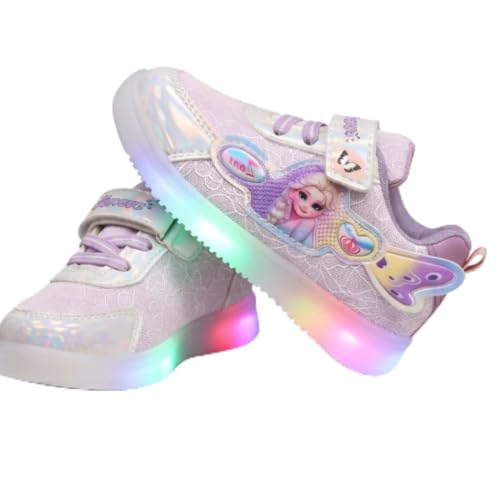
HOOH Girls Character Sneakers, Purple, Hook and Loop Closure, Comfortable Fashion Shoes for Kids (Purple with Lights, UK Footwear Size System, Little Kid, Age Range, Medium, 2.5 Years, 3 Years)
₹473.00
₹999.00
— Save 53%
In stock

GLJ Unisex Kids Comfort Sandal for Boy & Girl, 1100
₹569.00
₹1,999.00
— Save 72%
In stock
“`
Frequently Asked Questions
Why are flexible soles important for kids’ shoes?
Flexible soles allow a child’s foot to move naturally and bend effortlessly at the ball of the foot during walking, preventing abnormal gait and foot fatigue.
How often should I check my toddler’s shoe size?
For children aged 0 to 3 years, you should check their shoe size every 1 to 2 months due to rapid foot growth during these early stages.
Is it okay to buy kids’ shoes two sizes too big for growth?
No, buying oversized shoes causes the foot to slide forward, leading to blisters, toe jamming, and instability while walking or running.
What is the thumb-width rule for fitting kids’ shoes?
You should press your thumb down on the front of the shoe while your child stands to ensure about half an inch of space between their big toe and the shoe tip.
Are hand-me-down shoes safe for children?
Hand-me-downs require caution because shoes mold to the original owner’s foot shape. Always inspect them for uneven tread wear and compressed insoles before use.
What materials are best for children’s shoes?
Breathable materials such as genuine leather, canvas, and athletic mesh are ideal because they prevent moisture buildup, odor, and bacterial growth.


