

The Complete Guide to Baby Diapering for New Parents: Tips, Tricks & Safety
Introduction
Welcome to the wonderful, messy, and rewarding world of parenthood. If you are expecting a little one or recently brought your newborn home, you are likely about to change a lot of diapers. In fact, newborns can go through anywhere from ten to twelve diapers a day. Mastering baby diapering is one of the very first practical skills you will learn as a new mom or dad.
It is completely normal to feel a bit intimidated at first. Fumbling with fasteners, worrying about leaks, and navigating delicate newborn skin can feel overwhelming. Take a deep breath because you will build confidence faster than you think. Soon, you will be changing diapers like a seasoned pro, even in the middle of the night with your eyes half-closed.
During the first few weeks, your baby’s output will change rapidly. You will transition from meconium—the sticky, dark first stool—to regular milk-stool feeds. Tracking these wet and dirty diapers is actually your pediatrician’s favorite way to ensure your baby is feeding well and staying hydrated. Knowing what to expect takes the guesswork out of the process and helps you spot normal patterns versus concerns. For a broader overview of infant care, check out What Every Parent Should Know About Newborn Care: The Ultimate First-Time Parent Guide.
Phase 1: Stocking Your Diapering Station (The Essentials)
Preparation is your best friend when it comes to smooth baby diapering. Having a well-stocked station means you never have to leave your baby unattended to grab a missing wipe or fresh onesie.
Choosing Your Setup: Changing Table vs. Portable Mats
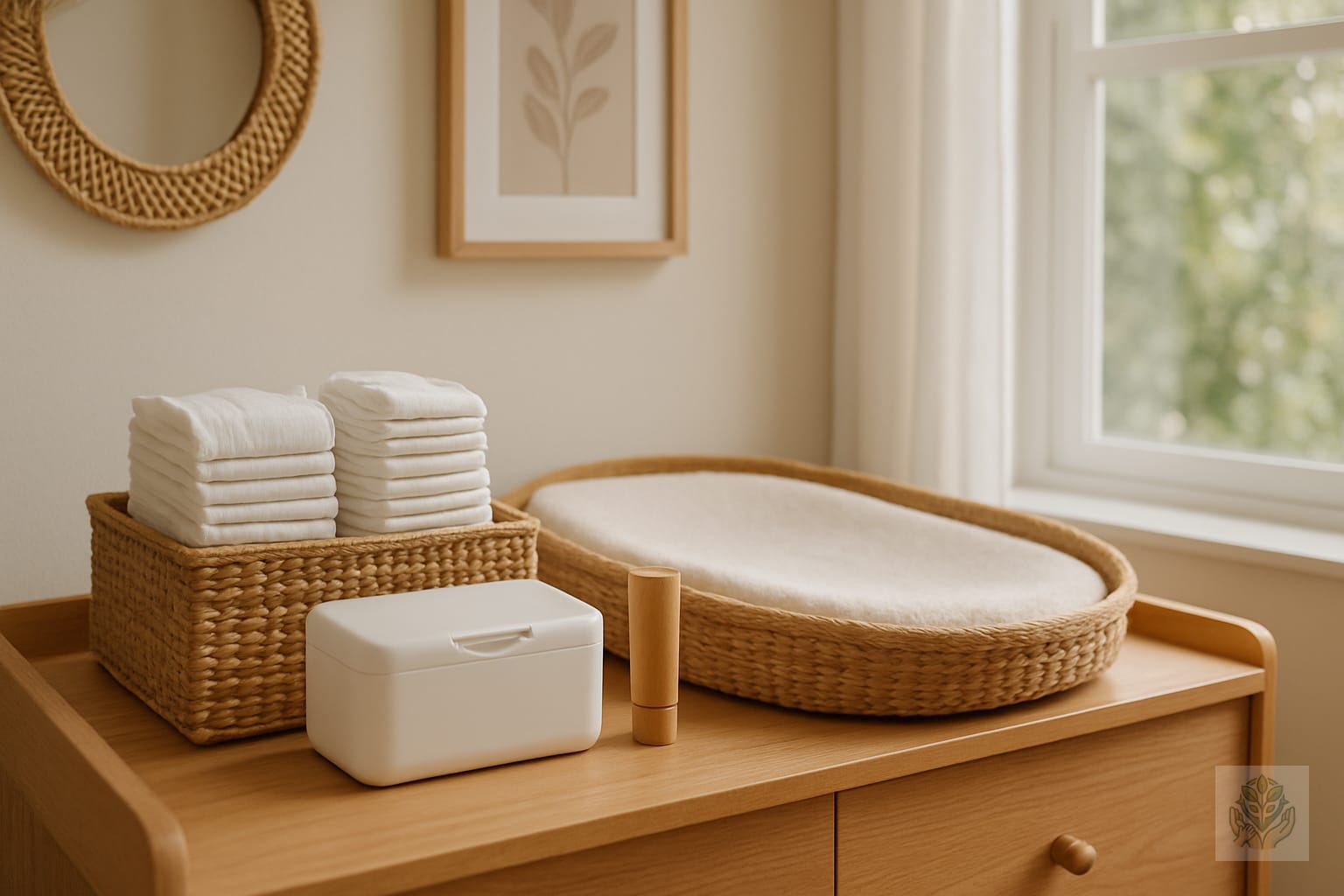
You do not need a fancy nursery setup to change a baby safely. A dedicated changing table with built-in storage offers great back support and keeps all supplies within arm’s reach. However, many parents find that portable changing mats are just as useful. You can roll them up and carry them from the living room floor to your bed, ensuring you always have a clean surface wherever you happen to be.
Diapers: Cloth vs. Disposable (Pros & Cons)
One of the biggest choices you will make is selecting between cloth and disposable diapers. Disposables offer unbeatable convenience and high absorbency, making them a favorite for busy parents and nighttime use. On the other hand, modern cloth diapers are budget-friendly over time and produce far less landfill waste, though they require regular washing routines. You can explore more options in Everything Parents Need to Know About Modern Baby Diapering: The Ultimate Guide.
Wipes, Ointments, and Diaper Rash Creams
Stock up on sensitive-skin, fragrance-free baby wipes or soft cotton washcloths with warm water. Keep a zinc oxide or petroleum-based barrier ointment nearby for quick application. Having a secure caddy for these items keeps your station organized and hazard-free. For guidance on choosing gentle products, read our guide on How to Choose Safe Skin Care Products for Babies: The Ultimate Parent’s Guide.
The Ultimate Diaper Bag Checklist for Outings
When venturing outside the house with your baby, packing the right diaper bag is essential. Always include:
- At least six to eight clean diapers
- A travel pack of wipes
- A portable changing pad
- Two spare baby outfits (plus extra onesies for unexpected blowouts)
- Disposal bags for dirty diapers
- A safe barrier cream
- Hand sanitizer for yourself
You can also reference the The Ultimate Baby Diapering Checklist for Everyday Use: Everything You Need to ensure you never miss an essential item.
Phase 2: Step-by-Step Diaper Changing Guide
Once your station is ready, mastering the physical technique of baby diapering becomes second nature. Follow these systematic steps for a clean and secure change every time.
Step 1: Prep and Safety First (Never Leave Baby Unattended)
Always gather your supplies before placing your baby on the changing surface. Safety rule number one is to keep a hand on your baby at all times if you are using an elevated table. Babies can wiggle and roll off surfaces surprisingly quickly, even as newborns.
Step 2: Remove the Dirty Diaper and Clean Up (Front to Back for Girls)
Unfasten the diaper and use the front flap to wipe away excess mess downward. Lift your baby’s ankles gently by placing your fingers between their feet to slide the dirty diaper out. Clean the skin thoroughly, remembering to always wipe from front to back for baby girls to prevent urinary tract infections.
Step 3: Apply Barrier Cream to Prevent Rash
Allow your baby’s skin to air dry for a few seconds. If you notice any redness or want to protect sensitive skin from moisture, apply a thin layer of barrier cream. A little goes a long way in keeping skin healthy and soft. Proper hygiene in this area is further detailed in How Parents Can Encourage Independent Hygiene Habits: A Step-by-Step Guide.
Step 4: Put on the New Diaper (Snug, Not Too Tight)
Slide the fresh diaper underneath your baby. The tabs should fasten symmetrically across the front band. Ensure the fit is snug enough to prevent leaks, but loose enough that you can comfortably fit two fingers between the waistband and your baby’s tummy.
Handling Newborn Umbilical Cord Care During Diaper Changes
Until your baby’s umbilical cord stump falls off naturally, keep the diaper folded down below the belly button. This allows the area to stay dry, clean, and exposed to air, which speeds up the healing process.
Phase 3: Troubleshooting Common Diapering Challenges
Even with great preparation, you will encounter unexpected messes along your parenting journey. Knowing how to handle these hurdles keeps stress levels low.
How to Prevent and Treat Diaper Rash
Diaper rash is extremely common and usually caused by moisture trapped against the skin. Prevent it by changing diapers frequently, cleaning gently, and letting your baby spend a few minutes each day kicking with no diaper on. If a rash develops, apply a thick layer of zinc oxide cream at every change. For more tips on keeping sensitive skin healthy, consult Everything Parents Should Know About Baby Skin Care: The Ultimate Guide.
Dealing with Blowouts Like a Pro
Every parent dreads the dreaded upward blowout. Did you know that the shoulder ruffles on baby onesies are actually designed so you can pull the bodysuit down over the baby’s shoulders and body instead of pulling it over their head? This clever design trick prevents you from smearing mess through your baby’s hair.
Understanding Diaper Sizes and When to Move Up
Diaper sizes are determined primarily by weight, but every baby’s body shape is unique. If you notice frequent leaks, red marks around the thighs, or difficulty fastening the tabs comfortably, it is likely time to size up.
Signs Your Baby Needs a Different Diaper Brand
If your current diaper brand causes persistent skin irritation or recurring leaks despite correct sizing, do not hesitate to experiment with other brands. Every baby’s anatomy is different, and finding the right fit often takes a little trial and error.
Conclusion
Mastering baby diapering is a journey of patience, practice, and a good sense of humor. In the beginning, simple changes might feel clumsy, but within a couple of weeks, you will be changing diapers with your eyes closed. Give yourself grace as you learn your baby’s cues and preferences.
Remember that every messy diaper and midnight change is just a temporary phase in your incredible parenting journey. You are doing an amazing job keeping your little one clean, comfortable, and loved. Trust your instincts, lean on your support system, and enjoy these fleeting moments with your growing baby.
Frequently Asked Questions
How often do newborns need their diapers changed?
Newborns typically need their diapers changed every 2 to 3 hours, or immediately after they poop, which can add up to 10 to 12 times a day.
How do I prevent diaper rash?
Prevent diaper rash by changing wet or soiled diapers frequently, cleaning the area gently, letting the skin air dry, and applying a zinc oxide barrier cream.
Should I wipe front to back for both boys and girls?
Always wipe from front to back specifically for baby girls to prevent harmful bacteria from spreading and causing urinary tract infections.
When should my baby move up a diaper size?
Consider moving up a size if you experience frequent leaks, see red marks around your baby’s thighs, or if the diaper tabs barely reach across the front.
How do I deal with an upward blowout?
Pull the onesie down over your baby’s shoulders and body instead of pulling it up over their head to avoid spreading the mess.
How should I care for the umbilical cord during diaper changes?
Keep the diaper folded down below the belly button until the umbilical cord stump falls off naturally to keep the area dry and clean.


