

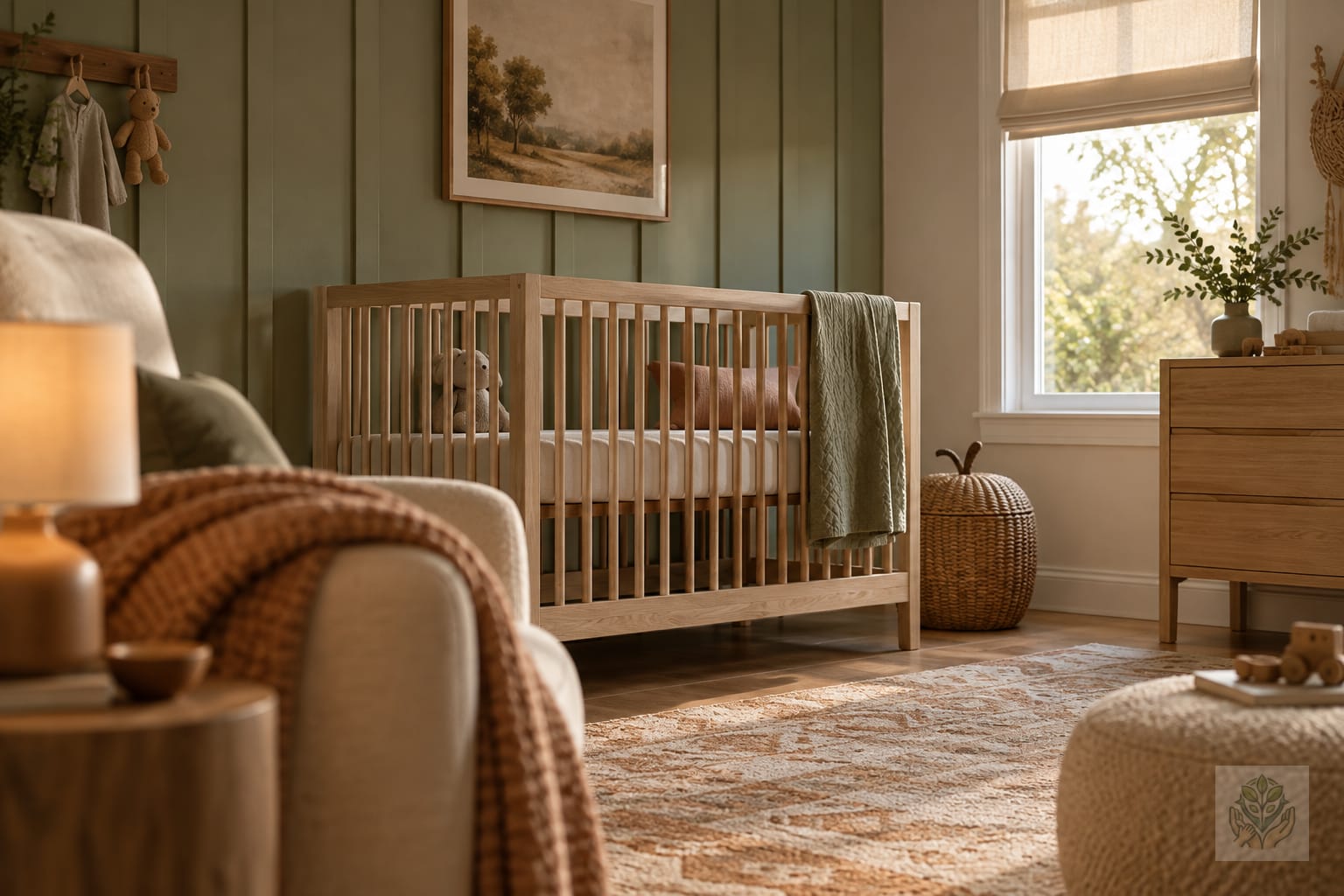
How to Create a Safe and Comfortable Nursery for Your Baby: A Complete Guide
Welcoming a new baby into your home is a transformative experience, and preparing their nursery is one of the most exciting parts of the journey. Beyond the aesthetic appeal of a nursery, the primary goal is to create a sanctuary that fosters both security and serenity. Learning how to create a safe and comfortable nursery for your baby requires a thoughtful balance between evidence-based safety practices and the cozy, nurturing environment your child needs to thrive.
The importance of a sanctuary: Balancing safety and comfort
A nursery should be more than just a place to store baby gear; it should be a quiet refuge where bonding happens during those long middle-of-the-night feeds and soothing lullabies. When we prioritize safety, we remove the anxiety that often keeps new parents awake. By focusing on comfort, we create an environment that helps regulate a baby’s nervous system, encouraging better sleep and calmer play. For more inspiration on designing a soothing space, check out our guide on 10 Best Nursery Color Combinations for a Peaceful and Calming Room.
Setting expectations: A checklist approach to nursery design
To avoid feeling overwhelmed, approach your nursery project in stages. Start by listing your absolute needs—a safe place to sleep, a changing area, and a spot for feeding—before moving on to decor. By tackling the room systematically, you ensure that no critical safety step is skipped in favor of stylistic choices.
Prioritizing Baby Safety: The Foundation
The core of any nursery design must be built upon the current guidelines provided by pediatric experts. When you understand the risks, you can make informed decisions about every item that enters the room.
Adhering to Safe Sleep Guidelines (AAP recommendations)
The American Academy of Pediatrics (AAP) provides clear directives to reduce the risk of SIDS. Always place your baby on their back to sleep on a firm, flat surface. The crib should be completely bare, meaning no pillows, heavy blankets, crib bumpers, or stuffed animals. A firm mattress with a tight-fitting sheet is the only bedding necessary for a newborn.
Choosing the right crib: Safety certifications and structural integrity
Always purchase a crib that meets current CPSC (Consumer Product Safety Commission) standards. Avoid drop-side cribs, which have been banned due to structural risks, and ensure the slats are no more than 2 3/8 inches apart to prevent your baby from getting stuck. Second-hand cribs can be risky; if you choose one, ensure it has all original hardware and has not been recalled. You can learn more about making the right choice in our guide on How to Choose a Safe Crib for Your Baby: The Ultimate Parent’s Safety Checklist.
Managing nursery hazards: Secure furniture and window cord safety
Babies grow fast, and their curiosity knows no bounds. Anchor all heavy furniture, such as dressers and bookshelves, to the wall to prevent tip-overs. Additionally, be vigilant about window coverings. Use cordless blinds whenever possible, or tie up existing cords well out of reach to eliminate potential strangulation hazards. To further childproof your space, review our How to Choose Safe Baby Furniture for Your Home: A Parent’s Complete Safety Guide.
Avoiding common nursery dangers: Clutter, bedding, and small parts
Keep the floor clear of excess clutter that could cause trips while carrying your baby. When decorating, keep wall art and shelves far enough away from the crib so that a standing baby cannot reach them. Regularly inspect toys for small parts that could pose a choking risk.
Crafting a Comfortable Environment for Your Baby
Comfort plays a massive role in how well your baby sleeps and how they perceive their environment. A room that is too hot or overly bright can disrupt even the best sleeper.
Temperature control and ventilation tips
Babies regulate their body temperature differently than adults. Aim to keep the nursery between 68 and 72 degrees Fahrenheit. Use a thermometer to monitor the room and ensure there is decent airflow without drafts. A small fan can help circulate air and serves the dual purpose of providing consistent white noise.
Lighting for comfort: Using blackout curtains and soft nightlights
Melatonin production is vital for sleep, and darkness is its best friend. Install high-quality blackout curtains to ensure daytime naps are dark and nighttime sleep is uninterrupted by streetlights. For your own needs, a dim, warm-toned nightlight is essential for navigating the room during late-night diaper changes without fully waking your baby.
Reducing noise: The benefits of white noise machines
The world is a noisy place, and a sudden slam of a door or the neighbor’s dog barking can easily startle a sleeping infant. A dedicated white noise machine creates a consistent sound barrier, mimicking the soothing environment of the womb and helping your baby drift back to sleep more easily.
The role of nursery textiles: Choosing soft, breathable fabrics
When selecting crib sheets, blankets for swaddling, and burp cloths, opt for organic cotton, bamboo, or linen. These materials are breathable and gentle on sensitive newborn skin. Avoid synthetic fabrics that may trap heat and lead to discomfort. For tips on maintaining these items, see our advice on Best Ways to Keep Baby Bedding Clean and Fresh: A Complete Guide.
Health and Wellness: Non-Toxic Nursery Essentials
Creating a safe and comfortable nursery for your baby also means being conscious of the chemicals present in the environment. Choosing high-quality materials ensures a cleaner, healthier space.
Selecting low-VOC paints and eco-friendly finishes
Paint fumes can linger for weeks. Always choose low-VOC or zero-VOC (Volatile Organic Compounds) paints to minimize off-gassing. If you are refinishing old furniture, ensure the paint or stain is non-toxic and lead-free.
Prioritizing organic mattresses and bedding materials
Since your baby spends the majority of their time in their crib, selecting a non-toxic mattress is a wise investment. Look for mattresses made with natural materials like organic cotton, wool, or natural latex that are certified by organizations like GOTS (Global Organic Textile Standard) or GREENGUARD Gold.
Simple ways to improve nursery air quality
Keep the air clean by vacuuming frequently with a HEPA-filter vacuum and dusting surfaces regularly. Avoid using synthetic air fresheners, candles, or diffusers with essential oils in the nursery, as these can irritate a newborn’s developing respiratory system.
Parent-Focused Comfort: Creating a Functional Space for You
Remember that you will be spending a significant amount of time in this room as well. A functional, comfortable space for you directly translates to a calmer experience for your baby.
The importance of a comfortable nursing/gliding chair
You need a place where you can sit comfortably for long periods while feeding or rocking your baby. A high-back glider or rocker with armrests provides excellent support. Test chairs for quiet movement so you don’t accidentally wake your baby when moving to put them back in the crib.
Strategic lighting for late-night feeds
Layer your lighting. While the blackout curtains handle nap time, a small, touch-activated lamp near your glider or a floor lamp with a dimmer switch allows you to see what you are doing during 3:00 AM feedings without flooding the room with bright light.
Organization hacks for diaper changes and essential storage
Keep your diaper changing station fully stocked with everything you need within arm’s reach. Use baskets or drawer dividers to organize wipes, creams, and extra onesies. A well-organized room prevents you from having to leave your baby unattended on the changing table to search for supplies. If you are working with limited square footage, you can find great inspiration in our article on How to Organize Baby Books in a Small Nursery: Creative Storage Solutions for Tight Spaces.
Nursery Maintenance and Long-term Safety
The job isn’t finished once the crib is set up. As your baby moves through developmental milestones, the room will need to evolve.
Periodic safety checkups as your baby grows
Every few months, perform a safety audit. Check that crib bolts remain tight and that furniture anchors are secure. Once your baby starts pulling up, move the mattress to its lowest position. When they start reaching for things, clear the area around the crib entirely.
Cleaning tips for a healthy, dust-free space
Establish a regular cleaning routine that includes washing crib sheets weekly and wiping down hard surfaces with non-toxic cleaners. This helps manage allergens like dust mites, keeping the air fresh for your little one.
Conclusion
Creating a space that is both safe and comfortable is a labor of love that lays the groundwork for your baby’s early growth. By focusing on essential safety standards, non-toxic materials, and thoughtful organization, you are setting the stage for many peaceful nights and precious memories. Take your time, enjoy the process, and remember that the most important element in the nursery is your presence.
Ready to get started? Download our nursery safety checklist to ensure you have covered every detail in your quest for the perfect, cozy, and secure baby room.
Frequently Asked Questions
What are the safe sleep guidelines for a newborn’s nursery?
Always place your baby on their back to sleep on a firm, flat surface in a crib with a tight-fitting sheet. Avoid pillows, heavy blankets, crib bumpers, and stuffed animals.
What is the ideal room temperature for a baby nursery?
The ideal temperature for a baby’s nursery is between 68 and 72 degrees Fahrenheit. Use a room thermometer and a low-speed fan to maintain comfortable airflow.
Why should I use low-VOC paint in the nursery?
Low-VOC or zero-VOC paints minimize harmful chemical fumes and off-gassing, providing a cleaner and healthier indoor air quality for your newborn’s developing respiratory system.
How can I prevent heavy furniture from tipping over in the nursery?
You should anchor all heavy furniture, such as dressers, bookcases, and changing tables, securely to the wall using heavy-duty anti-tip brackets or straps.
Are white noise machines safe for babies?
Yes, white noise machines help block out sudden household noises and soothe babies to sleep. Keep the volume at a safe level and place the machine away from the crib.
When should I lower the crib mattress?
You should lower the crib mattress to its lowest position as soon as your baby begins pushing up on their hands and knees or trying to pull up.


