

Beyond the Lines: 10 Creative Coloring Ideas Without Traditional Books
For many parents, the humble coloring book is a staple of childhood. You likely have a drawer overflowing with half-finished pages featuring cartoon characters and geometric patterns. While these books provide a quiet moment of focus, they often place invisible boundaries on a child’s imagination. By shifting our perspective, we can discover that creative coloring ideas without traditional books offer a much richer developmental experience for growing minds.
When we move away from pre-printed pages, we invite children to transition from mere fillers to true artists. This approach, often referred to as process art, focuses on the act of creating rather than the final result. In this guide, we will explore how to unlock your child’s potential by rethinking the tools, surfaces, and techniques they use to explore color. Many of these methods serve as fun DIY crafts that improve fine motor skills.
Why Step Away from Traditional Coloring Books?
Traditional coloring books have their place, but they often inadvertently teach children that there is a right and wrong way to create art. When a child is presented with a pre-drawn outline, the implicit instruction is to stay within the lines and use specific colors to match the image’s intent. This can limit original thought and stifle self-expression.
Focusing on open-ended art allows children to develop essential fine motor skills in more dynamic ways. For instance, holding a heavy rock or a textured leaf requires different grip adjustments than holding a slender crayon. Furthermore, removing the pressure to stay inside the lines helps mitigate the perfectionism that many children feel when they think their art must look a certain way. By experimenting with creative coloring ideas without traditional books, you provide a safe space where mistakes are simply part of the creative journey. If you need more ways to boost their development, explore our engaging indoor activities that improve fine motor skills.
Creative Coloring Surfaces: Rethinking the Canvas
The canvas doesn’t always have to be a piece of paper. Changing the surface can immediately make an activity feel new and exciting.
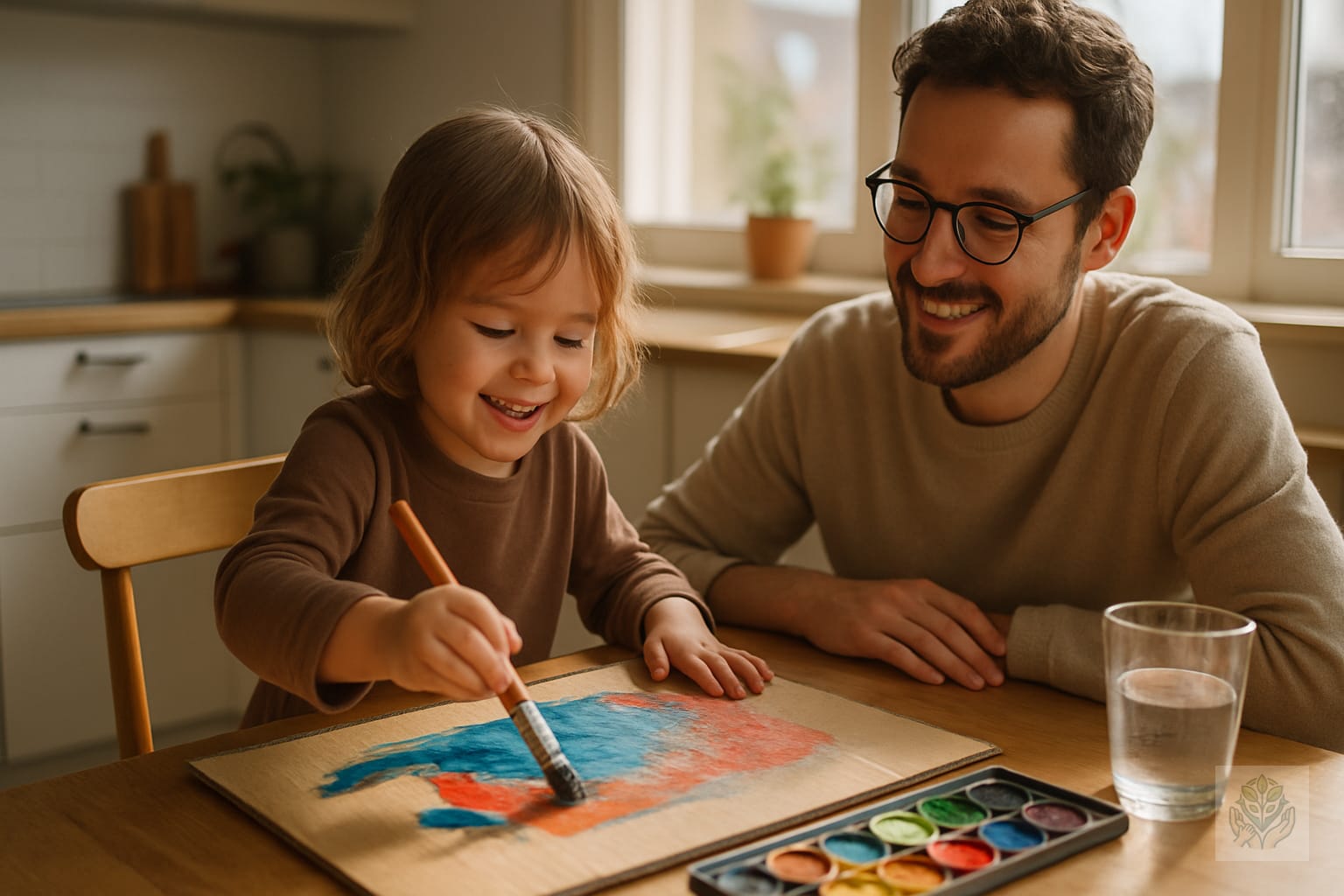
- Cardboard boxes and recycled packaging: Before you toss those delivery boxes, let your child decorate them. Cardboard offers a sturdy, textured surface that absorbs markers and paints differently than paper, teaching children about surface absorption.
- Natural surfaces: Take the art outside. Coloring on smooth river rocks, wooden tree slices, or even large leaves provides a connection to nature. These surfaces are irregular, forcing the child to adapt their movements to the shape of the canvas.
- Fabric art: Use plain white pillowcases or canvas tote bags. Fabric markers create lasting art that children can wear or use in their bedrooms, giving them a sense of ownership over their creations.
- Wall-sized murals: Tape a long roll of butcher paper to a wall or floor. A massive, vertical canvas changes the physical relationship between the child and the work, allowing for large, sweeping arm movements that are excellent for shoulder development.
Innovative Coloring Tools and Techniques
Coloring is not limited to crayons and markers. Introducing unconventional tools can transform a simple afternoon into a scientific exploration of texture and pigment.
Try using items found in your kitchen, such as Q-tips, sponges, or even plastic forks, to apply color. A sponge can create soft, blended edges, while a Q-tip allows for precise, pointillist dots. You can also introduce wax resist art by drawing with a white crayon on paper and then painting over it with watercolors. The water-based paint will slide off the wax, revealing the hidden design like a magic trick.
Salt painting is another wonderful technique. Have your child draw a design with white glue, sprinkle salt over it, and then touch a brush loaded with liquid watercolor to the salt. The color will travel along the lines, creating a mesmerizing, fuzzy effect that feels professional and rewarding. For additional inspiration, check out our 7 creative texture coloring activities for toddlers.
Coloring as a Sensory Experience
Coloring should be a full-sensory event. By adding texture and scent to the process, you engage more of the child’s brain, which aids in cognitive development and emotional regulation.
For a scented experience, mix a drop of essential oil or extract into your homemade paints. This creates a scratch-and-sniff quality that makes the artwork memorable. You can also experiment with ice cube painting by freezing water mixed with food coloring. As the ice melts, the pigments blend on the paper, teaching children about the way colors mix and change states of matter.
For tactile experiences, consider mixing sand or dried coffee grounds into your paint. This adds a gritty texture that feels satisfying to touch. These sensory inputs turn the act of coloring into a grounding experience, which is particularly helpful for children who need a calm-down activity after a busy day.
Building ‘Coloring Kits’ for Creative Play
To encourage independent art, keep a dedicated art caddy within reach. Avoid filling it with just coloring books; instead, include a variety of mediums like chalk, oil pastels, charcoal, and thick markers. Ensure that all your supplies are non-toxic and washable, which removes your own anxiety about the potential mess and allows you to be more relaxed during play.
Curating a process art invitation is a great way to set the stage for discovery. An invitation is simply a tray or table set up with specific supplies and a blank surface, left out for the child to find on their own. By presenting the materials in an inviting, organized way, you respect the child’s autonomy and allow them to dive into the work whenever inspiration strikes. You can organize these supplies in a dedicated space by building a simple preschool learning corner.
Conclusion
Embracing a lifestyle of creative art means letting go of the need for a pristine end product. The mess that comes with painting, rubbing, and gluing is simply evidence of learning. These creative coloring ideas without traditional books are designed to build confidence, resilience, and creative thinking in children of all ages. To keep the creativity flowing all week, consider creating a daily activity routine for preschoolers.
We encourage you to put down the pre-printed coloring books for a week and see what happens when you hand your child a rock, a sponge, or a piece of cardboard instead. You might be surprised at the level of focus and joy they exhibit when they are free to color their own world. If you try these ideas, we would love to hear which ones were a hit in your home. Share your favorite creative coloring hacks in the comments below!
Frequently Asked Questions
What are creative coloring ideas without traditional books?
Creative coloring without traditional books involves open-ended process art where children use non-traditional surfaces like cardboard, rocks, and fabric, along with unconventional tools like sponges and Q-tips, instead of pre-printed coloring pages.
Why is process art better than traditional coloring books?
Process art focuses on the act of creating rather than the final result. It reduces perfectionism, encourages original thought, builds fine motor skills through diverse grip adjustments, and allows children to explore color without strict boundaries.
What alternative surfaces can kids use for coloring?
Children can use recycled cardboard boxes, smooth river rocks, wooden tree slices, large leaves, plain white pillowcases, canvas tote bags, or massive rolls of butcher paper taped to walls and floors.
What are some fun, unconventional coloring tools?
You can use kitchen items like Q-tips, sponges, or plastic forks, as well as ice cubes made from colored water, homemade scented paints, and white crayons for wax-resist watercolor painting.
How does sensory coloring help child development?
Adding textures, scents, or temperature changes to coloring engages more of the child’s brain, which aids in cognitive development, emotional regulation, and provides a calming sensory experience.
How can I set up an independent art station for my child?
Keep a dedicated art caddy filled with a variety of non-toxic mediums like chalk, oil pastels, and thick markers, alongside blank surfaces, and set up inviting process art trays for your child to discover.


