

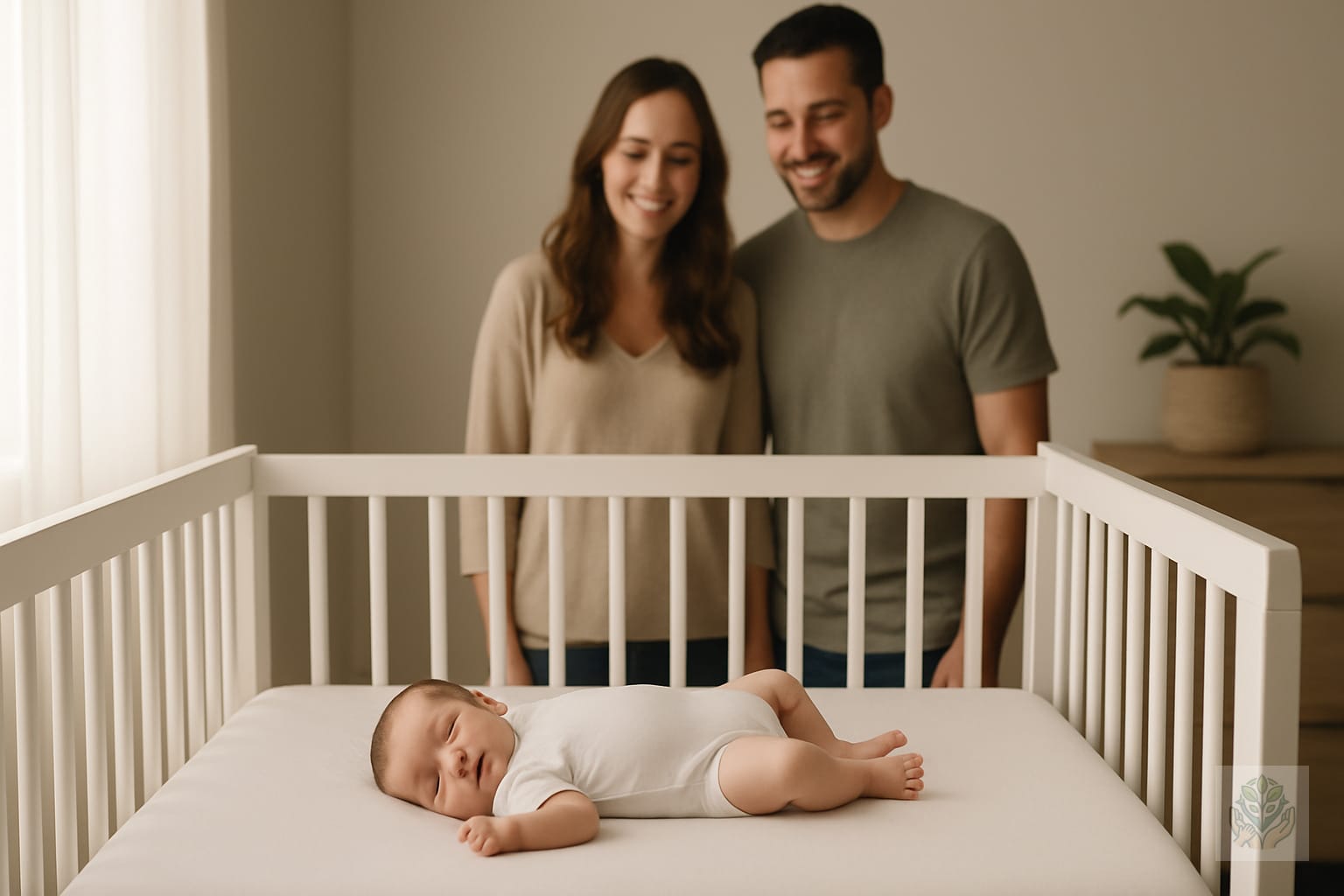
Crib Safety Essentials Every Parent Should Know: A Complete Guide
Welcoming a new baby into your home is a whirlwind of emotions, joy, and a fair amount of learning. Among the most important tasks on your to-do list is creating a safe sleep environment. While it might seem overwhelming at first, mastering these crib safety essentials will give you peace of mind so you can focus on those precious moments with your little one. You can also explore our complete guide to baby safety for a comprehensive look at securing your entire home.
Understanding the risks is not about creating fear; it is about empowerment. By learning how to reduce the risk of Sudden Infant Death Syndrome (SIDS) and accidental sleep-related injuries, you are providing the best foundation for your baby’s growth. This guide serves as your ultimate resource for everything you need to know about setting up a secure, healthy, and cozy crib.
The ABCs of Safe Sleep Explained
Pediatricians and sleep experts consistently emphasize a simple acronym to remember the foundations of a safe sleep space: the ABCs. Following these three principles is the single most effective way to protect your infant during naptime and bedtime. For further reading, check out our tips on how to create a safer sleep environment for babies.
A: Alone – Why the crib should be free of clutter
It can be tempting to decorate a crib with beautiful blankets, plush stuffed animals, or decorative pillows. However, the safest sleep surface is one that is completely empty. Alone means no toys, no loose bedding, and no items that could cover your baby’s face. Your baby does not need anything but a flat, firm mattress and a tightly fitted sheet to sleep soundly. For advice on selecting the right bedding, see our baby fitted sheets buying guide.
B: Back – The importance of back-sleeping
Placing your baby on their back for every single sleep session is non-negotiable. Whether it is a quick nap in the afternoon or a full night of sleep, back-sleeping significantly reduces the risk of suffocation. Once your baby can roll over on their own, you do not need to flip them back, but you should always start them on their back until they demonstrate that physical milestone.
C: Crib – Meeting safety standards
The crib itself must meet rigorous safety standards. This includes choosing a product that is certified for safety, ensuring the slats are appropriately spaced, and making sure the hardware is secure. A safe crib serves as a sanctuary, not a storage space for extra gear.
Choosing the Right Crib and Mattress
When shopping for nursery furniture, your priority should be compliance and safety rather than just aesthetics. Always look for the Juvenile Products Manufacturers Association (JPMA) certification seal and ensure the product meets current Consumer Product Safety Commission (CPSC) guidelines. If you are starting to furnish the room, check out our recommendations for essential furniture for a functional nursery.
The dangers of vintage or second-hand cribs
We love sustainable shopping, but cribs are one item where you should be cautious. Older cribs, particularly those with drop-sides, have been banned in many regions due to their history of causing entrapment and injury. If you must use a second-hand crib, ensure it was manufactured after 2011, has no missing hardware, and has not been recalled.
Firmness matters: Why the mattress must be tight-fitting
A soft, plush mattress might sound comfortable, but babies need a firm surface to support their development and prevent suffocation. Furthermore, ensure there is no gap between the mattress and the crib frame. If you can fit more than two fingers between the mattress and the side of the crib, the mattress is too small and presents an entrapment hazard.
What to Keep OUT of the Crib (The ‘No-Go’ List)
Many parenting products are marketed as essential for crib comfort, but in reality, they often create dangerous environments. Keeping these items out of the sleep space is critical.
- Crib Bumpers: These have been linked to suffocation and entrapment. The safest crib is one with bare sides.
- Loose Bedding: Heavy blankets, quilts, and comforters pose a significant risk of overheating and suffocation.
- Stuffed Animals: While cute, plush toys should be reserved for supervised playtime outside of the crib.
Safe alternatives to heavy blankets
If you are worried about your baby getting cold, use a wearable blanket or a sleep sack. These allow your baby to move their hips freely while keeping them warm without the risks associated with loose, heavy blankets. Swaddles are also excellent for newborns, provided you stop using them as soon as your baby shows signs of trying to roll over.
Safe Crib Placement in Your Nursery
Where you place the crib in the room is just as important as what is inside it. Keep the crib away from windows where cords from blinds or curtains could pose a strangulation hazard. Additionally, keep the crib away from wall heaters, air conditioning vents, and electrical cords to prevent overheating or electrical accidents. For more decor tips that prioritize safety, explore our nursery decor ideas for a peaceful sleep space.
Is room sharing recommended?
The American Academy of Pediatrics recommends that babies sleep in the same room as their parents, but on a separate sleep surface, such as a bedside bassinet or a crib, for at least the first six months. This makes feeding and monitoring easier while keeping the baby in a protected, designated sleep zone.
Maintaining a Safe Sleep Environment as Baby Grows
Safety is not a one-time event; it is an ongoing process that changes as your child develops. As your baby becomes more active, you must adapt your safety protocols. For a broader perspective on your child’s developmental journey, take a look at our roadmap to healthy newborn care.
- Lowering the mattress: As soon as your baby can sit up, lower the mattress to the lowest level to prevent them from climbing out.
- Transitioning: If your child begins to attempt climbing over the crib rail, it is usually time to transition to a toddler bed or floor bed.
- Regular inspections: Every month, check your crib for loose screws, wobbly legs, or broken slats. Tighten any hardware as needed.
Conclusion
Prioritizing crib safety essentials is the greatest gift you can give your baby. By following the ABCs of safe sleep, carefully selecting your nursery furniture, and keeping the crib free of unnecessary items, you are creating a nurturing environment where your little one can thrive. Remember, if you are ever in doubt, consult your pediatrician for guidance tailored to your baby’s specific needs.
You have got this, parents. Take it one step at a time, stay diligent, and enjoy those quiet, peaceful nights of rest with your growing family.
Frequently Asked Questions
What do the ABCs of safe sleep stand for?
The ABCs stand for Alone, Back, and Crib. Babies should sleep alone in a crib on their back for every nap and bedtime.
Are crib bumpers safe for babies?
No, crib bumpers are unsafe because they pose risks of suffocation, entrapment, and strangulation. The safest crib has bare sides.
How firm should a baby mattress be?
A baby mattress must be very firm and fit tightly inside the crib frame with no gaps larger than two fingers to prevent entrapment.
Is it safe to use a second-hand crib?
Second-hand cribs can be used only if they were manufactured after 2011, have no missing hardware, are not recalled, and do not have drop-sides.
When should I lower the crib mattress?
You should lower the crib mattress to its lowest position as soon as your baby learns to sit up to prevent them from falling out.
What should my baby wear instead of a heavy blanket?
Wearable blankets, sleep sacks, or swaddles for newborns are safe alternatives that keep your baby warm without suffocation risks.


