

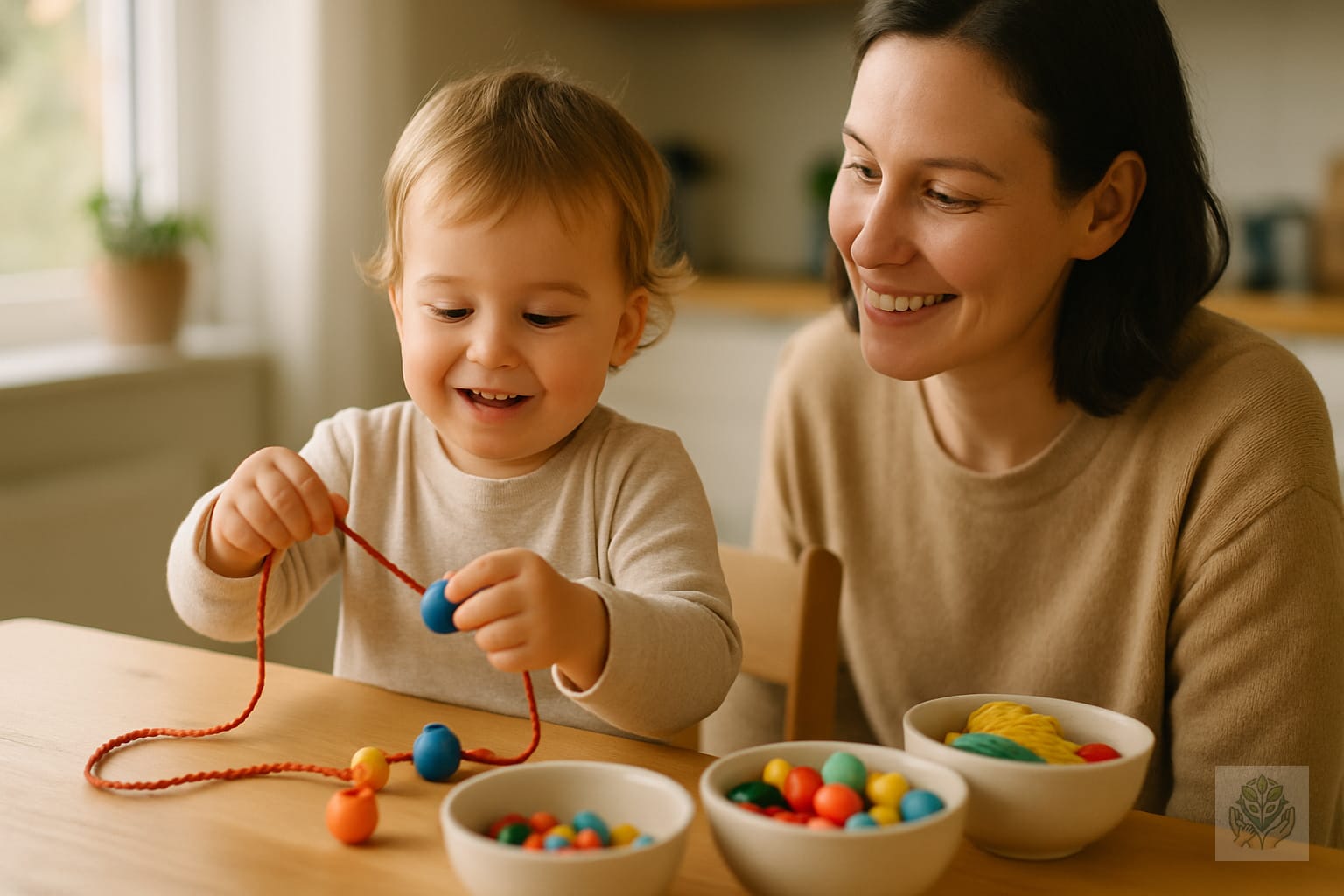
10 Fun DIY Crafts That Improve Fine Motor Skills in Toddlers and Preschoolers
As parents, we are always looking for ways to foster our children’s growth through play. One of the most critical areas of development in early childhood is fine motor skills. When your little one picks up a crayon, zips their coat, or learns to use a fork, they are relying on the small muscle groups in their hands and fingers. Engaging in 10 fun DIY crafts that improve fine motor skills in toddlers and preschoolers is an excellent way to turn everyday playtime into a powerful learning experience.
Crafting bridges the gap between simple play and intentional developmental work. By providing your child with tools and textures that challenge their dexterity, you are helping them build the coordination needed for future academic success, such as handwriting. In this guide, we will explore simple, budget-friendly crafts that will keep your child entertained while supporting their physical development. For more inspiration, check out our guide on engaging indoor activities that improve fine motor skills for kids.
Understanding Fine Motor Skills: Why Your Child Needs Them
Fine motor development refers to the coordination of small muscle movements—usually involving the fingers and hands—in synchronization with the eyes. This process is complex and develops gradually during the first few years of life. By focusing on activities that enhance these skills, you are setting the foundation for essential daily tasks.
Between the ages of one and five, children move through several milestones. They progress from a primitive palmar grasp—where they use their whole hand to hold an object—to a refined pincer grasp, where they use the tips of their thumb and index finger. Mastering these movements is crucial for independence, as it directly impacts their ability to button shirts, tie shoes, and eventually hold a pencil with control and confidence.
Preparation: Tips for Setting Up a Successful Craft Station
Before you dive into these projects, setting up the right environment is key. You do not need an expensive craft room to make this work. A simple kitchen table or a floor mat will suffice, as long as you prioritize a mess-friendly setup. Consider placing a plastic tablecloth underneath your project to make effortless cleanup part of your routine, much like setting up a simple preschool learning corner.
Always choose age-appropriate materials to ensure safety. While crafts are beneficial, supervision is non-negotiable, especially when using small items like beads or pom-poms that could pose a choking hazard. Keep your station organized so your child feels empowered to handle their tools, and remember that the goal is the process, not a perfect finished product.
Top 10 DIY Crafts for Fine Motor Skill Improvement
These activities are designed to be simple, engaging, and highly effective for developing hand strength and coordination. You can also explore our favorite educational toys for kids for more ways to support smart learning.
- Pipe Cleaner and Colander Poking: Give your child a colander and a handful of pipe cleaners. Pushing the cleaners through the tiny holes requires a perfect pincer grasp and high levels of focus.
- DIY Lacing Cards: Cut thick cardboard into fun shapes and punch holes along the edges. Have your child thread a shoelace or ribbon through the holes, which significantly improves hand-eye coordination.
- Beaded Pasta Necklaces: Use dried penne or rigatoni pasta and yarn. Threading pasta onto a string is a classic activity that hones precision and allows children to practice patterns.
- Paper Tearing Mosaics: Provide construction paper and encourage your child to tear it into tiny pieces before gluing them down. Tearing paper is surprisingly excellent for strengthening finger muscles.
- Q-Tip Painting Patterns: Instead of brushes, use cotton swabs. Holding the small handle of a Q-tip helps children refine their pencil control.
- Homemade Playdough Sculptures: Kneading, rolling, and squeezing homemade playdough provides natural resistance training, which builds the internal muscles of the palm.
- Sticker Art Stations: Peeling stickers off a backing and placing them on paper is a fantastic way to practice dexterity and spatial awareness.
- Sorting Pom-Poms with Tongs: Use kitchen tongs or oversized tweezers to transfer pom-poms from one bowl to another. This challenges their ability to manipulate external tools.
- Salt Dough Handprint Ornaments: The process of rolling out the dough and pressing their hand into it provides deep sensory input, which is essential for motor planning.
- Coffee Filter Butterflies with Spray Bottles: Use washable markers on filters, then have your child spray them with water. Squeezing the trigger on a spray bottle strengthens hand muscles and improves coordination.
How to Customize Crafts Based on Age and Skill Level
It is important to meet your child exactly where they are. For toddlers aged 1 to 3, keep the activities short and focus on large movements. For example, let them tear larger pieces of paper or use larger beads for stringing. As your child reaches the preschool stage (ages 4-5), you can increase the difficulty by introducing smaller beads, more complex patterns, or limited-time challenges to build their endurance. Finding the right balance is similar to choosing toys by age to match their exact developmental stage.
Frequently Asked Questions
How long should my child spend on these crafts?
Toddlers often have shorter attention spans. Aim for 10 to 15 minutes of focused activity. If they are engaged, feel free to continue, but stop if they lose interest.
What if my child gets frustrated easily?
Frustration is common when developing new skills. Offer encouragement, simplify the task, or offer to work alongside them by modeling the activity to show it can be done. You can also explore advice on how to handle child tantrums without shouting if frustration escalates into big meltdowns.
Are there signs that a child needs extra help with fine motor skills?
If your child consistently avoids using their hands, shows extreme difficulty with basic self-care tasks like dressing, or lacks a dominant hand by age five, it may be helpful to consult with a pediatric occupational therapist. You can also look into recommendations on when to talk to a pediatrician about your child’s physical activity or development.
Conclusion
Incorporating these 10 fun DIY crafts that improve fine motor skills in toddlers and preschoolers into your weekly routine can make a lasting difference in your child’s developmental journey. Consistency is key, so do not worry about making every craft perfect—just focus on the fun and the effort your child puts into the process. Over time, you will notice their hands becoming steadier, their grip stronger, and their confidence growing.
We would love to see how your little ones do! Share your craft creations in the comments below, or tell us which activity was the biggest hit in your home.
Frequently Asked Questions
How long should my child spend on these crafts?
Toddlers typically have short attention spans, so aim for 10 to 15 minutes of focused activity. If they remain engaged, you can continue, but it is best to stop once they lose interest to keep crafting a positive experience.
What if my child gets frustrated easily?
Frustration is normal when children are developing new skills. Offer gentle encouragement, simplify the task, or sit alongside them to model how to complete the activity.
Are there signs that a child needs extra help with fine motor skills?
Yes, if your child consistently avoids using their hands, shows extreme difficulty with basic self-care tasks like dressing, or lacks a dominant hand by age five, consider consulting a pediatric occupational therapist.
What are fine motor skills?
Fine motor skills involve the coordination of small muscle movements in the hands and fingers, working together with the eyes to perform precise tasks like writing, cutting, and buttoning.
At what age should children start fine motor crafts?
Children can start simple fine motor activities as early as one year old, progressing from tearing large pieces of paper to handling beads and scissors as preschoolers.
Do I need expensive supplies for these crafts?
Not at all. Most of these DIY crafts use everyday household items such as colanders, yarn, pasta, cardboard, and clothespins, making them budget-friendly and accessible.


