

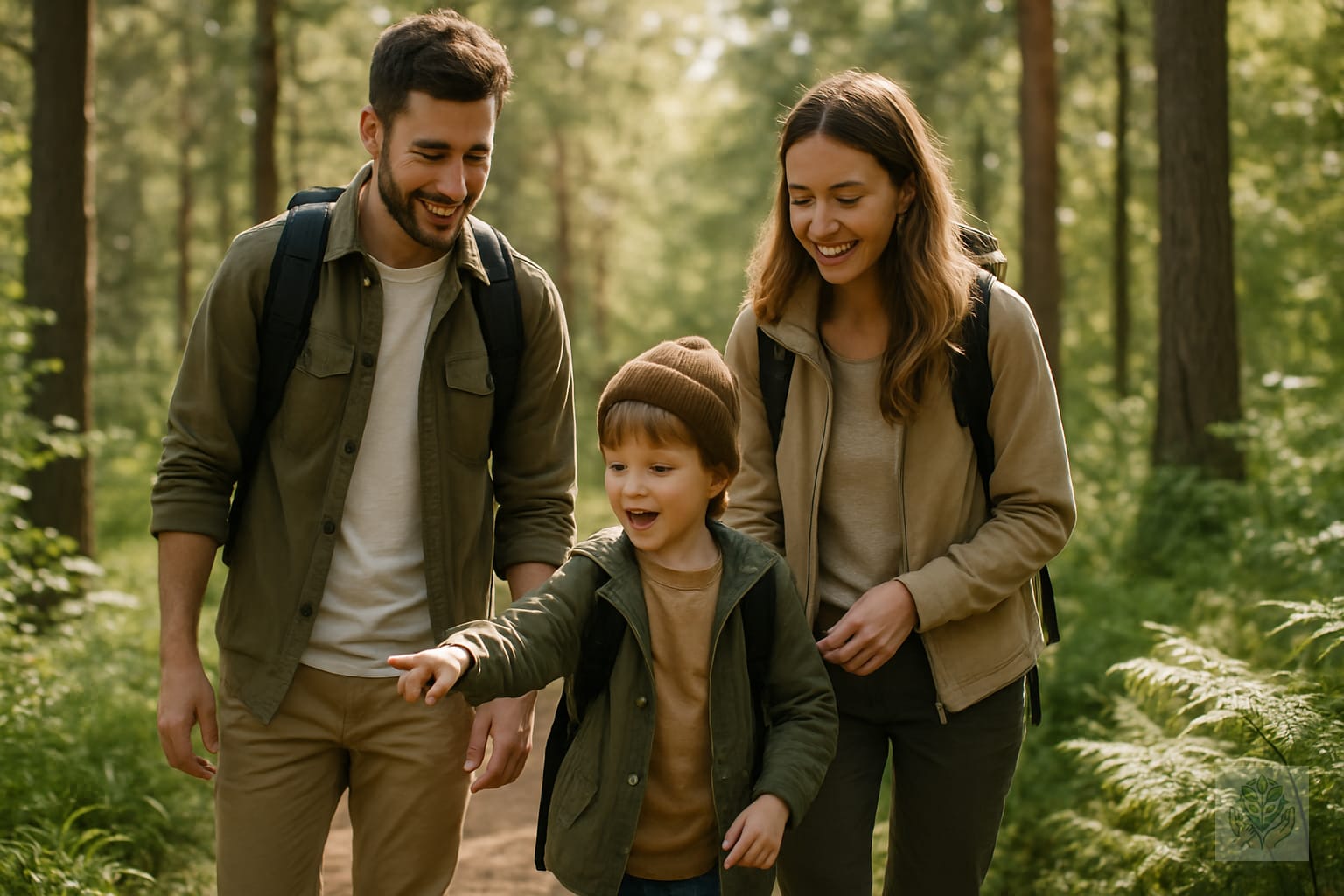
Easy Hiking Adventures for Families with Young Kids: A Beginner’s Guide
There is something magical about the forest floor and the sound of wind through the trees. For parents, sharing the great outdoors with children is one of the most rewarding experiences imaginable. Getting your little ones outside fosters a sense of wonder, physical health, and an early appreciation for nature. 10 Outdoor Activities to Boost Toddler Development Naturally is a great way to build on these benefits.
However, we know that the reality of hitting the trails with toddlers or preschoolers can feel daunting. You might worry about meltdowns, tired little legs, or packing the perfect bag. The good news is that easy hiking adventures for families with young kids are entirely possible when you approach them with the right mindset and preparation. This guide will walk you through everything you need to know to turn a simple walk in the woods into a cherished family memory.
Choosing the Right Trail: What to Look For
When planning your trip, the goal is not to reach a summit or cover high mileage. Instead, focus on the experience itself. A successful outing starts with selecting a trail that respects your child’s capabilities.
Look for trails that are short, ideally between one to three miles round-trip. Elevation gain is another factor; try to stick to flat or gently rolling terrain to prevent early exhaustion. Most importantly, look for trails that offer sensory engagement. Children are natural explorers, and they will be far more motivated to walk if they encounter streams to splash in, large rocks to climb, or interesting trees to inspect.
Safety is non-negotiable. Avoid trails with steep, unprotected drop-offs or loose, jagged rock scrambles that could be dangerous for little explorers. To find the best local options, use apps like AllTrails or Hiking Project. These tools allow you to filter by distance and difficulty, and the user reviews often specify if a trail is stroller-friendly or popular with other families.
Essential Gear for Family Hiking
Packing for a hike requires balance. You want to be prepared for the unexpected without weighing yourself down with unnecessary items. Focus on the core necessities to ensure comfort and safety for everyone involved.
Moisture-wicking clothing is a game-changer. Avoid cotton, which holds sweat and moisture, and instead opt for synthetic or wool blends that dry quickly. Ensure your kids have sturdy, closed-toe shoes with decent grip. Even on short trails, the right footwear prevents slips and keeps little feet comfortable. You can read more about selecting quality options in our guide on how to choose lightweight shoes for toddlers.
Consider your child’s age when deciding between a carrier and independent walking. For toddlers, a high-quality child carrier backpack is a fantastic investment, allowing you to cover more distance while they rest. As they get older, encourage independent walking but keep a lightweight carrier as a backup for when they inevitably run out of energy. Remember to carry a well-stocked first aid kit, plenty of water, and high-energy snacks. Check out the ultimate packing list: 15 must-have travel items for family trips to ensure you aren’t forgetting any essentials.
How to Make Hiking Fun (Not a Chore)
If you treat the hike as a race to the finish line, you might encounter resistance. If you treat it as an adventure, you will find your child is much more engaged. Gamifying the experience is the best way to keep motivation high.
Bring along a scavenger hunt list or play a game of I Spy. Nature bingo is another favorite; create a simple card with pictures of a pinecone, a yellow leaf, a bird, or a funny-looking rock. These simple activities keep their minds active and prevent boredom from setting in.
Never underestimate the power of trail treats. Reserve a special snack, like trail mix with a few chocolate chips or dried fruit, exclusively for the hiking trail. When you hit a lull in energy, stop for a quick snack break to provide both hydration and a positive incentive to keep moving. Most importantly, follow the child’s rhythm. If they want to stop and examine a beetle for ten minutes, let them. The goal is to cultivate a love for nature, not to hit a specific pace.
Practical Safety and Prep Tips
Before you leave the house, check the weather forecast. Even on a sunny day, temperatures can change quickly in shaded forests. Communicate the plan clearly to your kids. Discuss the importance of staying on the trail and the concept of Leave No Trace, teaching them to respect the environment by taking only pictures and leaving only footprints.
Managing expectations is key to a stress-free outing. If you set out to hike two miles but your child is done after half a mile, that is still a successful adventure. Celebrating the time spent together is far more important than the distance logged. Keep a consistent schedule for hydration, offering water breaks before they even tell you they are thirsty.
Common Challenges and How to Overcome Them
Let’s be honest: even with the best plans, challenges arise. Tantrums are common, often resulting from overstimulation or hunger. When a tantrum hits, pause, find a quiet spot, and offer a quick snack or a change of scenery. Usually, a few minutes of calm breathing is all it takes to reset the mood. For more help managing these moments, see our tips on how to handle child tantrums without shouting.
If someone gets tired, the piggyback contingency is your best friend. Carrying your child for short spurts is standard practice for parents of young hikers. Regarding the elements, embrace them! Bring extra layers for cold weather and rain gear if there is a chance of showers. If it is muddy, let them wear rain boots and jump in the puddles. When you demonstrate that a little bit of weather doesn’t ruin the fun, your kids will follow your lead.
Conclusion
Embarking on easy hiking adventures for families with young kids is all about shifting your perspective. It is not about the summit, the mileage, or the perfect Instagram photo. It is about the joy of discovery, the fresh air, and the precious quality time you spend together away from screens. Building these connections is vital, as discussed in why family bonding matters for young children.
Start small, stay positive, and be patient with yourself and your children. Every hike is a learning opportunity that makes the next one even better. Soon, your kids will be asking when the next adventure starts. What is your favorite local trail to explore with your little ones? Share your experiences with us in the comments below!
Frequently Asked Questions
What is the ideal trail length for young kids?
Look for trails that are short, ideally between one to three miles round-trip, with flat or gently rolling terrain to prevent early exhaustion.
How should I dress my kids for a hike?
Avoid cotton and opt for moisture-wicking synthetic or wool blends. Ensure your kids have sturdy, closed-toe shoes with decent grip.
Should I bring a child carrier for a toddler?
Yes, a high-quality child carrier backpack is fantastic for toddlers as a backup when they run out of energy.
How can I make hiking fun for children?
Gamify the experience with scavenger hunts, I spy, or nature bingo, and bring special trail snacks as positive incentives.
What should I do if my child throws a tantrum on the trail?
Pause, find a quiet spot, and offer a quick snack, a drink of water, or a few minutes of calm breathing to reset their mood.
How do I ensure safety while hiking with family?
Check the weather forecast, avoid steep drop-offs, stay on designated trails, pack a first aid kit, and teach basic Leave No Trace principles.


