

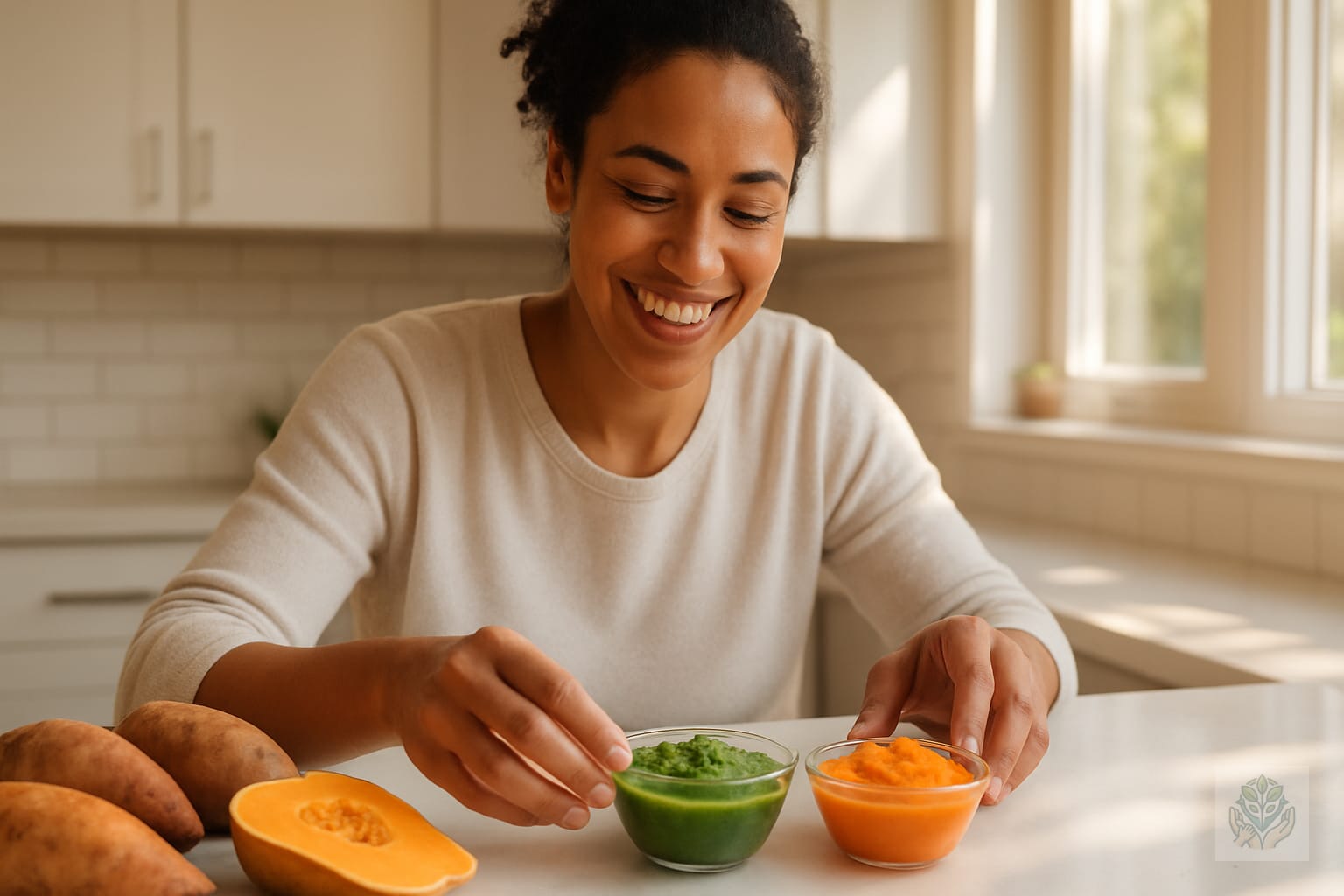
5 Easy Vegetable Puree Recipes Babies Will Love: A Starter Guide for Parents
The transition from breast milk or formula to solid foods is a major milestone in your baby’s development. It is a period filled with both excitement and a few logistical challenges. You might find yourself scouring the grocery store aisles, wondering which store-bought jars offer the best nutrition, only to realize the ingredients list is longer than necessary. Creating 5 easy vegetable puree recipes babies will love is a game-changer for parents who want to provide wholesome, nutrient-dense, and cost-effective meals at home.
Making your own baby food is far simpler than many new parents anticipate. By preparing these meals in your own kitchen, you control exactly what goes into your baby’s tummy, avoiding unnecessary preservatives or additives. Let this guide empower you to start this culinary adventure with confidence. For more guidance, check out our complete guide on everything you need to know before starting baby’s first foods.
When to Start: Signs Your Baby is Ready for Purees
Before you dive into the kitchen, it is important to ensure your little one is developmentally prepared for solid food. Pediatricians generally suggest that babies are ready for purees between 4 and 6 months of age, though every child develops at their own pace.
Beyond age, look for these physical cues:
- Your baby can hold their head up steadily without assistance.
- They can sit upright with minimal or no support.
- They show a significant decrease in the tongue-thrust reflex, which causes them to push objects out of their mouths automatically.
- They demonstrate curiosity by watching you eat and reaching for your food.
Always consult with your pediatrician before introducing solids to confirm your baby is developmentally ready for the next step in their nutritional journey.
The Best Vegetables for Baby’s First Bites
When you start introducing solids, simplicity is your best friend. Choosing nutrient-dense vegetables provides the vitamins and minerals your baby needs to thrive while helping them develop a palate for diverse flavors. To expand their diet further, see our guide on the best fruits to introduce as first foods.
Sweet potatoes are an excellent starter because they are naturally sweet and packed with vitamin A. Carrots are another wonderful choice, offering plenty of beta-carotene and a pleasant, mild taste when steamed. Peas provide a great source of fiber and protein, while butternut squash offers a silky, creamy texture that babies find incredibly soothing. Finally, do not be afraid to introduce greens early; broccoli is a powerhouse of nutrients that sets the stage for a healthy diet later in life.
5 Easy Vegetable Puree Recipes Babies Will Love
These recipes are designed to be straightforward and quick. Remember to wash all produce thoroughly and steam your vegetables to preserve their nutritional integrity. For a more comprehensive look at meal planning, refer to our baby meal planning guide for six to twelve months.
1. Silky Sweet Potato Mash
Peel and cube one medium sweet potato. Steam until fork-tender. Blend with a splash of breast milk or formula until you reach a smooth, velvety consistency. The natural sweetness makes this a hit for almost every baby.
2. Steamed Carrot & Ginger Zest
Steam two peeled carrots until very soft. Add a tiny pinch of fresh grated ginger—just enough for a hint of flavor. Blend with a tablespoon of water or broth to achieve a smooth puree that introduces your baby to mild spices early on.
3. Classic Sweet Green Pea Puree
Using frozen or fresh organic peas, steam for about 5 minutes. Blend them until completely smooth, and be sure to pass the puree through a fine-mesh sieve if you want to remove any lingering skins for an extra-smooth texture.
4. Roasted Butternut Squash Delight
Roasting brings out the natural sugars in squash. Cube the squash, toss lightly with a drop of olive oil, and roast at 400 degrees Fahrenheit until caramelized. Blend until creamy, adding a little water to thin if necessary.
5. Creamy Broccoli & Avocado Mix
Steam broccoli florets until tender. Blend with half a ripe avocado. The healthy fats in the avocado make this a nutrient-dense superfood meal that is incredibly satisfying for a growing baby.
How to Properly Store and Freeze Baby Purees
One of the best benefits of making your own food is the ability to batch-cook. Use silicone ice cube trays to freeze your purees; each cube is a perfect portion size for a beginner eater. Once the cubes are frozen, transfer them to a freezer-safe bag, label them with the date, and store them for up to three months.
For daily use, move one or two cubes from the freezer to the refrigerator the night before to thaw safely. Avoid leaving food at room temperature for more than an hour to ensure maximum safety.
Expert Tips for Success
Introducing new flavors is an experiment. Always introduce one single-ingredient vegetable at a time, waiting 2 to 3 days between new foods to monitor for any signs of allergic reactions, such as rashes or digestive upset. Learn more about keeping your child safe with our guide to baby safety for parents.
If your baby seems hesitant, try mixing the vegetable with a small amount of breast milk or formula. This familiar, sweet taste can help bridge the gap between their liquid diet and new vegetable textures. Most importantly, remain patient. It can take up to 10 to 15 exposures for a baby to accept a new flavor, so do not get discouraged if they reject a vegetable on the first try.
Conclusion
Starting your baby on solids is a journey that connects you to their growth in a whole new way. By utilizing these 5 easy vegetable puree recipes babies will love, you are laying the foundation for a lifetime of healthy eating habits. Keep the experience light, fun, and low-pressure. Every baby is unique, so follow their lead and enjoy the process of watching them explore the world of food.
For more expert advice and weekly meal inspiration, sign up for our newsletter and join our community of parents navigating the wonders of early childhood nutrition. You can also explore our complete guide to baby nutrition for healthy growth.
Frequently Asked Questions (FAQ)
Can I add salt or spices to my baby’s food?
It is best to avoid adding salt, as a baby’s kidneys are still developing and cannot process high sodium levels. Mild spices like ginger, cinnamon, or basil can be introduced in small amounts after your baby has tolerated individual vegetables for a few weeks.
Do I need to peel every vegetable?
While you do not need to peel every vegetable, it is recommended for produce with tough skins like potatoes, carrots, and squash, as these can create a gritty texture that might be difficult for a young baby to swallow.
What should I do if my baby refuses a vegetable?
Do not force the issue. Simply try again a few days or weeks later. Babies often change their preferences frequently, and continuous, non-pressured exposure is the most effective way to help them learn to enjoy new tastes.
Frequently Asked Questions
When can I start feeding my baby vegetable purees?
Pediatricians generally suggest introducing purees between 4 and 6 months of age, provided your baby can hold their head steady, sit upright, and shows an interest in food.
Can I add salt or spices to my baby’s food?
Avoid adding salt because baby kidneys cannot process high sodium. Mild spices like cinnamon or ginger can be introduced in tiny amounts after your baby adapts to single-ingredient foods.
Do I need to peel every vegetable before making a puree?
It is recommended to peel tough-skinned vegetables like potatoes, carrots, and squash to ensure a completely smooth texture that is easy for a beginner eater to swallow.
What should I do if my baby refuses a vegetable puree?
Do not force it. It can take up to 10 to 15 exposures for a baby to accept a new flavor, so try offering the vegetable again in a few days.
How long can I store homemade vegetable purees in the freezer?
You can store homemade purees in freezer-safe trays or bags for up to three months. Just remember to thaw individual portions safely in the refrigerator overnight before serving.
Should I introduce single-ingredient foods first?
Yes, always introduce one single-ingredient vegetable at a time and wait 2 to 3 days before offering a new one to easily monitor for any potential food allergies.


