

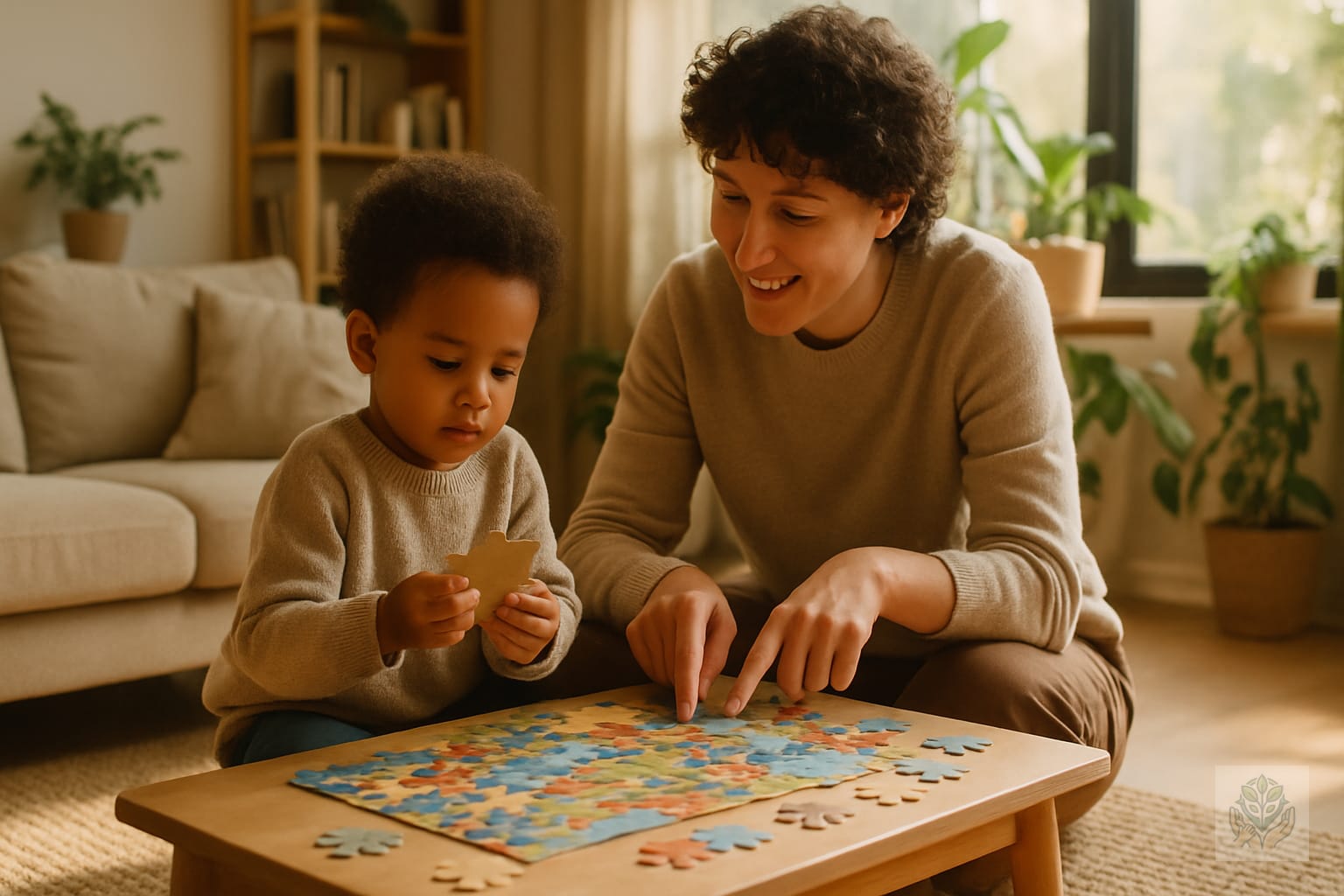
The Educational Benefits of Puzzle Games Explained: Why Kids Need More Playtime
In a world dominated by flashing screens, fast-paced apps, and digital entertainment, the humble jigsaw puzzle often sits quietly on the shelf. Yet, this timeless pastime holds a profound magic that modern technology struggles to replicate. When a child sits down to sort through colorful cardboard pieces, something remarkable happens in their developing brain.
While children simply see a fun challenge, child development experts see a powerhouse of learning. Simple pieces contribute to surprisingly complex learning outcomes every single time a child engages with tactile play. You can explore more options in our age-wise guide to the best educational toys for kids.
Puzzle games are far more than just a rainy-day distraction or a quick way to keep kids quiet. They are essential, foundational tools for holistic child development, fostering everything from sharp cognitive abilities to robust emotional resilience. For further insights, read our complete guide to educational puzzle games for kids.
Cognitive Benefits: Building a Smarter Brain
When your child bends over a table trying to figure out where a corner piece goes, their brain is working overtime. The educational benefits of puzzle games begin with profound cognitive growth, starting with spatial awareness and visual-spatial reasoning. Children learn to perceive shapes, sizes, and relationships between objects in their physical environment. These skills overlap heavily with the principles found in Montessori toys for cognitive development.
Problem-solving and critical thinking take center stage during puzzle play. Kids naturally adopt a trial-and-error approach. When a piece does not fit, they do not give up; they rotate it, test another spot, and analyze the visual cues. This scientific method of testing hypotheses builds neural pathways that translate directly to math and science later in life, much like what you experience when using educational STEM toys.
Memory enhancement is another major cognitive perk. Children must remember the picture on the box, recall the colors they have already sorted, and retain the mental image of where certain pieces belong. This active engagement strengthens both short-term memory and visual recall.
Fine Motor Skills and Hand-Eye Coordination
Physical development is just as important as mental growth during the early years. The physical manipulation of small pieces does wonders for strengthening finger muscles and improving dexterity. Picking up, turning, and squeezing small wooden or cardboard shapes refines the pincer grasp.
This hands-on practice directly improves hand-eye coordination. Children must constantly look at the board, judge the exact placement spot, and guide their hands to put the piece in place accurately.
Ultimately, these physical mechanics serve as vital preparation for writing, drawing, using safety scissors, and mastering other daily self-care tasks. Traditional tabletop play gives small muscles the workout they desperately need in a digital era, perfectly complementing a well-rounded set of indoor toddler activities.
Emotional and Psychological Advantages
Beyond the mental and physical wins, puzzles offer incredible emotional benefits. Developing patience, perseverance, and frustration tolerance is a major milestone for growing children. Puzzles teach kids that worthwhile achievements take time and effort. Practicing these skills alongside positive parenting habits can help raise confident kids.
There is nothing quite like the boost in self-esteem and confidence a child feels when they slide that final piece into place. That sense of accomplishment teaches them to trust their own abilities when facing difficult tasks.
Additionally, puzzle play promotes mindfulness and stress relief. The deep focus required to match colors and patterns acts as a natural calming agent, giving busy kids a peaceful mental break from overstimulating environments.
Social and Communication Skills
While puzzles are often viewed as a solitary activity, they can also be wonderful tools for connection. Cooperative play happens naturally when children work on a large floor puzzle together. They learn to collaborate toward a shared goal.
Language development flourishes during shared puzzle sessions. As parents and children discuss strategies, describe colors, point out shapes, and narrate their thought processes, kids absorb rich new vocabulary.
In a group setting or classroom, puzzles teach essential social etiquette. Children learn to share pieces, take turns, and respect each other’s personal space and ideas.
Choosing the Right Puzzle by Age and Stage
To maximize these developmental benefits, it is important to offer puzzles that match your child’s current developmental stage. A puzzle that is too hard causes frustration, while one that is too easy leads to boredom. For broader toy selection advice, consult our guide on choosing toys by age.
- Toddlers (1-3 years): Look for chunky wooden knob puzzles, peg puzzles, and simple 4 to 10-piece jigsaws featuring bright, familiar objects.
- Preschoolers (3-5 years): Introduce 12 to 50-piece puzzles with larger, sturdy interlocking cardboard pieces and engaging storybook themes.
- School-age (6+ years): Challenge them with complex jigsaw puzzles containing 100+ pieces, tangrams, and even 3D logic puzzles that test spatial reasoning.
Conclusion
The educational benefits of puzzle games span every area of a child’s growth, touching everything from cognitive sharpness and fine motor strength to emotional resilience and social bonding. These timeless toys prove that learning does not require batteries or screens.
We encourage parents to incorporate screen-free puzzle time into their daily family routine. Set up a puzzle table in the living room and watch how naturally your children gravitate toward tactile, engaging play.
Embracing simple, traditional play gives our children the strong foundation they need to thrive in an increasingly complex world. One puzzle piece at a time, we are helping them build a brighter future.
Frequently Asked Questions
What are the main cognitive benefits of puzzle games for kids?
Puzzle games enhance spatial awareness, improve visual-spatial reasoning, foster problem-solving skills, and strengthen both short-term and long-term memory through trial-and-error learning.
How do puzzles improve fine motor skills in young children?
Manipulating, turning, and placing small puzzle pieces strengthens finger muscles, refines the pincer grasp, and significantly improves hand-eye coordination necessary for writing.
At what age should children start playing with puzzles?
Children can start as early as one to three years old with simple chunky wooden knob puzzles and peg puzzles before progressing to larger jigsaw pieces.
Do puzzle games help with emotional development?
Yes, puzzles teach patience, perseverance, and frustration tolerance. Completing a puzzle also gives children a major boost in self-esteem and confidence.
Can puzzles be a social activity for children?
Absolutely. When children work together on large floor puzzles, they practice collaboration, communication, sharing pieces, and taking turns.
How do I choose the right puzzle for my child’s age?
Match the puzzle complexity to their developmental stage. Toddlers do well with 4 to 10 chunky pieces, preschoolers enjoy 12 to 50 pieces, and school-age kids can handle 100 or more.


