

Everything You Need to Know About Educational Pretend Play: Benefits, Ideas, and Milestones
Introduction: Why Imagination Matters in Early Childhood
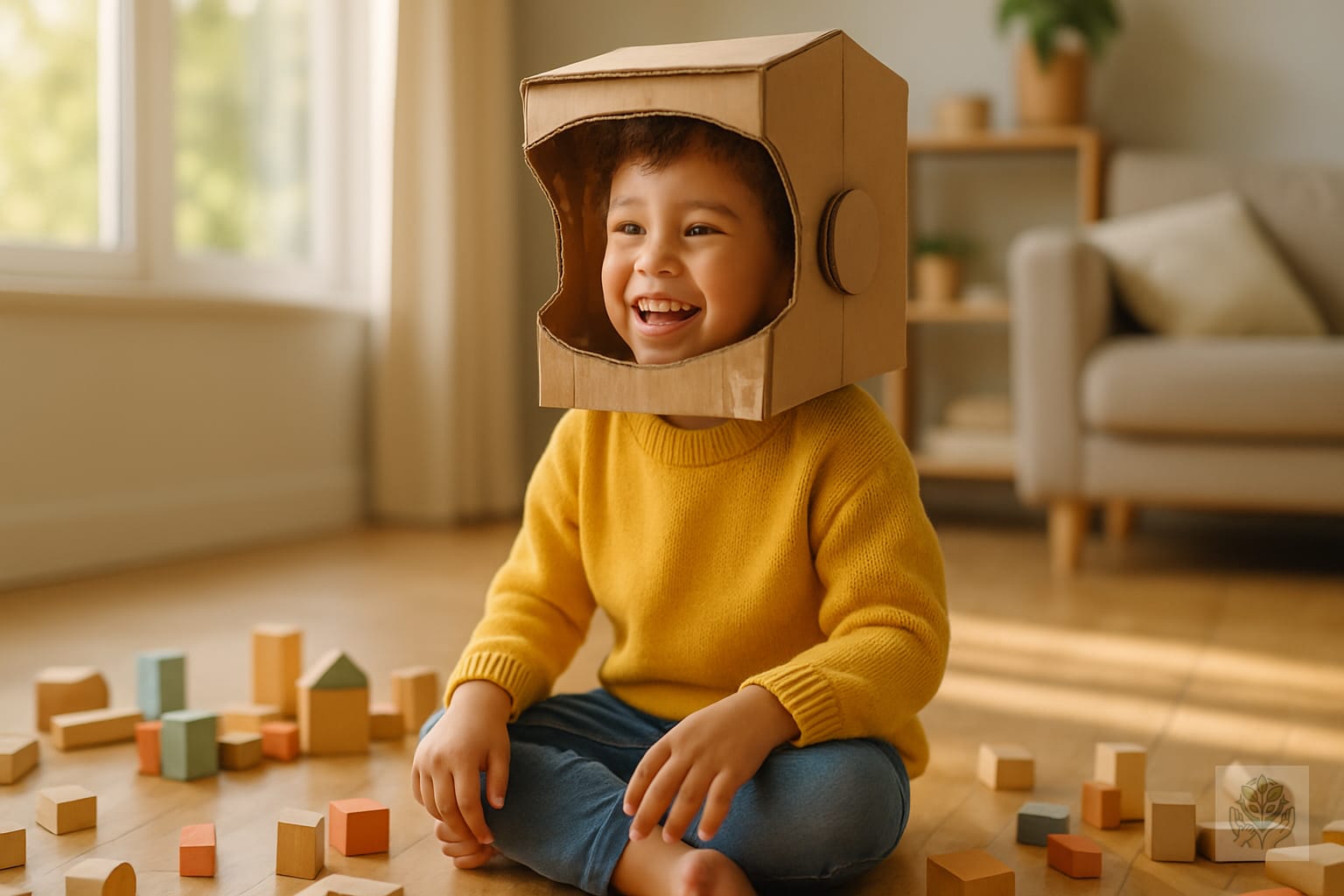
Have you ever watched your child transform a simple cardboard box into a roaring spaceship, a cozy grocery store, or a royal castle? That magical moment of transformation is the heartbeat of childhood. When kids dive into make-believe worlds, they are doing much more than just passing the time.
Educational pretend play, often referred to as imaginative or dramatic play, is a powerhouse of early childhood development. Far from being a mere distraction, stepping into different roles and scenarios helps children process their world, build critical thinking skills, and connect with others.
Pretend play is not just fun—it is a crucial engine for cognitive, emotional, and social development. As parents, understanding the value of this play can help us step back, provide the right environment, and watch our children thrive without relying on flashcards or screens.
What Is Educational Pretend Play?
At its core, educational pretend play involves children using their imagination to act out scenarios, take on different roles, and manipulate objects symbolically. Unlike functional play, where a toy is used strictly for its intended purpose (like rolling a toy car back and forth), imaginative play breathes new life into everyday items.
As children grow, their play naturally evolves. Toddlers often start with solitary play, focusing on their own little storylines. As they approach the age for preschool activities and kindergarten, this shifts into socio-dramatic play, where they collaborate with peers, assign roles, and build complex narratives together.
The beauty of unstructured play is that it becomes a deeply educational tool naturally. Children do not need high-tech gadgets or expensive learning apps to stimulate their brains. Their own innate creativity provides all the fuel required for profound learning.
The Power of Make-Believe: 5 Key Benefits for Child Development
Why is make-believe so vital for growing minds? Research shows that children who engage regularly in role-play develop stronger cognitive and social foundations. Here are five core ways educational pretend play shapes a child’s development.
1. Cognitive Growth and Problem-Solving
When children engage in pretend play, they develop abstract thinking and symbolism. A wooden block is no longer just a block; it can become a slice of cake, a ringing telephone, or a brick in a fortress.
This type of play encourages kids to test hypotheses in a safe environment. They might ask themselves questions like, If I mix these mud pies, what happens? or How can I build a bridge high enough for the toy dinosaurs to cross? These mental gymnastics lay the groundwork for future scientific and mathematical reasoning.
2. Language and Communication Skills
Role-play is an incredible catalyst for language development. When children step into the shoes of a doctor, a cashier, or a chef, they naturally adopt role-specific vocabulary and conversational patterns.
They practice storytelling, negotiate plotlines with playmates, and learn how to express their ideas clearly. This verbal interaction expands their vocabulary far beyond everyday household chatter.
3. Social-Emotional Learning (SEL) and Empathy
Stepping into another person’s shoes is the ultimate exercise in empathy. When children play mother, teacher, or superhero, they practice looking at the world from an entirely different perspective.
Additionally, dramatic play provides a safe container for processing real-world anxieties. A child who is nervous about a upcoming doctor visit can work through those fears by playing pediatrician with a stuffed animal, regaining a sense of control.
4. Self-Regulation and Impulse Control
Believe it or not, pretend play is one of the best ways for young children to practice self-regulation. When playing a structured game of make-believe, children must stick to the established rules of the scenario.
For example, in a doctor-patient game, the child playing the patient must practice waiting patiently in the waiting room. This requires delayed gratification, impulse control, and taking turns with playmates.
5. Fine and Gross Motor Skills
Physical dexterity is constantly challenged during imaginative play. Fine motor skills improve as children button intricate costumes, hold tiny pretend utensils, string beads for royal necklaces, or carefully stack blocks.
Gross motor skills get a workout too. Active movement comes naturally when kids pretend to soar like eagles, leap across lava-filled floors, or participate in other movement activities for kids at home as pop stars.
Pretend Play Milestones: What to Expect from Toddlers to Preschoolers
Just like walking and talking, imagination develops in predictable stages. Here is what you can expect as your child grows:
- Ages 12 to 18 months: Children begin showing imitative actions. You might catch them holding a toy phone to their ear or pretending to feed a baby doll a bottle.
- Ages 18 to 24 months: Simple substitution emerges. A child might pick up a wooden block and use it as a phone, showing an understanding that one object can represent another.
- Ages 2 to 3 years: Toddlers start assigning roles and engaging in parallel pretend play. They may play side-by-side with other children, each cooking in their own imaginary kitchen.
- Ages 4 to 5+ years: Complex socio-dramatic play takes center stage. Children create elaborate plots, establish clear rules, negotiate roles, and engage in cooperative teamwork with their peers.
The Best Educational Toys for Pretend Play (Open-Ended Ideas)
When it comes to fueling the imagination, less is often more. The best toys for educational pretend play are open-ended, which is why many parents prefer Montessori learning toys because they do not have a single fixed purpose. This allows children to reinvent them day after day.
Everyday household items are often the biggest hits. Cardboard boxes, old kitchen utensils, plastic storage containers, and clean clothes from the donation bin can transform an ordinary afternoon into an extraordinary adventure.
Classic role-play toys also make fantastic investments. Consider adding items like a simple play kitchen, a child-sized doctor kit, dress-up clothes, and a sturdy dollhouse to your play space.
Building blocks, playdough, and sensory materials serve as versatile backdrops for any imaginative scenario, giving children the physical tools they need to bring their ideas to life.
How Parents Can Foster and Encourage Pretend Play
Parents play a vital role in supporting imaginative play, and sometimes the best thing you can do is simply step back. Allowing space for independent play is one of many positive parenting habits that teaches children to entertain themselves and trust their own creative instincts.
When you do want to join in, become a co-player rather than a director. Let your child lead the narrative and decide what role you will play. If they assign you the part of a sleepy puppy, embrace it fully!
Ask open-ended questions to deepen the play without taking over. Prompts like What happens next in our restaurant? or How are we going to cross this river? spark deeper thinking.
Finally, create a dedicated, low-distraction play space where toys are accessible and messes are permitted. Building a home learning resource collection in a cozy corner with a basket of props invites children to dive right into make-believe.
Conclusion: Let Them Play
Educational pretend play leaves a lifelong imprint on a child’s development. By encouraging imagination, we help our children build the cognitive flexibility, emotional resilience, and social skills they need for the future.
So, embrace the mess, put away the flashcards, and value imagination over academic drills. Give your child the time, space, and simple tools they need to dream big.
What is your child’s favorite pretend play scenario? Do they love running a pretend grocery store, or are they soaring through space as astronauts? Share your stories in the comments below, or check out our best educational toys for kids for more inspiration!
Frequently Asked Questions
What is educational pretend play?
Educational pretend play involves children using their imagination to act out scenarios, take on different roles, and manipulate objects symbolically, which helps boost cognitive and social development.
At what age do children start pretend play?
Children typically begin showing imitative actions between 12 and 18 months old, such as holding a toy phone to their ear or feeding a doll.
What are the benefits of imaginative play for toddlers?
Imaginative play enhances cognitive growth, expands vocabulary, builds empathy, improves self-regulation, and develops both fine and gross motor skills.
How can parents encourage pretend play?
Parents can foster pretend play by providing open-ended toys, allowing independent play time, acting as co-players when invited, and asking open-ended questions.
What are the best toys for educational pretend play?
The best toys are open-ended items like building blocks, play kitchens, dress-up clothes, doctor kits, and everyday household objects like cardboard boxes.
Why is pretend play important for social-emotional learning?
It allows children to step into different perspectives, practice empathy, and safely process real-world anxieties or experiences through role-playing.


