

Bicycle Accessories for Young Riders: The Ultimate Guide
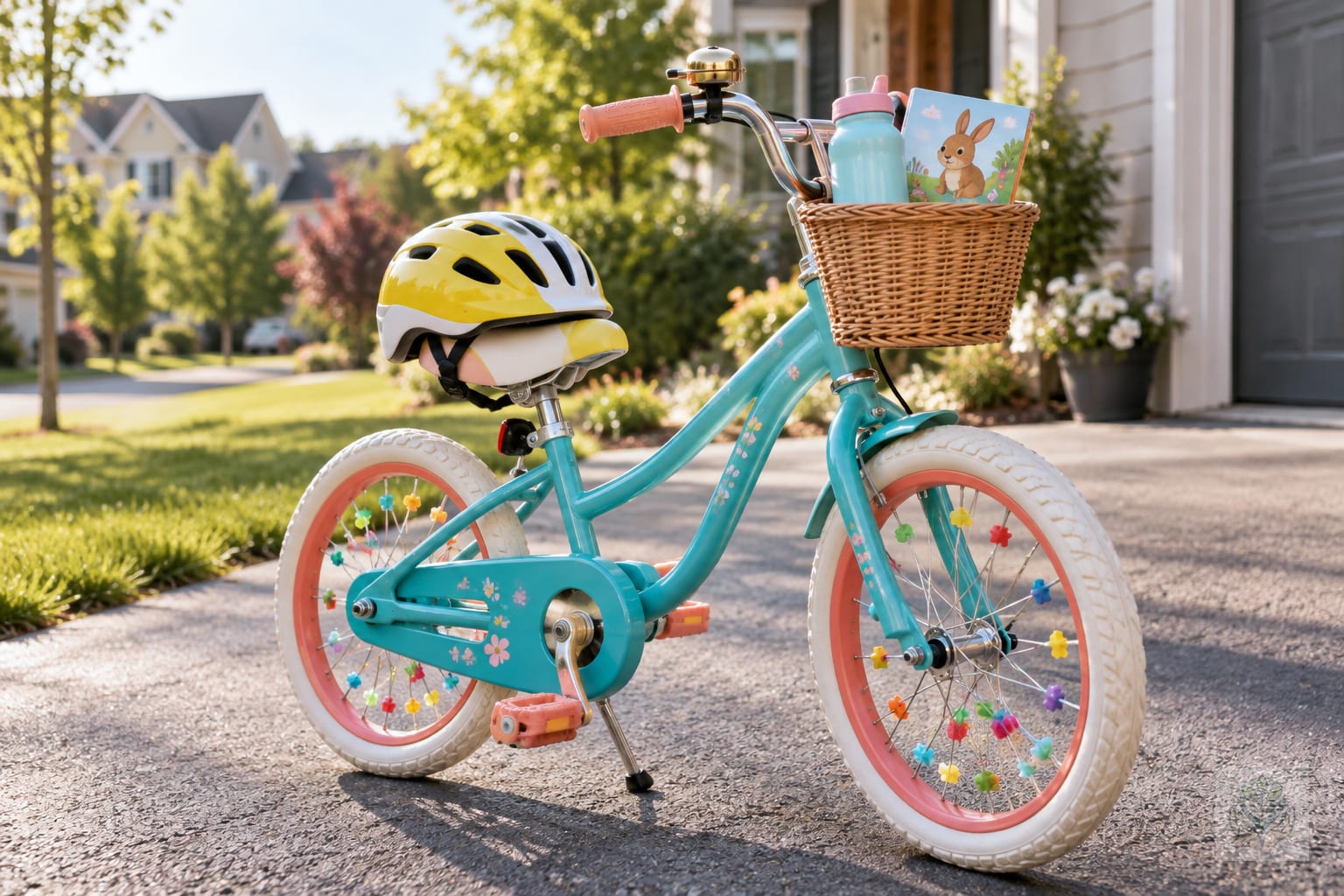
There is very little in childhood that compares to the pure, unadulterated joy of learning to ride a bike. That wobbly first push, the sudden rush of wind, and the eventual triumph of independent balance create core memories that last a lifetime. While the bicycle itself always plays the starring role, the right gear acts as the essential supporting cast. Equipping your child with thoughtful bicycle accessories for young riders transforms an ordinary afternoon spin into a safe, comfortable, and endlessly fun adventure.
As parents, navigating the vast market of children’s cycling gear can feel overwhelming. Do they really need a bell? Which helmet meets the highest safety standards? This guide cuts through the noise. We explore everything you need to keep your child protected, comfortable, and eager to hit the neighborhood pavement. For even more great ideas on weekend outings, check out our weekend cycling activities for kids.
1. Non-Negotiable Safety Gear
Safety always comes first when introducing children to cycling. Before you ever adjust a seat or pump a tire, you must secure the proper protective equipment. Investing in high-quality safety items establishes good habits early and gives you peace of mind.
Helmet Selection and Fit
First and foremost is a properly fitted helmet. Never compromise on this item. Look for helmets that meet CPSC (Consumer Product Safety Commission) certification standards. A helmet must sit level on the head, resting just above the eyebrows, with straps forming a snug V-shape under the ears. You can learn more about proper selection and upkeep in our bicycle helmet safety guide for kids.
Visibility and Protective Pads
Next, enhance your child’s visibility with high-visibility gear. Bright clothing, reflective vests, and spoke reflectors ensure motorists and pedestrians spot your young cyclist easily. Finally, do not underestimate the confidence-boosting power of knee and elbow pads. For toddlers on balance bikes or older kids mastering two wheels, pads soften the inevitable bumps and scrapes, keeping fear from cutting practice short.
2. Essential Operational Accessories
Once safety is locked in, focus on items that help your child navigate their environment. Operational gear teaches situational awareness and keeps young bodies fueled during long neighborhood excursions.
Bells and Horns
Bike bells and horns serve a dual purpose. They inject a sense of playful fun into the ride while teaching critical road safety and communication skills. Remind your child to ring their bell when approaching blind corners or passing pedestrians from behind.
Lights and Hydration
Front and rear bike lights are equally vital, especially during late afternoon rides or gloomy weather days. Modern LED lights ensure your child remains visible in low-light conditions. Additionally, attach a kid-friendly water bottle cage to the frame. Dehydration creeps up quickly on active children, and having easy access to water encourages healthy hydration habits on every ride. For more ideas on keeping kids energized, review our tips on the best snacks and drinks for children’s bike rides.
3. Accessories for Convenience and Comfort
A comfortable child is a happy child who wants to keep riding. Adding a few thoughtful touches to their bike dramatically improves the overall riding experience and fosters a sense of personal investment.
Storage and Security
Handlebar bags and baskets let your child bring along their favorite treasures, snacks, or a stuffed animal passenger. For more storage options, take a look at the best bags and storage accessories for family bike rides. Meanwhile, introducing a durable bike lock early on teaches wonderful responsibility for their gear. Show them how to secure their bike to a rack when visiting the neighborhood park.
Ergonomic Upgrades
Do not overlook ergonomic grips and saddles. Standard factory grips can sometimes feel harsh on small hands, so upgrading to soft, contoured grips prevents hand fatigue. A comfortable saddle ensures that longer family weekend rides end in smiles rather than complaints about soreness.
4. Fun & Customization: Why Personalization Matters
Childhood is all about self-expression, and a bicycle offers a fantastic canvas. When a child feels a deep personal connection to their bike, they ride more frequently and with greater enthusiasm.
Adding Personality to the Bike
Allowing your child to customize their ride transforms it from a generic toy into a treasured possession. Colorful streamers, fun waterproof decals, and spinning wheel spoke beads add a delightful splash of personality. These small touches make heading outside an irresistible prospect, encouraging active, outdoor play.
5. A Parent’s Checklist for Seasonal Maintenance
Gear does its job best when properly maintained. Establishing a seasonal maintenance routine keeps your child safe and prevents frustrating mechanical failures mid-ride. For simple upkeep tasks your child can learn, read our guide on simple bicycle maintenance kids can learn.
- Regularly check all nuts, bolts, and handlebar accessories to ensure nothing has shaken loose during bumpy rides.
- Test front and rear lights, replacing dead batteries promptly before heading out.
- Re-evaluate helmet fit every few months. Children grow rapidly, and a helmet that fit perfectly in the spring might be too snug by summer.
Conclusion
Equipping your child with the right bicycle accessories for young riders strikes the perfect balance between uncompromising safety and pure childhood fun. By investing in certified protective gear, practical operational tools, and fun personal touches, you set the stage for countless joyful family adventures. What is your child’s favorite bike accessory? Share your own kid-tested recommendations in the comments below!
Frequently Asked Questions
How often should I replace my child’s bike helmet?
You should replace a child’s bike helmet immediately if it has been involved in any significant crash or impact, as the internal foam integrity becomes compromised. Otherwise, replace helmets every three to five years due to normal wear and tear, or sooner if your child simply outgrows the current size.
Are training wheels considered essential accessories?
Training wheels are optional rather than essential. While they help young toddlers build initial confidence, many modern child development experts recommend balance bikes instead. Balance bikes teach natural steering and weight distribution much faster than traditional bikes with training wheels. To learn more about this approach, explore our guide on how balance bikes help children learn cycling faster.
What is the best way to teach a child to use a bike bell?
Turn learning how to use a bike bell into a fun game in an empty driveway or park. Practice the polite rule of ringing it twice from a safe distance when approaching pedestrians, framing it as a friendly hello rather than an emergency warning.
Frequently Asked Questions
How often should I replace my child’s bike helmet?
You should replace a child’s bike helmet immediately if it has been involved in any significant crash or impact. Otherwise, replace it every three to five years due to normal wear, or sooner if your child outgrows it.
Are training wheels considered essential accessories?
Training wheels are optional rather than essential. While they help young toddlers build initial confidence, many experts recommend balance bikes instead to teach natural steering and weight distribution.
What is the best way to teach a child to use a bike bell?
Turn learning how to use a bike bell into a fun game in an empty park. Practice the polite rule of ringing it twice from a safe distance when approaching pedestrians.
What safety gear is non-negotiable for young cyclists?
A properly fitted, CPSC-certified helmet is non-negotiable. High-visibility clothing, reflective vests, and supportive knee and elbow pads are also crucial for protecting your young rider.
How can I keep my child hydrated during long bike rides?
Attach a kid-friendly water bottle cage directly to the bicycle frame. Having easy access to water encourages healthy hydration habits and prevents dehydration during active outdoor play.
Why is bike customization important for kids?
Allowing children to customize their bikes with stickers, streamers, or spoke beads fosters a personal connection. When kids love how their bike looks, they ride more frequently and enthusiastically.