

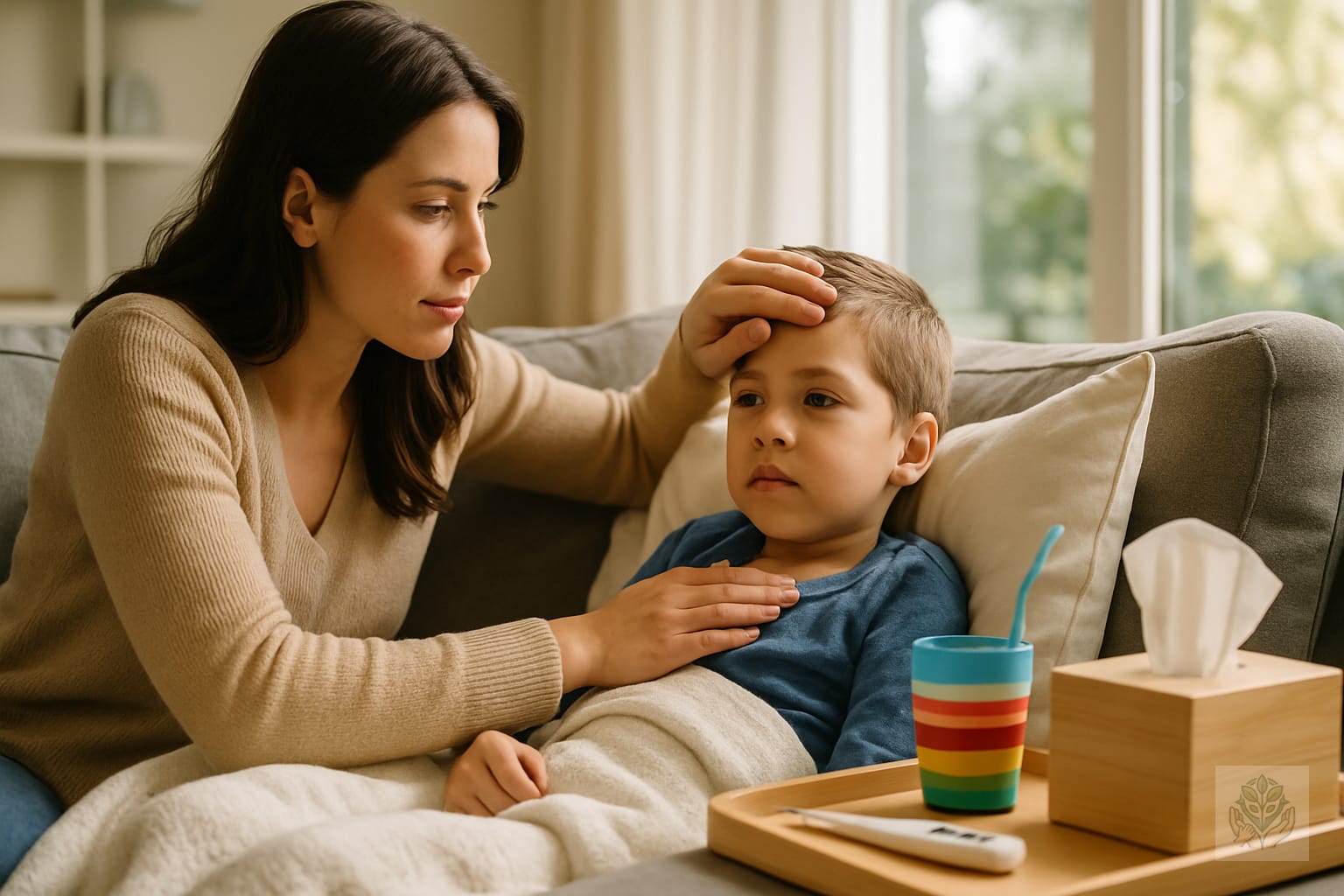
Flu Symptoms in Children: A Parent’s Guide to Recognition and Care
As the leaves turn and the temperature drops, the annual arrival of influenza often brings a sense of unease to households everywhere. Recognizing flu symptoms in children early is the best way to help your child navigate the illness comfortably and prevent the spread to others. Whether you are a first-time parent or a seasoned pro, seeing your child suffer from the flu can be overwhelming.
Influenza, commonly known as the flu, is a highly contagious respiratory infection caused by viruses that infect the nose, throat, and lungs. Because children have developing immune systems, they are often the most susceptible to catching and spreading these germs in schools and daycare settings. Please know that your concern is entirely valid, and being prepared is the most proactive step you can take for your family’s health.
Identifying the Signs: Common Flu Symptoms in Children
Unlike a common cold, which tends to develop gradually, the flu often arrives with a sudden, intense onset. Understanding these specific flu symptoms in children is critical for early detection. The virus attacks the body quickly, leaving your child feeling markedly unwell in a matter of hours.
Sudden Onset of High Fever and Chills
A high fever is often the first indicator that your child is fighting the flu. You may notice your child shivering or complaining of chills even when the room temperature is comfortable. This fever often spikes quickly, sometimes reaching over 102 degrees Fahrenheit, signaling that the body is working hard to fight off the virus.
Respiratory Issues: Cough, Sore Throat, and Runny Nose
Respiratory distress is a hallmark of influenza. You will likely hear a persistent, dry, or hacking cough. Children may also complain of a painful sore throat and experience significant nasal congestion. While these mirror symptoms of a cold, with the flu, they are usually accompanied by a much more profound sense of illness.
Body Aches, Fatigue, and Lethargy
If your child is uncharacteristically tired, wants to nap more than usual, or complains of muscle aches, take notice. This extreme fatigue is a common flu symptom. Children may become quite grumpy or clingy because their bodies are physically drained by the infection.
Gastrointestinal Symptoms
It is important to note that while the flu is a respiratory virus, young children and toddlers often experience gastrointestinal issues. Nausea, vomiting, and diarrhea are more common in pediatric flu cases than in adults. If you see these combined with respiratory signs, the flu is a likely culprit.
Distinguishing Flu Symptoms from a Common Cold
Distinguishing between the two can be tricky. Generally, a cold starts slowly with a runny nose and sneezing, and your child usually maintains decent energy levels. The flu, however, hits like a freight train. It brings the sudden fever, body aches, and deep exhaustion that make it nearly impossible for a child to continue their regular play activities.
When to Take Your Child to the Doctor
While many cases of the flu can be managed at home, there are times when medical intervention is essential. Parents should always trust their gut instincts. If you feel that something is wrong, do not hesitate to contact your pediatrician.
Emergency Warning Signs
Seek emergency medical care immediately if you notice breathing difficulties, such as rapid breathing, flared nostrils, or ribs pulling in with each breath. Chest pain, bluish or gray skin, or an inability to wake up or interact are serious red flags that require urgent medical attention. For additional concerns, see our guide on when to tell if a child’s symptoms are getting worse.
Infants Under 3 Months
If your infant is younger than three months and develops any fever, you should contact a doctor immediately. Newborns have delicate immune systems, and even mild symptoms warrant a professional evaluation.
Signs of Dehydration
Dehydration is a major concern when a child has the flu, especially if vomiting is present. Watch for signs like decreased urination, no tears when crying, or a dry, sticky mouth. If your child has not had a wet diaper in six to eight hours, it is time to call the doctor.
Persistent High Fevers
If your child’s fever remains very high despite the use of age-appropriate fever-reducing medication or if the fever subsides for a few days only to return with a worsening cough, you should consult your healthcare provider to rule out secondary infections like pneumonia.
At-Home Care: How to Make Your Child More Comfortable
Providing supportive care is the primary way to help your child recover from flu symptoms in children. Your goal is to keep them hydrated, rested, and as comfortable as possible while their body fights the infection. You can also look into how to support your child’s immune system naturally during recovery.
Hydration Strategies
Hydration is the most important aspect of recovery. Offer small, frequent sips of water, electrolyte-replacement drinks, or diluted fruit juice. If your child is struggling to keep liquids down, offer ice chips or popsicles, which are often easier for sick children to tolerate.
Managing Fever and Discomfort
Use over-the-counter fever reducers such as acetaminophen or ibuprofen, but always confirm the correct dosage with your pediatrician based on your child’s weight and age. Never exceed the recommended frequency, and ensure you are using the specific pediatric formulation of the medication.
The Importance of Rest and Isolation
Rest is essential for the immune system. Encourage quiet activities like reading, watching a movie, or drawing to keep your child occupied without exerting their body. Keeping them away from school or daycare also prevents the spread of the virus to other children.
Humidifiers and Congestion Relief
Running a cool-mist humidifier in your child’s bedroom can help soothe their airways and ease a cough. Additionally, using saline nasal drops can help loosen thick mucus, making it easier for younger children who cannot blow their noses to breathe more freely.
Flu Prevention Strategies
Prevention is always better than cure. Protecting your household starts with proactive measures that reduce the risk of transmission.
- Annual Flu Vaccine: The flu shot is the most effective way to protect children against severe illness and complications. Consult your doctor about getting your child vaccinated each year before the height of the season.
- Handwashing Techniques: Teach your children to wash their hands thoroughly with soap and water for at least 20 seconds. This simple act drastically reduces the spread of viral particles. For more tips, see our guide on handwashing for kids.
- Hygiene Habits: Encourage coughing or sneezing into an elbow rather than hands. Regularly disinfect high-touch surfaces like toys, doorknobs, and tablets to keep your home environment as clean as possible. You can also encourage independent hygiene habits for your older children.
Frequently Asked Questions (FAQ)
How long are children contagious with the flu?
Children are typically contagious from one day before symptoms appear until about five to seven days after they start. It is best to keep them home until they have been fever-free for at least 24 hours without the use of medication.
Can I give my child aspirin for the flu?
No. Never give aspirin to children or teenagers because it is linked to Reye’s syndrome, a rare but serious condition. Always stick to pediatrician-approved fever reducers like acetaminophen or ibuprofen.
How long does the flu typically last in children?
Most children recover from the flu within one to two weeks. However, the cough and feelings of fatigue can sometimes linger for a few weeks after the other symptoms have cleared up.
Conclusion
Caring for a sick child is never easy, but being able to recognize flu symptoms in children allows you to act quickly and effectively. By keeping them hydrated, monitoring for red flags, and ensuring they get plenty of rest, you are giving their body exactly what it needs to heal. Remember to trust your instincts—you know your child best. If you are ever unsure, a quick call to your pediatrician can provide the peace of mind you need. Stay proactive, practice good hygiene, and focus on comfort to get your little one back to their energetic self.
Disclaimer: This article is for informational purposes only and does not substitute professional medical advice, diagnosis, or treatment. Always seek the advice of your pediatrician or another qualified health provider with any questions you may have regarding a medical condition.
Frequently Asked Questions
How long are children contagious with the flu?
Children are typically contagious from one day before symptoms appear until about five to seven days after they start. Keep them home until they are fever-free for 24 hours without medication.
Can I give my child aspirin for the flu?
No, never give aspirin to children or teenagers because it is linked to Reye’s syndrome, a rare and serious condition. Always use pediatrician-approved fever reducers like acetaminophen or ibuprofen.
How long does the flu typically last in children?
Most children recover from the flu within one to two weeks, though a mild cough and fatigue may linger for a few extra weeks.
When should I take my child to the doctor for the flu?
Seek medical care immediately if your child has difficulty breathing, chest pain, bluish skin, or signs of severe dehydration such as a lack of tears and no wet diapers.
What is the best way to keep a child with the flu hydrated?
Offer small, frequent sips of water, electrolyte solutions, or diluted fruit juice. Popsicles and ice chips are also great alternatives if your child struggles to keep liquids down.
Are stomach issues common with the flu in children?
Yes, while the flu is primarily a respiratory illness, young children and toddlers frequently experience gastrointestinal symptoms like nausea, vomiting, and diarrhea.


