

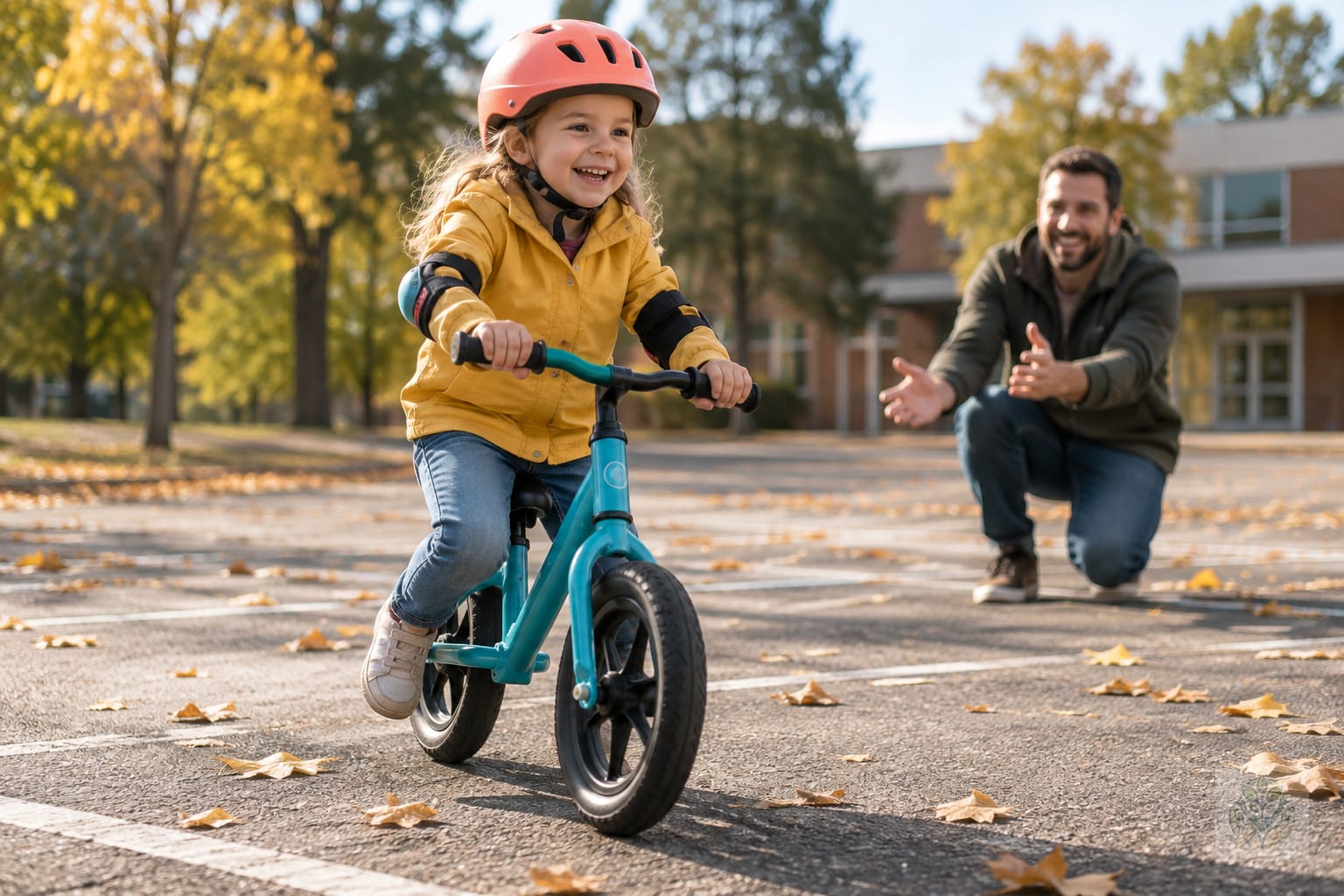
How to Help a Child Ride a Bike Without Fear: A Step-by-Step Guide
Picture this: a sun-drenched Saturday morning, a brand-new bicycle sitting proudly on the driveway, and a child standing nearby with a mix of excitement and absolute dread in their eyes. For many families, teaching a child how to ride a bike is a classic parenting milestone. However, it can quickly turn into a stressful battleground of tears, scraped knees, and frayed nerves if anxiety takes the wheel.
If your child is experiencing a deep-seated hesitation, you are certainly not alone. Helping a child ride a bike without fear requires more than just pushing them down the pavement and hoping for the best. It takes empathy, the right equipment, and a structured, low-pressure approach that prioritizes emotional safety right alongside physical safety.
Understanding Why Children Fear Bike Riding
Before you adjust a single helmet strap, it helps to understand what is happening inside your child is mind. Children do not always experience fear simply because they are clumsy; often, their hesitation is entirely rational. Approaching the process with a child development mindset allows you to address the root causes of their resistance.
The primary psychological barrier is the fear of the unknown and a perceived loss of control. To a young child, a bicycle is a heavy, unpredictable machine that moves faster than their legs ever could. If they have had a previous negative experience, such as a sudden tumble off a tricycle or a scooter wipeout, that memory looms large. They remember the sting of the pavement and naturally want to avoid repeating it.
We must also look at the unspoken pressure factor: parental anxiety. Kids are emotional sponges. If you are standing ten feet away gripping your hands together, holding your breath, and shouting instructions, your child reads your tension as danger. Shifting your own energy from anxious supervisor to calm cheerleader is the first major step in calming theirs.
Preparation: Setting the Stage for Success
A smooth learning process starts long before your child puts their feet on the pedals. Choosing the right gear can transform your child is confidence levels instantly.
When it comes to equipment, many modern child development specialists recommend skipping traditional training wheels altogether. Training wheels teach children to lean the wrong way on turns and create a false sense of security that makes the eventual transition to two wheels much harder. Instead, a balance bike—or a standard pedal bike with the pedals temporarily removed—allows children to master the most critical element of cycling first: balance. You can read more about this approach in our guide on how balance bikes help children learn cycling faster.
Safety gear should be framed as superhero equipment rather than medical precautions. Let your child pick out a cool helmet, comfortable knee pads, and elbow pads. When they feel protected, they feel braver. For further guidance on selecting and fitting protective gear, check out our bicycle helmet safety guide for kids.
Next, find the right location. Avoid steep hills, crowded parks, or rough gravel. Look for a flat, open area with a forgiving surface, such as a tennis court, an empty school parking lot on the weekend, or a transition zone from smooth grass to a flat paved path.
Step-by-Step: The Fear-Free Learning Process
By breaking the learning process down into bite-sized, manageable phases, you remove the overwhelm and help your child build genuine confidence.
Phase 1: Getting Comfortable with the Bike (The Scoot Method)
With the pedals removed, lower the saddle so your child is flat-footed while sitting. Tell them their bike is now a scooter. Encourage them to walk, stride, and scoot around using their feet on the ground. This phase allows them to feel the weight of the bike and understand how to steer without worrying about falling over.
Phase 2: Mastering Balance (Gliding with Feet Up)
Once your child is zooming around comfortably by walking and running with the bike, introduce the glide. Ask them to take a few strong running steps and then lift their feet up off the ground, letting the bike coast for a few seconds. Turning this into a game—like seeing who can glide past a chalk line—takes the focus off balance and puts it on having fun.
Phase 3: Introducing Pedals Without Distance Pressure
Reattach the pedals only after your child is consistently gliding with their feet up for several feet at a time. Now, teach them the starting position: one pedal up at the two-o-clock position for a strong first push. Emphasize that they do not need to ride around the whole block today. Setting a small, achievable goal, like making it to the mailbox, keeps anxiety at bay.
Phase 4: Learning to Brake (The Secret to Feeling in Control)
Control equals confidence. Before letting your child pick up speed, practice stopping repeatedly. Spend an entire session playing red light, green light. When children know they can stop the bike whenever they want to, their fear of going fast dissipates. For more targeted techniques on this crucial skill, see our article on how to teach your child to brake safely on a bike.
Coaching Tips for Parents: Keeping Your Cool
Your attitude as a coach sets the emotional tone for the entire experience. Keep these practical tips in mind while you work together:
- Celebrate small wins: Praise effort, balance, and bravery rather than just distance covered. High-fives go a long way.
- Know when to walk away: If frustration sets in and tears begin to fall, stop immediately. Pushing through exhaustion only builds resentment and fear.
- Handle falls with calm assurance: If your child takes a tumble, resist the urge to gasp or hover anxiously. Assess for injuries calmly, validate their feelings, and gently remind them that falling is just part of learning.
Common Pitfalls to Avoid
Even with the best intentions, parents sometimes fall into traps that inadvertently stall their child is progress. Watch out for these common missteps:
- The danger of holding on: Grabbing your child by the jacket or the back of the seat creates a dependency. The moment you let go, panic sets in because they never learned to balance independently.
- Comparison: Every child develops motor skills on their own unique timeline. Avoid comparing your child to a sibling or a neighborhood friend who learned overnight.
- Forcing the timeline: If your child flatly refuses to practice on a given day, respect their boundary. Forcing the issue often triggers a setback that takes weeks to undo.
Conclusion
Learning how to help a child ride a bike without fear is ultimately an exercise in patience, trust, and gentle guidance. Remember that this journey is about creating joyful milestones, not breaking speed records. Every child learns at their own pace, and supporting them through their hesitations teaches them valuable resilience that extends far beyond the bicycle.
Do you have a little one learning to ride right now? Share your progress or questions in the comments below, and subscribe to our parenting newsletter for more gentle developmental tips and outdoor activity guides! If you are planning longer family outings once they get the hang of it, you might also want to review our family bike ride essentials checklist for toddlers and preschoolers.
FAQ Section
How long does it usually take to overcome bike riding fear?
The timeline varies wildly depending on the child is age, temperament, and past experiences. Some children overcome their hesitation within a few afternoon sessions using a balance bike approach, while others may take a few weeks of short, low-pressure practice. The key is following your child is emotional cues rather than a strict calendar.
Are training wheels bad for a child is progress?
Training wheels are not inherently harmful, but they often delay true balance development. Because training wheels allow a child to lean away from the turn, they encourage incorrect posture. Using a balance bike or removing the pedals temporarily is generally much more effective for building natural balance and confidence.
What age is best to start teaching a child to ride?
Children can start interacting with balance bikes as early as 18 months to two years old. When it comes to transitioning to a pedal bike, many children are physically and emotionally ready around ages four to six. However, physical readiness means little without emotional readiness, so always gauge your individual child is interest and confidence. For advice on finding the right fit when they are ready to upgrade, consult our guide on how to choose the right bicycle size for your child.
Frequently Asked Questions
How long does it usually take to overcome bike riding fear?
The timeline varies depending on the child’s age, temperament, and past experiences. Some children overcome hesitation within a few sessions using a balance bike approach, while others take a few weeks. Always follow your child’s emotional cues.
Are training wheels bad for a child’s progress?
Training wheels are not inherently harmful, but they often delay true balance development. They allow children to lean the wrong way on turns. Using a balance bike or removing pedals temporarily is usually more effective.
What age is best to start teaching a child to ride?
Children can start using balance bikes around 18 months to two years old. Transitioning to a pedal bike typically happens between ages four and six, depending on their physical and emotional readiness.
How can I stop my child from panicking when the bike moves?
Start with the scoot method by removing the pedals and lowering the seat. This allows your child to keep their feet on the ground, maintaining a sense of control and reducing anxiety.
Should I hold onto the back of the bicycle seat while they ride?
It is best to avoid holding onto the seat or jacket for long periods. This creates a false dependency, causing panic when you let go. Instead, teach them balance progressively through gliding.
What should I do if my child refuses to practice?
Respect their boundary and stop immediately. Pushing through exhaustion, frustration, or fear can build resentment and set back their progress by weeks.