

Everything You Need to Know About Homemade Healthy Baby Recipes: The Ultimate Guide
Why Choose Homemade Healthy Baby Recipes?
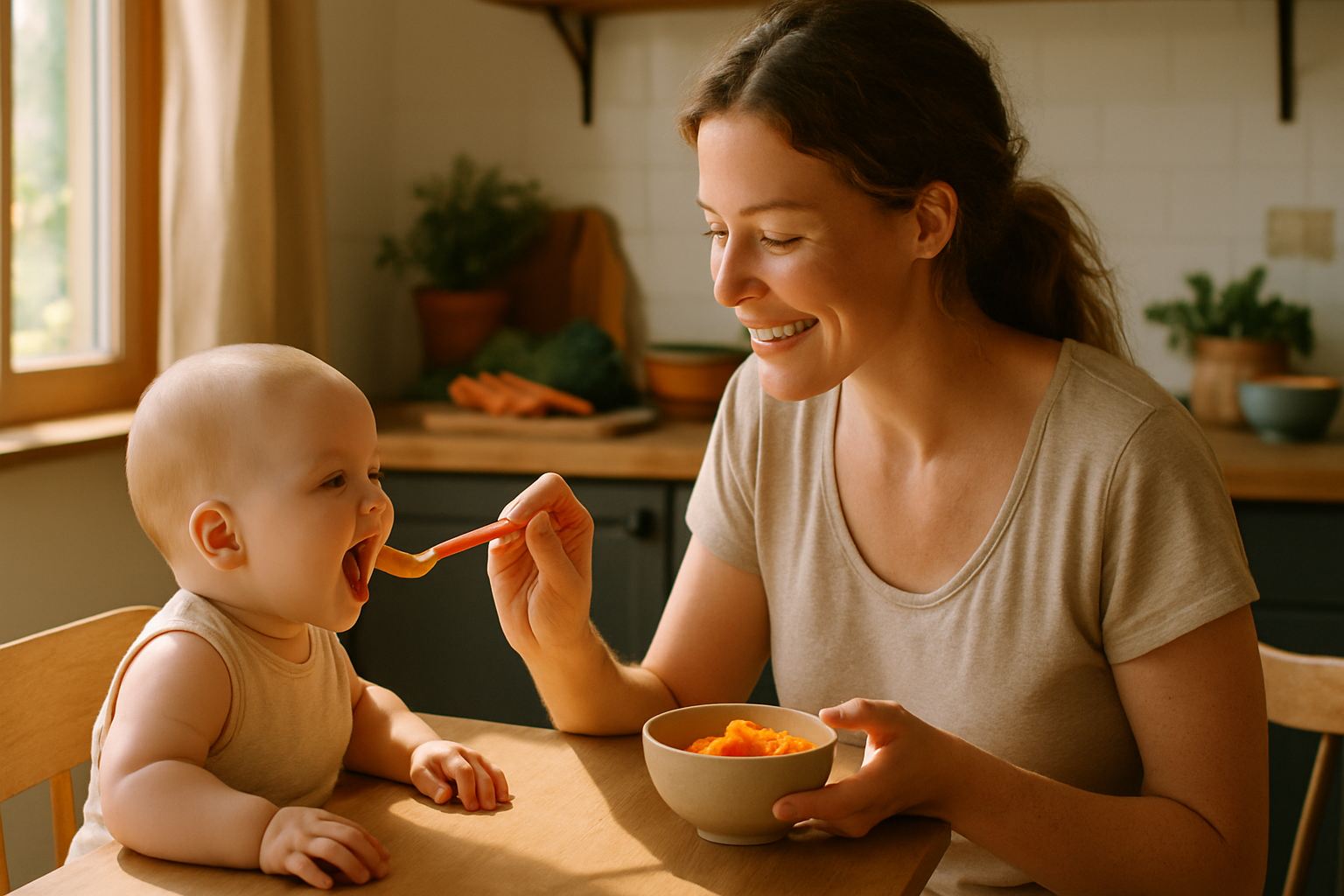
Embarking on the journey of feeding your little one is an exciting milestone. It often follows the initial stages of newborn care as your baby transitions to solids. Preparing homemade healthy baby recipes gives you absolute control over what goes into your baby’s growing body. Unlike store-bought jars, making your own baby food allows you to preserve the vibrant natural flavors and essential nutrients of fresh produce. It is also remarkably cost-effective and sets the stage for a lifetime of adventurous eating.
Many parents worry that cooking for a baby requires professional culinary skills or an overwhelming amount of time. In reality, whipping up a batch of nutritious meals can be as simple as steaming a sweet potato and blending it smooth. By choosing fresh, whole ingredients, you eliminate hidden sugars, excess sodium, and unnecessary preservatives found in some commercial products.
Throughout this ultimate guide, we will explore readiness signs, developmental stages, essential nutrients, easy-to-follow recipes, allergen introduction, and stress-free storage tips. Whether you are leaning toward traditional purees or baby-led weaning, you will find everything you need to nourish your baby with confidence.
Getting Started: When is Your Baby Ready for Solids?
Deciding when to introduce solid foods is a major milestone in your parenting journey, and our guide on starting baby’s first foods provides additional expert tips. According to the American Academy of Pediatrics (AAP), most babies are developmentally ready to start solid foods around 6 months of age. Every baby develops at their own unique pace, so looking for physical cues is far more important than watching the calendar.
Key signs of developmental readiness include the ability to sit up independently with minimal support, good head and neck control, and the disappearance of the tongue-thrust reflex, which causes babies to automatically push food out of their mouths. You might also notice your baby showing intense curiosity about what is on your plate, reaching for your food, or opening their mouth when food comes close.
When starting out, you can choose between traditional smooth purees and baby-led weaning (BLW), where babies feed themselves soft, graspable pieces of whole food. Both approaches are fantastic; many parents even use a combination of the two depending on the meal and their baby’s daily mood.
Key Nutrients Your Growing Baby Needs
During the first year of life, your baby experiences rapid physical and cognitive development. Homemade healthy baby recipes provide an incredible opportunity to pack every spoonful with vital nutrients. Iron is one of the most critical elements for brain development, making iron-rich foods like pureed lentils, well-cooked meats, and iron-fortified oatmeal essential additions to their diet.
Healthy fats are equally important for neurological and brain growth. Incorporating ingredients like mashed avocado, a drizzle of olive oil, or smooth nut butter thinned out with breast milk or formula provides rich caloric density for active little bodies. Brightly colored fruits and vegetables supply essential vitamins and antioxidants that support a strong immune system.
It is equally crucial to know what to avoid during the first year. Honey should never be given to infants under one year old due to the risk of infant botulism. Cow’s milk should not be served as a primary drink until after the first birthday, and you should always steer clear of added sugars, excessive sodium, and dangerous choking hazards like whole grapes, nuts, or popcorn. Awareness of these risks is a key part of baby safety.
Stage 1 Recipes (4–6 Months)
Stage 1 focuses on simple single-ingredient purees designed to introduce your baby to the concept of eating off a spoon. Keep the texture completely smooth and runny by mixing in breast milk, formula, or water. Introduce one new food at a time, waiting a few days before trying another to easily monitor for any potential food sensitivities.
Recipe: Silky Sweet Potato Puree
Prick a medium sweet potato with a fork and roast it at 400 degrees Fahrenheit until completely tender. Scoop out the flesh, discard the skin, and blend with a splash of breast milk or water until smooth and velvety.
Recipe: Creamy Avocado and Banana Mash
Mash half of a ripe avocado and half of a ripe banana together using a fork. The natural sweetness of the banana pairs wonderfully with the creamy, nutrient-dense avocado for a quick, no-cook meal.
Recipe: Simple Steamed Carrot Puree
Peel and chop two carrots into uniform rounds, then steam them until fork-tender. Transfer them to a blender and puree until ultra-smooth, adding small amounts of cooking water to achieve the desired consistency.
Stage 2 Recipes (7–9 Months)
As your baby masters swallowing and shows more enthusiasm at mealtime, you can transition toward Stage 2. This stage introduces thicker purees, combination flavors, and slightly chunkier textures. Introducing complex flavor profiles early helps expand their palate and reduces the likelihood of picky eating down the road.
Recipe: Apple, Spinach, and Oat Blend
Steam apple slices and a handful of fresh spinach until tender. Blend them together with a spoonful of cooked baby oatmeal for a nutrient-packed, naturally sweet meal that introduces greens gently.
Recipe: Zesty Pear and Squash Mash
Roast cubed butternut squash and ripe pears until soft and caramelized. Mash them together roughly with a fork to encourage your baby to experience new, slightly textured sensations in their mouth.
Recipe: Savory Chicken and Sweet Potato Puree
Blend cooked, skinless chicken breast with roasted sweet potatoes and a splash of low-sodium chicken broth. This savory dish delivers a fantastic dose of lean protein and complex carbohydrates.
Stage 3 & BLW Recipes (9–12 Months)
By 9 to 12 months, your baby is likely ready for finger foods, chunkier mashes, and self-feeding adventures. This stage is all about encouraging independence, fine motor skill development, and sharing modified versions of wholesome family meals, eventually transitioning to healthy snacks for kids.
Recipe: Healthy Banana Oat Mini Muffins (BLW Friendly)
Mix mashed bananas, rolled oats, an egg, and a dash of cinnamon. Bake in a mini muffin tin until firm and golden. These make wonderful, mess-free finger foods for self-feeding.
Recipe: Steamed Broccoli Florets with Mild Herb Dip
Steam broccoli florets until they are soft enough to be easily mashed between your fingers. Serve them alongside a mild dip made from plain whole-milk Greek yogurt and a pinch of garlic powder.
Recipe: Quick Lentil and Vegetable Mash
Simmer red lentils with diced carrots and zucchini in low-sodium vegetable broth until everything is completely soft. Mash lightly with a fork to create a hearty, protein-rich textured meal.
How and When to Introduce Common Allergens
Current medical guidelines recommend introducing common allergenic foods early in life, typically around the time solid foods begin (around 6 months). Early and repeated exposure to allergens such as peanuts, eggs, dairy, fish, and wheat can significantly reduce the risk of developing food allergies later in childhood.
Always introduce new allergens one at a time, preferably in the morning so you can monitor your baby for several hours afterward. A safe way to serve peanut butter, for instance, is to thin it out thoroughly with breast milk, formula, or warm water until it is runny, rather than serving it in sticky dollops that pose choking risks.
Watch closely for signs of an allergic reaction, which can include hives, swelling of the lips or face, vomiting, wheezing, or unusual fussiness. If you have a family history of severe food allergies, consult your pediatrician before introducing high-risk foods.
Storage, Freezing, and Meal Prep Hacks for Busy Parents
Meal prepping homemade healthy baby recipes is a game-changer for busy parents. Investing in the right storage gear saves you time and ensures your hard work stays fresh. High-quality glass jars and BPA-free silicone freezer trays with tight-fitting lids are absolute essentials in any baby kitchen, often ranking among the best baby products for new parents.
- Store freshly prepared purees in the refrigerator for up to 48 to 72 hours.
- Freeze leftover purees in silicone trays, then pop the frozen cubes into a labeled freezer bag for up to 3 months.
- Always thaw frozen portions overnight in the refrigerator rather than on the countertop.
- Ensure reheated food is cooled down thoroughly before serving it to your baby.
Empowering Your Baby’s Palate for Life
Navigating the messy, unpredictable world of homemade healthy baby recipes is a deeply rewarding experience. Preparing nourishing meals with your own hands lays a wonderful nutritional foundation and teaches your child to love wholesome, real food. Celebrate every small victory, embrace the mess on the floor, and use positive parenting techniques to enjoy watching your little one discover the joy of eating.
We would love to hear about your culinary adventures! Share your favorite homemade healthy baby recipe in the comments below or download our free printable baby meal planner to kickstart your weekly prep routine.


