

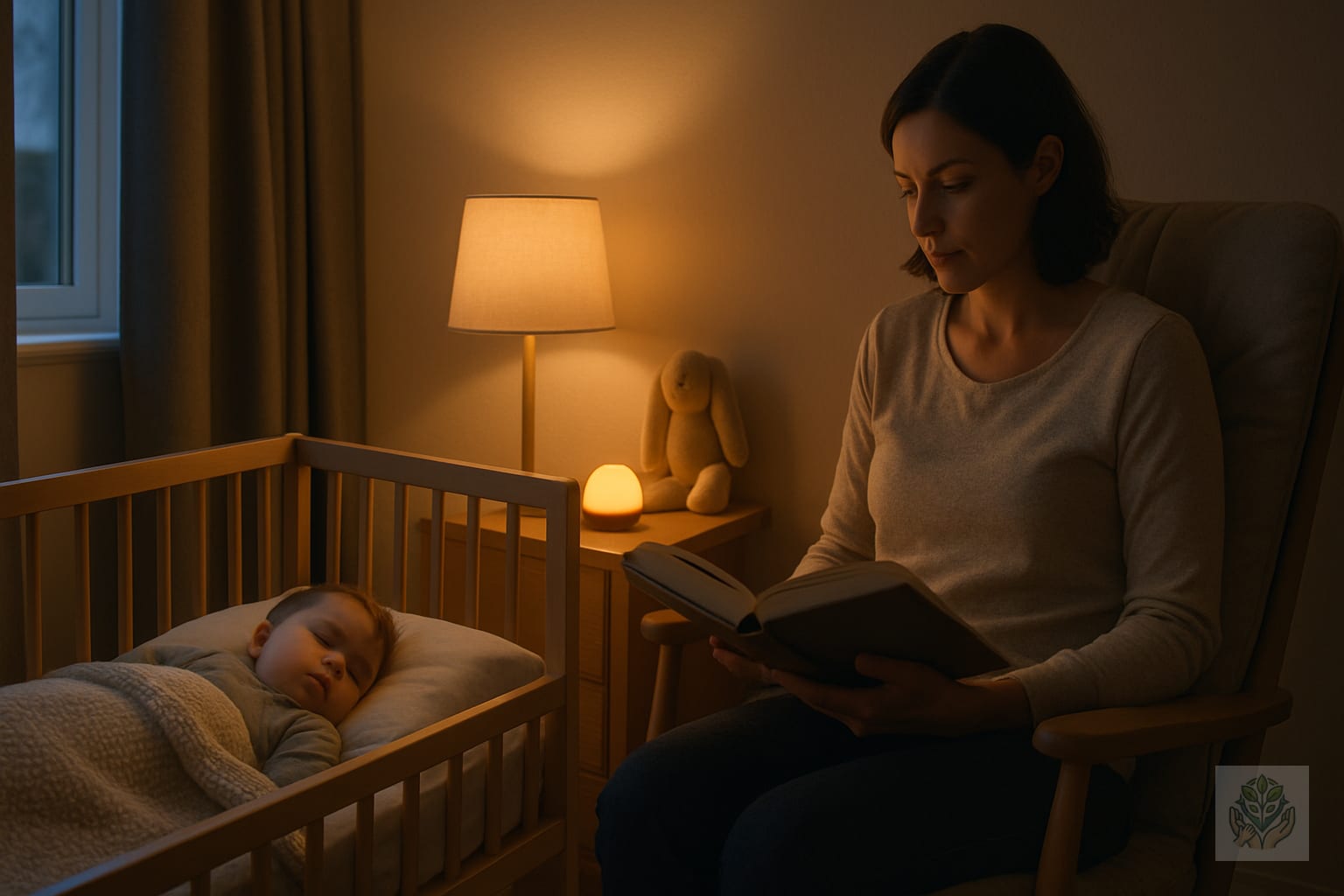
How Much Sleep Do Children Need by Age? The Ultimate Guide for Parents
As parents, we often focus on nutrition, education, and physical activity to support our children’s development. However, one of the most critical pillars of health is frequently overlooked: rest. Understanding how much sleep children need by age is not just about keeping the house quiet in the evening; it is a vital component of physical growth, cognitive function, and emotional regulation.
If you have ever found yourself staring at the clock, wondering if your toddler or teenager is getting enough shut-eye, you are not alone. Sleep needs change drastically as children grow, and keeping up with these transitions can feel like a moving target. In this guide, we explore the science of sleep and provide you with actionable strategies to ensure your family gets the rest they deserve.
Why Sleep is Non-Negotiable for Growing Kids
Sleep is when the magic happens. While your child is dreaming, their body is busy releasing growth hormones, repairing tissues, and consolidating everything they learned throughout the day. When children do not get the recommended amount of sleep, it impacts more than just their mood; it affects their ability to focus at school, their immune system strength, and their long-term health outcomes.
Consistent sleep quality is the foundation upon which all other development rests. By prioritizing sleep, you are investing in your child’s success and well-being for years to come. Establishing a daily routine for kids by age is one of the best ways to ensure these consistency goals are met.
The Recommended Hours of Sleep by Age: Quick Reference Chart
The National Sleep Foundation and the American Academy of Pediatrics provide general guidelines that serve as an excellent starting point for parents. While every child is unique, these ranges offer a helpful benchmark for planning your family’s schedule.
| Age Group | Recommended Sleep Duration |
|---|---|
| Newborns (0-3 months) | 14-17 hours |
| Infants (4-11 months) | 12-15 hours |
| Toddlers (1-2 years) | 11-14 hours |
| Preschoolers (3-5 years) | 10-13 hours |
| School-Age Children (6-13 years) | 9-11 hours |
| Teenagers (14-17 years) | 8-10 hours |
Breaking Down Sleep Needs by Developmental Stage
Sleep requirements are dictated by the rapid pace of development occurring at each stage of life. During infancy, the primary goal is physical growth and brain maturation. As children transition into school age, they face increased cognitive demands, necessitating deep sleep to process complex information and regulate emotions.
Teenagers (14–17 years)
Teenagers are a unique demographic because their circadian rhythms naturally shift. They tend to feel alert later at night and struggle to wake up early for school. Despite this biological shift, they still require 8 to 10 hours of sleep to manage the intense academic, social, and physical changes of adolescence. Encouraging a consistent wake-up time, even on weekends, can help regulate their internal clocks and prevent the common trap of social jetlag. For those struggling to manage morning responsibilities, check out our tips on how to help kids follow a morning schedule.
Signs Your Child Isn’t Getting Enough Sleep
Identifying sleep deprivation is not always as obvious as seeing a child fall asleep at the dinner table. Often, the signs are more subtle. If you suspect your child is struggling, look for these common indicators:
- Frequent irritability or emotional outbursts
- Difficulty concentrating on homework or school tasks
- Daytime sleepiness or hyperactive behavior
- A reliance on screens or sugar to stay awake
- Increased clumsiness or physical accidents
The Impact of Sleep Deprivation on Child Development
When a child is consistently sleep-deprived, the consequences ripple through their entire life. Chronic fatigue can impair the brain’s executive functioning, making it difficult for children to manage impulses, follow directions, and navigate social relationships. Over time, this can lead to behavioral issues and anxiety, which you can read more about in our guide to managing everyday behavior challenges in kids.
Physical Health and Immunity
Sleep is a powerful boost for the immune system. During rest, the body produces cytokines, which are proteins that help the immune system fight off infections and inflammation. Children who do not sleep enough are often more susceptible to the common cold and other illnesses. Furthermore, studies have consistently shown a link between poor sleep habits and metabolic issues, such as a higher risk of childhood obesity, as the body struggles to regulate hunger hormones like ghrelin and leptin.
Practical Tips for Establishing a Healthy Bedtime Routine
Consistency is your greatest tool. A predictable bedtime routine signals to your child’s brain that it is time to wind down. Aim for a sequence that lasts 30 to 45 minutes and remains the same every single night.
- Consistent Timing: Set a bedtime and a wake time that remains consistent seven days a week.
- Digital Detox: Turn off all tablets, televisions, and smartphones at least one hour before bed to limit blue light exposure. You can learn more about this in our article on how parents can manage screen time at home.
- Relaxing Activities: Incorporate calming habits like reading a book, taking a warm bath, or practicing gentle stretches.
- Low Stimulation: Keep the lights dim and the noise level low in the hour leading up to sleep.
Optimizing the Bedroom Environment
The bedroom should be a sanctuary for rest. Ensure the room is dark, cool, and quiet. Consider using blackout curtains to keep morning sunlight out or a white noise machine to mask external sounds. If your child is fearful of the dark, a soft, warm-toned nightlight is acceptable, but avoid bright or blue-toned lights which can inhibit melatonin production. For younger children, you might consider calm and cozy nursery decor ideas to create a soothing space.
Common Sleep Challenges and How to Handle Them
Even with the perfect routine, challenges arise. Developmental leaps, stress, and growth spurts can all cause temporary sleep regressions. The most important thing is to maintain your boundaries while remaining supportive. If these challenges persist, you might find our strategies on how to help a child who fights bedtime very useful.
Nightmares and Night Terrors
It is important to distinguish between nightmares and night terrors. Nightmares usually occur during the second half of the night and involve a child waking up scared and able to recall the dream. Comforting them is key. Night terrors, however, usually happen in the first few hours of sleep; the child may scream or thrash but remain partially asleep. In the case of night terrors, it is often best to ensure their safety without trying to wake them, as they will typically drift back into deep sleep on their own.
When to Talk to Your Pediatrician About Sleep
While minor disruptions are a normal part of parenting, certain issues warrant a professional conversation. If you notice your child snoring heavily, gasping for air, or seeming unusually tired despite getting enough hours in bed, consult your pediatrician. These can sometimes be signs of sleep-disordered breathing or other medical conditions that require intervention. If you are unsure when to escalate concerns, our guide on how to tell when a child’s symptoms are getting worse provides helpful red flags to watch for.
Conclusion: Consistency is Key
Understanding how much sleep children need by age is a journey that evolves as your child grows. By prioritizing a calm environment, maintaining a steady routine, and staying attentive to your child’s specific needs, you are providing them with the essential tools for a healthy, happy life. Start small, be patient with the process, and remember that consistent habits today will pay off in a well-rested, thriving child tomorrow.
Frequently Asked Questions (FAQs)
- Should I let my child nap if they missed sleep last night? A short nap can help recover lost sleep, but keep it brief and scheduled for early in the day so it does not interfere with their nighttime sleep.
- Are screen time restrictions really necessary? Yes. Blue light suppresses melatonin, the hormone that helps the body fall asleep, making it much harder to transition into rest.
- How do I handle a child who refuses to go to bed? Focus on a structured, soothing routine. If they continue to struggle, talk to them during the day about why sleep is important, rather than debating at bedtime.
Frequently Asked Questions
How many hours of sleep do newborns need?
Newborns aged 0 to 3 months generally require between 14 and 17 hours of sleep each day, distributed across multiple naps.
How much sleep do toddlers need?
Toddlers between the ages of 1 and 2 years old need about 11 to 14 hours of sleep every 24 hours, including naps.
Why do teenagers need more sleep than adults?
Teenagers undergo rapid physical, emotional, and cognitive development, and their circadian rhythms naturally shift, requiring 8 to 10 hours of rest.
Should I let my child nap if they missed sleep last night?
A short nap can help recover lost sleep, but keep it brief and scheduled for early in the day so it does not interfere with nighttime sleep.
Are screen time restrictions really necessary before bed?
Yes, screen restrictions are vital because blue light suppresses melatonin, the hormone that helps the body naturally fall asleep.
When should I consult a pediatrician about my child’s sleep?
Consult your pediatrician if you notice heavy snoring, gasping for air during sleep, or if your child remains unusually tired despite getting enough hours in bed.


