

How to Build a Home Library for Young Children: A Curated Guide
Creating a dedicated space for books in your home is one of the most powerful gifts you can offer your child. When you learn how to build a home library for young children, you are not just gathering physical objects; you are cultivating a sanctuary for imagination and cognitive development. Early literacy is the bedrock of future academic and emotional success, and having books within arm’s reach makes reading a natural part of everyday life.
Building a collection does not require a massive budget or a dedicated room. It is about prioritizing quality over quantity and creating an environment where stories become a cherished ritual. Whether you are starting with a small basket in the corner or a sprawling set of shelves, the goal is to ignite a lifelong love of reading.
Phase 1: Curating Your Collection
Choosing the right books is the first step in creating a space that captivates your little one. Start by selecting age-appropriate books that match your child’s developmental stage. For babies, look for sturdy board books with high-contrast images. As they grow, move into picture books with rich narratives and eventually transition to early readers as they begin to decode words. You can also explore our guide on choosing the best picture books for more inspiration.
Diversity is essential in your home library. Ensure your collection includes a wide variety of characters, cultures, and family structures. By exposing children to stories that mirror their own lives and stories that introduce them to the experiences of others, you build both empathy and self-confidence. Balance timeless classics like The Very Hungry Caterpillar or Goodnight Moon with contemporary titles that reflect modern life.
Don’t forget the interactive element. Lift-the-flap books, sensory stories, and touch-and-feel books are excellent for keeping toddlers engaged. These tactile experiences bridge the gap between playing and reading, ensuring that your child associates books with joy and discovery.
Phase 2: Budget-Friendly Strategies
Many parents worry about the cost of building a library, but you do not need to buy everything new. Leveraging local library book sales is a fantastic way to acquire high-quality titles for pennies on the dollar. Thrift stores and second-hand shops are also goldmines for hidden gems.
Online marketplaces and local community swap groups can help you source popular series without breaking the bank. When buying used, always check for safety and condition. Ensure books have no loose pages that could be choking hazards and check for any torn flaps. If you find a great book that is a bit worn, a strip of clear archival tape can work wonders.
Finally, create a wishlist to share with friends and family during birthdays or holidays. When people ask what to get your child, a book request is almost always welcomed and helps you build a curated library that serves your child for years to come.
Phase 3: Creating a Reading-Friendly Environment
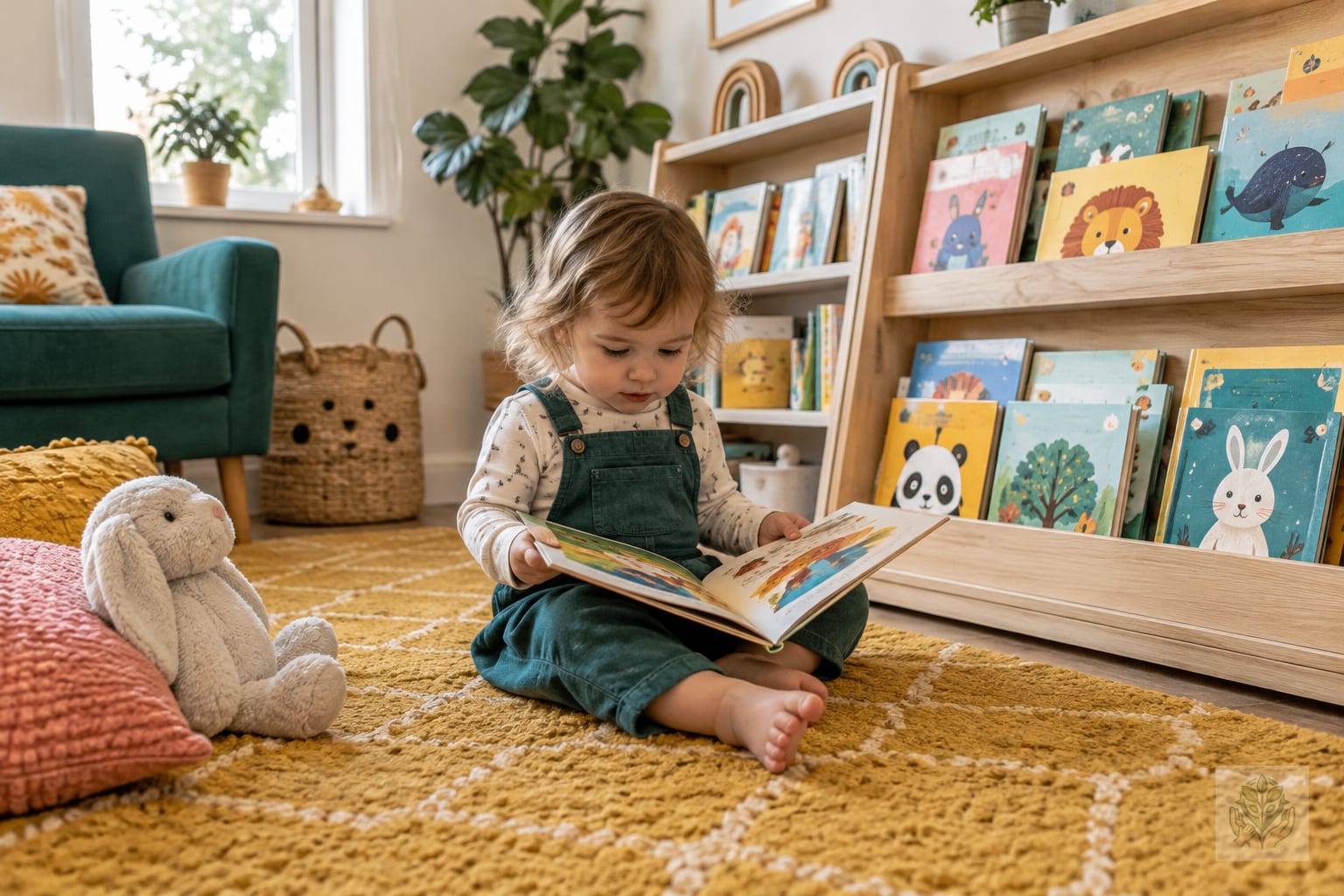
The physical setup of your library matters just as much as the books themselves. If you want to know how to build a home library for young children that actually gets used, start by making books accessible. Front-facing shelves are significantly more engaging than traditional bookshelves where only the spine is visible. Seeing the vibrant cover art acts as a visual invitation for a child to pick up a book.
Choose a location that works for your family. A cozy corner in the bedroom is perfect for winding down at night, while a bookshelf in the living room keeps stories central to your family’s daily life. Add comfort essentials like soft rugs, plush beanbags, and good lighting to make the space inviting. As always, prioritize safety by anchoring all bookshelves to the wall to prevent accidents.
Phase 4: Organizing and Maintaining Your Library
Organization helps keep the love of reading alive. For younger children, consider organizing by color or by theme—such as space, animals, or trucks—to help them learn how to navigate their own collection. This independence fosters a sense of ownership over their books. If you need help managing space, check out these genius shelf organization ideas for children’s rooms, or learn how to organize baby books in a small nursery if you are working with tight quarters.
Implement a rotation strategy to keep things fresh. If your child seems to lose interest in their current selection, pack away half of the books and store them in a closet, rotating them back in every few months. This makes old favorites feel like new discoveries again.
Lastly, teach your children how to care for their books. Keep a small repair kit with clear tape and glue ready for those inevitable tears. Treating books with care teaches responsibility and shows that these items are valuable family treasures.
Phase 5: Fostering a Love of Reading
The most important element of any home library is the time spent within it. Establish a consistent daily reading ritual, such as a bedtime story or a quiet period after lunch. When children see their parents reading their own books, they begin to model that behavior, viewing reading as a pleasurable hobby rather than a chore.
Engage with the stories by asking open-ended questions. Instead of just reading the text, ask your child, What do you think happens next? or Why do you think that character made that choice? This interaction deepens their comprehension and makes the reading experience a shared, bonding activity.
Conclusion
Learning how to build a home library for young children is an investment in their future. While the number of books on your shelf might grow over time, the real value lies in the connection you foster through shared stories and quiet moments together. Stay consistent, keep it fun, and remember that even five minutes of reading per day can make a world of difference.
What was your favorite childhood book? Share it in the comments below and let’s inspire each other to keep our home libraries growing. For more inspiration on building your collection, take a look at our curated list of essential books for a preschool learning library.
Frequently Asked Questions
What is the best way to choose books for a toddler’s library?
Start with sturdy board books for babies and transition to picture books with rich narratives as they grow. Include a diverse mix of characters, cultures, and interactive touch-and-feel options to keep them engaged.
How can I build a children’s library on a budget?
You can acquire affordable books by shopping at local library book sales, thrift stores, second-hand shops, and community swap groups. Additionally, create a book wishlist for birthdays and holidays.
Where should I set up a home library for young children?
Choose an accessible spot like a cozy corner in the child’s bedroom for bedtime stories or a shelf in the living room. Ensure shelves are low and anchored securely to the wall for safety.
Why are front-facing bookshelves better for kids?
Front-facing bookshelves display the vibrant cover art, which acts as a visual invitation for young children to pick up and choose their own books compared to traditional spines.
How do I keep my child interested in the same books?
Implement a book rotation strategy. Store half of the books away in a closet and swap them back in every few months so older favorites feel like new discoveries.
How can I encourage my child to read every day?
Establish a consistent daily reading ritual, such as a bedtime story or a quiet period after lunch. Engaging with stories by asking open-ended questions also deepens their comprehension.


