

How to Choose Flexible Shoes for Young Children: A Parent’s Guide to Healthy Feet
As parents, we want to provide our children with the best foundation for their future. From the moment they take their very first wobbly steps, we are often eager to find the perfect pair of shoes. However, choosing the right footwear is about more than just style; it is a critical component of healthy physical development. Understanding how to choose flexible shoes for young children can make a lifelong difference in their balance, posture, and foot health.
Why Foot Development Matters in Early Childhood
A child’s foot is not just a smaller version of an adult foot. It is mostly made of soft, pliable cartilage that will eventually ossify into bone as they grow into adolescence. Because these structures are so malleable, the shoes a child wears can significantly influence the shape and alignment of their feet. Developing feet need room to grow and the freedom to move naturally, rather than being confined by stiff materials.
The Role of Flexible Soles in Natural Gait Development
When children learn to walk, they rely on sensory feedback from the soles of their feet to understand the ground beneath them. A flexible, thin sole allows a child to feel the texture of the floor, which helps them build the neural pathways necessary for balance and coordination. By choosing footwear that mimics barefoot movement, you are supporting the natural development of your child’s gait.
Why Flexibility is King: The Science of Toddler Feet
Understanding the anatomy of a growing foot explains why rigid shoes are often detrimental. Because children’s feet are composed largely of cartilage, they are highly susceptible to compression. If a shoe is too stiff, it forces the foot into a shape defined by the sole rather than allowing the foot to develop its own natural architecture.
How Barefoot Movement Promotes Balance and Strength
Barefoot movement is the gold standard for developing feet. It engages the intrinsic muscles of the foot, which are responsible for stability and arch support. When a child walks barefoot, they instinctively adjust their weight to stay balanced. Flexible shoes allow this same engagement, helping them build the strength necessary to walk with confidence. You can also explore indoor activities that build gross motor skills to further support their physical confidence.
The Dangers of Overly Rigid or Heavy Soles
Heavy, clunky shoes can cause a child to trip, as they change the mechanics of how the foot strikes the ground. Furthermore, overly rigid soles act like a splint, preventing the foot from flexing during the gait cycle. This can lead to weakened muscles and potentially long-term alignment issues. For more options on finding the right fit, refer to our guide on essential features of comfortable children’s shoes.
The 3-Point Checklist: How to Test Shoe Flexibility
Before you commit to a purchase, perform these three simple tests to ensure the shoe will support your child’s needs.
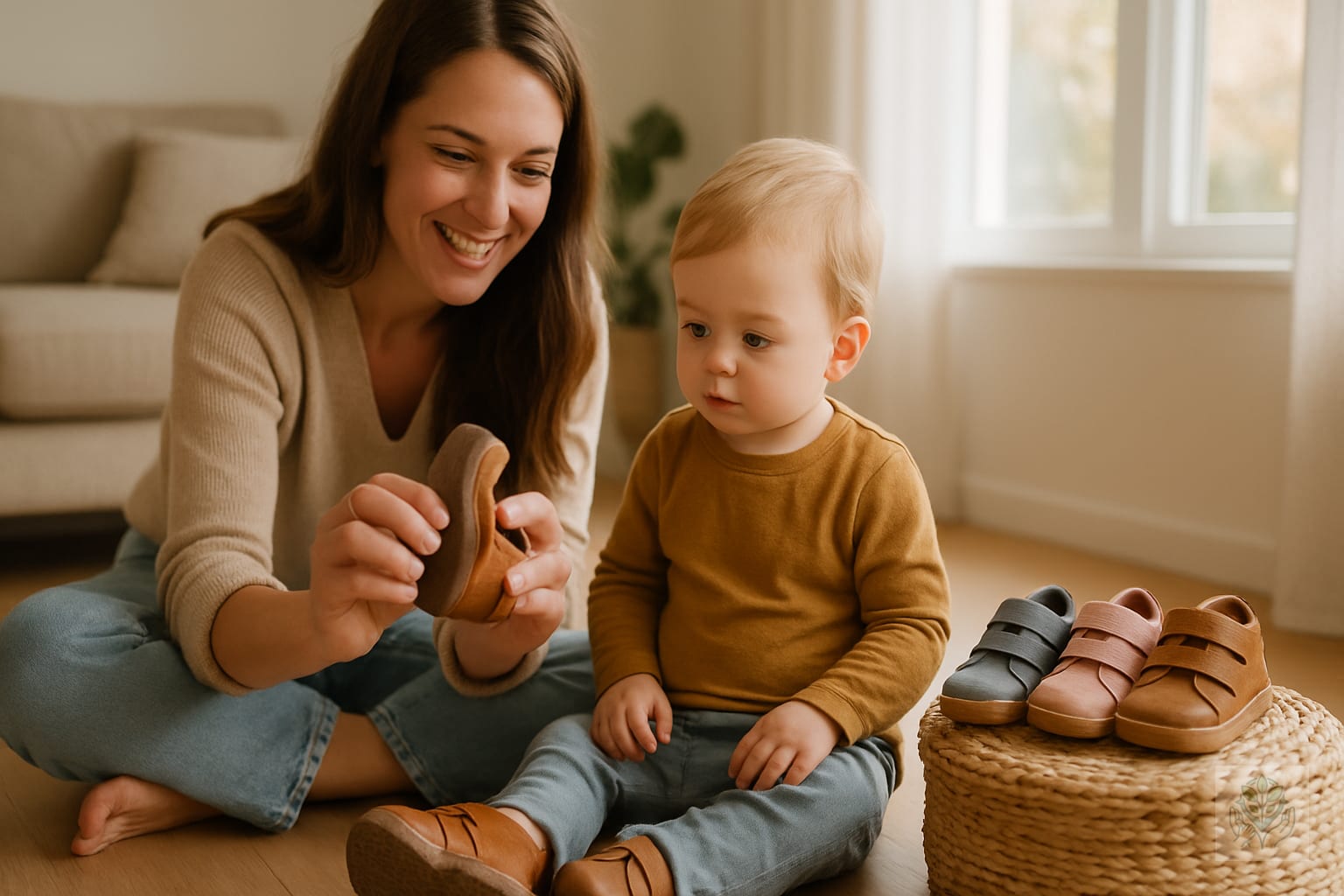
- The Bend Test: Hold the shoe at both ends and try to fold it in half. A high-quality flexible shoe should bend easily at the ball of the foot, not the middle of the arch.
- The Twist Test: Hold the heel and the toe and gently twist. The shoe should offer minimal torsional resistance, allowing for natural side-to-side movement.
- The Weight Test: Pick up the shoe. It should feel lightweight, almost like it is barely there. If the shoe feels heavy or clunky in your hand, it will likely tire out your toddler’s legs. If you need more advice on this, check out our guide on how to choose lightweight shoes for toddlers.
Key Features of High-Quality Flexible Shoes
Beyond flexibility, there are several design features that categorize a shoe as healthy for a young child.
Wide Toe Box
Look for a rounded, wide toe box. This gives the toes room to splay out naturally, which is essential for balance. If the shoe tapers at the front, it can crowd the toes and cause discomfort or long-term deformities.
Zero-Drop Soles
A zero-drop sole is completely flat, meaning there is no elevation in the heel compared to the toe. This keeps the child’s body in natural alignment and prevents the hips and spine from being tilted forward.
Breathable Materials
Children have active sweat glands in their feet. Choose natural, breathable materials like soft leather, canvas, or mesh to prevent moisture buildup and keep feet healthy.
Secure Fastenings
Velcro straps are often superior for toddlers because they provide a secure fit that stays on during play while fostering independence. Laces are fine, but ensure they are not overtightened.
Common Mistakes to Avoid When Buying Toddler Shoes
Many parents fall into common traps when shoe shopping. Avoiding these errors will help you save money and protect your child’s feet.
- Buying for Growth Room: While it is tempting to buy shoes with too much room to last longer, this causes the child to trip. A thumb’s width of space—roughly 1/2 inch—is the ideal rule for growth room.
- Relying on Hand-Me-Downs: Every child has a unique foot shape. A used shoe has already been molded to the previous owner’s gait, which may encourage your child to adopt poor walking habits.
- Prioritizing Aesthetics: If the shoe is cute but rigid, skip it. Always put function and flexibility first.
How to Properly Measure Your Child’s Feet at Home
Feet grow rapidly, and you should measure your child’s feet every two to three months. To do this, place a piece of paper against a wall and have your child stand on it with their heel touching the wall. Mark the longest point of their toe, then measure with a ruler. Always measure in the afternoon, as feet naturally swell slightly throughout the day. Using the largest foot measurement, add your 1/2 inch of growth room to find the correct size. To keep track of your child’s overall development, refer to our daily routine guide for kids by age.
When to Replace Toddler Shoes
Beyond the bi-monthly growth checks, keep an eye on the shoes themselves. If the tread is worn down, the sole has lost its flexibility, or the interior lining is fraying, it is time for an upgrade. Additionally, watch your child—if they are tripping more frequently than usual, their shoes may no longer be providing the support they need.
Conclusion
Knowing how to choose flexible shoes for young children empowers you to support their development every step of the way. By prioritizing a wide toe box, flat soles, and lightweight materials, you ensure your child has the comfort and stability they need to explore the world. Remember, whenever it is safe, let them go barefoot! It is the ultimate way to build strong, healthy feet for life. For more tips on keeping your little one active, see our 20 easy exercise activities for toddlers at home.
Frequently Asked Questions
Why are flexible shoes important for young children?
Flexible shoes allow children’s developing feet to move naturally, promoting better balance, coordination, and strength while preventing restrictions on pliable cartilage bones.
What is the bend test for toddler shoes?
The bend test involves holding both ends of the shoe and trying to fold it in half. A good shoe should bend easily at the ball of the foot, not the middle of the arch.
What is a zero-drop sole?
A zero-drop sole is completely flat, meaning there is no elevation in the heel compared to the toe. This keeps the child’s body in natural alignment.
How much growing room should toddler shoes have?
Toddler shoes should have about a thumb’s width of space, roughly half an inch, to allow for growth without causing the child to trip.
How often should I measure my child’s feet?
You should measure your child’s feet every two to three months because children’s feet grow very rapidly during early childhood.
Are hand-me-down shoes safe for toddlers?
It is generally best to avoid hand-me-down shoes because they have already molded to the previous owner’s gait, which can encourage poor walking habits.


