

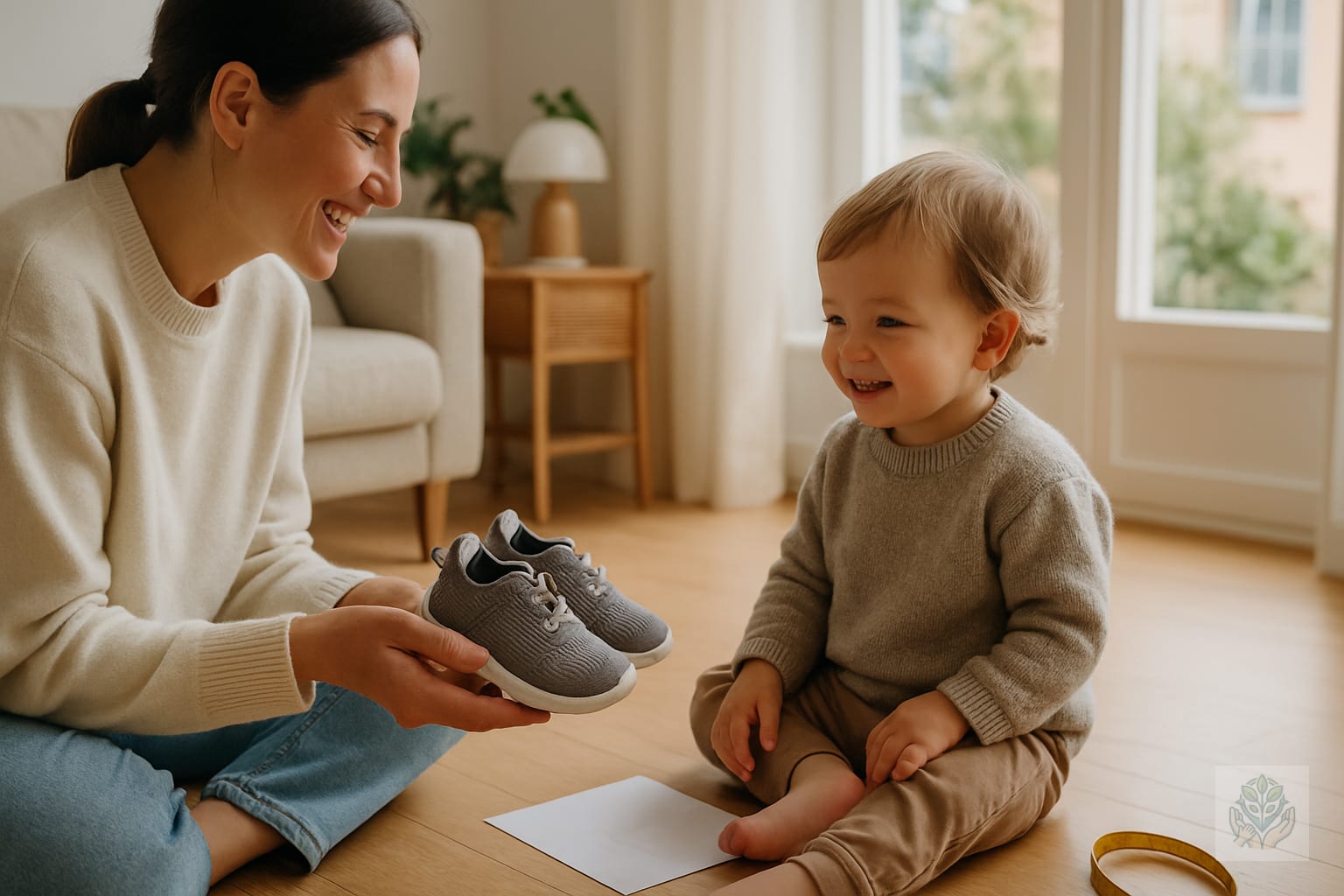
How to Choose Lightweight Shoes for Toddlers: The Ultimate Parent’s Guide
Watching your little one take their first wobbly steps is a milestone you never forget. As they transition from crawling explorers to active runners, every detail of their daily routine matters—especially what you put on their feet. Finding the right pair of shoes can feel overwhelming with so many options on the market. However, pediatricians and child development specialists consistently point to one major factor: lightweight shoes for toddlers make all the difference in healthy growth and joyful movement.
Proper footwear supports natural foot development, protects delicate skin from rough surfaces, and gives little ones the confidence to explore their world. When shoes are heavy or stiff, they act like miniature weights on tiny legs, altering a child’s natural stride. This comprehensive guide will cover everything you need to know about selecting the best lightweight footwear, ranging from how to select comfortable footwear for kids to measuring feet at home and evaluating flexible soles and breathable materials.
Why Toddlers Need Lightweight Shoes
A toddler’s foot is not just a miniature adult foot. It is mostly soft cartilage that will eventually harden into bone over several years. Because their bones, ligaments, and muscles are still forming, experts heavily advocate for barefoot-style benefits whenever possible. When going barefoot isn’t practical—such as on hot pavement or at the public park—lightweight shoes for toddlers act as the next best alternative.
New walkers burn a significant amount of energy with every step. Heavy, rigid shoes cause muscle fatigue quickly, leading to unnecessary trips, stumbles, and falls. By choosing ultra-lightweight footwear, you reduce the physical burden on your child’s legs, allowing them to run, jump, and balance with ease. You can support this physical development further with 15 easy movement activities for kids at home to help burn excess energy.
Furthermore, lightweight shoes enhance sensory feedback. When the soles are thin and flexible, sensory receptors in the bottom of your toddler’s feet send crucial signals to the brain. This feedback loop improves overall balance, spatial awareness, and neuromuscular coordination.
Key Features to Look for in Lightweight Toddler Shoes
Shopping for children’s footwear requires looking past adorable designs and focusing strictly on functional anatomy. When evaluating potential pairs, keep these essential features in mind:
- Flexible soles: You should be able to bend the shoe effortlessly in half and twist it with minimal resistance.
- Breathable materials: Mesh, canvas, and soft leather prevent sweaty feet and reduce bacterial growth.
- Wide toe box: A natural, fan-shaped toe box allows little toes to wiggle and splay out naturally.
- Secure closures: Adjustable velcro or elastic laces keep the foot locked in place without restricting circulation.
- Flat soles: Avoid any shoes with elevated heels or cushioned arches, as flat soles promote natural posture.
Materials Compared: What Makes a Shoe Truly Lightweight?
Not all shoes marketed as flexible actually deliver on weight. The materials used in both the upper construction and the sole dictate just how heavy the final product will be.
Mesh and knit uppers are currently the gold standard for breathability and minimal weight. They hug the foot like a sock while allowing maximum airflow. For soles, EVA foam provides incredible cushioning and flexibility while weighing next to nothing compared to dense, heavy rubber.
Traditional leather and suede have pros and cons. While durable and naturally moldable, thick leather can sometimes add unwanted weight and stiffness unless it is specifically treated for early walkers. Always inspect the shoe by lifting it with a single finger; if it feels heavy to you, it will feel twice as heavy to your toddler.
How to Measure Your Toddler’s Feet at Home
Toddler feet grow at an astonishing rate, sometimes jumping a full size every few months. Buying shoes without measuring often leads to poor fits. Follow this simple step-by-step guide to measure accurately at home:
- Tape a piece of plain white paper to a hard floor, ensuring it does not slide.
- Have your toddler stand firmly on the paper with their weight evenly distributed.
- Mark the tip of their longest toe and the back of their heel with a pen or pencil.
- Use a ruler to measure the distance in inches or centimeters between the two marks.
- Add a half-inch to three-quarters of an inch for growing room.
Always measure your toddler’s feet in the afternoon, as feet naturally swell slightly throughout the day. Additionally, check both length and width to ensure the shoe does not pinch the sides of their feet.
Common Mistakes to Avoid When Buying Toddler Shoes
Even well-meaning parents can fall into common footwear traps. Avoiding these mistakes will protect your child’s developing feet and save you money:
- Buying shoes that are too big: Sizing up excessively so they “grow into them” causes toddlers to trip and alters their natural gait.
- Choosing rigid ankle support: High-top, stiff boots restrict natural ankle movement and weaken the lower leg muscles.
- Hand-me-downs with worn soles: Pre-owned shoes mold to the previous child’s foot shape and often feature uneven tread wear.
- Prioritizing style over function: Stiff fashion boots and heavy canvas slip-ons often sacrifice comfort for aesthetics.
Top Types of Lightweight Shoes for Different Occasions
Different activities require different styles of footwear. Having a versatile rotation ensures your toddler stays comfortable no matter where the day takes you.
Everyday sneakers made with flexible mesh and EVA soles are ideal for playground trips and active play. For warm summer months, look for lightweight water shoes and sandals with secure strap systems that protect sensitive toes without trapping heat. You can also explore best outdoor toys for active toddlers to keep them engaged during park visits.
Indoor settings and daycare classrooms call for soft-soled slippers or lightweight canvas shoes that offer slip resistance while maintaining a barefoot feel.
Conclusion
Choosing the right footwear is a wonderful way to support your child’s physical milestones. By prioritizing flexibility, breathability, and minimal weight, you give your little explorer the freedom to move naturally and comfortably. Always measure frequently, look for quality materials, and remember that comfort always trumps current fashion trends. For more ideas on supporting your child’s physical development, check out 10 outdoor activities to boost toddler development naturally.
What is your go-to brand for footwear? Share your favorite lightweight shoes for toddlers in the comments below to help fellow parents in our community!
Frequently Asked Questions
How often should I check my toddler’s shoe size?
Because toddler feet grow in rapid spurts, you should check their shoe size every two to three months. Inspect their fit and check the thumb-width space at the top of the toe box at the start of every season.
Are soft-sole shoes better than lightweight sneakers?
Soft-sole shoes are fantastic for infants and new indoor walkers. However, active toddlers running outdoors need lightweight sneakers with flexible outsoles to protect their feet from debris and rough pavement.
Can toddlers wear slip-on shoes?
Slip-on shoes can be convenient, but many styles lack adjustable closures. If a shoe is too loose, your toddler will grip the sole with their toes to keep it on, causing foot fatigue.
How do I clean lightweight mesh toddler shoes?
Remove the insoles, gently scrub the upper with mild soap and a soft brush, and rinse with cool water. Always air dry them naturally rather than using a hot clothes dryer.
Why are heavy shoes bad for toddlers?
Heavy shoes act like miniature weights on tiny legs, causing muscle fatigue, stumbles, and falls. Lightweight shoes allow children to run, jump, and balance with natural ease.
How much growing room should I leave in toddler shoes?
When measuring your toddler’s feet at home, you should add a half-inch to three-quarters of an inch of growing room to ensure a comfortable fit without causing tripping.


