

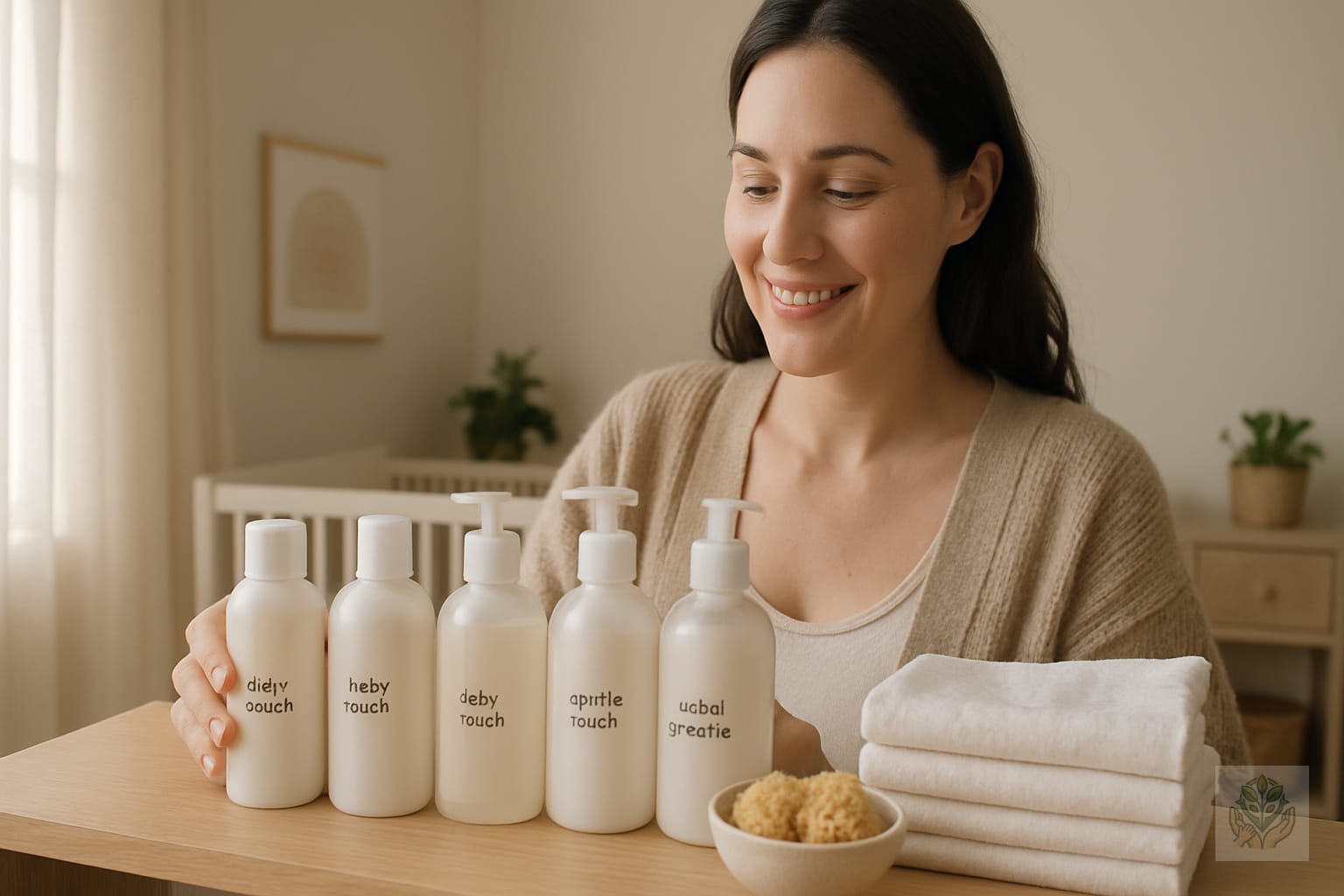
How to Choose Safe Skin Care Products for Babies: The Ultimate Parent’s Guide
Walking down the baby care aisle can feel completely overwhelming for new parents. Colorful bottles scream with promises of being natural, organic, and ultra-gentle, leaving you wondering which items are genuinely safe for your little one. Because infant skin requires specialized protection, learning how to choose safe skin care products for babies is one of the most important steps you can take during your parenting journey.
Whether you are preparing a nursery for an upcoming arrival or troubleshooting a mysterious rash on a three-month-old, navigating infant toiletries demands a careful eye. Marketing buzzwords often mask harsh chemical realities, making it essential to look past the front packaging. This guide will walk you through the science of infant skin, harmful ingredients to dodge, and how to decode labels like a professional.
What Makes Baby Skin Different?
To understand why you cannot simply use adult lotions and washes on an infant, you need to look at skin biology. The unique anatomy of baby skin means it is significantly thinner, more permeable, and still developing its moisture barrier. In fact, infant skin is roughly thirty percent thinner than adult skin, which means topical products absorb much more rapidly into their tiny bodies.
Furthermore, babies lose moisture at a much faster rate than adults do, leaving them prone to dry, chapped patches. Their skin is also less acidic at birth, resting closer to a neutral pH balance. This higher pH makes it much easier for harmful bacteria and environmental allergens to penetrate the skin surface. Common skin issues in the first year, such as diaper rashes, cradle cap, baby acne, and mild eczema, all require gentle, targeted care to heal without causing further irritation.
Toxic Ingredients in Baby Products to Avoid
When you are learning how to choose safe skin care products for babies, your first line of defense is knowing what to leave on the shelf. Many conventional formulations contain synthetic additives that can disrupt a baby’s developing endocrine system or trigger allergic contact dermatitis.
Here are the primary ingredients you should actively avoid:
- Artificial fragrances and parabens: Often listed simply as fragrance or parfum, these complex chemical mixtures are common hormone disruptors and primary allergens. Parabens act as preservatives and mimic estrogen in the body.
- Sulfates (SLS and SLES): Ingredients like sodium lauryl sulfate create a rich lather, but they strip away natural protective oils, leaving skin red, dry, and irritated.
- Phthalates and formaldehyde-releasers: Hidden chemicals frequently found in baby washes, shampoos, and lotions that help scents linger or act as preservatives.
- Essential oils: While marketed as natural, potent essential oils like tea tree, eucalyptus, or lavender can cause severe skin sensitization and allergic reactions in newborns.
Best Baby Skincare Ingredients for Healthy Skin
Instead of harsh synthetics, look for formulations built around nourishing, biocompatible ingredients that support the skin barrier. The best baby skincare ingredients work harmoniously with infant physiology to lock in moisture and soothe inflammation.
Keep an eye out for these beneficial components:
- Natural moisturizers: Colloidal oatmeal calms itchy, irritated skin, while shea butter and plant-derived ceramides actively repair a compromised moisture barrier.
- Gentle plant oils: Jojoba oil closely mimics human sebum, while fractionated coconut oil and sunflower seed oil provide lightweight, breathable hydration.
- Zinc oxide: The gold standard for diaper rash protection, zinc oxide creates a physical, non-toxic barrier that shields raw skin from moisture and friction.
How to Read Baby Product Labels Like a Pro
Do not let front-label marketing fool you. Terms like hypoallergenic, dermatologist-tested, and pediatrician-approved are largely unregulated marketing buzzwords that hold little legal definition. A product can be labeled hypoallergenic even if it contains known contact allergens.
To truly know what you are putting on your child, turn the bottle around and read the International Nomenclature of Cosmetic Ingredients (INCI) list. Ingredients are listed in descending order by weight. For extra reassurance, look for trustworthy third-party certifications such as USDA Organic, EWG Verified, Leaping Bunny, and NSF/ANSI 305. These seals indicate that an independent organization has rigorously evaluated the formulation for safety and purity.
Choosing Safe Products for Every Nursery Staple
Different nursery items serve distinct purposes, meaning your standards should shift slightly depending on the product category. Here is how to select the safest options for everyday use:
- Baby washes and shampoos: Prioritize fragrance-free, tear-free formulas that utilize ultra-mild, plant-based surfactants instead of sulfates. Using products from a baby bath time checklist can ensure you have everything needed for a safe routine.
- Lotions and creams: Use lightweight lotions for daily maintenance after bath time, and reserve heavy, occlusive barrier creams for severely dry or wind-chapped skin.
- Diaper creams: Distinguish between preventative daily balms (which contain soothing oils and a low percentage of zinc) and active treatment pastes (which feature high percentages of zinc oxide for tackling stubborn rashes).
- Baby wipes: Opt for ultra-sensitive, water-based wipes containing over ninety-nine percent purified water, avoiding alcohol, artificial scents, and botanical extracts that can sting broken skin.
How to Properly Test and Apply New Products
Even the cleanest, most organic products can occasionally cause an allergic reaction. Whenever you introduce a new item, always perform a simple patch test. Apply a dime-sized amount of the product to a small patch of skin, such as the inside of the forearm or behind the knee, and wait twenty-four to forty-eight hours to check for redness or irritation.
Remember that newborns rarely need a complex beauty routine. In the first few months, plain warm water and an occasional gentle wash are often all they need. During bath time, keep water warm, limit baths to five or ten minutes, and gently pat dry rather than rubbing delicate skin.
Summary and Final Checklist for Parents
Mastering how to choose safe skin care products for babies comes down to a few core principles: embrace simplicity, read the ingredient list rather than the marketing claims, and steer clear of synthetic fragrances, parabens, and sulfates. Navigating the baby products market can feel overwhelming, but trusting your instincts and prioritizing clean, gentle formulations will give your child the best start possible.
Keep your routine simple, watch how your baby’s skin responds, and consult your pediatrician if you notice persistent irritation. By making informed choices today, you are protecting your little one’s health and building a foundation for lifelong wellness.
Frequently Asked Questions
Why is baby skin different from adult skin?
Baby skin is about thirty percent thinner, more permeable, loses moisture faster, and has a higher pH level, making it easier for allergens and bacteria to penetrate.
What ingredients should I avoid in baby products?
You should actively avoid artificial fragrances, parabens, sulfates like SLS and SLES, phthalates, formaldehyde-releasers, and potent essential oils.
Are terms like hypoallergenic legally regulated?
No, terms like hypoallergenic, dermatologist-tested, and pediatrician-approved are largely unregulated marketing buzzwords with little legal definition.
What are the best ingredients for baby skin?
Look for colloidal oatmeal, shea butter, plant-derived ceramides, jojoba oil, sunflower seed oil, and zinc oxide for diaper rash protection.
How do I test a new baby product before full use?
Perform a patch test by applying a dime-sized amount of the product to a small area, like the forearm, and wait 24 to 48 hours to check for irritation.
How often should I bathe a newborn?
In the first few months, newborns only need a few baths a week using warm water and mild cleanser, keeping bath time under ten minutes to prevent dryness.


