

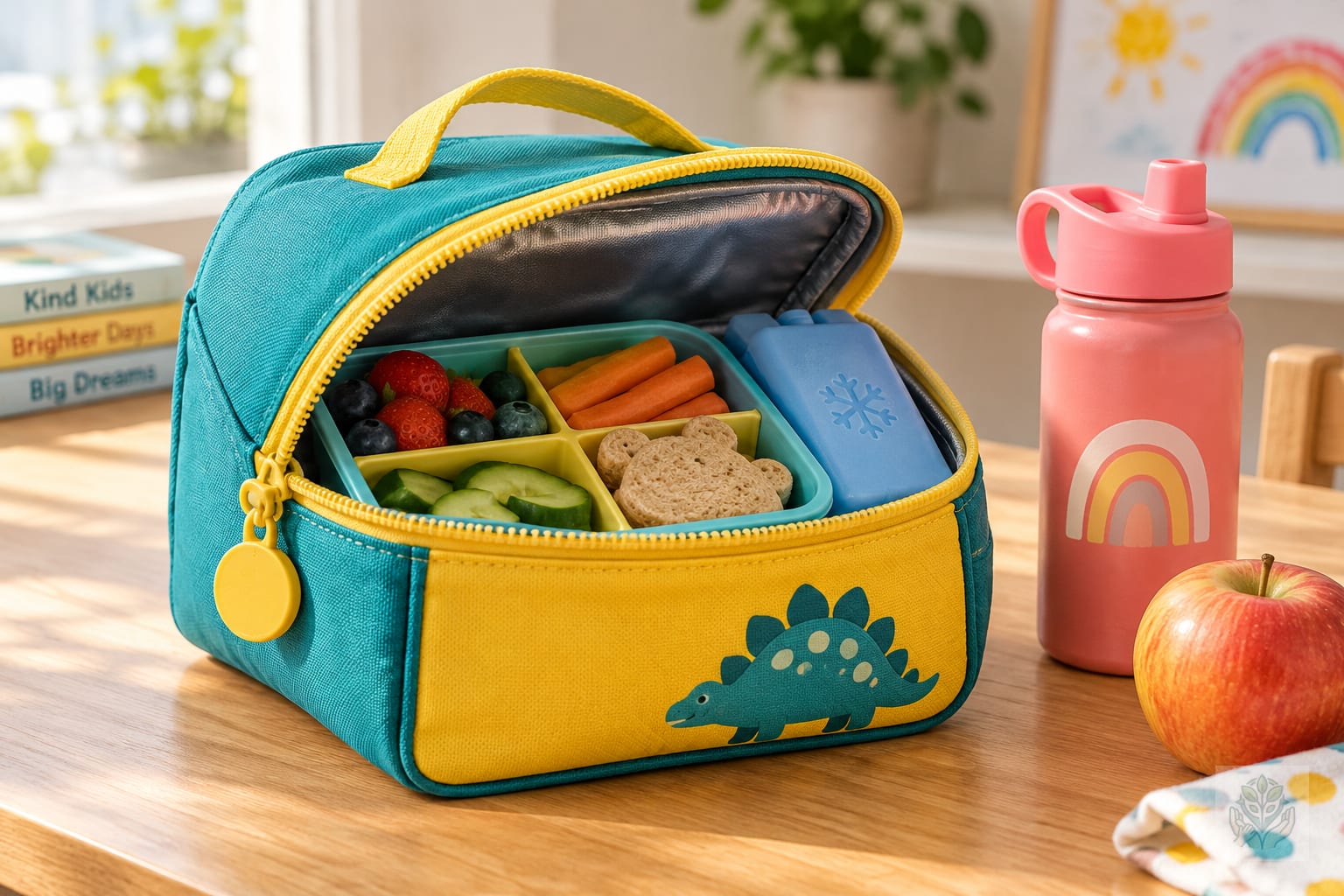
The Ultimate Preschool Lunch Bag Buying Guide
Introduction
The excitement and chaos of preschool lunch prep can feel overwhelming for many parents. Between balancing nutrition, managing food allergies, and getting everyone out the door on time, packing a meal is a daily feat. Amidst the flurry of morning routines, selecting the best gear makes a world of difference.
Why the right lunch bag matters more than you think goes beyond mere aesthetics. A well-designed preschool lunch bag fosters independence, keeps perishable foods safe from harmful bacteria, and survives the daily drops, spills, and rough handling typical of a young child. When your child can easily access their meal, lunchtime becomes a stress-free, enjoyable part of their school day.
In this comprehensive guide, we will explore everything you need to know about finding the ideal container for your child. From understanding specific toddler needs to evaluating safety certifications and easy-to-clean materials, you will gain practical insights to make an informed choice. For broader insights on preparing for the school year, check out our essential school accessories checklist.
Why Preschool Lunch Bags Are Different from Big Kid Lunch Boxes
Size matters when shopping for young children, scaling for smaller portions is essential. Unlike elementary or middle schoolers who carry heavy-duty thermal packs loaded with multiple snacks, drinks, and full-sized sandwiches, preschoolers need something compact. A massive lunch box leaves too much empty space, causing smaller bento boxes or containers to slide around and spill their contents.
The importance of fine motor skills cannot be overstated here. Preschoolers are actively learning how to manage zippers, velcro, and plastic clips independently. Choosing a preschool lunch bag with child-friendly closures empowers your little one to open and close their bag without constant teacher intervention, building their confidence at the lunch table. You can further support these crucial developmental milestones with fun activities found in our guide on pencil grip activities for preschoolers.
Durability meets toddler wear-and-tear in this category of products. Children this age might drag their bags across pavement, drop them from playground equipment, or accidentally step on them. Selecting sturdy, reinforced fabrics ensures your investment survives the entire school year without ripping or fraying.
5 Key Features to Look For in a Preschool Lunch Bag
1. Ease of Opening and Closing (Independent toddler skills)
When evaluating options, look closely at the hardware. Large, smooth-gliding zippers with oversized pulls or wide magnetic flaps work best for little fingers. Avoid stiff zippers or complicated locking mechanisms that cause frustration during a busy preschool mealtime.
2. Insulation and Temperature Control (Keeping food safe)
Food safety is a top priority for parents. A quality insulated preschool lunch bag maintains safe internal temperatures, keeping yogurt cold and sandwiches fresh until recess. Look for thick thermal linings that lock in the cold when paired with a slim ice pack.
3. Easy-to-Clean Interiors (Wipeable and washable linings)
Spills happen in preschool, and sticky juice boxes or smeared yogurt are inevitable. An easy-to-clean interior featuring a waterproof, wipeable PEVA lining saves your sanity. Some modern options are even completely machine washable, allowing you to toss the entire bag into the laundry on the weekend.
4. Safe Materials (BPA-free, PVC-free, and phthalate-free)
Because food comes into direct contact with the interior of the bag, material safety is non-negotiable. Always verify that the manufacturer certifies the product as BPA-free, PVC-free, lead-safe, and phthalate-free to protect your child from toxic chemicals.
5. Size and Shape (Fitting bento boxes and water bottles)
Before purchasing, measure your preferred food containers or bento boxes. The internal dimensions of the lunch bag should accommodate your containers flat without requiring awkward tilting. Also, consider whether there is an exterior mesh pocket for a water bottle to prevent interior condensation from dampening the food.
Comparing Lunch Bag Types: Which Style is Best?
Soft-sided pouches versus boxy hard-shell lunch boxes represent the first major design choice. Soft pouches offer flexibility, fitting easily into crowded cubbies and school backpacks. Hard-shell boxes provide superior crush-protection, ensuring delicate items like berries or crackers do not get squished during transit.
Backpack clip-on styles versus handheld totes offer different carrying experiences. Clip-on designs attach securely to the outside of a school backpack, freeing up hands for walking into school. However, handheld totes with comfortable top handles are often easier for young children to carry independently without throwing them off balance.
Bento-compatible lunch bags are specifically designed to fit compartmentalized meal trays snugly. If your family relies heavily on bento-style feeding, choosing a matching bento bag prevents sliding and keeps food upright throughout the morning. For more great meal organization tips, take a look at our ultimate school lunch bag buying guide.
Common Mistakes Parents Make When Buying a Preschool Lunch Bag
Choosing style over functionality is a trap many well-meaning parents fall into. While a metallic dinosaur design or a shimmering unicorn aesthetic looks adorable on the store shelf, it may lack essential thermal insulation or feature a frustrating zipper that your child cannot operate.
Buying a bag that is too big or too heavy places unnecessary strain on small shoulders. Preschoolers have limited physical stamina, and a heavy, oversized lunch container tires them out quickly before they even reach the classroom.
Forgetting about the ice pack space is another frequent oversight. Always check that the internal compartment has enough room to comfortably hold both your child’s food containers and a cooling pack without compromising the zipper closure. To gather more ideas for nutritious midday meals that fit these containers, visit our advice on how to plan healthy meals for picky eaters.
Top-Rated Lunch Bag Features Checklist
Use this quick reference table to evaluate potential purchases while shopping for your child’s meal gear:
| Feature | What to Look For | Why It Matters |
|---|---|---|
| Closure | Large zippers or velcro | Encourages toddler independence |
| Interior Lining | Wipeable PEVA or waterproof fabric | Makes cleanup quick and sanitary |
| Safety | BPA, PVC, and phthalate-free | Protects your child from harmful toxins |
| Insulation | Thick thermal foam layer | Keeps perishable foods safe and cool |
| Portability | Lightweight with comfortable handles | Prevents strain on small hands |
Conclusion
Navigating preschool lunch prep becomes significantly easier when you have the right equipment. By prioritizing independent fastening, safe materials, and easy maintenance, you set your child up for a successful and enjoyable mealtime experience at school. For additional daily routines that help your child transition smoothly, explore our guide on creating a simple after-school schedule for preschoolers.
As a final tip, involve your preschooler in the choice to encourage eating. When children help pick out the color, pattern, or style of their preschool lunch bag, they feel a sense of ownership and excitement that translates to better eating habits when the school bell rings.
Frequently Asked Questions
What size lunch bag is best for a preschooler?
A compact lunch bag is ideal because it prevents smaller containers from sliding around. It should fit your bento box flat and leave enough room for a slim ice pack without being too heavy for small hands.
Are soft-sided or hard-shell lunch bags better for toddlers?
Soft-sided pouches are flexible and fit easily into crowded cubbies, while hard-shell boxes offer superior crush-protection for delicate items like berries and crackers. Choose based on your child’s daily packing needs.
What materials should I look for in a safe preschool lunch bag?
Always ensure the lunch bag is certified BPA-free, PVC-free, lead-safe, and phthalate-free to protect your child from harmful toxic chemicals coming into contact with their food.
How do I clean sticky messes inside a preschool lunch bag?
Look for an interior featuring a waterproof, wipeable PEVA lining that can be easily wiped down with a damp cloth and mild soap after sticky spills.
Why are large zippers important for preschool lunch bags?
Large, smooth-gliding zippers with oversized pulls help develop fine motor skills and allow young children to open and close their lunch bags independently without teacher assistance.
How can I get my preschooler excited about using their lunch bag?
Involve your child in the shopping process by letting them pick the color, pattern, or design. This builds a sense of ownership and encourages them to eat better at school.