

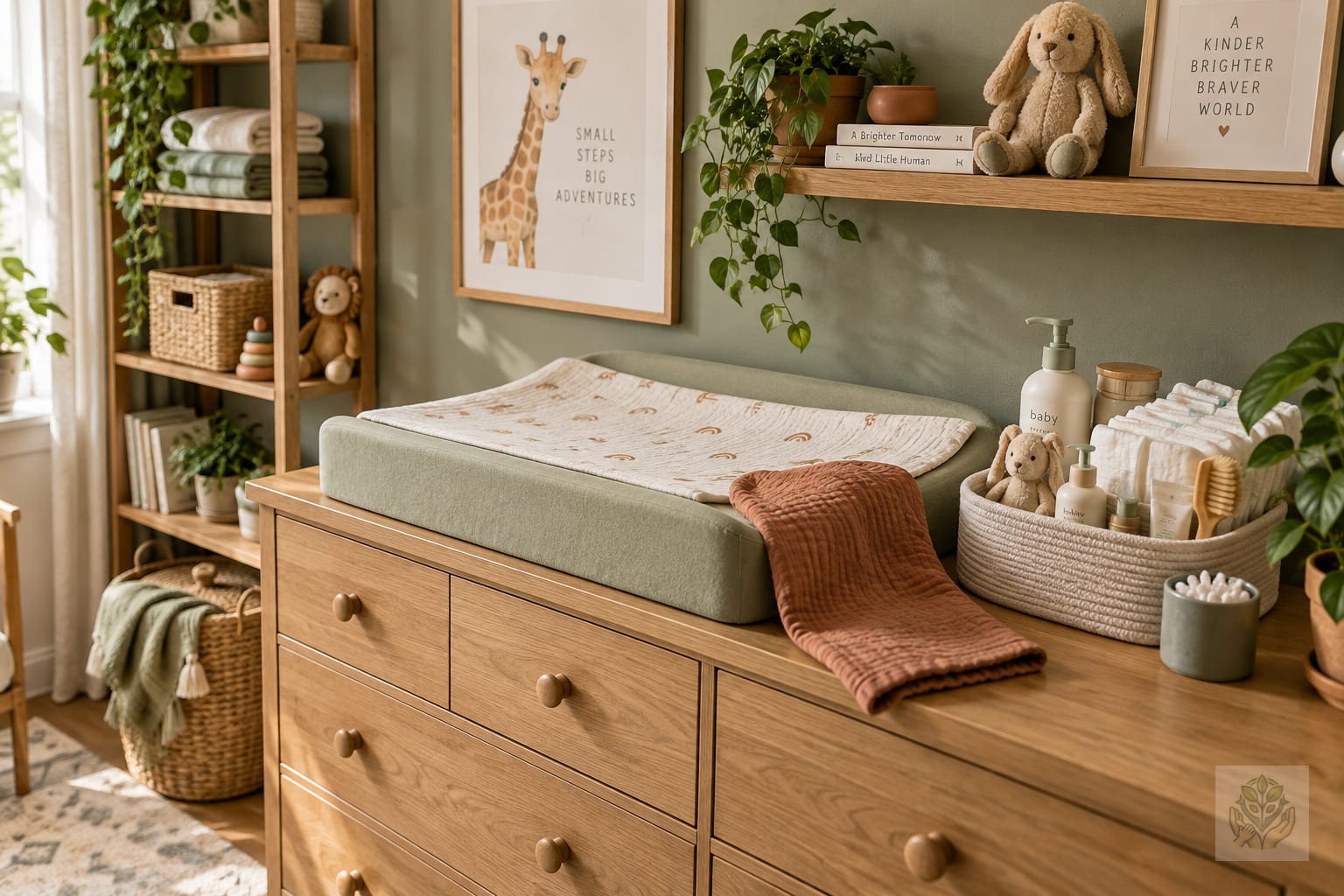
How to Create the Ultimate Comfortable Changing Station: A Guide for Parents
If you are expecting your first baby, you might be surprised to learn just how many diaper changes lie ahead. In the first year alone, parents change approximately 2,500 to 3,000 diapers. When you are visiting the nursery multiple times a day and navigating middle-of-the-night changes, having a thoughtfully designed space makes all the difference.
Setting up a functional comfortable changing station does more than just keep your nursery looking Pinterest-ready. It saves you precious time, prevents stubborn back pain, and drastically reduces stress during messy moments. In this comprehensive guide, we will walk you through everything you need to know about safety, ergonomics, smart organization, and must-have nursery supplies to create the ultimate baby changing area.
1. Choose Your Changing Station Location and Furniture
Your first big decision is figuring out where your changing area will live. While many parents opt for a dedicated changing table, others choose a standard dresser outfitted with a secure changing topper. A dresser is often the more sustainable choice because it transitions seamlessly into toddler and big-kid furniture once diaper days are behind you. Learn more about selecting appropriate furniture in our safe baby furniture guide.
Consider your home layout when planning your space. If you live in a multi-level home, running upstairs every time your baby needs a fresh diaper gets exhausting very quickly. Many parents supplement their main nursery setup with portable options, such as a pack ‘n play with a built-in changing attachment or a rolling utility cart on the main floor.
No matter which furniture piece you choose, keep proximity in mind. Your comfortable changing station should ideally sit close to a trash can, a stash of fresh wipes, and running water if possible. Minimizing the steps you have to take while holding a wiggly baby is a game-changer.
2. Prioritize Ergonomics: Saving Parent’s Back
Parenting is hard on the body, and hunching over a low surface to change diapers takes a serious toll on your spine. Prioritizing ergonomics when building your comfortable changing station will save you from countless aches and pains.
The ideal height for a changing table generally aligns with your hip level. When you stand straight, your arms should bend comfortably at a ninety-degree angle without requiring you to slouch or bend forward. Before your baby arrives, do a dry run. Simulate a diaper change using a doll or a stuffed animal to test the height and make sure you can reach everything easily.
If your nursery has hardwood or tile flooring, standing in one spot for multiple diaper changes a day can tire out your feet and lower back. Consider placing a supportive anti-fatigue kitchen mat or a plush washable rug in front of the table to cushion your stance.
3. The Foundation: Safety and Comfort for Baby
Safety is the absolute cornerstone of any nursery design. When setting up a comfortable changing station, start with a firm, wipeable, contoured changing pad. Contoured pads feature slightly raised edges that gently help keep your baby centered.
Securing your furniture is non-negotiable. Always anchor your changing table or dresser firmly to the wall using heavy-duty anti-tip brackets. Babies are surprisingly strong and active, and tip-over prevention is critical for toddler safety down the road. For more room safety tips, explore our guide on essential safety products for baby and toddler rooms.
For day-to-day comfort, dress the pad in breathable, washable changing pad covers and layer waterproof liners underneath. Accidents happen frequently during diaper changes, and waterproof liners save you from washing the entire cover multiple times a day. Finally, ensure any safety straps are functional and easily accessible without being cumbersome to clip.
4. The Ultimate Diaper Changing Station Checklist (Must-Haves)
Having your supplies neatly gathered prevents you from having to step away from the table. Here is your ultimate checklist of must-have nursery supplies:
- Diapers: Keep a generous stash on hand, featuring a mix of newborn and size 1 diapers so you are prepared for rapid growth spurts. Find more guidance in our comprehensive diaper size guide for new parents.
- Wipes: Stock plenty of sensitive-skin wipes alongside a dispenser that opens smoothly with one hand.
- Diaper Rash Cream and Spatula: Keep a trusted barrier cream nearby. Using a silicone diaper rash spatula keeps your fingers clean and applies cream smoothly. You can also explore natural baby skin care tips to protect delicate skin.
- Hand Sanitizer: Essential for quick clean-ups when you cannot immediately wash your hands at a sink.
- Diaper Disposal System: Choose a reliable odor-locking diaper pail or a heavy-duty step-can with a tight lid to control nursery smells.
5. Clever Organization and Storage Hacks
The golden rule of diaper changing is the one-hand rule: always keep at least one hand securely on your baby. This means every single essential item must be within immediate arm’s reach.
Utilize drawer dividers, small baskets, and tabletop caddies to keep your supplies sorted. Store everyday items like diapers and wipes on the top tier or top drawer, while keeping backups and ointments neatly tucked away below. For more space-saving ideas, check out these smart storage ideas for baby and toddler rooms.
If space is tight, make use of vertical storage by hanging wall caddies or floating shelves directly above or beside the station. You can also assemble a secondary portable diaper caddy for quick living room changes during the day.
6. Entertainment and Distraction Station
As your baby grows into an alert infant and an active toddler, diaper changes can quickly turn into a wrestling match. Having a few engaging distractions nearby can work wonders for your sanity.
Consider hanging a secure nursery mobile safely out of your baby’s reach. High-contrast black-and-white cards or a small, unbreakable baby-safe mirror mounted on the wall also capture their attention.
For older babies and wiggly toddlers, keep a special, distraction-only toy stationed nearby. Handing over a crinkly book or a textured teething toy exclusively during diaper changes makes the routine much more cooperative. Discover age-appropriate items in our age-wise toy buying checklist for parents.
Conclusion
Designing a truly comfortable changing station comes down to balancing three core pillars: safety, ergonomics, and accessibility. By anchoring your furniture, prioritizing your own posture, and keeping your must-have supplies within arm’s reach, you transform a mundane chore into a smooth, efficient routine.
Remember to customize your setup based on your unique nursery space, budget, and family needs. Every parent finds their own rhythm over time. What is your absolute favorite changing station organization hack? Let us know in the comments below!
Frequently Asked Questions
Where is the best place to set up a changing station?
The best place is near a trash can and a stash of fresh wipes. Many parents choose a dedicated changing table or a sturdy dresser with a secure changing topper for longevity.
How high should a changing table be for good ergonomics?
The ideal height generally aligns with your hip level so your arms bend comfortably at a ninety-degree angle without requiring you to slouch or bend forward.
What are the absolute must-haves for a diaper changing station?
Essential supplies include diapers, sensitive-skin wipes, diaper rash cream, hand sanitizer, and a reliable odor-locking diaper disposal system.
How can I keep my baby safe on the changing table?
Always anchor your changing table or dresser firmly to the wall with heavy-duty anti-tip brackets, use a contoured changing pad, and never leave your baby unattended.
What is the one-hand rule during diaper changes?
The one-hand rule means you must always keep at least one hand securely on your baby at all times, requiring all essential supplies to be within arm’s reach.
How do I keep a wiggly baby distracted during diaper changes?
You can hang a secure nursery mobile out of reach, mount high-contrast cards or a safe mirror, or hand over a special toy used exclusively during diaper changes.