

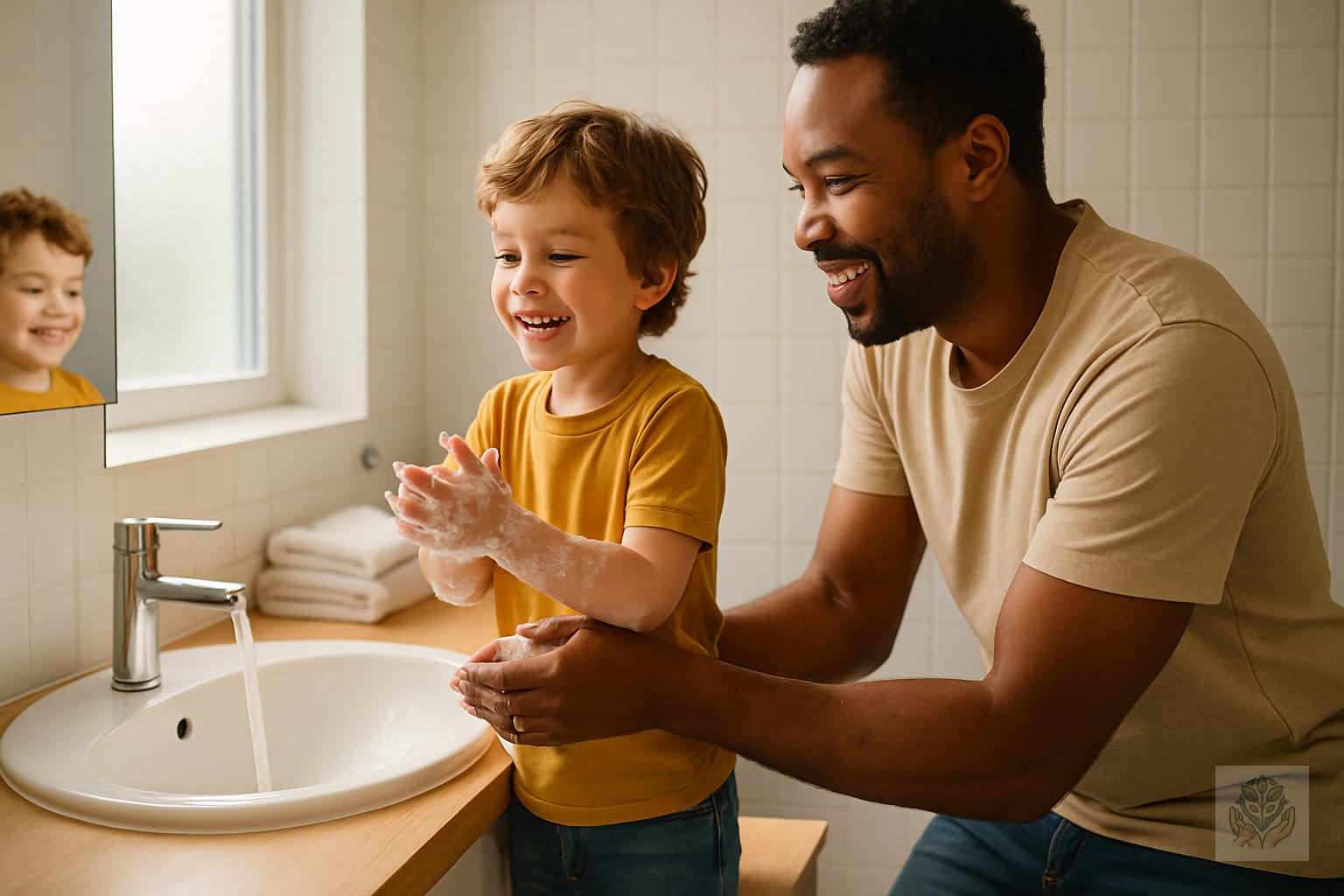
How to Teach Children Good Hygiene Habits Every Day: A Stress-Free Guide for Parents
If you have ever had to chase a reluctant toddler around the living room with a toothbrush or negotiate the nightly bath time standoff, you are certainly not alone. Daily hygiene routines often turn into high-stakes household negotiations. Children naturally prefer exploring, playing, and getting messy over stopping to wash their hands or brush their teeth.
However, teaching children good hygiene habits every day is one of the most valuable gifts you can give your growing kids. Beyond keeping dirt at bay, early hygiene education lays the foundation for lifelong health, strong self-confidence, and effective disease prevention. When these routines become second nature, kids feel cleaner, healthier, and ready to take on the world.
In this guide, we will explore practical, stress-free strategies to help you turn daily hygiene battles into smooth, empowering routines. From understanding developmental milestones to fun games that make scrubbing up enjoyable, you will find everything you need to foster healthy habits that stick.
At What Age Should You Start Teaching Kids Hygiene?
Children do not wake up knowing how to maintain personal cleanliness. It is a gradual learning process that evolves right alongside their cognitive and physical development. Understanding what kids are capable of at different ages helps you set realistic expectations and avoid unnecessary frustration.
During the toddler years, spanning ages one through three, the focus is heavily on parental modeling and introducing basic concepts. Toddlers love to mimic what adults do. Letting them watch you wash your hands or brush your teeth lays the groundwork. You will still need to do most of the physical work, but guiding their hands through a quick rinse helps them build muscle memory.
As children enter their preschool years, roughly ages four and five, they begin craving autonomy. This is the ideal window to introduce more independence with brushing, handwashing, and washing up during baths. They still need supervision and gentle reminders, but they are fully capable of handling the basic motions with your encouragement.
By the time children reach school age, around six years and older, hygiene routines should be refined. School-age kids start engaging in more physical activities, meaning things like body odor, greasy hair, and dirty fingernails enter the picture. Guiding them toward independent hygiene management helps them navigate social settings with confidence and pride in their personal presentation.
The Essential Daily Hygiene Checklist for Children
To keep things organized and ensure nothing gets missed, it helps to break down the essential daily hygiene habits into clear categories. Here is a comprehensive checklist you can reference as you build your family routine.
Handwashing sits at the very top of the list. Kids should wash their hands thoroughly with soap and water before eating meals, after using the bathroom, and immediately upon coming home from school, parks, or public places. Proper handwashing is your family’s first line of defense against seasonal bugs.
Dental care is another non-negotiable daily pillar. Children need to brush their teeth twice a day—once in the morning and once right before bed. Once their teeth touch side-by-side, introducing daily flossing basics protects their growing smiles from cavities and gum issues.
Bath and shower time should cover full-body cleaning, including gentle scalp washing, skin care, and thorough rinsing of sweat and dirt. While toddlers might only need a bath every other day, active school-age children usually benefit from daily showers or baths, especially after sports or outdoor play.
Finally, grooming basics round out the daily checklist. Fresh clothes every morning, thoroughly brushed hair, and trimmed fingernails prevent dirt buildup and skin irritations while keeping your child looking and feeling their best.
5 Fun Ways to Make Hygiene Habits Stick Without the Battles
Let us be honest: telling a child to go wash their hands rarely works on the first try. Instead of resorting to nagging, you can use clever strategies to transform chores into engaging activities. Here are five fun ways to teach children good hygiene habits every day without the daily power struggles.
- Turn routines into games: Sing a lively two-minute song while brushing teeth to make sure they hit the recommended brushing time. You can also pretend hands are ninja warriors fighting off invisible microscopic villains during handwashing.
- Use visual aids: Printable daily hygiene checklists or colorful sticker charts give kids a sense of ownership. Crossing off a task gives them a tangible reward and encourages self-reliance.
- Let kids choose their own products: Take your child to the store and let them pick out a fun-scented soap, a colorful toothbrush, or a gentle shampoo featuring their favorite character. Ownership breeds cooperation.
- Lead by example: Children are keen observers who copy what parents do. When they see you washing your hands consistently and taking care of your own hygiene, they view these habits as normal, everyday practices rather than arbitrary rules.
- Explain the why simply: Use age-appropriate terms to explain that invisible germs and superheroes interact on our skin. When kids understand that washing away germs keeps them strong enough to play soccer or go to school, they cooperate more willingly.
How to Handle Resistance to Handwashing and Bath Time
Even with the most creative strategies in place, you will likely encounter occasional resistance. Knowing how to navigate these bumps smoothly prevents minor friction from turning into major household meltdowns.
When dealing with the classic bath time refusal phase, look at the root cause. Often, kids resist leaving their toys or transitioning to a new activity rather than the bath itself. Giving a gentle five-minute and two-minute warning before bath time eases the transition. You can also make the water more inviting with bath crayons, floating toys, or warm, soothing lighting.
For children experiencing sensory issues related to hair washing, water in the eyes, or nail clipping, patience and gentle adaptations are essential. A visor designed to keep water out of eyes, a softer washcloth, or clipping fingernails right after a warm bath when they are soft can make a world of difference. Never force a sensory-sensitive child without offering alternative comforts.
When motivating hesitant children, positive reinforcement always outperforms punitive reward systems. Praise their specific efforts, such as noticing how thoroughly they scrubbed their hands or how sparkling clean their teeth look after brushing. Positive verbal encouragement builds genuine internal motivation.
Building Lifelong Healthy Habits, One Day at a Time
Teaching children good hygiene habits every day is a marathon, not a sprint. It requires immense patience, unwavering consistency, and a willingness to keep things lighthearted when resistance arises. Remember that every time you gently remind your child to wash their hands or help them brush their teeth, you are investing in their long-term health and independence.
Consistency truly yields lifelong results. By staying calm, turning routines into fun experiences, and honoring your child’s growing autonomy, you will transform daily hygiene chores into natural, self-directed habits.
Ready to make your morning and evening routines easier? Download our free printable kids’ hygiene tracker today and watch your children take charge of their daily self-care with pride!
Recommended Amazon Products
As an Amazon Associate, NurtureBharat earns from qualifying purchases.

POSTER WALLAH Good Habits Chart for Kids Educational Poster | Day to Day Manners Learning Chart | Pictures Classroom Nursery Student | Kids Behaviour Chart Homeschool | 18×12 inch
₹196.00
₹299.00
— Save 34%
In stock

Set of 2 Good Habits and DAILY ROUTINE Early Learning Educational Charts for Kids | 20"X30" inch |Non-Tearable and Waterproof | Double Sided Laminated | Perfect for Homeschooling, Kindergarten and Nursery Students
₹209.50
₹320.00
— Save 35%
In stock

Good Habits Early Learning Educational Chart for Kids | 20"X30" inch |Non-Tearable and Waterproof | Double Sided Laminated | Perfect for Homeschooling, Kindergarten and Nursery Students
₹143.00
₹160.00
— Save 11%
In stock
WithLove by MS Let's Learn Good Habits & Bad Habits Flash Cards
₹265.00
₹350.00
— Save 24%
In stock
Frequently Asked Questions
At what age should I start teaching my child hygiene habits?
You can start during the toddler years (ages 1 to 3) through parental modeling and letting them mimic your actions, such as washing hands and brushing teeth.
How often should children brush their teeth?
Children should brush their teeth twice a day—once in the morning and once right before bed—for a full two minutes each time.
How can I make handwashing fun for my toddler?
Turn handwashing into a game by pretending hands are ninja warriors fighting off germs, or sing a lively two-minute song while they scrub.
How often do school-age children need baths or showers?
Active school-age children usually benefit from daily showers or baths, especially after participating in sports or playing outdoors.
What should I do if my child resists bath time?
Give your child a five-minute and two-minute warning before bath time to ease the transition, and make the water more inviting with toys or bath crayons.
How do I encourage my child to take charge of their own hygiene?
Use visual aids like printable daily hygiene checklists, let them choose their own soap or toothbrush, and offer positive reinforcement for their efforts.


