

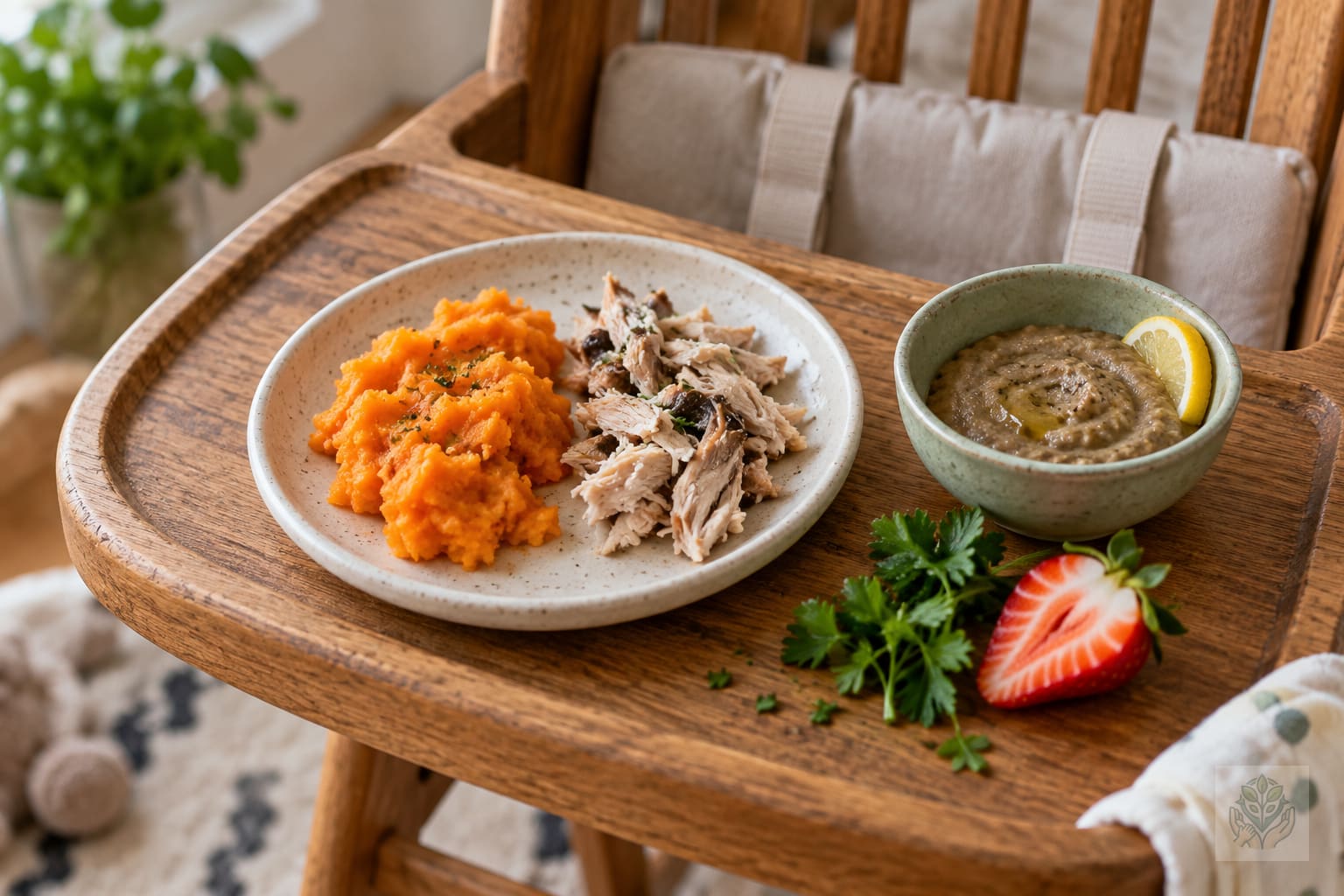
Iron-Rich Foods for Babies: The Ultimate Guide for 6-Month-Olds
Introduction
Watching your baby reach the six-month mark is an incredible milestone. As your little one sits up with support and watches you eat with intense curiosity, you know it is time to embark on the exciting journey of solid foods. Amidst the purees, bibs, and high chair adjustments, one nutrient stands out above all others for optimal infant development.
During pregnancy, your baby stored a generous supply of iron from your body. However, around the six-month mark, those natural birth iron stores become significantly depleted. This makes offering iron-rich foods for babies an absolute nutritional priority for supporting healthy brain development, cognitive function, and overall growth.
Whether you are exclusively breastfeeding, using formula, or practicing a combination of both, your baby’s nutritional requirements shift dramatically at this age. Breastfed babies, in particular, require a dedicated external source of iron because breast milk, while nutritionally unmatched in many ways, contains relatively low levels of this essential mineral. Formula-fed infants typically receive iron through fortified formulas, but they still need nutrient-dense whole foods once solids begin.
In this comprehensive guide, we will explore why iron matters so much, the difference between heme and non-heme sources, the best foods to put on your baby’s tray, and creative ways to serve them safely. Let us dive into everything you need to know to nourish your growing baby.
Why Babies Need Iron at 6 Months
The science behind infant nutrition centers heavily on rapid brain growth. During the first year of life, a baby’s brain doubles in size. Iron plays a fundamental role in this process by helping to form myelin, the protective sheath around nerve fibers, and by carrying oxygen through the bloodstream to every developing organ.
Pediatric guidelines recommend that babies aged 7 to 12 months need approximately 7 mg of iron per day. Meeting this target can feel daunting when your baby is only eating a few teaspoons of food at a time, which is why every single bite counts. When babies do not get enough iron, they face a higher risk of iron-deficiency anemia, which can lead to irreversible delays in motor and cognitive development.
While breast milk is nature’s gold standard, its iron content decreases relative to the baby’s surging developmental needs after the first six months. Formula is fortified to bridge this gap, but once solids start, the foods you offer play the leading role in preventing deficiency and building a foundation for lifelong health. For further guidance on early nutrition, explore our nutrient-rich guide for healthy baby growth.
Heme vs. Non-Heme Iron: What Parents Need to Know
As you plan your baby’s menu, you will encounter two types of dietary iron: heme and non-heme. Understanding the difference will help you maximize your baby’s nutrient absorption with every meal.
Heme iron is found exclusively in animal products, such as meat, poultry, and fish. This type of iron is easily recognized and absorbed by your baby’s digestive tract, making it exceptionally efficient for boosting iron levels quickly.
Non-heme iron is found in plant-based sources like lentils, beans, tofu, and fortified grains. While equally important, non-heme iron is harder for the human body to absorb. Fortunately, there is a simple culinary trick to overcome this.
The golden rule of plant-based iron absorption is pairing non-heme foods with Vitamin C. When you combine lentil puree with a squeeze of lemon juice, or serve mashed beans alongside mashed strawberries or bell pepper strips, the Vitamin C dramatically increases the body’s ability to absorb the iron. You can also explore options like our pediatrician-approved guide to first vegetables to diversify their early plate.
Conversely, be mindful of common inhibitors. Avoid serving cow’s milk as a drink before age one, and avoid pairing calcium-rich foods like yogurt directly with iron-heavy meals, as calcium can block iron absorption.
Top Iron-Rich Foods for Babies
Stocking your kitchen with the right ingredients makes preparing balanced meals much easier. Here are the best iron-rich foods for babies that you can introduce starting at six months:
- Meat and Poultry: Beef, lamb, dark meat chicken, and liver are nutritional powerhouses packed with highly absorbable heme iron and zinc.
- Fish and Seafood: Low-mercury options like salmon, sardines, and canned light tuna provide healthy fats alongside valuable iron and protein.
- Plant-Based Powerhouses: Lentils, black beans, chickpeas, and organic tofu offer fantastic non-heme iron for vegetarian families or general variety.
- Fortified Foods: Iron-fortified baby cereals, oatmeal, and certain whole-grain pastas provide an easy baseline of nutrition.
- Eggs: The nutrient-dense egg yolk is an easy, versatile starter food that delivers iron and essential choline for brain health.
For more inspiration on introducing self-feeding friendly items, check out these healthy finger food recipes for self-feeding babies.
How to Serve Iron-Rich Foods (By Age and Stage)
Introducing new textures can be intimidating, but following your baby’s developmental cues makes the process smooth and enjoyable. Here is how to serve these vital foods safely as your baby grows:
Purées and Mashes (6 to 7 Months)
At the beginning of the solid food journey, keep textures smooth or slightly textured. Blend finely minced slow-cooked beef or dark meat chicken with a bit of low-sodium broth and sweet potato. Serve warm lentil soups blended smooth, or mix iron-fortified oatmeal with breast milk, formula, or pureed fruit. If you are starting with simple blends, you might also enjoy these easy vegetable puree recipes.
Finger Foods and Baby-Led Weaning (8 to 12 Months)
As your baby develops a pincer grasp and learns to chew, transition to safe finger foods. Offer soft-cooked meat strips, homemade beef or turkey meatballs cut into quarters, shredded chicken mixed with avocado, well-cooked and smashed beans, and soft egg strips. You can also find helpful organizational insights in our stress-free meal planning tips for baby-led weaning families.
Always prioritize safety by avoiding choking hazards like whole grapes, nuts, or tough chunks of meat. Ensure all meats are cooked thoroughly and shredded or cut into manageable, soft pieces that your baby can easily gum or chew.
Signs of Iron Deficiency in Babies
Despite your best efforts, it helps to remain vigilant about the signs of low iron stores. Because babies cannot tell you how they feel, watch for these physical and behavioral indicators:
- Pale skin, inner eyelids, lips, and nail beds
- Unusual fatigue, lethargy, or a lack of typical playful energy
- Increased fussiness or irritability without an obvious cause
- Poor weight gain or delayed developmental milestones like sitting or crawling
- Frequent infections or prolonged illnesses
If you notice any of these signs, or if you have concerns about your baby’s diet, consult your pediatrician. A simple routine blood test can check your baby’s hemoglobin levels and provide peace of mind. For general infant wellness and care tips, you may also want to review our guide on signs your newborn is healthy and thriving.
Conclusion
Prioritizing iron-rich foods for babies during the first year of life is one of the most impactful investments you can make in your child’s long-term health and cognitive development. Remember that feeding a baby is a messy, imperfect process. Consistency and variety matter far more than achieving nutritional perfection at every single meal.
Take a deep breath, trust your instincts, and enjoy watching your little one discover new flavors and textures. What is your baby’s favorite iron-rich meal so far? Share your experiences and tips in the comments below to help fellow parents on this exciting journey!
Frequently Asked Questions
When should I start giving my baby iron-rich foods?
Pediatricians recommend introducing iron-rich foods around six months of age when your baby’s natural birth stores begin to deplete and solid foods are initiated.
Why do breastfed babies need extra iron?
While breast milk is the best nutrition, it contains relatively low levels of iron, making external sources necessary once a baby reaches six months old.
What is the difference between heme and non-heme iron?
Heme iron comes from animal products and is easily absorbed by the body, whereas non-heme iron comes from plants and requires vitamin C for optimal absorption.
How can I help my baby absorb plant-based iron better?
Pair plant-based non-heme foods, like lentils or beans, with foods high in vitamin C, such as a squeeze of lemon juice or mashed strawberries.
What are the common signs of iron deficiency in babies?
Signs include pale skin, unusual lethargy, increased fussiness, poor weight gain, and delayed developmental milestones like sitting or crawling.
Can I give my baby iron-fortified cereal?
Yes, iron-fortified baby cereals, oatmeal, and grains provide an easy and reliable baseline of daily nutrition for infants starting solids.