

Everything Parents Need to Know About Modern Baby Diapering: The Ultimate Guide
Welcome to parenthood, where you will quickly realize that you spend a surprising amount of your day thinking about, talking about, and dealing with baby diapers. Whether you are expecting your first little one or navigating the trenches of early toddlerhood, modern baby diapering has evolved dramatically over the last decade. Today’s parents have access to an incredible array of products designed to protect delicate baby skin, save money, and reduce environmental impact.
Gone are the days of rigid, leaky plastics and one-size-fits-all mentalities. Modern baby diapering balances high-tech absorption with eco-conscious manufacturing. Understanding your choices helps you navigate this fundamental aspect of childcare with confidence and ease. It is all part of establishing positive parenting techniques from the very start. For more gear advice, you can also explore our guide to the top 10 best baby products every new parent needs.
In this ultimate guide, we will explore everything you need to know about modern baby diapering. From comparing diaper types and decoding eco-friendly labels to mastering the midnight blowout and soothing stubborn diaper rashes, we have you covered.
1. The Great Debate: Disposable vs. Cloth vs. Hybrid Diapers
Choosing a diapering system is one of the first major decisions you will make as a new parent. Because every family has a unique lifestyle, budget, and environmental philosophy, there is no single right answer. This decision is often featured in smart parenting tips for new families. Let us break down the three primary categories available in modern baby diapering.
Traditional disposables: Convenience, pros, and cons
Traditional disposable diapers remain the most popular choice for busy families, and for good reason. They offer unmatched convenience, incredible absorbency, and widespread availability. You simply use them and toss them away.
The primary advantage of traditional disposables is convenience, especially when you are sleep-deprived or traveling. However, they can become quite expensive over time, and conventional versions sit in landfills for centuries, contributing to long-term environmental waste.
Modern cloth diapers: Aesthetics, cost-savings, and environmental impact
If you picture the safety-pinned, bulky white cloths of generations past, think again. Modern cloth diapers are sleek, colorful, and surprisingly easy to use. Options range from all-in-one styles that function just like disposables to pocket diapers and fitted covers.
The biggest perk of cloth diapering is the long-term financial savings and reduced ecological footprint. While the upfront investment can be steep, you will only buy them once. The downside is the extra laundry load and a steeper learning curve when washing and storing them.
Hybrid diapers: The best of both worlds
Hybrid diapers offer a brilliant compromise for parents who feel torn between disposables and cloth. These systems feature a reusable waterproof cloth shell paired with either washable cloth inserts or disposable, biodegradable inserts.
Hybrids give you the flexibility to use cloth at home and switch to disposable inserts when you are on the go. This flexibility makes modern baby diapering much more adaptable to your daily schedule.
How to choose the right system for your lifestyle and budget
When deciding on your approach to modern baby diapering, take an honest look at your daily routine. Do you have easy access to laundry facilities? Are you returning to work soon? Can you commit to washing cloth diapers every two to three days? Many parents choose a hybrid approach, using disposables at night for maximum leak protection and cloth or eco-disposables during the day.
2. Eco-Friendly Diapering: What to Look For
Sustainability is a massive trend in modern baby diapering, but marketing terms can easily confuse well-meaning parents. Navigating the green aisles requires a bit of detective work to ensure you are truly making an eco-conscious choice.
Decoding greenwashing: Biodegradable vs. compostable vs. plant-based
Makers often label products as green, but these terms have distinct meanings. Plant-based diapers use materials derived from bamboo, sugarcane, or wood pulp rather than petroleum. However, plant-based does not automatically mean the diaper will break down easily.
Biodegradable items break down naturally over time, but they often require specific industrial conditions to do so. Compostable diapers are designed to break down into nutrient-rich soil in a composting facility. Keep in mind that very few municipal facilities accept soiled human waste diapers in standard green bins, so check your local guidelines.
Non-toxic materials to look for (chlorine-free, fragrance-free)
Baby skin is exceptionally thin and absorbent, making non-toxic materials a top priority in modern baby diapering. Look for diapers that are entirely free of chlorine processing, which can leave behind trace amounts of dioxins. Additionally, choose fragrance-free and lotion-free options to minimize the risk of contact dermatitis and allergic reactions.
Top eco-friendly disposable brands on the market
Several brands lead the charge in sustainable diapering. Companies like Kudos, Dyper, and Honest Company offer plant-derived, hypoallergenic options that perform just as well as mainstream chemical-laden brands. Exploring these options lets you prioritize your baby’s skin health and the planet simultaneously.
3. Diapering 101: Step-by-Step Guide for New Parents
Mastering the physical act of changing a diaper is a rite of passage for those learning what every parent should know about newborn care. With a thoughtful setup and a few expert techniques, you can turn a messy chore into a quick, bonding moment with your baby.
Setting up the ultimate ergonomic changing station
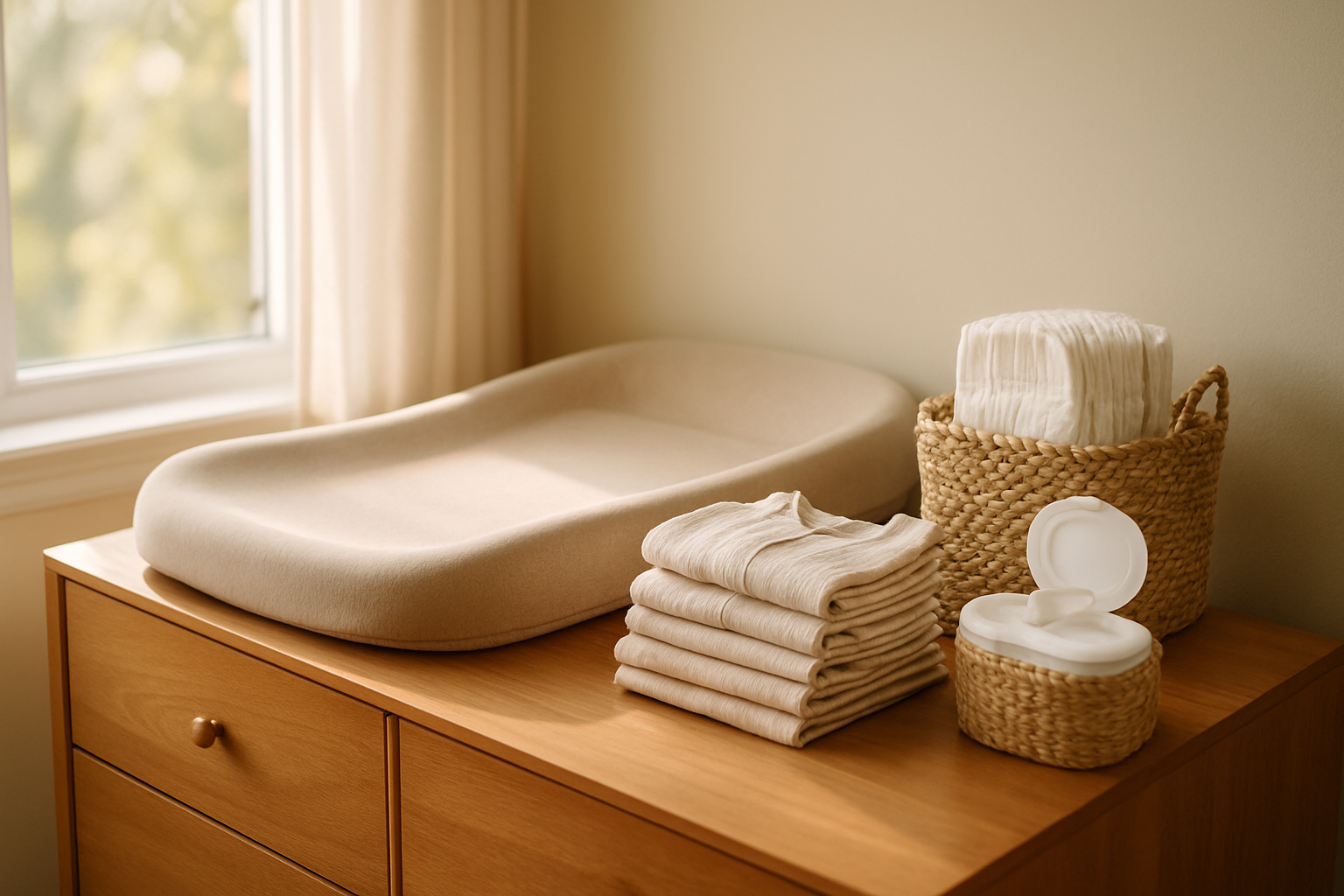
Back pain is a common complaint among new parents, so ergonomics matter. Set up your changing table or pad at waist height so you do not have to hunch over. Keep all your essentials—diapers, wipes, diaper cream, and hand sanitizer—within arm’s reach so you never have to take your hands off an wiggly baby.
Step-by-step newborn diaper changing tutorial
- Lay your baby safely on the changing pad and secure any safety straps if applicable.
- Unbutton or unzip the baby’s outfit, pushing clothing up out of the way.
- Open the soiled diaper. Use the front of the diaper to wipe away any excess stool from front to back.
- Lift your baby’s ankles gently by placing your hand between their feet, then lift their hips just enough to slide the dirty diaper out and tuck a clean one underneath.
- Clean your baby thoroughly with a gentle wipe, always wiping front to back to prevent urinary tract infections. This hygienic care is a pillar of the complete roadmap to healthy newborn care.
- Allow the skin to air-dry completely before fastening the clean diaper snugly, ensuring two fingers fit comfortably beneath the waistband.
Mastering the blowout: Tips for containing messes
Every parent faces the dreaded blowout eventually. To minimize mid-back eruptions, ensure the ruffled leg cuffs inside the diaper are pulled out and not tucked inward. Additionally, choosing the correct size is your best defense against leaks.
Wipes, water, and cotton: What is best for baby’s sensitive skin?
While commercial baby wipes are undeniably convenient, water and simple cotton balls or cloths are the gold standard for newborn skin. If you prefer wipes, look for water-based wipes that contain 99 percent water and zero alcohol, fragrance, or harsh preservatives.
4. Diaper Rash 101: Prevention, Treatment, and Relief
Few things break a parent’s heart faster than seeing their baby uncomfortable with a bright red bottom. Diaper rash is a common hurdle in modern baby diapering, but it is entirely manageable with proactive care.
What causes diaper rash?
Diaper rash typically occurs when moisture, friction, and urine or stool irritate the skin barrier. Other common culprits include introducing new foods, taking antibiotics, or reacting to a new brand of wipes or diapers.
Preventative habits (frequent changes, air time, proper drying)
The best treatment for diaper rash is prevention. Change your baby frequently—at least every two to three hours, or immediately after a bowel movement. Give your baby daily diaper-free air time by laying them on a waterproof mat to let their skin breathe. Always pat the skin completely dry rather than rubbing it.
Ointments vs. creams vs. powders: Which one to use and when
When choosing barrier products, understanding the differences is essential:
- Petroleum-based ointments: Great for mild redness and everyday protection against moisture.
- Zinc oxide creams: Thicker pastes that form a heavy-duty barrier to treat active rashes and redness.
- Powders: Generally discouraged by pediatricians because inhaling talc or cornstarch can damage a baby’s developing lungs.
When to call the pediatrician (signs of yeast infection or bacterial rash)
If a diaper rash does not improve after a few days of frequent changes and barrier cream, or if you notice bright red patches with distinct raised borders (often a sign of a fungal yeast infection), call your pediatrician. They may prescribe a medicated antifungal or antibacterial cream to clear it up quickly.
5. Sizing Up: Navigating Diaper Sizes and Blowout Stages
Diaper sizing can feel like a moving target. Just when you feel like you have figured it out, your baby hits a growth spurt, and leaks start happening again. As they grow, maintaining a consistent daily routine for kids becomes equally important.
How to know when your baby is ready to size up
Weight guidelines on diaper packaging are helpful estimates, but the best indicator of fit is how the diaper sits on your baby’s body. If you notice frequent leaks, red marks around the thighs or waist, or if the waistband sits too low on the tummy, it is time to move up a size.
Weight limits vs. fit: Why fit matters more
Always prioritize fit over the listed weight guidelines. Every baby has a unique body shape—some are long and lean, while others are wonderfully chunky. If your baby is nearing the top weight limit of a size and experiencing leaks, size up even if they technically still fit the weight range.
Dealing with nighttime leaks: Tips for overnight protection
As babies sleep longer stretches, their diapers must work harder. To prevent overnight leaks, consider sizing up strictly for bedtime, investing in specialized overnight diapers, or adding a booster pad designed to increase nighttime absorbency.
6. The Ultimate Diaper Bag Checklist
Leaving the house with a baby requires a well-stocked diaper bag. Being prepared turns potential meltdowns into minor bumps in the road.
Must-have diapering supplies on the go
- Four to six diapers in the correct size
- One travel-sized pack of sensitive wipes
- A tube of diaper rash ointment
- A portable, foldable changing pad
Sanitizing essentials (hand sanitizer, changing pad)
Public restrooms can be unpredictable. Pack a hand sanitizer for yourself, disinfectant wipes to clean public changing surfaces, and disposal bags for dirty diapers.
Emergency items for parents (change of clothes, plastic bags)
Always pack at least two complete changes of clothes for your baby—and a spare shirt for yourself, just in case a blowout reaches epic proportions. Zip-top plastic bags are invaluable for sealing away soiled clothing until you get home.
Conclusion
Navigating modern baby diapering can feel overwhelming at first glance, but you will quickly find your rhythm. Whether you choose sustainable cloth, modern eco-disposables, or traditional brands, the best diapering system is the one that fits your family’s lifestyle, budget, and values.
Remember to give yourself grace as you learn to navigate common parenting mistakes. Every parent deals with leaks, blowouts, and rashes along the way. Trust your instincts, lean into what works for your household, and enjoy these precious moments with your growing baby.
What is your ultimate diapering hack or favorite brand? Leave a comment below to share your wisdom with fellow parents!


