

The Ultimate Complete Guide to Preschool Activities for Early Learning
Introduction
Welcome to the wonderful, energetic, and curious world of early childhood! If you are navigating the ages of three to five, you already know that a preschooler is a miniature scientist, artist, and philosopher all rolled into one. During these formative years, children absorb information like little sponges. As parents and caregivers, we often feel a gentle pressure to provide the right educational foundation. That is where intentional, play-based preschool activities for early learning come into play. These efforts are most effective when supported by positive parenting techniques that actually work.
Play is not merely a way for children to pass the time; it is their primary job and their natural language. Through meaningful play, young children build essential cognitive frameworks, refine their motor skills, and learn how to navigate complex social emotions. Whether you are a stay-at-home parent, a homeschooling family, or simply looking for weekend enrichment ideas, this comprehensive guide will give you everything you need.
In this complete guide, you will discover the science behind play-based education, explore core developmental domains, and dive into dozens of actionable, low-prep preschool activities. From literacy games and playful math to sensory science and motor skill boosters, we have curated a toolkit designed to make learning joyful, effortless, and deeply engaging for both you and your child.
Why Preschool Activities Matter for Early Brain Development
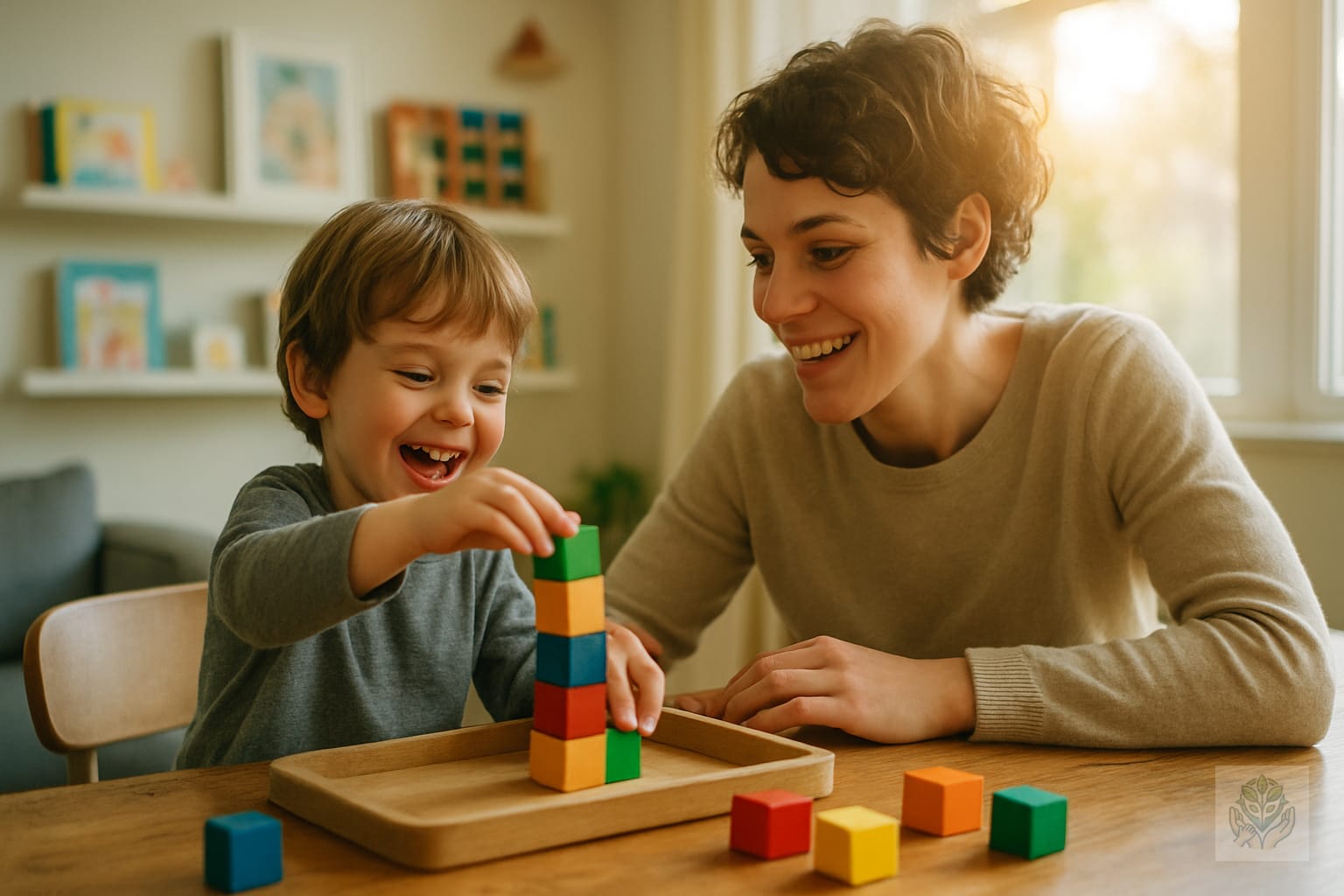
Have you ever watched a four-year-old completely engrossed in building a block tower, only to carefully place one more block on top before it tumbles? To an adult, it is just play. To a child’s brain, it is high-level neuroscience in action. The science behind learning through play reveals that hands-on experiences literally wire the brain for future academic and life success.
During the preschool years, a child’s brain forms millions of neural connections every second. These neural pathways are strengthened through sensory-rich experiences where children touch, smell, hear, see, and move. When a child squishes playdough, counts pebbles on a sidewalk, or mixes watercolor paints, they are actively constructing knowledge rather than passively receiving it. This active engagement fosters critical thinking and cognitive flexibility.
Finding the right balance between structured learning and free play is the secret sauce of early childhood education. While structured activities help children learn to follow directions and focus on specific tasks, free play nurtures intrinsic motivation, imagination, and emotional resilience. By combining both approaches through well-chosen preschool activities for early learning, you create a nurturing environment where your child can thrive naturally.
Core Developmental Domains of Preschool Learning
Before diving into specific activity ideas, it helps to understand the pillars of early childhood development. A well-rounded preschool routine touches upon several core domains:
- Cognitive Development: Building problem-solving skills, memory, and critical thinking through puzzles, sorting, and cause-and-effect exploration.
- Fine and Gross Motor Skills: Developing muscle strength, balance, and hand-eye coordination through running, jumping, cutting, and writing tools.
- Language and Literacy: Expanding vocabulary, phonemic awareness, and narrative comprehension through songs, stories, and conversation.
- Social-Emotional Growth: Fostering empathy, sharing, cooperation, and emotional regulation through cooperative games and dramatic play. Understanding these milestones can help in managing everyday behavior challenges in kids.
Category 1: Literacy and Language Preschool Activities
Language is the gateway to all future learning. Long before children pick up a traditional pencil to write essays, they need rich auditory and visual experiences with letters, sounds, and storytelling. For a deep dive into these skills, see our complete guide to ABC and number activities for young learners.
Letter Recognition Games
Make the alphabet come alive with an interactive alphabet scavenger hunt. Hide sticky notes with capital and lowercase letters around the living room and ask your child to match them to a master sheet on the wall.
Phonics and Phonemic Awareness
Young children love silly rhymes and rhythmic songs. Use classic nursery rhymes to clap out syllables or play a game of I Spy focusing on beginning sounds, such as looking for things that start with the sound /b/.
Pre-Writing Sensory Trays
Skip the workbook and pour a thin layer of salt, sand, or colored rice into a shallow baking dish. Invite your child to practice drawing straight lines, curves, and basic letters using their index finger or a paintbrush.
Interactive Storytelling
During storytime, pause and ask open-ended questions. What do you think will happen next? How does the character feel? Afterward, encourage your child to act out the story using stuffed animals or simple homemade puppets.
Category 2: Math and Numeracy Activities for 3 and 4-Year-Olds
Math for preschoolers is not about rote memorization or worksheets; it is about spatial awareness, patterns, counting, and logic found in everyday life.
Counting with Everyday Objects
Turn snack time into math time. Count out crackers, blueberries, or dry cereal pieces. Ask your child to give you three blueberries, then eat two, and figure out how many are left.
Shape Recognition
Go on a 2D and 3D shape hunt around the house. Can your child find a rectangle door, a circle clock, or a sphere ball? Use wooden building blocks to construct houses and castles while naming the geometric shapes.
Pattern Making
Lay out a simple AB pattern using colored beads, counting bears, or alternating fruit loops on a piece of string. Ask your child to predict what color or object comes next in the sequence.
Measuring and Comparing
Head to the kitchen or backyard to measure objects using non-standard units. How many toy cars long is the couch? Is a large pinecone heavier than a small pebble? This builds foundational concepts of measurement.
Category 3: STEM and Science Experiments for Preschoolers
Preschoolers are natural scientists who love testing hypotheses. Introducing simple STEM concepts early on sparks a lifelong curiosity about how the world works.
Simple Sensory Science
Fill a basin with water and gather various household objects like a metal spoon, a plastic toy, a wooden block, and a sponge. Before dropping each item in, ask your child to guess whether it will sink or float.
Nature Exploration
Grab a magnifying glass and head outdoors for a backyard bug hunt. Look under rocks, inspect leaves, and talk about the insects and plants you encounter. These types of outdoor activities boost toddler development naturally through exploration.
Color Mixing Experiments
Fill three clear cups with water and add primary food colors (red, yellow, and blue). Use droppers or spoons to mix colors in empty cups, discovering how yellow and blue make green.
Engineering Challenges
Save your cardboard boxes, paper towel rolls, and plastic bottles. Provide tape and safe scissors, then challenge your child to build a bridge, a tall tower, or a tunnel for their toy cars.
Category 4: Fine Motor & Gross Motor Skills Activities
Physical development is split into two categories: fine motor skills, which involve the small muscles in the hands and fingers, and gross motor skills, which involve the large muscle groups.
Fine Motor Boosters
Set out safety scissors and scrap paper for snipping practice. Provide lacing cards made from cardboard or encourage your child to knead, roll, and pinch homemade playdough to build hand strength. Using the best educational toys for kids can also target these specific muscles.
Gross Motor Burners
On rainy days, burn off excess energy with indoor obstacle courses. Set up cushions to crawl over, a line of tape to balance on, and hoops to jump through. Incorporate animal walks like crab crawling or hopping like a frog.
Hand-Eye Coordination Games
Roll up pairs of socks into soft balls and practice tossing them into an empty laundry basket. Gradually increase the distance to challenge their tracking and throwing accuracy.
Category 5: Arts, Crafts, and Sensory Play
Creative expression is essential for emotional well-being and sensory processing. When planning creative experiences, focus on the journey rather than the final product.
Process Art vs. Product Art
Process art focuses on the experience of creating without a predefined template or expectation. Allow your child to mix paint colors freely, stamp with sponges, or glue random collage materials together without worrying about what it looks like.
DIY Sensory Bins
Fill a plastic storage tub with dried white rice, black beans, or kinetic sand. Add scoops, funnels, tiny containers, and toy animals for hours of calming, tactile exploration.
Musical Movement
Put on upbeat music and dance around the room. Play freeze dance to practice impulse control, or use pots, pans, and wooden spoons to explore rhythm, tempo, and volume.
Sample Daily Preschool Routine Incorporating Learning Activities
Trying to pack too many structured activities into a single day can lead to burnout for both parents and children. A flexible, predictable rhythm works best for young learners. You can find more advice in our guide to flexible daily schedules for young children.
Here is a balanced daily schedule template you can adapt to your family:
- Morning (8:00 AM – 10:00 AM): Breakfast, free play, and outdoor gross motor exploration in the backyard or park.
- Late Morning (10:00 AM – 11:30 AM): Focused learning time (alphabet games or math counting), followed by snack and a sensory bin activity.
- Midday (11:30 AM – 2:30 PM): Lunch, quiet time, and nap or rest period for cognitive rejuvenation.
- Afternoon (2:30 PM – 4:30 PM): Process art, science experiments, or building with blocks, balanced with independent quiet play.
- Evening (4:30 PM onwards): Dinner prep involvement, family dinner, and relaxing interactive storytelling before bedtime.
To keep activities low-prep, store supplies in labeled bins by category. Rotate materials weekly so familiar toys and crafts feel brand new and exciting.
Recommended Amazon Products
As an Amazon Associate, NurtureBharat earns from qualifying purchases.

My First 1000 Words For Kids | Age 2–6 Years | Learning Board Book | Vocabulary Building | Children Picture Book | Latest Edition | Alphabet | 123 | Action & Opposite Words | Body Parts | Birds & More
₹199.00
₹329.00
— Save 40%
In stock

Clapjoy Velcro Book Level 1 Preschool Busy Book Toddler|Numbers,Alphabets,Animals,Colours,Fruits,16 In 1 Busy Book For Age Up To 3 Years 160+ Rounds – Multicolor
₹480.00
₹549.00
— Save 13%
Only 1 left in stock.

Little Berry First Flash Cards for 2-6 Years Kids, 216 Cards Set of 6, Preschool Learning Language_Skills Activities, Brain Boosting Non-Tearable | Learning Guide & Activities Included
₹499.00
₹799.00
— Save 38%
In stock

Qlect Brain Development Activity Book for Kids | Left Right Brain Exercise Writing Board | Reusable Learning Kit with Markers | Montessori Educational Toy for Toddlers
₹299.00
₹1,999.00
— Save 85%
In stock
Conclusion
Incorporating intentional preschool activities for early learning does not require an expensive classroom setup or hours of preparation. By embracing play-based learning, you provide your child with the cognitive, physical, and emotional tools they need to flourish. Remember to focus on progress over perfection; every shared song, counted block, and messy art project builds a lasting foundation of curiosity and joy.
What are your child’s favorite ways to learn and play? Share your go-to ideas and experiences in the comments below, and keep nurturing that wonderful, curious mind every single day!
Frequently Asked Questions
What are preschool activities for early learning?
Preschool activities for early learning are play-based tasks designed to help children aged three to five build foundational cognitive, motor, language, and social skills.
Why is play-based learning important for preschoolers?
Play-based learning wires the brain for future success by encouraging critical thinking, problem-solving, and emotional resilience through hands-on sensory experiences.
How can I teach my preschooler math at home?
You can teach math through everyday activities like counting snack items, sorting household objects, pointing out geometric shapes, and making simple patterns.
What are some easy literacy activities for three-year-olds?
Easy literacy activities include alphabet scavenger hunts, singing rhyming songs, practicing pre-writing in sensory salt trays, and interactive storytelling.
How do I develop my child’s fine motor skills?
You can build fine motor skills by offering safety scissors for snipping paper, using lacing cards, and kneading or pinching homemade playdough.
How much structured learning does a preschooler need daily?
Preschoolers thrive on a balanced routine with short blocks of focused learning combined with plenty of free play, outdoor exploration, and rest periods.


