

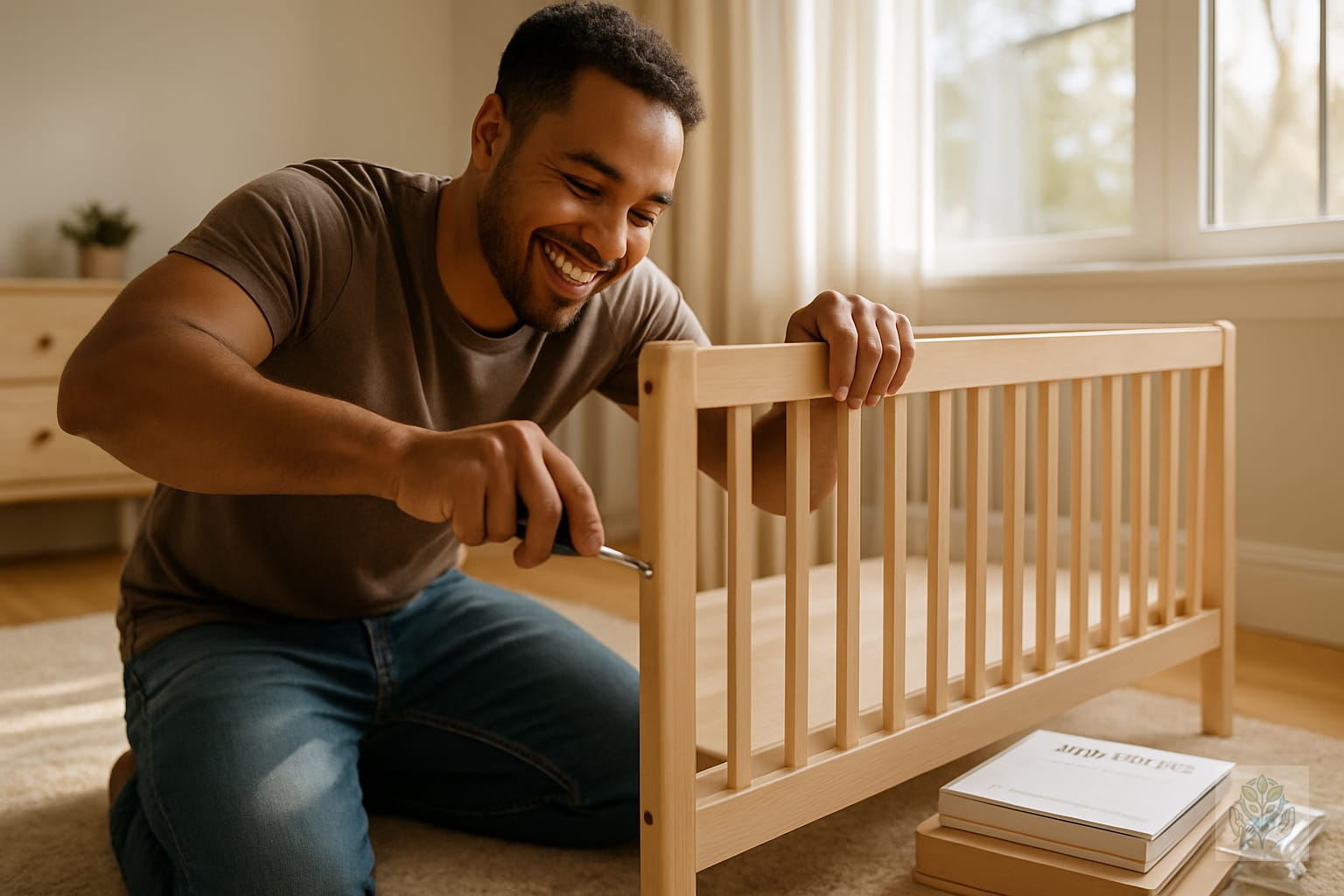
How to Choose Safe Baby Furniture for Your Home: A Parent’s Complete Safety Guide
Preparing for a new arrival is an exciting time, but it often brings a long to-do list. Among the most important tasks is setting up a nursery that acts as a secure sanctuary. Choosing safe baby furniture is not just about aesthetics; it is about creating an environment where your child can sleep, play, and grow without hidden hazards.
Many parents-to-be are surprised to learn that not all juvenile furniture is created equal. Older items or mass-produced pieces that do not meet current regulatory guidelines can harbor risks such as unstable construction or toxic chemicals. In this guide, we will walk you through the essential criteria for selecting pieces that prioritize your child’s well-being, from industry certifications to the importance of proper setup. You can also explore our essential furniture for a functional nursery for more tips on outfitting your space.
Understanding Safety Standards: What to Look For
When you start your search for safe baby furniture, you will quickly encounter various acronyms and labels. These are not just marketing fluff; they are vital benchmarks. The Consumer Product Safety Commission (CPSC) sets strict mandatory federal standards for items like cribs and playards. These regulations cover everything from structural integrity to the size of openings.
Beyond federal mandates, look for the Juvenile Products Manufacturers Association (JPMA) seal. A product with this certification has undergone independent laboratory testing to ensure it meets or exceeds ASTM standards. These standards are rigorously updated to address emerging safety concerns, such as improved locking mechanisms on crib sides or enhanced stability tests. Always remember to cross-reference your choices with our everything parents need to know about baby safety guide.
We strongly advise against using older hand-me-down furniture that predates these modern benchmarks. Safety regulations for cribs, in particular, changed significantly in 2011 to ban drop-side cribs and require more robust slat testing. If you cannot verify the manufacturing date or the safety history of a piece, it is safer to opt for new, certified equipment.
Material Matters: Non-Toxic and Sustainable Options
The materials used to construct your nursery furniture are just as important as the design. Many conventional furniture items, especially those made from particle board or MDF, use glues and finishes that contain Volatile Organic Compounds (VOCs). These chemicals can off-gas into the air your baby breathes, potentially causing respiratory irritation or other health concerns over time.
To minimize exposure, prioritize solid wood furniture finished with low-VOC or non-toxic paints and stains. When shopping, keep an eye out for GREENGUARD Gold certification. This third-party verification confirms that a product has been tested for chemical emissions and meets strict health-based criteria, making it a safer choice for a nursery environment.
If you are on a budget, consider looking for solid wood pieces that show their natural grain rather than heavily painted items. This is often an indication of higher quality construction and fewer hidden glues or synthetic resins. Whenever possible, let new furniture air out in a well-ventilated room for a few days before bringing the baby home. You may also want to read our advice on how to choose safe skin care products for babies to ensure other items in the room are equally clean and non-toxic.
Deep Dive: Essential Nursery Furniture Safety Checklist
Every piece of furniture requires a different safety approach. Use this checklist to evaluate the items you plan to bring into your nursery:
- Cribs: Ensure slat spacing is no wider than 2 3/8 inches to prevent head entrapment. The mattress should fit snugly, leaving no gaps where a finger can be inserted between the mattress and the crib side. For more on bedding, see our baby fitted sheets buying guide.
- Changing Tables: Always choose a table with a safety strap and a guard rail on all four sides. The height should be comfortable for you, but the most important factor is a stable base that will not wobble during a squirmy diaper change.
- Dressers: Look for drawers with safety stops that prevent them from being pulled out completely. If you are using a dresser as a changing station, ensure it is low enough to prevent falls and wide enough to accommodate a changing pad securely.
- Gliders and Rockers: Ensure all moving parts are enclosed to prevent little fingers from getting pinched. Test the base for stability to ensure it cannot easily tip backward or sideways while you are holding your baby.
The Importance of Furniture Anchoring
One of the most dangerous and overlooked risks in a home is furniture tip-over incidents. As children become mobile, they naturally reach for drawers to pull themselves up. Even a heavy piece of furniture can tip forward if multiple drawers are opened or if the child climbs on the front.
Every heavy item, including dressers, bookshelves, and armoires, should be secured to the wall using furniture anti-tip kits. These kits are inexpensive, easy to install, and essential for childproofing. Most modern furniture comes with pre-drilled holes or recommended attachment points. If yours does not, purchase a universal strap kit from a hardware store. Always use wall anchors appropriate for your wall type, such as studs or high-quality drywall anchors, to ensure a firm hold. For further protection, refer to our room-by-room safety guide to prevent common household accidents for babies.
Placement Strategy: Where to Put Your Furniture
Where you place your furniture matters just as much as what you buy. Proper layout can significantly reduce safety risks. Always position cribs and toddler beds away from windows, as blind cords and drapery pose a severe strangulation risk. You should also ensure the crib is not near electrical outlets or cords that could be pulled into the sleeping area. For more on creating a secure sleeping space, visit our guide on how to create a safer sleep environment for babies.
Avoid placing furniture near heating vents, space heaters, or radiators. These can cause your baby to overheat and may create a fire hazard if fabrics like curtains or blankets come into contact with the heat source. Finally, aim for a layout that keeps the crib in a central, draft-free spot while maintaining a clear path for you to walk safely through the room during middle-of-the-night feedings.
Smart Shopping: New vs. Used Furniture
While buying secondhand is a great way to be sustainable and budget-friendly, some items should always be purchased new. A new crib mattress is a non-negotiable safety requirement; older mattresses can harbor mold, dust mites, or sagging spots that create an uneven sleeping surface, which increases the risk of SIDS.
If you choose to purchase other nursery furniture used, do your due diligence. Check the CPSC website for product recalls using the manufacturer’s name and model number. Inspect items for structural damage, loose screws, or peeling paint that could be ingested. If a piece of furniture feels shaky or requires significant repairs to be stable, it is better to pass on it. You can browse our top 10 best baby products every new parent needs for reliable alternatives.
Conclusion
Creating a safe nursery is one of the most proactive ways you can prepare for your baby’s arrival. By prioritizing JPMA-certified gear, opting for non-toxic materials, and anchoring every piece of heavy furniture, you are building a secure foundation for your child. Remember, safe baby furniture is a long-term investment in your child’s environment.
You have the power to create a space that is both beautiful and protective. If you feel overwhelmed, remember to tackle one piece of furniture at a time. Once the main items are secured, you will feel much more confident and ready to enjoy those precious early days with your baby. For more help, check out our comprehensive baby-proofing checklist to ensure every corner of your home is just as safe as your nursery.
Frequently Asked Questions
What safety standards should I look for in baby furniture?
Look for mandatory CPSC federal safety standards and the JPMA certification seal, which indicates the product has passed rigorous independent testing for structural stability and safety.
Why are non-toxic materials important for nursery furniture?
Conventional furniture can release VOCs from glues and finishes, which may cause respiratory irritation. Non-toxic, low-VOC finishes and GREENGUARD Gold certified items ensure healthier air quality for your baby.
Is it safe to use second-hand baby furniture?
While some furniture can be bought used if checked for recalls and structural integrity, items like crib mattresses should always be purchased new to prevent SIDS risks and hygiene issues.
How do I prevent baby furniture from tipping over?
Always secure heavy items like dressers and bookshelves to the wall using furniture anti-tip kits or wall straps to prevent dangerous tip-over accidents as your child becomes mobile.
What are the spacing rules for crib slats?
Crib slats must be no wider than 2 3/8 inches apart to prevent your baby’s head from becoming entrapped between them.
Where should I place the crib in the nursery?
Position the crib away from windows, blind cords, electrical outlets, and heating vents to eliminate strangulation, fire, and overheating risks.


