

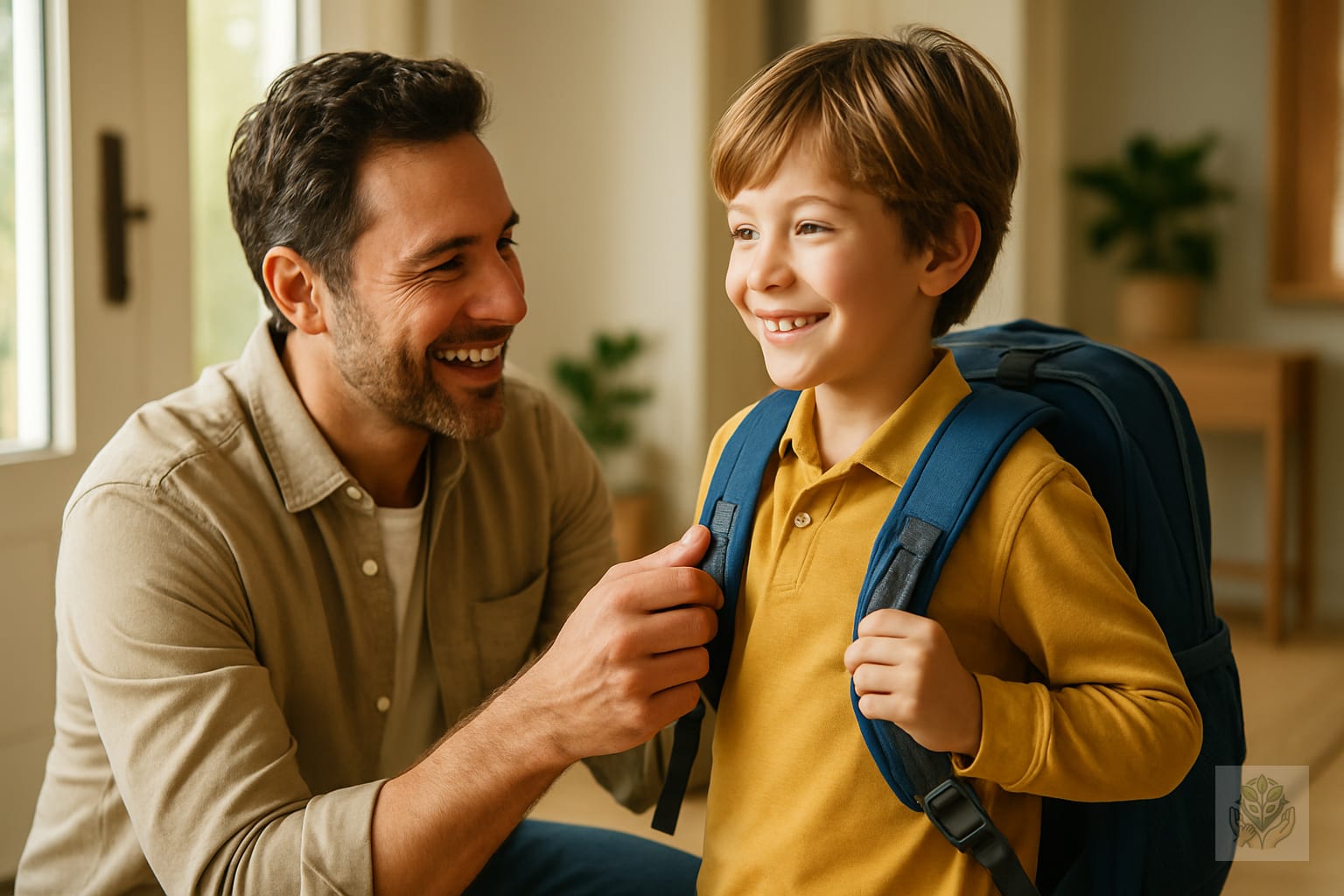
School Backpack Safety Tips for Parents: Protect Your Child’s Spine
The back-to-school season brings a whirlwind of excitement. Children eagerly pick out shiny new notebooks, colorful folders, and trendy outfits. Amidst the hustle and bustle of shopping, parents often overlook one of the most critical health investments of the school year: proper school backpack safety. While a bag may look stylish, an ill-fitting or overloaded pack can pose a hidden danger to a child’s physical health.
Pediatricians and physical therapists treat thousands of children each year for preventable strain and injuries caused by improperly worn or overly heavy bags. When kids sling a massive load over one shoulder day after day, their growing bodies compensate in unhealthy ways. Fortunately, by focusing on proper selection, smart packing, and correct wearing techniques, you can easily protect your child’s posture and overall physical well-being. For younger children transitioning into early routines, you can also explore our daily routine for kids by age guide to ensure balanced physical habits.
Why School Backpack Safety Matters
Children are not miniature adults. Their spines, bones, and muscles are still developing, making them particularly vulnerable to physical stress. When a child carries a heavy load, their body naturally leans forward to compensate, which distorts the natural curves of the spine. This unnatural posture can lead to muscle strain, fatigue, and chronic discomfort.
Common symptoms of backpack strain go far beyond simple muscle soreness. Many children complain of neck pain, shoulder tension, lower back aches, and even tingling or numbness in their arms and hands. If left unaddressed, poor carrying habits during childhood can lead to long-term orthopedic implications, including chronic back conditions and permanent postural imbalances that persist into adulthood.
The Golden Rule: The 10-15% Weight Limit
The single most effective way to prevent injury is to monitor the weight of the bag. As a general rule of thumb, a loaded backpack should never exceed 10% to 15% of your child’s total body weight. For example, if your elementary schooler weighs sixty pounds, their loaded bag should weigh no more than six to nine pounds.
To put this into perspective, a child weighing eighty pounds should carry a maximum of eight to twelve pounds. Heavier loads force the spinal muscles to work overtime, leading to rapid fatigue. You can easily check this at home using a standard bathroom scale. Weigh yourself first, then step on the scale while holding your child’s packed school bag, and subtract your weight to find the difference.
How to Choose the Right School Backpack
When shopping for a new school year, parents should prioritize ergonomics over aesthetics. A well-designed bag supports the body and distributes weight evenly. Look for features that actively protect your child’s posture, similar to how you look for proper support when reviewing options in a best school bags for kids guide.
- Wide, padded shoulder straps: Narrow straps can dig into the shoulders, pinching nerves and cutting off circulation. Padded straps cushion the load and distribute pressure evenly.
- A padded back panel: This adds comfort and protects the child from being poked by sharp objects, notebooks, or binders stored inside.
- A waist strap or chest strap: These crucial features help transfer some of the heavy load from the shoulders and spine to the hips and pelvis.
- Proportionate size: The bag should never be wider or longer than your child’s torso. Avoid buying an oversized bag with the idea that your child will grow into it.
Smart Packing: How to Organize a School Backpack
Even a well-designed bag can cause strain if it is packed incorrectly. Teaching your child how to organize their belongings is an essential part of school backpack safety. The goal is to keep the center of gravity as close to the body as possible.
Always place the heaviest items, such as large textbooks and heavy binders, closest to the center of the child’s back. Utilize multiple compartments to keep items from shifting around during transit, which can throw off a child’s balance while walking. Finally, encourage your kids to declutter regularly. Have them review their contents daily and leave unnecessary books or toys at home rather than hauling them back and forth. For more structured study habits at home, consider looking into top kids study tables & chairs for better focus.
Proper Wearing Techniques
Having the right bag and packing it correctly is only half the battle. How your child wears the bag makes a tremendous difference. One of the most common mistakes children make is slinging the bag over just one shoulder to look cool.
Always insist that your child uses both shoulder straps. Slinging a bag over a single shoulder forces the child to lean to one side, creating a severe muscle imbalance and spinal curvature. Adjust the shoulder straps so that the bag fits snugly against the center of the back. A properly adjusted bag should rest evenly in the middle of the back, with the bottom sitting no more than two inches below the waistline. If the bag sags down toward the buttocks, it is hanging too low and pulling the child backward.
Alternatives to Traditional Backpacks
If your child’s daily load remains too heavy despite your best efforts, you might consider alternative options. Rolling backpacks are a popular choice for reducing spinal weight entirely. They are fantastic for long walks on smooth pavement, but they do have drawbacks. Rolling bags can be difficult to maneuver up and down school stairs and are impractical in muddy or snowy weather.
Another great strategy is teaching your child how to utilize their school locker effectively. Encourage them to make strategic trips to their locker between classes to swap out books rather than carrying every single subject’s materials all day long. To keep their energy levels up after a long school day, you can also prepare nutritious snacks, such as those found in our top 7 healthy snacks for kids guide.
Conclusion
Protecting your child’s growing spine does not have to be complicated. By sticking to the 10-15% weight limit, choosing an ergonomic design with wide padded straps, and ensuring your child always wears both shoulder straps correctly, you can prevent unnecessary strain and injury.
Make it a habit to do a backpack check before the school year starts, and perform follow-up weight checks mid-term to ensure bad habits have not crept back in. Your proactive steps today will support your child’s posture, comfort, and healthy development for years to come.
Frequently Asked Questions
How heavy should a child’s school backpack be?
A child’s loaded backpack should never exceed 10% to 15% of their total body weight to prevent strain on their developing spine and muscles.
Why is wearing a backpack over one shoulder bad?
Slinging a bag over one shoulder forces the child to lean to one side to compensate for the weight, which creates muscle imbalance, poor posture, and spinal strain.
What features should I look for when buying a school backpack?
Look for wide, padded shoulder straps, a padded back panel, waist or chest straps for weight distribution, and a size that is proportionate to your child’s torso.
How can I check if my child’s backpack is too heavy?
You can use a bathroom scale to weigh yourself first, and then weigh yourself while holding your child’s packed backpack. Subtract your weight to find the exact load.
Where should the heaviest items be placed inside a backpack?
The heaviest items, such as large textbooks and binders, should always be placed closest to the center of the child’s back to keep their center of gravity stable.
Are rolling backpacks a good alternative for kids?
Rolling backpacks are great for reducing spinal weight on smooth surfaces, but they can be difficult to carry up stairs and impractical in bad weather.


