

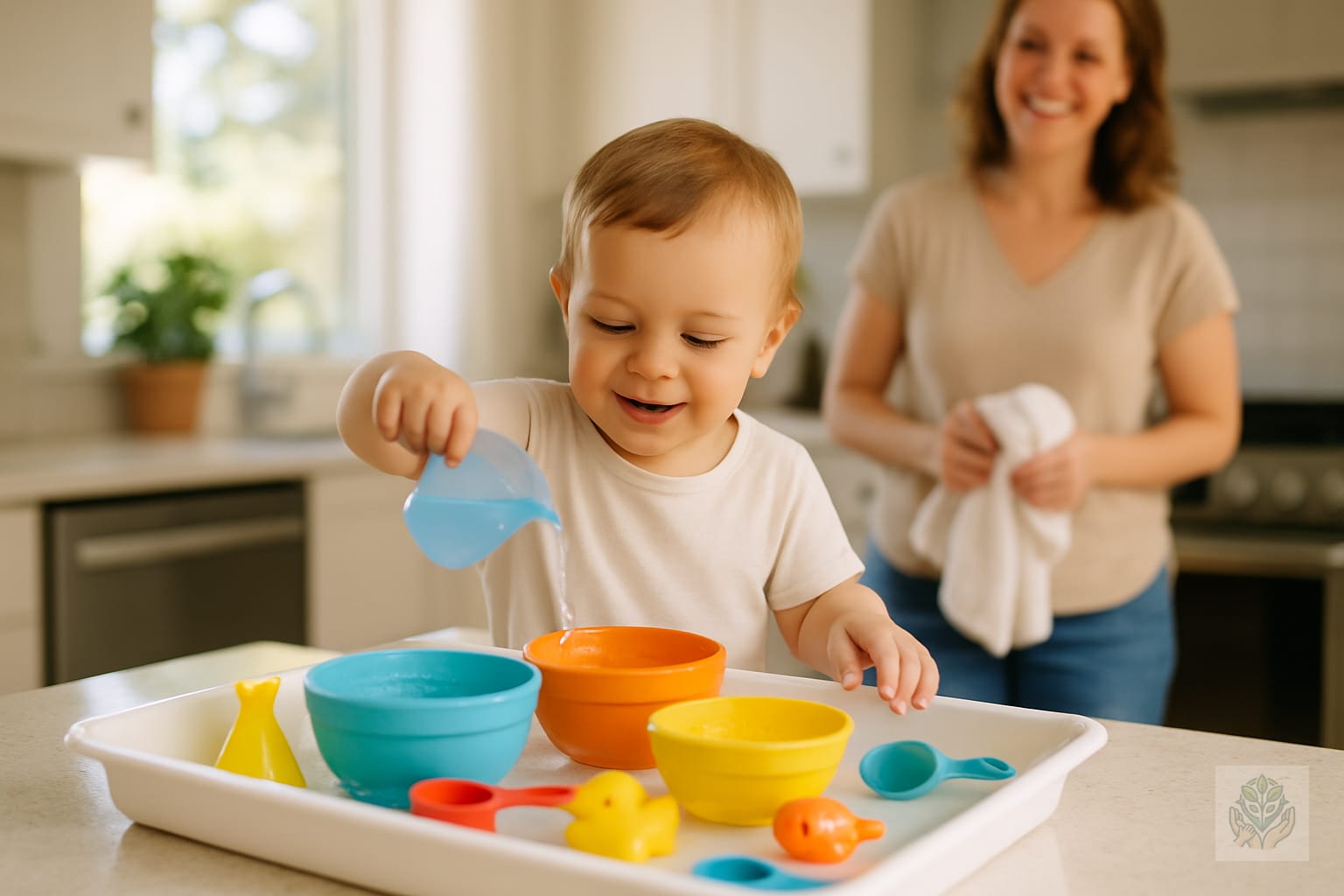
15 Engaging Screen-Free Water Activities for Toddlers to Beat the Boredom
As a parent, you know the struggle of the afternoon slump. When the toys are scattered, the books have been read for the third time, and the temptation to turn on the television is strong, it is time to pivot. Finding screen-free water activities for toddlers is one of the most effective ways to break the monotony of the day while supporting your child’s natural curiosity.
Water play is more than just a way to stay cool; it is a powerful tool for cognitive and physical development. By engaging in hands-on exploration, your toddler learns about science, physics, and sensory integration, all while having a blast. Let’s dive into these 15 simple, engaging, and screen-free ideas to help you conquer boredom.
Why Screen-Free Water Play is Essential for Toddler Development
In an age dominated by digital stimuli, prioritizing screen-free play is a gift to your child’s developing brain. Water play provides a tactile experience that screens simply cannot replicate. When a toddler splashes, pours, or drips water, they are engaging multiple senses at once, which builds neural pathways and fosters deep focus. For more inspiration on keeping little ones entertained without devices, check out our guide on indoor toddler activities.
Beyond the brain benefits, these activities allow children to practice self-regulation. There is something inherently calming about the rhythmic motion of pouring water or the soft sound of splashing. These screen-free water activities for toddlers help channel high energy into productive, quiet play, leaving both parent and child feeling refreshed.
Benefits of Sensory Water Play
Sensory play is a cornerstone of early childhood development. When children manipulate water, they encounter concepts like volume, buoyancy, and temperature. This is early-stage STEM learning in its purest form. They learn that a heavy rock sinks while a plastic boat floats, and that water can change shape depending on the container it occupies. You can discover more concepts like this in our educational STEM toys guide.
Furthermore, these activities improve fine motor skills. Using droppers, squeeze bottles, sponges, and cups requires coordination and grip strength. These small movements are the foundation for future skills like holding a pencil, using scissors, and performing daily tasks like zipping up a jacket. If you want to build these abilities further, try exploring these hand strengthening activities for preschoolers.
Safety First: Essential Tips for Water Play with Toddlers
Before you begin, safety must remain the top priority. Even a small amount of water requires your undivided attention. Never leave a toddler unattended near water, regardless of how shallow the basin or pool may be. Always keep a towel nearby to clean up spills immediately, preventing slip-and-fall accidents.
Choose non-toxic, age-appropriate tools for your activities. Avoid small items that could become a choking hazard. If you are playing outdoors, ensure your toddler is protected with sunscreen and shade to prevent overheating during long play sessions.
Outdoor Screen-Free Water Activities
1. DIY Backyard Car Wash
Set up a mini car wash for your child’s plastic ride-on toys, wagons, or tricycles. Fill a bucket with soap and water, provide a few sponges or a soft scrub brush, and let them get to work. It is a fantastic way to teach them about cleaning up while they enjoy the sudsy mess.
2. Water Table Painting with Paintbrushes
You do not always need actual paint to create art. Give your toddler a bucket of water and a variety of paintbrushes. Let them paint the fence, the patio, or the side of the house. The water darkens the surface, creating a temporary masterpiece that disappears as it evaporates.
3. Rescue the Frozen Toys
Freeze small plastic dinosaurs or waterproof figurines in a container of water the night before. The next day, provide your toddler with a spray bottle of warm water or a small brush and invite them to help the animals escape from the ice. This is an excellent exercise in patience and problem-solving.
4. Bubble Foam Station
Mix two parts water with one part tear-free bubble bath or mild dish soap in a blender until it creates stiff, fluffy peaks. Scoop the foam into a large bin, add some scoops or bowls, and let your child explore the sensory texture of the bubbles. It is tactile, safe, and incredibly fun.
5. Sponge Relay Race
Place two buckets several feet apart. Fill one with water and leave the other empty. Your toddler’s goal is to move the water from the full bucket to the empty one using only a sponge. It is a simple game that keeps them moving and focused on the task at hand. For even more ways to keep kids active, browse our collection of movement activities for kids at home.
Indoor Water Play Ideas (When You’re Stuck Inside)
6. Bath Time Glow-in-the-Dark Fun
Transform the bathroom into a magical space by using waterproof glow sticks or LED submersible lights. Dim the lights and let your toddler play with their toys in the glowing water. It turns a routine bath into a sensory-rich, calming experience that prepares them for bedtime. You can establish even smoother routines with tips from our daily routine guide for kids.
7. Kitchen Sink Sorting and Pouring
The kitchen sink is the ultimate indoor water station. Gather various containers, measuring cups, and funnels. Allow your toddler to experiment with pouring water between containers, which helps them understand capacity and volume. Sorting waterproof toys into different colored bowls also adds a cognitive layer to the fun.
8. Animal Washing Station
Fill a plastic bin with warm, soapy water and gather all the plastic toy animals from the playroom. Provide a scrub brush or a soft cloth so your toddler can bathe the animals. It is a quiet, gentle activity that mimics caregiving and promotes empathy. Roleplay like this pairs wonderfully with insights from our article on the educational benefits of pretend play.
9. Tea Party with Colored Water
Add a drop of food coloring to a pitcher of water. Provide plastic tea sets and let your child serve tea to their stuffed animals. Using different colors of water allows them to practice pouring without the risk of staining your carpets with actual juice or tea.
Educational Water Activities for Preschoolers
10. Sink or Float Experiment
Gather a collection of random objects from around the house—a leaf, a coin, a Lego brick, a spoon. Before placing each item in a basin of water, ask your toddler if they think it will sink or float. This introduces the scientific method and critical thinking skills in an approachable way.
11. Measuring and Pouring Station
Set up a station with various graduated cylinders, measuring cups, and pitchers. Label the containers with lines or numbers if you want to emphasize math, or simply let them explore how many small cups it takes to fill one large bowl. This builds early mathematical fluency and spatial awareness.
Tips for Keeping the Mess Under Control
The biggest deterrent for parents is the potential cleanup. To keep the mess manageable, try placing a waterproof picnic blanket or a large plastic shower curtain liner under your play area. When the activity is over, simply shake the mat off outside or wipe it down. Keeping a pile of old towels nearby is also essential for quickly addressing any spills.
Conclusion: Making Screen-Free Play a Habit
Incorporating screen-free water activities for toddlers into your weekly routine does not have to be complicated. By starting small and utilizing items you already have at home, you can create a world of wonder for your child. These moments of play provide more than just entertainment; they foster resilience, creativity, and a lifelong love of learning. Next time you feel the urge to hand over a tablet, try filling a bucket with water instead—the results will surprise you. For additional ideas to expand your play repertoire, check out our favorite family water play activities.
Frequently Asked Questions
Why is water play important for toddlers?
Water play supports cognitive and physical development by introducing early STEM concepts like volume and buoyancy, while also improving fine motor skills through pouring, splashing, and squeezing.
How can I keep indoor water play from making a big mess?
To manage the mess indoors, place a large plastic shower curtain liner or a waterproof picnic blanket beneath the play area. Keep old towels nearby to quickly wipe up any accidental spills.
Are these water activities safe for all toddlers?
Yes, but direct adult supervision is mandatory at all times. Always use non-toxic, age-appropriate materials and avoid small items that could pose a choking hazard.
What are some easy outdoor water activities for toddlers?
Great outdoor options include setting up a DIY backyard car wash for ride-on toys, painting fences with water and brushes, or staging a sponge relay race between buckets.
How can water play teach toddlers science?
Activities like the sink-or-float experiment introduce toddlers to the scientific method by helping them observe and predict whether various household objects will float or sink.
What can I do if my toddler gets bored inside on a rainy day?
You can transform indoor time with a kitchen sink pouring station, a bath time glow-in-the-dark sensory experience, or an animal washing station using plastic toys and soapy water.


