

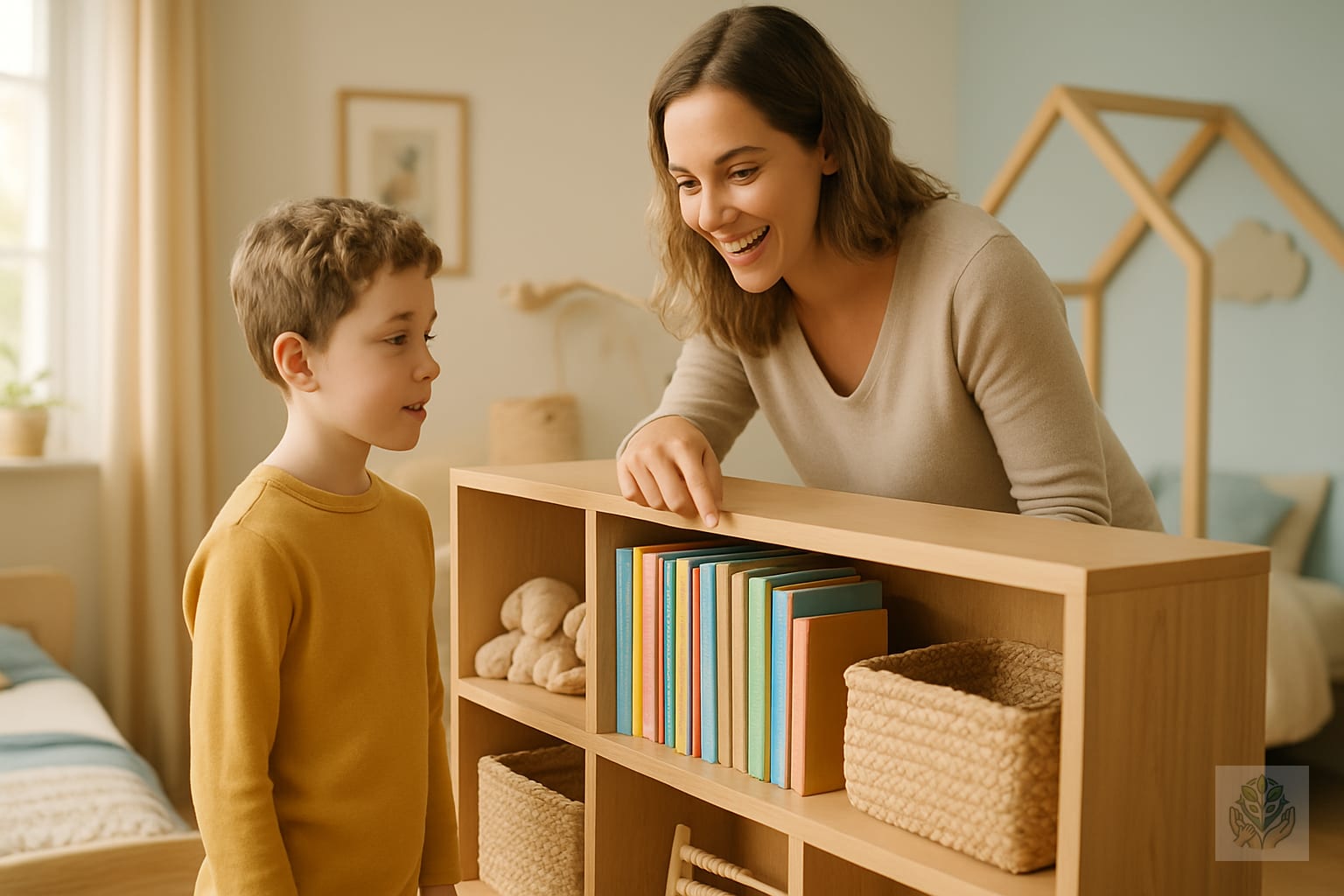
10 Genius Shelf Organization Ideas for Children’s Rooms to Reduce Clutter
If you have ever stepped on a rogue LEGO brick or struggled to close a toy bin overflowing with puzzle pieces, you know that the battle against clutter in a child’s bedroom is real. As parents, we often feel like we are constantly picking up after our little ones, but the truth is that the right storage solutions can make a world of difference. Implementing effective shelf organization ideas for children’s rooms does more than just make the space look neat; it creates a calming environment that promotes focus, play, and better sleep.
In this guide, we will explore practical, stylish, and functional ways to manage your child’s belongings. By setting up the right systems, you aren’t just cleaning up; you are teaching your children valuable life skills about responsibility and care for their possessions. If you want to foster these habits further, check out our guide on 7 positive parenting habits for raising confident and caring kids.
The Foundation: Assessing Your Child’s Storage Needs
Before you run to the home goods store for new bins, take a moment to assess what you actually have. Start by categorizing items into groups like books, building sets, arts and crafts, and special keepsakes. This audit helps you see the scale of the storage required.
Next, apply the less is more rule. Children often play more creatively when they aren’t overwhelmed by too many choices. Before organizing, go through your child’s toys and prune items that are broken, outgrown, or rarely used. A good rule of thumb is to keep only what truly engages your child, making the remaining items much easier to manage on your new shelving units. You can also explore the ultimate beginner’s guide to buying age-appropriate toys to ensure the items you keep are developmentally beneficial.
10 Best Shelf Organization Ideas for Children’s Rooms
Once you have streamlined your inventory, it is time to get creative with your storage. Here are 10 genius ways to master shelf organization.
1. Open Cubby Systems for Easy Access
Open cubby shelves are a game-changer for younger children. Because they lack doors or lids, children can see exactly what they want without dumping an entire toy box on the floor. Assign one specific category to each cubby, such as cars in one and dolls in another. For those who prefer this style, read more about 10 clever open storage ideas for a Montessori-inspired kids’ room.
2. The ‘Rotation’ Method: Using Bins to Hide Clutter
If you have a large collection of toys, keep only a portion on the shelves at any given time. Place the remainder in bins in a closet. Rotate these items every few weeks. This keeps the room feeling fresh and makes your child feel like they are getting new toys without you spending a dime.
3. Face-Out Book Shelving to Encourage Reading
Books are often the most cluttered items in a room. Instead of stacking them spine-out, where titles are hard to read, use narrow floating ledges to display books face-out. This acts as wall art and makes it significantly more likely that your child will reach for a book to read. You can also review the ultimate guide to age-appropriate books for toddlers and preschoolers to curate the perfect collection.
4. Wall-Mounted Floating Shelves for Displaying Keepsakes
Every child has special items that aren’t necessarily for daily play, like a handcrafted trophy, a favorite framed photo, or a special model. Use wall-mounted floating shelves placed high enough to protect these fragile items while still allowing them to be enjoyed visually.
5. Color-Coded Organization for Visual Appeal
If you struggle with how to arrange toys, try color-coding. Arranging items by color can make a shelf look intentionally designed rather than messy. This works particularly well for collections of small plastic animals or building blocks.
6. Using Labels (Pictures vs. Words) for Toddler Autonomy
To foster independence, your child needs to know where things go. For toddlers, attach picture labels to the front of bins. For school-aged children, use word labels. This removes the guesswork from clean-up time and empowers them to manage their own space.
7. Incorporating Woven Baskets for Soft Toy Storage
Stuffed animals are notoriously difficult to stack. Large woven baskets placed on the bottom shelf of a bookcase are perfect for corralling soft toys. They look beautiful, provide a quick catch-all for cleaning, and add texture to the room.
8. Vertical Shelving Units to Maximize Small Spaces
In a small bedroom, floor space is gold. Use vertical shelving units that reach toward the ceiling. Keep frequently used items on the lower shelves and reserve the higher, harder-to-reach shelves for seasonal items or bins that require adult supervision.
9. Under-Shelf Hanging Organizers
Make use of the space between your shelves. Under-shelf wire baskets can slide onto existing shelf boards to provide extra space for small items like coloring books or individual doll accessories, ensuring that no vertical space is wasted.
10. Converting Standard Bookshelves into Toy Centers
You don’t need expensive toy storage furniture. A standard, sturdy bookshelf can become a toy center. Simply remove a few middle shelves to create “rooms” for larger toys or dollhouses, essentially turning a book storage unit into an active play space.
Safety First: Anchoring and Placement
While organization is essential, safety is the priority. Always anchor any shelving unit to the wall using furniture straps to prevent tipping, especially in rooms with active toddlers. Furthermore, consider the height of your shelves. Always place the heaviest items on the bottom to lower the center of gravity and keep the most popular toys at your child’s eye level to ensure they can reach them safely. For more tips on keeping your home secure, refer to our everything parents need to know about baby safety: the ultimate guide.
Budget-Friendly Tips for Stylish Storage
You don’t need to break the bank to achieve an organized room. Look for pre-loved wooden bookcases at thrift stores and give them a fresh coat of low-VOC paint. Use inexpensive storage bins and line them with fun fabrics to match your room’s decor. Even simple cardboard boxes can look high-end when covered in decorative contact paper.
How to Maintain the Organization Long-Term
Organization is not a one-time project; it is a habit. Create a daily ‘tidy-up’ ritual, perhaps before bath time or dinner. Turn on some music and make it a game. When you involve your child in the process, they take ownership of their space. As your child grows, be prepared to adjust your systems. Their needs at age four will be very different from their needs at age ten, and your storage should evolve along with them.
Conclusion
By implementing these shelf organization ideas for children’s rooms, you can create a space that is both functional and inviting. Remember that the goal is to simplify, not to reach perfection. A well-organized room provides the calm foundation your child needs to thrive. Which of these organization hacks are you planning to try first? Share your favorite tips in the comments below!
Frequently Asked Questions
How can I organize a child’s bookshelf effectively?
You can organize a child’s bookshelf by categorizing items, using face-out book displays for easy reading, color-coding blocks, and combining open cubbies with woven baskets for hidden storage.
What is the best way to store stuffed animals on shelves?
Large woven baskets placed on the bottom shelves are ideal for corralling soft toys and stuffed animals, keeping them neat while adding nice texture to the room.
How do I encourage my toddler to clean up their toys?
Use picture labels on bins for younger children and word labels for older kids. This provides clear visual cues so they know exactly where items belong, fostering independence.
Are open shelves safe for toddlers’ rooms?
Open shelves are great for accessibility, but safety is paramount. Always anchor all shelving units securely to the wall using furniture straps to prevent tipping.
What is the toy rotation method for shelves?
The toy rotation method involves keeping only a small selection of toys on the shelves at a time and storing the rest in closets. Rotate them every few weeks to keep play fresh.
How can I maximize storage in a small children’s room?
Use vertical shelving units that reach toward the ceiling, under-shelf hanging wire baskets, and multi-functional bookshelves to make the most of limited floor space.


