

“`html
The Ultimate Sports Equipment Guide for Active Kids: Safety, Sizing & Gear by Age
Fueling the Fun: Why the Right Sports Equipment Matters for Kids
Physical activity is the cornerstone of healthy childhood development. Whether your child is sprinting across a soccer field, learning to balance on a bicycle, or stepping up to home plate for the first time, movement builds strength, confidence, and lifelong healthy habits. As parents, watching our kids discover a passion for sports is incredibly rewarding. However, keeping them safe while they play is always our top priority.
One of the most effective ways to prevent injuries and boost your child is confidence on the field is by ensuring they use proper-fitting gear. Ill-fitting equipment can hinder performance, cause painful blisters, and, most importantly, fail to protect vulnerable joints and developing bones. When children feel comfortable and secure in their gear, they can focus entirely on having fun and learning new skills.
This comprehensive guide will walk you through everything you need to know about outfitting your young athlete. From golden rules of purchasing and age-by-age breakdowns to essential protective gear checklists and sport-specific insights, we are here to help you navigate the world of children is sports equipment with ease.
Before You Buy: 4 Golden Rules for Choosing Children is Sports Equipment
Shopping for growing kids can feel like a moving target. To help you make smart, safe, and cost-effective choices, keep these four golden rules in mind before swiping your credit card.
Rule 1: Never Buy to Grow Into
It is tempting to size up so your child can wear expensive cleats or helmets for more than one season. However, buying oversized equipment is a serious safety hazard. An oversized helmet can shift during a fall, leaving the head unprotected, while oversized shoes can cause tripping, severe blisters, and ankle sprains. Always buy gear that fits snugly and correctly right now.
Rule 2: Prioritize Safety Certifications
Not all gear is created equal. When purchasing protective equipment like helmets and pads, always look for recognized safety certifications. Check labels for standards set by organizations such as NOCSAE (National Operating Committee on Standards for Athletic Equipment), ASTM International, and the CPSC (Consumer Product Safety Commission). These seals guarantee the product has undergone rigorous impact testing.
Rule 3: Balance Quality with Rapid Growth
Because kids grow out of things so quickly, striking a balance between quality and cost is essential. For non-safety items like practice jerseys, pants, and certain bats or rackets, you can easily opt for mid-tier brands or secondhand options. However, never compromise on the quality of items directly responsible for protecting your child is physical safety.
Rule 4: Involve Your Child in the Selection Process
If your child hates how a piece of equipment feels, they simply will not wear it correctly. Involve them in trying on items to check for comfort, pinching, or rubbing. When kids have a say in choosing the color or style of their gear, they are much more excited to put it on and head out to practice.
Age-Appropriate Gear: What Your Child Needs and When
Children develop physically and cognitively at astonishing rates. The type of gear your child needs depends heavily on their current developmental stage.
Toddlers and Preschoolers (Ages 3-5)
At this stage, the primary focus is on unstructured play, gross motor skill development, and coordination. Forget complex rules and heavy gear. Instead, look for lightweight, soft-impact equipment designed to build confidence without frustration.
- Foam balls and oversized soft baseballs that do not sting upon impact.
- Balance bikes and pedal bikes with appropriately sized hand brakes or coaster brakes.
- Adjustable basketball hoops paired with lightweight, small-circumference basketballs.
- Basic multi-sport helmets certified for cycling and scootering.
Early Elementary (Ages 6-8)
This is when many children are introduced to organized sports leagues like tee-ball, youth soccer, and introductory swim lessons. Basic protective gear becomes essential.
- Comfortable, properly fitted youth shin guards for soccer.
- Lightweight aluminum or composite bats sized correctly for their height and weight.
- Junior-sized tennis rackets that measure between 19 and 23 inches, depending on child height.
- Certified sports helmets for cycling, skating, and baseball.
Tweens and Early Teens (Ages 9-14)
As kids enter middle school, sports often become more competitive, leading to sport-specific specialization. High-performance gear and critical safety upgrades are necessary during these growth spurts. Maintaining a consistent daily routine for kids helps them manage the demands of school and athletics.
- Sport-specific footwear with proper ankle and arch support.
- Upgraded protective gear built for higher speeds and increased physical contact.
- Custom-fit mouthguards for high-impact sports like football, basketball, and field hockey.
Safety First: The Ultimate Youth Protective Gear Checklist
Protecting your child is developing body is non-negotiable. Use this checklist to ensure your young athlete is fully protected before stepping onto the court, field, or rink.
Helmets
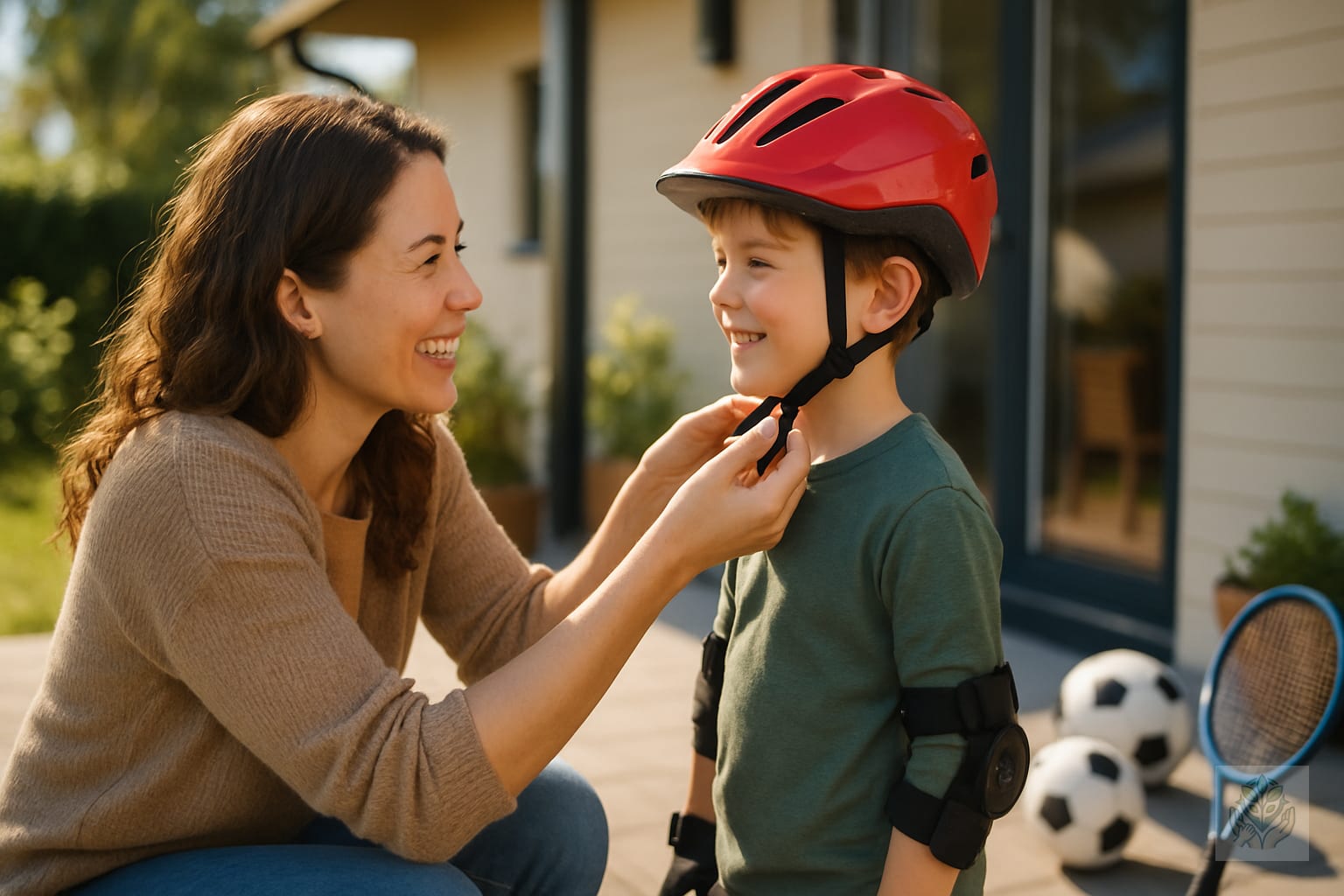
Never assume a bicycle helmet works for football, baseball, or skateboarding. Ensure the helmet is rated specifically for the sport your child is playing. The helmet should sit level on the head, two finger-widths above the eyebrows, with a snug chin strap.
Mouthguards
Dental injuries are among the most common youth sports injuries. While boil-and-bite mouthguards offer a decent, affordable fit, custom-fit mouthguards provided by a dentist offer superior comfort and protection, making it much easier for kids to breathe and speak clearly.
Eye Protection
Standard eyeglasses shatter upon impact. For sports like basketball, racquetball, and soccer, invest in ASTM-certified sports goggles featuring shatter-resistant polycarbonate lenses to protect your child is vision.
Joint Protection
Knee pads, elbow pads, and wrist guards are essential for activities involving wheels, such as skateboarding, roller skating, and aggressive scootering. Ensure the hard plastic caps sit squarely over the joint for maximum shock absorption.
Gear Up: Sport-Specific Buying Guides for Popular Kids Activities
Every sport has unique equipment demands. Here is how to outfit your child correctly for some of the most popular youth activities.
Soccer
Soccer requires minimal gear, but what you need must fit precisely. Cleats should be snug with no room for the foot to slide around inside, featuring molded rubber studs appropriate for grass or turf. Shin guards must cover the lower shin adequately and be held firmly in place by socks or sleeves. Soccer balls come in sizes 3 (ages 8 and under), 4 (ages 9-12), and 5 (ages 13 and up).
Baseball and Softball
Bat sizing is critical in baseball and softball. A bat that is too heavy ruins hitting mechanics, while one that is too light sacrifices power. Check league rules regarding USA Baseball or USSSA bat standards before buying. Always pair the bat with a NOCSAE-certified batting helmet featuring a secure face guard, a well-broken-in leather glove, and molded cleats.
Basketball
Basketball gear is refreshingly straightforward. The most important investment is a pair of high-top or supportive mid-top court shoes that stabilize growing ankles during rapid cuts and jumps. Choose a Size 5 basketball for ages 9 and under, and a Size 6 ball for girls of all ages and boys ages 9 to 11.
Racket Sports (Tennis and Badminton)
For tennis and badminton, racket length is determined by your child is height, not age. Have your child stand holding the racket down by their side; the tip of the racket should hover just an inch or two above the ground without touching it. Pair a lightweight aluminum frame with non-marking court shoes to prevent slipping on indoor or outdoor hard courts.
How to Outfit Active Kids Without Breaking the Bank
Outfitting growing athletes season after season can stretch any family budget. Fortunately, there are plenty of smart ways to save money without compromising on safety.
Take advantage of local community sports equipment swaps, secondhand sporting goods stores, and seasonal league gear-share programs. Many families are eager to pass along barely used cleats, bats, and pads that their children outgrew in a matter of months. Hand-me-downs from older siblings, cousins, or neighbors are another fantastic way to keep costs down.
However, remember the golden rule of safety: never buy used helmets. A previously crashed or structurally compromised helmet may have invisible micro-fractures that render it useless in a subsequent impact. Always buy helmets brand new from trusted retailers.
Ready, Set, Play! Setting Your Child Up for a Lifetime of Fitness
Equipping your child for sports is about much more than just buying gear; it is about setting the stage for a lifetime of health, confidence, and joy in physical movement. By prioritizing safety certifications, avoiding the trap of oversized items, and selecting age-appropriate equipment, you give your child the tools they need to thrive safely.
Keep the atmosphere fun, positive, and pressure-free. Celebrate the effort, cheer for the progress, and watch as your active child discovers the magic of play. Do you have a favorite brand of kids sports gear or a clever money-saving tip for outfitting growing athletes? Share your thoughts and experiences in the comments below!
“`
Frequently Asked Questions
Why should I avoid buying sports equipment that is too big for my child to grow into?
Buying oversized equipment is a serious safety hazard. An oversized helmet can shift during a fall, leaving the head unprotected, while oversized shoes can cause tripping, severe blisters, and ankle sprains.
What safety certifications should I look for when buying kids sports helmets?
Look for labels and standards set by recognized organizations such as NOCSAE, ASTM International, and the CPSC, which guarantee the product has undergone rigorous impact testing.
What kind of sports gear is recommended for toddlers and preschoolers ages 3 to 5?
Focus on lightweight, soft-impact equipment like foam balls, balance bikes, adjustable basketball hoops, and basic multi-sport helmets certified for cycling and scootering.
How do I ensure a bicycle helmet fits my child correctly?
The helmet should sit level on the head, two finger-widths above the eyebrows, with a snug and secure chin strap. Never use a bicycle helmet for contact sports like football.
Is it safe to buy used sports equipment for my children?
You can safely buy secondhand non-safety items like jerseys and bats. However, you should never buy used helmets because they may have invisible micro-fractures from previous impacts.
How do I choose the correct tennis racket size for my child?
Racket length is determined by your child’s height rather than age. Have your child stand holding the racket down by their side; the tip should hover an inch or two above the ground.


