

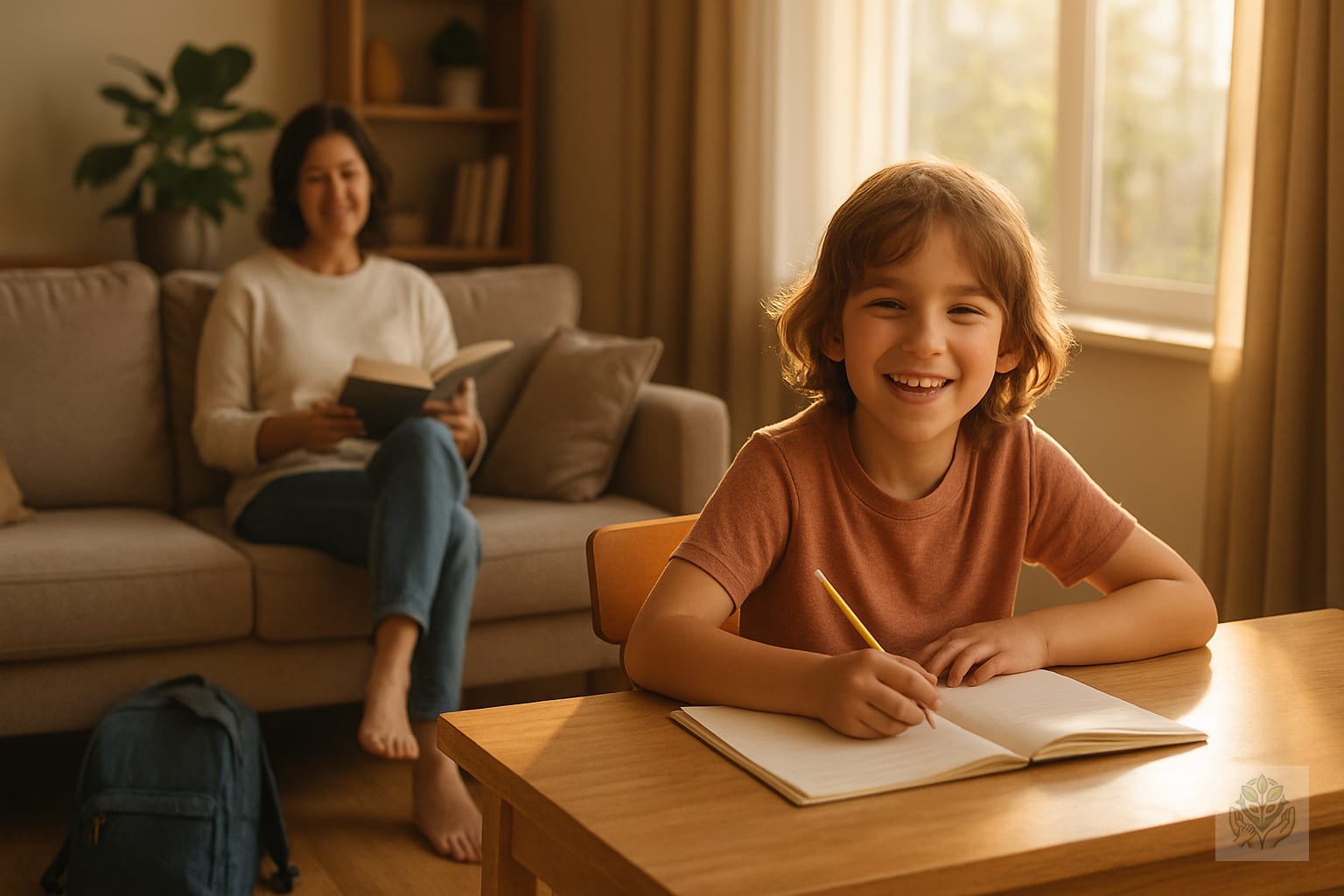
10 Stress-Free After-School Routine Ideas for Kids (That Actually Work)
If you feel like the atmosphere in your home shifts from calm to chaotic the moment the front door opens, you are certainly not alone. The transition from the structured environment of a classroom to the relative freedom of home is a major hurdle for many children. This period, often referred to as the after-school slump, is when tired minds and restless bodies collide, frequently resulting in meltdowns and resistance.
Establishing consistent stress-free after-school routine ideas can be a game-changer for your family. By creating a reliable rhythm, you provide your child with the predictability they need to decompress while setting the stage for a productive evening. When kids know what to expect, the power struggles over homework and chores tend to fade, replaced by a smoother, more cooperative flow.
Why Kids Need an After-School Routine
Children thrive when they know the expectations of their day. A structured routine acts as a scaffold for their development. First, it significantly reduces decision fatigue. When a child knows exactly what happens after they drop their backpack, they do not have to waste precious mental energy debating what to do next. This helps parents avoid the constant cycle of nagging and reminders. For younger children, you can also look into a daily routine for kids by age to ensure consistency throughout the day.
Furthermore, routines provide vital emotional security. After a long day of navigating social dynamics, following complex instructions, and holding it together in class, home should feel like a safe harbor. Predictability tells a child’s brain that they are safe and cared for, which lowers anxiety. Finally, these routines are the building blocks of independence. Over time, your child will learn to manage their own time and responsibilities without needing a constant parental nudge.
The 4 Pillars of a Successful After-School Routine
To build a foundation that actually works, your after-school plan should prioritize four essential pillars: decompression, connection, responsibility, and play. These elements balance the intensity of the school day with the need for home-based recovery.
- Decompression: This is the non-negotiable period for a snack and sensory quiet time.
- Connection: Quality time allows you to reconnect and hear about their day.
- Responsibility: This covers essential tasks like homework, chores, and preparing for the next morning.
- Activity and Play: Whether it is extracurriculars or free time, movement is vital to shake off the school day. You can try 15 easy movement activities for kids at home to help them burn off excess energy.
10 Practical After-School Routine Ideas to Try
Implementing these stress-free after-school routine ideas does not require a military operation. Choose one or two to start and build from there.
1. The Refuel and Relax Station
Create a specific spot in the kitchen where healthy snacks are already prepped. Encourage your child to spend 15 minutes in a low-stimulation environment—like a cozy reading nook or the couch—before jumping into tasks.
2. The High-Low Check-in
During the snack period, ask your child to share the high point of their day and the low point. This simple communication ritual helps them process their emotions and ensures you get more than a one-word answer when asking how school was. This practice also strengthens family connections, which is essential as explained in our guide on why family bonding matters for young children.
3. The Homework Nook
Establish a designated space that is free from distractions. Keep all necessary supplies like pencils, paper, and calculators in this spot so your child never has to hunt for materials, which often leads to procrastination.
4. The Chore-to-Play System
Gamify your chores by using a simple reward system. If your child completes their immediate responsibilities, they earn 30 minutes of free play or a specific activity of their choosing. This teaches them that effort leads to a tangible benefit.
5. The Movement Break
If your child is bursting with energy, do not force them into a chair immediately. Build in a 10-minute movement break. This could be a quick game of tag in the backyard, a dance party to their favorite song, or a few simple stretches.
6. The Visual Schedule
For younger children, use a picture-based visual schedule on the fridge. Seeing icons for lunch, homework, play, and bedtime helps them visualize their afternoon and take pride in checking tasks off as they complete them.
7. The Batch Prep Method
Encourage your child to handle tomorrow’s preparations immediately after finishing their homework. This includes packing the bag, checking for signed permission slips, and laying out clothes. Getting this done early prevents the morning panic, which is a key part of our strategies to help kids follow a morning schedule.
8. The Independent Play Block
Encourage creativity without screens. Set aside 30 minutes where your child engages in open-ended play—Legos, drawing, or imaginary play. This fosters self-reliance and gives their brain a break from the structured tasks of school.
9. The Rotating Activity Menu
If your child frequently complains of boredom, create a menu of activities. When they say they are bored, they must choose one item from the list, such as building a fort, practicing a hobby, or doing a craft.
10. The Family Evening Ritual
End the day with a shared activity, such as a board game or a walk. This marks the transition from the busy afternoon to the relaxing evening, signaling to everyone that it is time to slow down.
How to Customize Your Routine for Different Ages
One size rarely fits all in parenting. For elementary students, focus on visual cues, physical activity, and immediate positive reinforcement. Their ability to manage time is still developing, so keep segments short and clear.
For middle schoolers, the focus should shift toward autonomy. They need more input into the routine itself. Allow them to decide when they want to do their homework, provided it happens before dinner. This shift empowers them and prepares them for the increased workload of high school.
Troubleshooting Common After-School Struggles
Even the best plans hit snags. If you encounter the ‘after-school restraint collapse’—where your child comes home and immediately has a meltdown—remember that this is often a sign they have been holding it together all day. Offer empathy, a safe space, and plenty of space before asking about their day. For more severe challenges, refer to our guide on managing everyday behavior challenges in kids.
When it comes to homework battles, focus on the process rather than the outcome. If they are truly overwhelmed, communicate with their teacher to ensure the workload is appropriate. Finally, if the routine falls apart, do not panic. Simply reset the next day. Consistency is about patterns, not perfection. You can also explore positive parenting techniques that actually work to help you stay calm and effective during these resets.
Conclusion
Creating stress-free after-school routine ideas is an investment in your family’s long-term peace of mind. By focusing on connection and predictability, you turn the post-school hours from a source of stress into a time of growth and bonding. Every family is unique, so do not hesitate to tweak these ideas to fit your household’s needs. Start small, stay consistent, and remember that you are building a foundation for your child to succeed both inside and outside the classroom.
Frequently Asked Questions
Why do kids have meltdowns after school?
Kids often experience ‘after-school restraint collapse’ because they have spent all day holding in their emotions, following strict rules, and navigating social pressures. When they finally return to the safe environment of home, they release all that pent-up tension in the form of a meltdown.
What are the four pillars of a good after-school routine?
A successful after-school routine is built on four core pillars: decompression (quiet time and snacks), connection (talking about their day), responsibility (homework and chores), and activity and play (movement to shake off the school day).
How can I help my child stop procrastinating on homework?
Establish a dedicated homework nook stocked with all necessary supplies so your child doesn’t waste time hunting for materials. You can also try a chore-to-play system where completing homework first earns them free play time later.
Should kids eat immediately after coming home from school?
Yes, offering a healthy snack immediately after school helps refuel their brains and bodies. Pairing this snack with 15 minutes of quiet time or low-stimulation relaxation can significantly reduce post-school crankiness.
How do I customize an after-school routine for different ages?
For elementary students, use visual schedules, shorter segments, and positive reinforcement. For middle schoolers, focus on autonomy by letting them have more input into when they complete tasks like homework, as long as it gets done before dinner.
What should I do if our after-school routine falls apart?
Don’t panic if your routine occasionally falls apart. Consistency is about overall patterns rather than perfection. Simply acknowledge the hiccup, offer empathy, and reset the routine the very next day.


