

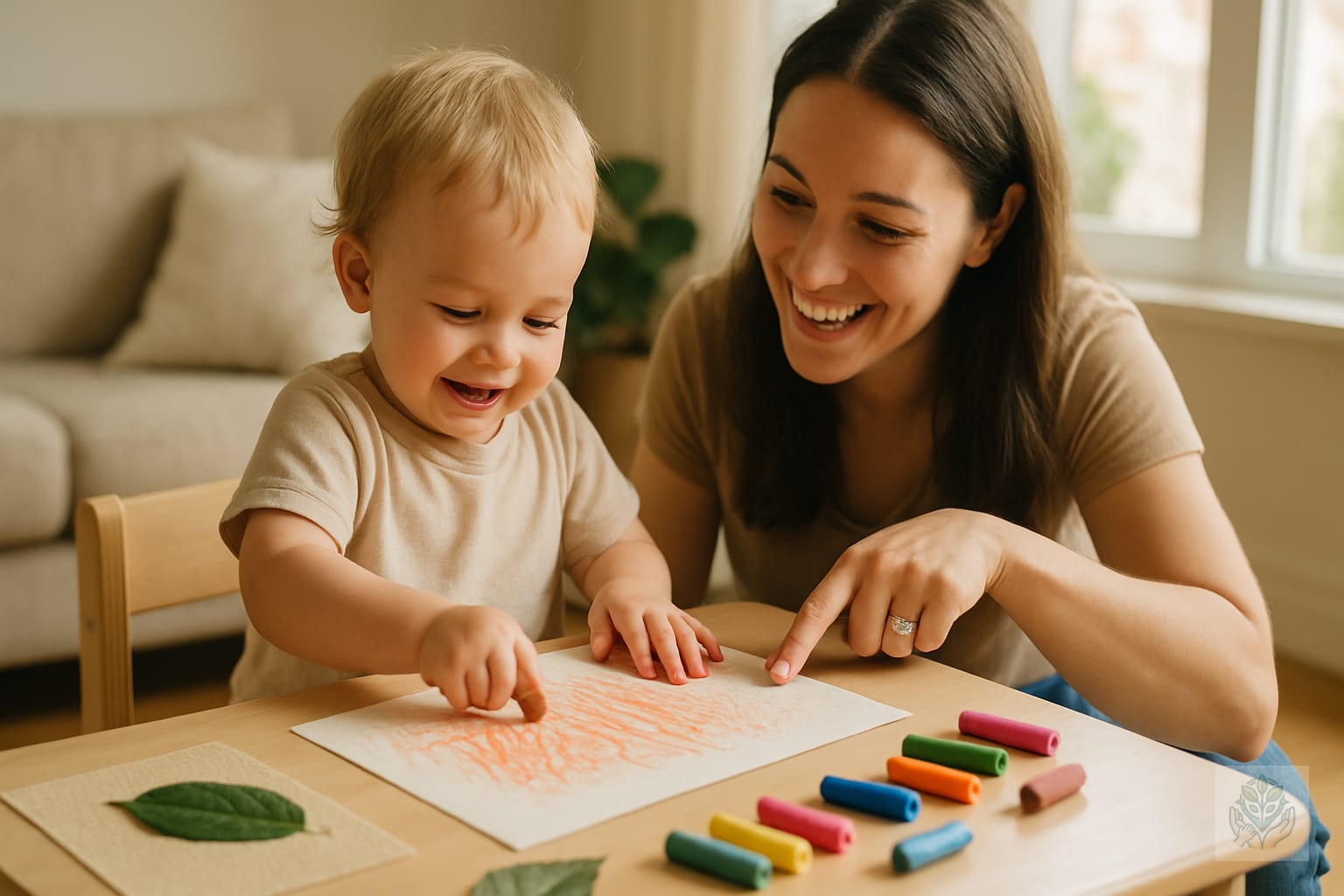
7 Creative Texture Coloring Activities for Toddlers to Boost Sensory Skills
Introduction
Watching your toddler explore the world is a fascinating journey. Every touch, grab, and scribble helps build pathways in their growing brain. If you are looking for fresh ways to keep your little one engaged with creative indoor toddler activities, incorporating texture coloring activities for toddlers is a game-changer. These hands-on art projects merge traditional coloring with tactile exploration, making learning a deeply sensory experience.
Traditional coloring books are wonderful, but adding physical textures takes creative play to the next level. When children feel rough surfaces, smooth papers, or fluffy paints while they create, they engage multiple senses at once. This multi-sensory approach captures their attention longer and supports critical developmental milestones, much like other structured preschool activities for early learning.
Why Sensory and Texture Coloring Matters for Toddlers
Toddlers learn primarily through their senses. From the moment they are born, they touch, taste, and manipulate objects to understand how the world works. Integrating sensory elements into everyday crafts helps solidify these early concepts. When a child colors on a bumpy surface, their fingers send messages to their brain about pressure, friction, and form.
This type of play also lays the groundwork for emotional regulation. Sensory art can be incredibly calming for busy toddlers. The repetitive motion of coloring combined with soothing or stimulating textures helps children ground themselves, focus their energy, and express their emotions safely, which is a key strategy used to handle child tantrums without shouting.
The Benefits of Combining Tactile Play with Art
Art is naturally therapeutic and expressive, but adding tactile components supercharges its benefits. Combining tactile play with art strengthens hand muscles, improves bilateral coordination, and fosters cognitive growth. Children learn cause and effect—such as discovering how pressing harder changes the mark left on a bumpy surface.
Furthermore, these activities encourage language development. As parents and caregivers introduce words like rough, smooth, bumpy, soft, and sticky, toddlers expand their descriptive vocabulary. They learn to connect physical sensations with verbal labels, which is a major milestone in early childhood communication.
What is Texture Coloring and Why Toddlers Need It
Texture coloring is an interactive art form where toddlers color, paint, or draw on materials that feature distinct physical textures, or where tactile elements are added directly to the coloring process. Unlike flat paper, these surfaces provide immediate tactile feedback with every stroke of a crayon, marker, or paintbrush.
This style of play is vital because modern children often spend a lot of time with flat, digital screens or smooth plastic toys. Introducing rich, tactile experiences restores a healthy balance, encouraging physical interaction with natural and man-made materials.
Understanding Tactile Development in Early Childhood
Tactile development refers to how the nervous system receives and interprets information from the receptors in the skin. Young children need a rich diet of tactile experiences to develop proper sensory integration. Without it, some children may become overly sensitive to certain clothing tags, textures of food, or physical touch.
By offering safe, controlled opportunities to explore various textures through creative projects, you help your child build sensory resilience. They learn that different feelings are not only safe to experience, but can also be enjoyable and interesting.
How Texture Coloring Supports Fine Motor Skills
Good fine motor control is essential for future tasks like handwriting, tying shoes, and using utensils. Texture coloring naturally demands more from a child’s hand muscles than drawing on regular printer paper. Pushing a crayon across corrugated cardboard or holding a sponge soaked in paint requires precise finger placement and variable grip strength.
As toddlers navigate these different surfaces, they build intrinsic hand strength, improve their pincer grasp, and enhance hand-eye coordination. These subtle physical adjustments happen naturally as they focus on the fun of the creative process, often aided by using the best educational toys for kids designed for small hands.
7 Creative Texture Coloring Activities for Toddlers
Ready to get hands-on? Here are seven fantastic, toddler-friendly art projects designed to boost sensory awareness through creative coloring and tactile play.
1. Sandpaper Rubbings: Rough vs. Smooth
Tape a piece of fine-grit sandpaper to a tabletop and place a plain sheet of paper directly over it. Give your toddler a chunky crayon with the paper wrapper removed, and show them how to rub the side of the crayon across the paper. The hidden texture of the sandpaper will magically appear on the page.
This activity introduces the concept of contrast. You can talk with your child about how the paper feels smooth on top, but the rubbing reveals a rough, grainy pattern underneath.
2. Foil and Wax Paper Resist Art
Aluminum foil and wax paper offer ultra-smooth, non-porous surfaces that change how coloring tools behave. Tape a sheet of heavy-duty aluminum foil to the table and let your toddler use permanent markers or special acrylic paints to color on it.
Because the surface is slick, the colors glide differently, providing a fascinating visual and tactile surprise. It teaches toddlers that different canvases require different levels of pressure and touch.
3. Puffy Paint Coloring Pages
Mix equal parts white school glue and shaving cream with a few drops of food coloring to create easy homemade puffy paint. Let your toddler use their fingers or a soft brush to paint this mixture directly onto thick cardboard coloring templates.
Once the paint dries, it hardens into a wonderful, pillowy three-dimensional texture. Toddlers love pressing their fingers into the dried art to feel the soft, spongy bumps they helped create.
4. Nature-Inspired Leaf and Bark Rubbings
Take a nature walk to collect flat leaves with prominent veins or pieces of textured tree bark. Place these items underneath a piece of paper and invite your toddler to color over them using leaf-shaped crayons or standard wax crayons.
This project connects indoor arts and crafts with outdoor activities that boost development naturally. It helps children notice the intricate patterns found in nature while refining their fine motor coloring skills.
5. Cotton Ball and Sponge Dab Painting
Swap out traditional paintbrushes for textured tools like cotton balls held with clothespins or small kitchen sponges cut into fun shapes. Pour washable paint onto a tray and let your toddler dip and dab their tools onto a coloring page.
The squishy nature of sponges and soft texture of cotton balls provide wonderful tactile feedback for little hands. It is an ideal low-mess introduction to painting for younger toddlers.
6. Crinkled Tissue Paper Collage Coloring
Give your toddler colorful sheets of tissue paper and let them crumple them into tight balls before smoothing them out slightly. Have them glue these crinkled, textured papers onto a large outlined coloring sheet, then color around the gaps with markers.
The crinkling action is fantastic for building hand strength, and the final collage creates a wonderful multi-layered surface that begs to be touched.
7. Sensory Rice and Bean Mosaic Coloring
Draw a simple outline of a tree, animal, or house on sturdy cardboard. Help your toddler spread a thin layer of washable school glue inside the lines, then let them sprinkle dyed sensory rice, lentils, or small beans onto the glue.
Once dry, your toddler can use thick markers to color the background around their tactile mosaic. Running small fingers over the bumpy grains provides wonderful sensory stimulation.
Tips for Setting Up Mess-Free Texture Art Stations
Sensory art is wonderfully engaging, but it can sometimes lead to a big cleanup job. With a few smart preparations, you can keep the chaos contained while your toddler explores.
Best Materials to Keep on Hand
Stocking a dedicated sensory art caddy makes spontaneous crafting much easier. You can find more inspiration in our ultimate guide to DIY crafts for kids. Keep these essential items ready in your craft closet:
- Washable school glue and glue sticks
- Chunky, easy-grip beeswax or wax crayons
- A variety of textured papers, foil, and felt scraps
- Child-safe sponges and cotton balls
- Smocks or old oversized adult t-shirts
How to Protect Your Floors and Tables
Preparation is the secret to stress-free crafting. Always lay down a large plastic tablecloth or a washable splat mat underneath your toddler’s chair. If you are working with sticky materials like glue or puffy paint, keep a damp washcloth right next to you for quick finger wipe-downs before your toddler touches the walls or their hair.
Frequently Asked Questions (FAQs)
At what age can toddlers start texture coloring?
Most children can begin exploring basic texture coloring around 12 to 18 months of age, provided they are past the stage of putting every single object directly into their mouths. Always supervise young toddlers closely during sensory and art activities.
Are these materials safe if my toddler puts them in their mouth?
Safety depends on the specific materials you choose. For younger toddlers who still mouth objects, opt for edible sensory bases like cooked pasta, cereal, or homemade yogurt paints, and always use non-toxic, certified child-safe art supplies.
How do I encourage my toddler to talk about different textures?
Model descriptive language while you play together. Instead of just saying good job, say something like, feel how bumpy this cardboard is when you color over it. Asking open-ended questions like, does that feel soft or rough? also encourages active communication and helps you maintain positive parenting habits.
Recommended Amazon Products
As an Amazon Associate, NurtureBharat earns from qualifying purchases.

Colour With Crayons Book 1 for Kids Ages 1–6 | Early Learning Drawing & Colouring Book for Toddlers, Preschool & Kindergarten | Fun Crayon Activity Book for Boys & Girls
₹80.00
In stock

ClapJoy Scribble to Star Drawing Kit for Kids Age 2+ Years | Art & Craft Kit for Kids | DIY Drawing & Coloring Set with Stencils, Crayons, Paints, Reward Stickers | Screen Free Learning Activity Kit for Toddlers Art Gift for Boys & Girls Ages 2, 3,4,5,6 & up
₹299.00
In stock

Finger Paint Kit for Kids, 18 Washable Finger Paint Colours with 6 Fun Shape Sponges, Finger Painting Book, Art Papers & Activity Sheets, Non Toxic Sensory Play & Learning Gift for Kids Age 5+
₹398.00
₹699.00
— Save 43%
In stock
Conclusion
Incorporating texture coloring activities for toddlers into your daily routine for kids is a wonderful way to blend creativity with essential sensory development. These simple, tactile art projects support fine motor control, build hand strength, and spark endless curiosity. Gather a few household supplies, set up a cozy crafting station, and watch your little one discover the wonderful world of sensory art today.
Frequently Asked Questions
At what age can toddlers start texture coloring?
Most children can begin exploring basic texture coloring around 12 to 18 months of age, provided they are past the stage of putting every single object directly into their mouths. Always supervise young toddlers closely during sensory and art activities.
Are these materials safe if my toddler puts them in their mouth?
Safety depends on the specific materials you choose. For younger toddlers who still mouth objects, opt for edible sensory bases like cooked pasta, cereal, or homemade yogurt paints, and always use non-toxic, certified child-safe art supplies.
How do I encourage my toddler to talk about different textures?
Model descriptive language while you play together. Instead of just saying good job, say something like, feel how bumpy this cardboard is when you color over it. Asking open-ended questions like, does that feel soft or rough? also encourages active communication.
What are some easy texture coloring ideas for beginners?
Sandpaper rubbings, aluminum foil resist art, and sponge dab painting are fantastic, low-mess introductory activities that provide immediate tactile feedback for young toddlers.
How does texture coloring help with fine motor skills?
Pushing crayons across rough surfaces or holding sponges requires precise finger placement, varied grip strength, and hand-eye coordination, which naturally builds intrinsic hand muscles essential for future handwriting.
How can I keep mess to a minimum during sensory art?
Always lay down a plastic splat mat or tablecloth, keep a damp washcloth nearby for quick wipe-downs, and use a dedicated art caddy to organize non-toxic supplies before starting.


